Types of Statue Decor: Chinese Home Art & Sculptures
Chinese statue decor brings a timeless blend of artistry, symbolism, and cultural heritage into modern interiors. These handcrafted sculptures are not only decorative elements but also carry deep philosophical, spiritual, and astrological significance. From delicate porcelain pieces to powerful dragon motifs, each type of statue reflects centuries of tradition while enhancing aesthetic appeal and energetic harmony in the home.
Porcelain Statues
Renowned for their fine craftsmanship, Chinese porcelain statues are a hallmark of Chinoiserie decor, celebrated globally for elegance and precision. Crafted from high-fired kaolin clay, these sculptures often depict floral patterns, mythical creatures, imperial figures, and serene landscapes. Their glossy finish and intricate detailing showcase China’s mastery in ceramic artistry dating back to the Ming and Qing dynasties.
Advantages
- Exquisite detail and smooth finish
- Timeless elegance and sophistication
- High collectible and resale value
- Complements both traditional and modern interiors
Limitations
- Fragile and prone to chipping
- Requires careful handling and placement
- Premium pricing for antique or artisan pieces
Best for: Living rooms, display cabinets, entryways, and spaces emphasizing refinement and cultural heritage
Buddha Statues
Deeply rooted in Chinese Buddhist tradition, Buddha statues are more than religious icons—they are central to feng shui home decor, believed to attract peace, wisdom, and positive energy (chi). Common poses include the meditating Buddha (symbolizing inner calm), the laughing Buddha (representing abundance and joy), and the reclining Buddha (denoting enlightenment). Typically made from bronze, stone, or resin, they radiate serenity and mindfulness.
Advantages
- Promotes tranquility and mental clarity
- Enhances feng shui energy flow
- Versatile in size and material options
- Serves as a focal point in meditation or relaxation areas
Limitations
- Must be placed respectfully (e.g., not facing bathrooms)
- Larger pieces may dominate small spaces
- Can be culturally sensitive if misrepresented
Best for: Meditation rooms, study areas, living rooms, and homes seeking spiritual balance
Zodiac Statues
Inspired by the Chinese zodiac calendar, these 12-animal sculptures—rat, ox, tiger, rabbit, dragon, snake, horse, goat, monkey, rooster, dog, and pig—represent personality traits, destiny, and cosmic harmony. Often displayed during Lunar New Year celebrations, zodiac statues are used year-round as personalized decor. They make thoughtful gifts based on birth years and add a playful yet meaningful touch to shelves or desks.
Advantages
- Personalized and symbolic decor
- Great for gifting and family heirlooms
- Encourages conversation and cultural appreciation
- Available in whimsical or elegant styles
Limitations
- May be seen as novelty items if low quality
- Limited appeal outside zodiac enthusiasts
- Requires knowledge for proper interpretation
Best for: Home offices, children’s rooms, holiday displays, and personality-driven interiors
Dragon Statues
The dragon is a revered symbol in Chinese mythology—representing power, prosperity, and protection. Unlike Western depictions, the Chinese dragon is a benevolent celestial being associated with water, rain, and imperial authority. Dragon statues, often coiled or in dynamic motion, are crafted from bronze, jade, or ceramic. Placed near entrances or study areas, they are believed to ward off negative energy and invite success.
Advantages
- Strong symbolic presence and cultural depth
- Excellent feng shui enhancer for wealth and strength
- Striking visual impact and artistic detail
- Durable materials ensure longevity
Limitations
- Can appear intimidating in minimalist spaces
- Larger statues require significant space
- Misplacement may disrupt energy flow in feng shui
Best for: Foyers, executive offices, study rooms, and spaces needing bold, protective energy
Abstract & Contemporary Statues
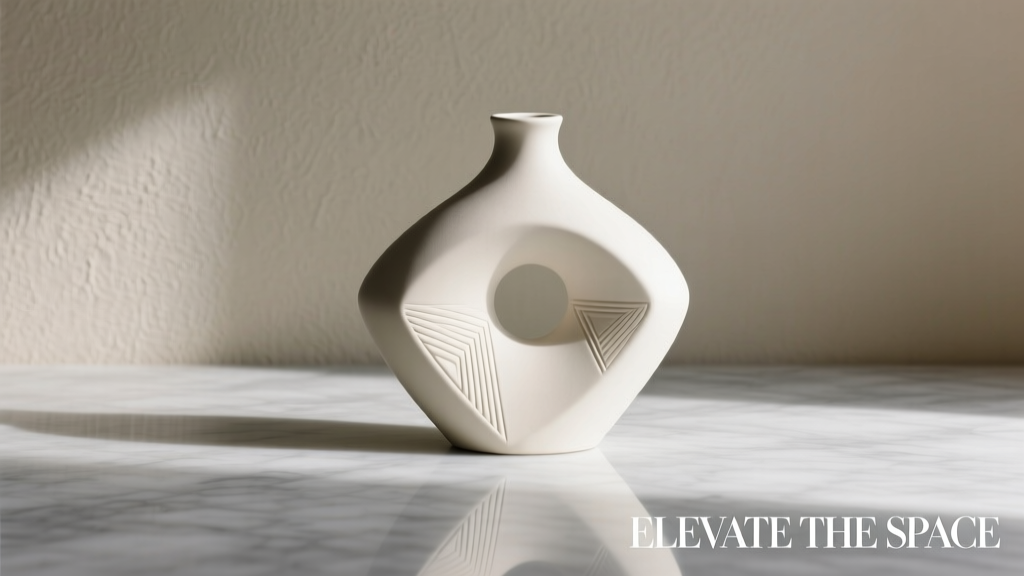
Blending ancient symbolism with modern aesthetics, abstract Chinese statues reflect a growing trend in interior design. These pieces use minimalist forms, geometric shapes, and experimental materials like metal, resin, or mixed media to reinterpret traditional motifs—such as yin-yang, calligraphy, or lotus flowers. Ideal for urban lofts and contemporary homes, they celebrate innovation without losing cultural roots.
Advantages
- Perfect for minimalist and modern interiors
- Unique and conversation-starting designs
- Bridges tradition and modernity
- Often lightweight and easy to position
Limitations
- Less culturally authentic than traditional pieces
- Limited availability in mainstream markets
- May not appeal to traditional art collectors
Best for: Modern apartments, art galleries, minimalist homes, and design-forward spaces
| Type | Cultural Significance | Material Commonly Used | Feng Shui Benefit | Ideal Placement |
|---|---|---|---|---|
| Porcelain Statues | Artistic heritage, imperial elegance | Porcelain, ceramic | Harmony and refinement | Display cabinets, living rooms |
| Buddha Statues | Spirituality, enlightenment | Bronze, stone, resin | Peace, wisdom, positive chi | Meditation areas, study rooms |
| Zodiac Statues | Personal destiny, astrology | Resin, ceramic, metal | Personalized energy alignment | Desks, shelves, children's rooms |
| Dragon Statues | Power, protection, prosperity | Bronze, jade, ceramic | Wealth and strength enhancement | Entrances, offices, study areas |
| Abstract & Contemporary | Modern interpretation of tradition | Resin, metal, mixed media | Creative energy flow | Living rooms, art spaces |
Expert Tip: When incorporating Chinese statue decor into your home, consider feng shui principles—place statues on stable surfaces, avoid cluttered areas, and face them toward key entry points to maximize positive energy flow. Regular dusting and respectful positioning enhance both aesthetic and symbolic value.
Design of Statue Decor Home China: Tradition, Symbolism, and Modern Elegance
Chinese statue decor for the home blends centuries-old artistic traditions with contemporary design sensibilities. Revered for their craftsmanship and cultural depth, these statues are more than decorative objects—they are expressions of heritage, philosophy, and aesthetic harmony. From imperial motifs to modern interpretations, each piece tells a story rooted in Chinese symbolism and artistry.
Key Design Elements of Chinese Statue Decor
Traditional Chinese Motifs
Central to Chinese statue design are iconic cultural symbols that carry deep historical and spiritual significance. Motifs such as dragons, phoenixes, peonies, and lotus flowers are frequently featured, each embodying specific virtues and blessings.
The dragon, a symbol of power, strength, and good fortune, is often depicted in dynamic poses, representing imperial authority and protection. The phoenix, associated with grace and renewal, symbolizes harmony and prosperity, especially in marital contexts. The lotus flower, rising pure from muddy waters, stands for enlightenment and spiritual growth, while the peony—known as the "king of flowers"—represents wealth, honor, and feminine beauty.
Historical and philosophical figures like Confucius, Laozi, or ancient emperors are also commonly sculpted, serving not only as decorative elements but as reminders of wisdom, moral integrity, and leadership. These figures are often portrayed in serene, contemplative poses, enhancing their meditative and scholarly appeal.
Glazing and Finishing Techniques
The visual impact of Chinese statues is significantly enhanced by sophisticated glazing and finishing methods that reflect both technical mastery and artistic intention. Among the most celebrated is the blue and white porcelain glaze, a hallmark of Ming dynasty craftsmanship. This technique uses cobalt oxide under a clear glaze, creating elegant, high-contrast designs that evoke a timeless sense of refinement.
Gold luster and gilded finishes are also widely used, particularly in statues intended for luxurious interiors. These metallic accents add opulence and grandeur, making the pieces stand out as focal points in living rooms, entryways, or meditation spaces. Matte, satin, and hand-brushed finishes further diversify the aesthetic range, allowing for subtler, more contemporary expressions.
Modern artisans often combine traditional glazing with innovative textures—such as crackled glaze (crackleware) or celadon finishes—to add depth and character. These techniques not only enhance visual appeal but also connect the piece to China’s rich ceramic legacy.
Symbolism in Design
Every aspect of a Chinese statue—from posture and gesture to material and color—is imbued with symbolic meaning. In feng shui and traditional Chinese philosophy, these elements are carefully chosen to attract positive energy (qi), balance, and auspiciousness.
For example, a crane statue symbolizes longevity and peace, often paired with pine trees or tortoises to amplify its meaning. A laughing Buddha (Budai) seated with a large belly represents abundance, happiness, and contentment, making it a popular choice for homes and businesses alike.
Animals, plants, and even calligraphic inscriptions are integrated with intention. The number of elements (such as three fish for prosperity or five bats for the "Five Blessings") follows numerological principles. Placement also matters: statues facing the entrance are believed to welcome good fortune, while those in study areas promote wisdom and focus.
Fusion of Traditional and Modern Aesthetics
Contemporary Chinese statue decor often bridges the gap between ancient symbolism and modern design. Artists and designers reinterpret classical forms with minimalist lines, abstract shapes, and neutral palettes to suit urban interiors and global tastes.
This fusion allows traditional motifs to remain culturally relevant while adapting to current lifestyles. A modern dragon sculpture might feature sleek, flowing metalwork instead of detailed porcelain, or a Confucius figure could be rendered in monochrome ceramic with a simplified silhouette.
These hybrid designs appeal to younger generations and international audiences who appreciate cultural heritage without compromising on modern elegance. They are ideal for minimalist homes, offices, or wellness spaces where art serves both decorative and contemplative purposes.
| Design Element | Cultural Significance | Common Applications |
|---|---|---|
| Dragon | Power, protection, prosperity | Entryways, offices, study rooms |
| Phoenix | Harmony, renewal, marital bliss | Bedrooms, wedding gifts, living rooms |
| Lotus Flower | Purity, enlightenment, rebirth | Meditation spaces, bathrooms, spiritual areas |
| Laughing Buddha | Abundance, joy, generosity | Kitchens, dining areas, business entrances |
| Crane & Pine | Longevity, endurance, peace | Elderly homes, wellness rooms, gardens |
Choosing the Right Statue for Your Home
Important: When incorporating Chinese statue decor into your home, aim for authenticity and intentionality. Avoid mass-produced imitations that lack cultural depth. Instead, choose pieces that honor the artistry and symbolism of Chinese tradition. Proper placement, according to feng shui or personal belief, can enhance their positive impact on your living environment.
Scenarios of Statue Decor in Home & Interior Design
Chinese statue decor transcends mere ornamentation—these timeless pieces blend artistry, cultural symbolism, and functional design to enhance a variety of environments. From promoting tranquility to serving as bold focal points, Chinese statues are versatile additions that enrich both personal and public spaces. Their significance extends beyond aesthetics, often embodying values such as harmony, prosperity, and protection.
Living Rooms
The living room is the heart of the home—a space designed for relaxation, family gatherings, and social interaction. Incorporating Chinese statue decor here introduces a sense of balance and elegance. Porcelain sculptures, intricately carved jade figurines, or majestic dragon statues serve as captivating centerpieces that draw attention and spark meaningful conversations.
- Centerpiece Appeal: A well-placed statue becomes a visual anchor, enhancing the room’s overall design narrative.
- Cultural Fusion: These pieces effortlessly bridge traditional Chinese artistry with modern interior styles, adding depth and character.
- Soothing Ambience: Statues with serene expressions or flowing forms contribute to a calm and inviting atmosphere.
Design Tip: Position statues on coffee tables, mantelpieces, or display shelves with subtle lighting to highlight craftsmanship.
Offices & Workspaces
In professional environments, mental clarity and focus are paramount. Chinese statues—especially depictions of Buddha, wisdom figures, or abstract interpretations of balance—help cultivate a peaceful mindset. Placed on desks, credenzas, or bookshelves, they act as mindful reminders to stay centered amid daily demands.
- Mindfulness & Focus: Buddha statues symbolize inner peace and are ideal for reducing workplace stress.
- Artistic Inspiration: Abstract or calligraphic-inspired statues stimulate creativity in design studios or creative agencies.
- Professional Elegance: High-quality bronze or ceramic pieces reflect sophistication and attention to detail.
Feng Shui Insight: Place a Buddha statue in the southeast corner of your office to attract abundance and calm energy.
Garden & Outdoor Spaces
Outdoor areas benefit greatly from the enduring beauty and symbolic power of Chinese statuary. Crafted from weather-resistant materials like bronze, stone, or cast iron, dragon, phoenix, and guardian lion (foo dog) statues add drama and cultural depth to gardens, patios, and entryways.
- Architectural Drama: Large-scale statues create focal points and define spatial zones within a landscape.
- Feng Shui Enhancement: Strategically placed statues promote the flow of positive energy (chi), especially near entrances or water features.
- Symbolic Protection: Guardian lions are believed to ward off negative influences and protect the household.
Pro Tip: Pair statues with bamboo, koi ponds, or rock gardens for a cohesive Asian-inspired garden theme.
Retail & Hospitality Environments
Hotels, restaurants, spas, and boutiques use Chinese statues to create immersive, culturally rich experiences. These decorative elements not only elevate visual appeal but also communicate a brand’s attention to detail and appreciation for global aesthetics.
- Lobby Statements: Grand Buddha or imperial figures in hotel lobbies convey serenity and luxury.
- Guest Engagement: Zodiac or mythological statues in waiting areas encourage interaction and storytelling.
- Thematic Branding: Asian fusion restaurants often use dragon or lotus-themed sculptures to reinforce their culinary identity.
Design Strategy: Use smaller, curated statues in retail displays to evoke curiosity and cultural connection.
Celebrations & Cultural Festivities
During festivals like Chinese New Year, Mid-Autumn Festival, or Lunar celebrations, statues play a vital ceremonial and decorative role. They are not just ornaments but symbols of luck, prosperity, and ancestral reverence.
- Festive Symbolism: Dragon and foo dog statues are prominently displayed to invite good fortune and ward off evil spirits.
- Seasonal Decor: Limited-edition or ornate statues become part of temporary installations, adding vibrancy to event spaces.
- Cultural Education: Public displays with interpretive signage help educate communities about Chinese traditions and mythology.
Event Tip: Incorporate red lanterns and calligraphy scrolls alongside statues for a complete festive tableau.
Entryways & Foyers
The entrance of a home or building sets the tone for what lies within. Chinese statues placed in foyers or near doorways serve both aesthetic and symbolic purposes—welcoming guests while establishing a protective presence.
- First Impressions: A striking statue immediately conveys taste, cultural appreciation, and intentionality in design.
- Energy Guardians: Guardian lions or Fu Dogs are traditionally positioned in pairs to protect the threshold.
- Space Definition: Statues help anchor entryway furniture and guide movement through the space.
Feng Shui Rule: Ensure statues face inward to draw positive energy into the home, not outward.
Expert Recommendation: When selecting Chinese statue decor, consider the material, symbolism, and placement. Porcelain and jade suit indoor, climate-controlled spaces, while bronze and stone are ideal for outdoors. Always align the statue’s meaning with the room’s purpose—peaceful figures for relaxation areas, dynamic forms for social or creative spaces.
| Space Type | Recommended Statue Type | Material | Symbolic Benefit |
|---|---|---|---|
| Living Room | Dragon, Jade Rabbit, Scholar Figures | Porcelain, Jade, Ceramic | Harmony, Prosperity, Intellectual Clarity |
| Office / Study | Buddha, Guanyin, Abstract Forms | Resin, Bronze, Wood | Focus, Calm, Creativity |
| Garden / Patio | Phoenix, Guardian Lions, Tortoises | Stone, Cast Iron, Bronze | Protection, Longevity, Vitality |
| Entrance / Foyer | Fu Dogs, Imperial Guards | Stone, Bronze, Ceramic | Security, Welcome, Positive Energy |
| Festive / Event Use | Chinese Zodiac, Dancing Dragons | Papier-mâché, Painted Wood, Lightweight Resin | Luck, Celebration, Cultural Pride |
Additional Considerations
- Scale & Proportion: Choose statue size relative to the space—larger rooms can accommodate bold pieces, while smaller areas benefit from delicate accents.
- Lighting: Use spotlights or LED display lights to enhance texture and detail, especially for intricate carvings.
- Maintenance: Dust indoor statues regularly; outdoor pieces may require seasonal cleaning to prevent moss or corrosion.
- Cultural Sensitivity: Respect the spiritual significance of certain figures (e.g., Buddha) by placing them appropriately—never in bathrooms or cluttered areas.
- Authenticity: Opt for handcrafted or artisan-made statues for superior quality and cultural authenticity over mass-produced imports.
Specification & Maintenance of Statue Decor Home China
Chinese statue decor, especially those crafted in China, blends artistry, cultural significance, and fine craftsmanship. To preserve their beauty and longevity, it's essential to understand both their material specifications and proper maintenance techniques. Whether you own a delicate porcelain figurine or a robust bronze sculpture, this guide provides comprehensive insights into caring for your collection with precision and respect.
Important Note: Always handle antique or valuable Chinese statues with extreme care. If unsure about cleaning or repair methods, consult a professional conservator to avoid irreversible damage.
Key Specifications of Chinese Statue Decor
- Material Specifications
Chinese statues are crafted from a variety of materials, each offering distinct aesthetic and structural qualities:
- Porcelain: The most iconic material, prized for its translucency, smooth finish, and ability to hold intricate details. Often glazed and fired at high temperatures for durability.
- Stoneware: Heavier and more opaque than porcelain, ideal for larger decorative pieces. Offers excellent resistance to chipping when properly glazed.
- Bronze: Frequently used for religious or historical figures like the Chinese Buddha statue. Resistant to corrosion and develops a natural patina over time.
- Wood and Jade: Less common but highly valued for their cultural symbolism and natural beauty. Require specialized care due to sensitivity to moisture and temperature.
Understanding the material is crucial, as it directly influences cleaning methods, display conditions, and long-term preservation.
- Size & Weight Considerations
The dimensions and mass of a statue significantly impact its placement and structural needs:
- Small statues (under 12 inches) can be displayed on shelves, mantels, or glass cabinets.
- Medium to large statues (12–36 inches) require sturdy, level surfaces such as dedicated pedestals or reinforced furniture.
- Oversized or heavy pieces (over 3 feet) may need wall anchors, custom stands, or floor reinforcement—especially for bronze or stone sculptures.
Proper weight distribution prevents tipping, while thoughtful placement enhances visual impact and protects the piece from accidental contact.
Essential Maintenance Practices
- Dusting and Cleaning Techniques
Maintaining a clean surface is vital to preserving the statue’s luster and detail:
- Use a soft, lint-free microfiber cloth or a feather duster for routine dusting.
- For deeper cleaning, lightly dampen a cloth with distilled water—never spray directly onto the statue.
- Avoid commercial cleaners, alcohol, or abrasive substances that can erode glazes or finishes.
- For intricate carvings, use a soft-bristled brush (like a makeup or paintbrush) to gently remove trapped dust.
Always dry the statue immediately after cleaning to prevent water spots or moisture absorption, especially in porous materials.
- Protecting Against Direct Sunlight
UV exposure poses a serious threat to Chinese statue decor:
- Prolonged sunlight can cause fading of painted details, glaze discoloration, and weakening of structural integrity.
- Thermal expansion from heat can lead to micro-cracks in porcelain or ceramic pieces.
- Display statues in areas with indirect or diffused natural light, or use UV-filtering window film.
Rotate the statue occasionally if lighting is uneven, ensuring all sides age uniformly.
- Safe Handling Procedures
Improper handling is a leading cause of damage:
- Always use two hands when moving medium or large statues—support the base and main body, not protruding parts like arms or head.
- For delicate porcelain or figurines, wear cotton gloves to prevent transferring skin oils that attract dust and grime.
- Lift slowly and keep the statue close to your body to maintain balance and control.
- When transporting, wrap the statue in acid-free tissue paper and place it in a padded container.
Never lift a statue by its decorative elements (e.g., lotus hands of a Buddha statue), as these are often the most fragile.
- Periodic Inspections and Preventive Care
Regular check-ups help catch issues before they worsen:
- Inspect monthly for signs of chipping, cracking, or discoloration.
- Check for loose components, especially in multi-part statues or those with removable bases.
- Monitor for insect activity if wooden elements are present.
- Look for mold or efflorescence in humid environments, particularly on stone or unglazed ceramics.
If damage is detected, isolate the piece and consult a restoration expert. Avoid DIY repairs with strong adhesives that may cause further harm.
| Material Type | Cleaning Method | Environmental Risks | Recommended Display Location |
|---|---|---|---|
| Porcelain | Soft dry cloth; minimal damp wipe | UV fading, thermal cracking | Indoor shelf, cabinet, away from windows |
| Bronze | Dry cloth; professional polish only | Oxidation, moisture corrosion | Well-ventilated area, stable humidity |
| Stoneware | Damp cloth for glazed surfaces | Moisture absorption (unglazed) | Living room, study, display case |
| Jade/Wood | Dry cloth only; no liquids | Cracking, warping, insect damage | Climate-controlled room, low light |
Expert Tip: Create a maintenance log for your statue collection. Record purchase date, material type, cleaning dates, and inspection notes. This helps track condition changes and supports valuation for insurance or resale purposes.
Additional Preservation Tips
- Maintain stable indoor humidity (40–60%) to prevent cracking or mold growth.
- Keep statues away from heating vents, fireplaces, or air conditioners that cause rapid temperature shifts.
- Use museum putty or anti-slip pads to secure bases on smooth surfaces.
- Photograph your collection regularly for documentation and sentimental value.
- Consider professional appraisal for rare or antique pieces to ensure proper care and insurance coverage.
Chinese statue decor represents more than just home embellishment—it embodies heritage, artistry, and spiritual symbolism. By understanding the specifications and committing to thoughtful maintenance, you ensure these treasured pieces remain beautiful and intact for generations to come. Treat each statue with care, and it will continue to inspire admiration and tranquility in your living space.
Frequently Asked Questions About Chinese Statue Decor
Q1: What materials are commonly used for making Chinese statues?Chinese statues are crafted from a wide variety of traditional and durable materials, each contributing to the artwork’s aesthetic, cultural significance, and longevity. The most commonly used materials include:
- Porcelain: Known for its delicate beauty and glossy finish, porcelain is often used in fine decorative statues, especially those featuring intricate details like imperial figures, deities, or animals such as dragons and phoenixes.
- Stone: Materials like jade, marble, and granite are prized for their strength and symbolic value. Jade, in particular, is revered in Chinese culture for representing purity, longevity, and good fortune.
- Bronze: Frequently used in both ancient and modern sculptures, bronze statues are celebrated for their rich patina and resilience. They often depict historical figures, Buddhist monks, or mythological beings.
- Wood: Hand-carved wooden statues, typically made from sandalwood, camphor, or rosewood, are common in religious and spiritual settings. These are often painted or lacquered to enhance their visual appeal and protect against wear.
The choice of material not only affects the statue’s appearance but also reflects its intended purpose—whether for indoor display, outdoor placement, or ceremonial use.
Q2: What role do Chinese statue decor play in a home besides aesthetic value?Beyond their visual appeal, Chinese statues are deeply rooted in cultural and spiritual traditions, serving symbolic and energetic purposes within a home environment. Many people incorporate these statues to:
- Enhance Feng Shui: Statues such as the Fu Dog (guardian lions), Laughing Buddha, or dragon figures are strategically placed to attract positive energy (chi), ward off negative influences, and promote balance in the household.
- Invite Prosperity and Luck: Figures like the Wealth God (Caishen) or three-legged toad (Jin Chan) are believed to bring financial abundance and business success when displayed in auspicious locations.
- Promote Peace and Harmony: Depictions of Guanyin (Goddess of Mercy) or meditating sages encourage compassion, tranquility, and emotional well-being.
- Honor Ancestral Traditions: Families may display ancestral or historical figures to maintain cultural continuity and show respect for heritage.
Thus, Chinese statues function not only as art pieces but also as meaningful symbols that contribute to the spiritual and emotional atmosphere of a living space.
Q3: Do Chinese statues have symbols suitable for outdoor use?Yes, many Chinese statues are specifically designed or traditionally used for outdoor settings such as gardens, courtyards, and entrances. These are typically made from weather-resistant materials and carry protective symbolism. Popular outdoor statues include:
- Fu Dogs (Guardian Lions): Often placed in pairs at gateways or doorways to guard against evil spirits and protect the home.
- Dragons: Symbolizing power, strength, and good fortune, dragon statues are commonly found in garden ponds or along pathways.
- Tortoises and Cranes: Representing longevity and wisdom, these are frequently used in garden landscapes.
- Buddhist Stupas or Pagodas: Miniature versions serve as meditative focal points and spiritual protectors.
For durability, outdoor Chinese statues are typically crafted from bronze, stone, or cast concrete, which can withstand rain, sunlight, and temperature fluctuations. Proper sealing or periodic maintenance can further extend their lifespan and preserve their appearance.
Q4: What are some tips for maintaining Chinese porcelain statues?Porcelain statues are elegant but fragile, requiring careful handling and consistent maintenance to preserve their beauty and structural integrity. Here are essential care tips:
- Dusting: Use a soft, dry microfiber or lint-free cloth to gently remove dust. Avoid feather dusters or rough fabrics that may scratch the surface.
- Cleaning: If needed, lightly dampen a cloth with distilled water and mild soap. Never immerse porcelain in water or use harsh chemicals, as this can damage glazing or paint.
- Sunlight Exposure: Keep porcelain statues away from direct sunlight to prevent fading of colors and weakening of materials over time.
- Placement: Display them on stable surfaces out of high-traffic areas. Avoid locations near doors, vents, or windows where sudden movements or temperature changes could cause damage.
- Handling: Always handle with clean, dry hands and support the base—not the delicate parts like arms or head—to avoid breakage.
- Storage: If storing, wrap in acid-free tissue paper and place in a padded container to prevent chipping or cracking.
With proper care, Chinese porcelain statues can remain pristine heirlooms for generations.
Q5: Are modern Chinese statues available in custom designs?Yes, contemporary Chinese artists and artisans offer a growing range of custom-designed statues that blend traditional craftsmanship with modern aesthetics. These personalized pieces allow individuals to:
- Reflect Personal Taste: Custom statues can be tailored in size, pose, material, and symbolism—ideal for unique interior themes or personal beliefs.
- Incorporate Modern Elements: Artists may fuse classic motifs (like dragons or deities) with abstract forms, minimalist styles, or pop culture references for a fresh, artistic expression.
- Create Commemorative Pieces: Custom statues are often commissioned for special occasions such as weddings, anniversaries, or memorials, featuring personalized inscriptions or likenesses.
- Support Artisan Craftsmanship: Many modern creators work in small studios, preserving traditional techniques while innovating for today’s decor trends.
Whether you're looking for a one-of-a-kind centerpiece or a meaningful gift, custom Chinese statues offer a unique way to celebrate heritage while embracing individuality and modern design sensibilities.