Grilling season is more than just about charred steaks and juicy burgers—today’s backyard chefs are turning to a new frontier of flavor: heat-infused vegetables that transform barbecue from comfort food into a high-octane culinary experience. While most associate spice with sauces or dry rubs, the real fire starters are often growing quietly in garden beds and farmers’ markets. The spiciest vegetables aren’t just about burning the palate—they bring complexity, aroma, and layered heat that deepen when exposed to flame. From blistered chile peppers to grilled spicy greens, these ingredients can redefine what’s possible on the grill. Understanding which vegetables deliver authentic heat—and how to harness their power—is essential for anyone looking to push the boundaries of outdoor cooking.
Definition & Overview
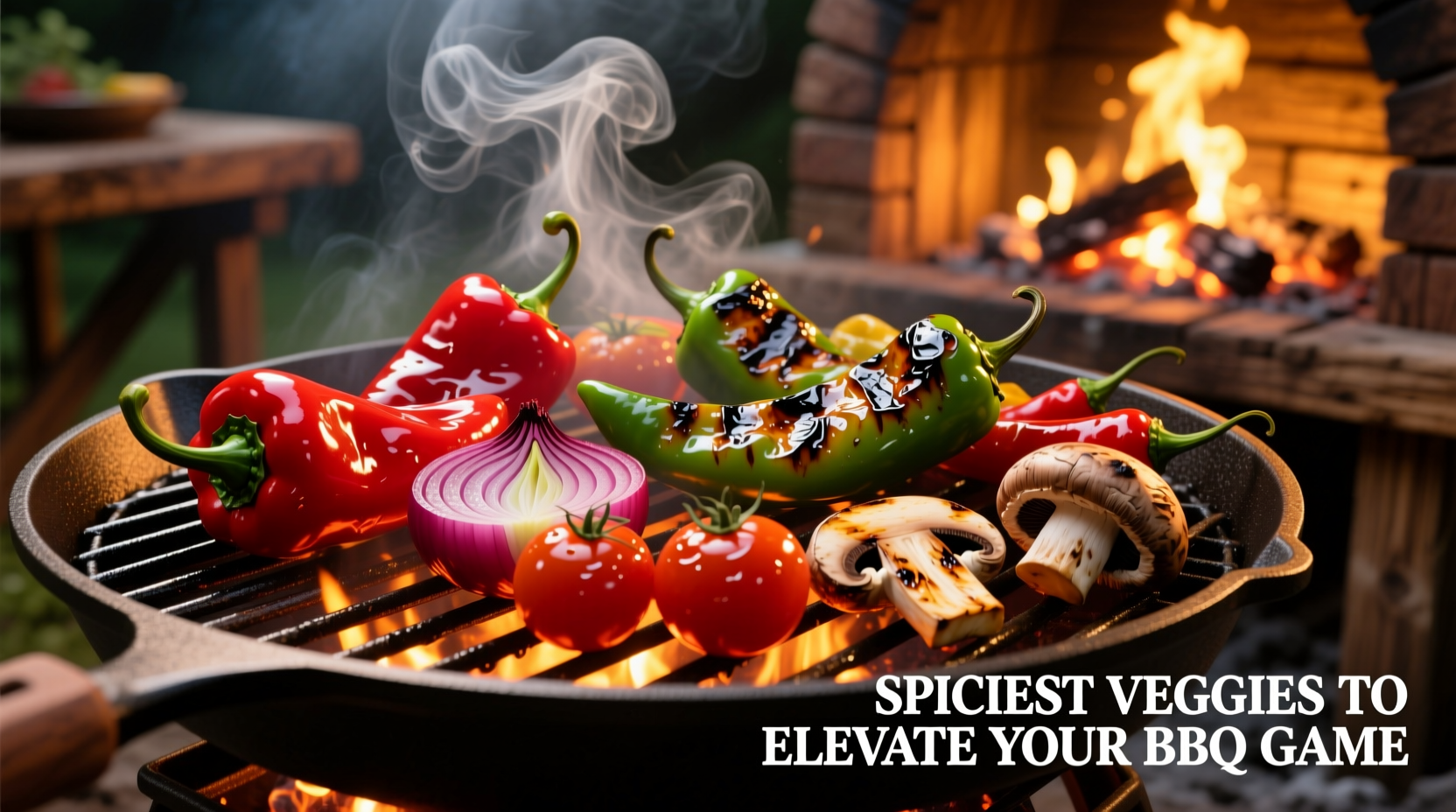
When discussing “spicy vegetables,” we refer specifically to plant-based foods that naturally produce capsaicin or other pungent compounds, resulting in a measurable heat response in the human mouth. Unlike seasoned or marinated vegetables, true spicy vegetables derive their fire from genetics and growing conditions. Most belong to the *Capsicum* genus, though some non-pepper plants like wasabi root or spicy mustard greens also qualify due to their volatile allyl isothiocyanates, which create a sharp, nasal-clearing heat.
The majority of spicy vegetables used in barbecue originate from tropical and subtropical climates, where evolutionary pressures led plants to develop chemical defenses against pests and fungi. Capsaicin, the primary compound responsible for chili heat, binds to pain receptors rather than taste buds, creating the illusion of thermal burn without actual temperature change. This sensation intensifies when combined with smoke and fat—hallmarks of great barbecue—making spicy vegetables ideal candidates for grilling.
Culinary traditions around the world have long embraced fire and spice together: Mexican cuisine chars jalapeños for salsa, Korean cooks grill gochujang-coated vegetables, and Indian street vendors roast whole green chiles over coal. Modern American BBQ has adopted these principles, integrating fiery vegetables not just as sides but as centerpieces that challenge and reward the palate.
Key Characteristics of Spicy Vegetables
The effectiveness of a spicy vegetable on the grill depends on several interrelated factors: heat level, moisture content, structural integrity, smoke compatibility, and flavor after caramelization. Below is a breakdown of the core attributes shared by the most impactful varieties.
| Vegetable | Heat (Scoville Units) | Flavor Profile | Best Grilled Form | Smoke Compatibility |
|---|---|---|---|---|
| Habanero Pepper | 100,000–350,000 SHU | Fruity, citrusy, floral | Halved or skewered | Excellent – absorbs hickory and mesquite well |
| Serrano Pepper | 10,000–23,000 SHU | Grassy, bright, sharp | Whole or sliced lengthwise | High – retains crispness under smoke |
| Jalapeño Pepper | 2,500–8,000 SHU | Green bell pepper with tang | Stuffed, halved, or pickled pre-grill | Very Good – mellows slightly with heat |
| Thai Bird’s Eye Chili | 50,000–100,000 SHU | Sharp, acidic, persistent heat | Skewered or grilled briefly for infusion | Moderate – best with light fruitwoods |
| Pepperoncini (spicy strain) | 100–500 SHU | Vinegary, mildly bitter | Whole or split | Fair – subtle enhancement only |
| Mustard Greens (young, raw) | N/A (Pungency via glucosinolates) | Peppery, earthy, slightly bitter | Quick-seared or wrapped in foil | Good – gains sweetness when charred |
Note: Scoville Heat Units (SHU) measure capsaicin concentration. For reference, a bell pepper registers at 0 SHU, while pure capsaicin reaches 16 million SHU.
Practical Usage: How to Use Spicy Vegetables on the Grill
Integrating spicy vegetables into your barbecue routine requires precision. Unlike meats, which benefit from slow, indirect heat, many hot peppers can become acrid or lose structure if overcooked. The goal is to balance caramelization with heat preservation, enhancing natural sugars while avoiding bitterness.
Direct Grilling Method
Use medium-high heat (375°F–450°F) on a clean grate. Place whole or halved peppers directly over the flame. Turn every 2–3 minutes until blistered and slightly softened—typically 8–12 minutes total. Avoid piercing skins before grilling; this preserves internal steam and prevents collapse.
After grilling, place peppers in a sealed container or covered bowl for 10 minutes. This steaming phase loosens the skin, making it easy to peel—a crucial step for reducing bitterness in thicker-skinned varieties like habaneros.
Stuffed and Wrapped Applications
For milder heat delivery, stuff jalapeños or serranos with cheese (such as cream cheese, goat cheese, or queso fresco), wrap in bacon, and secure with toothpicks. Grill over indirect heat at 325°F until bacon crisps and filling bubbles, approximately 20–25 minutes. The fat from bacon tempers the heat, while smoke infuses the entire package with depth.
Pro Tip: Parboil stuffed peppers for 2 minutes before wrapping in bacon to ensure even cooking and reduce overall grill time. This prevents the bacon from burning before the pepper softens.
Infused Grilled Oils and Butters
Grill whole dried chiles (like arbol or pequín) for 1–2 minutes per side to awaken essential oils. Crush and steep in warm olive oil or melted butter for 30 minutes. Strain and use as a finishing drizzle over grilled corn, zucchini, or skirt steak. This method delivers intense aroma and moderate heat without overwhelming texture.
Spicy Vegetable Skewers
Create kebabs alternating chunks of pineapple, red onion, bell pepper, and Thai bird’s eye chiles. Marinate in coconut milk, lime juice, and fish sauce for 30 minutes before grilling. The fruit counters the heat, while dairy components denature capsaicin slightly, offering a balanced bite. Grill over medium heat, turning frequently, for 10–12 minutes.
Variants & Types of Spicy Vegetables
Not all spicy vegetables are created equal. Varietal differences affect heat, color, and culinary utility. Selecting the right type depends on your desired outcome: subtle warmth, explosive fire, or aromatic complexity.
Chile Peppers (Capsicum spp.)
- Habanero (C. chinense): Tropical origin, available in orange, red, chocolate, and white. Highest flavor complexity among common chiles. Best used fresh or fermented post-grill.
- Scotch Bonnet: Nearly identical to habanero but slightly sweeter and more tapered. Common in Caribbean cuisine. Excellent with jerk seasoning and fruit-based glazes.
- Serrano (C. annuum): Crisper and brighter than jalapeño. Ideal for salsas verdes and quick-pickling after grilling.
- Jalapeño (C. annuum): Most accessible; heat varies widely based on growing conditions. Look for tight striations (“corking”)—a sign of higher capsaicin production.
- Fresno (C. annuum): Similar shape to jalapeño but thinner wall and earlier ripening to red. More delicate; best grilled gently and used in sauces.
- Thai Dragon (C. frutescens): Elongated version of bird’s eye chili. Ferments beautifully after grilling for homemade nam phrik.
Non-Pepper Spicy Vegetables
- Wasabi Root (Wasabia japonica): Not a true “barbecue” ingredient due to sensitivity to heat, but grated fresh wasabi can be mixed into aioli served alongside grilled items. The heat dissipates quickly when exposed to air and flame.
- Daikon Radish (spicy cultivars): Some Asian daikon varieties produce a peppery kick when raw. When grilled, they sweeten dramatically. Try slicing thickly, brushing with miso glaze, and grilling over binchotan charcoal.
- Arugula and Mustard Greens: Technically leafy greens, but young leaves contain enough glucosinolates to register as spicy. Toss with oil and salt, then sear quickly on a very hot grill plate or in a cast-iron grill pan for a smoky, peppery salad base.
Comparison with Similar Ingredients
Many home cooks confuse spicy vegetables with spicy-flavored preparations. True heat comes from the plant itself—not added spices. Below is a comparison between genuine spicy vegetables and commonly mistaken counterparts.
| Spicy Vegetable | Common Confusion | Key Difference |
|---|---|---|
| Fresh Habanero | Paprika (ground chili powder) | Habanero provides fresh, fruity heat and texture; paprika adds color and dried flavor but no structural presence. |
| Grilled Serrano | Hot Sauce (e.g., Tabasco) | Grilled serrano offers charred complexity and visual appeal; hot sauce delivers liquid heat without textural contrast. |
| Raw Mustard Greens | Horseradish Root | Mustard greens have a fleeting, vegetal bite; horseradish produces a stronger, longer-lasting sinus burn due to different chemical compounds. |
| Thai Bird’s Eye Chili | Black Peppercorns | Bird’s eye chili creates a lingering tongue burn; black pepper offers a brief, sharp tingle and is not a capsaicin source. |
“Grilling doesn’t just cook chiles—it transforms them. You’re not just adding heat; you’re building a flavor bridge between earth, fire, and fermentation.” — Chef Elena Ruiz, James Beard-nominated pitmaster and author of *Fire & Vinegar*
Practical Tips & FAQs
How do I control the heat level when grilling spicy vegetables?
Remove seeds and inner membranes (placenta) from chile peppers before grilling. These tissues contain up to 80% of the capsaicin. For milder results, deseed peppers prior to cooking. Alternatively, leave them intact for maximum fire.
Can I grill extremely hot peppers like ghost or Carolina Reaper?
Yes, but with caution. Super-hots (above 800,000 SHU) release capsaicin vapors when cut or heated, which can irritate eyes and lungs. Always wear gloves and consider grilling outdoors with wind at your back. Cook them whole and briefly—just 2–3 minutes per side—to avoid vaporizing too much capsaicin. Never inhale directly over the grill grate.
What woods pair best with spicy vegetables?
Fruitwoods like apple, cherry, and peach complement the fruity notes in habaneros and Scotch bonnets. Mesquite works well with earthier chiles like serranos but can overpower delicate varieties. Avoid strong-smelling woods like hickory with Thai chiles, as they may clash.
How should I store grilled spicy vegetables?
Cool completely, then store in airtight containers in the refrigerator for up to 5 days. For longer storage, freeze in single layers on a tray before transferring to freezer bags—up to 3 months. Note: freezing can soften texture but preserves flavor and heat.
Are there health benefits to eating grilled spicy vegetables?
Capsaicin has been shown to boost metabolism, reduce inflammation, and support cardiovascular health. Grilling does not degrade capsaicin significantly—studies show retention above 90% even after prolonged exposure to 400°F. Additionally, charring increases antioxidant availability in some vegetables, though excessive charring may produce harmful compounds like benzopyrene, so aim for light to moderate char.
What are safe handling practices?
- Always wear nitrile or latex gloves when handling hot peppers.
- Wash hands, knives, and cutting boards immediately after use with hot, soapy water.
- Avoid touching face, especially eyes, during preparation.
- If skin irritation occurs, apply milk, yogurt, or a dilute vinegar solution to neutralize capsaicin.
Can I grow my own spicy vegetables for grilling?
Absolutely. Most chile peppers thrive in warm, sunny environments with well-drained soil. Start seeds indoors 8–10 weeks before last frost. Transplant outdoors when soil exceeds 65°F. Provide consistent watering and pinch early flowers to encourage bushier growth. Harvest when fruits reach full color—this indicates peak capsaicin and sugar development.
Growing Tip: Stress the plant slightly (reduce water for 3–5 days) near harvest to increase capsaicin production. However, avoid extreme drought, which can stunt growth.
Summary & Key Takeaways
The spiciest vegetables offer far more than heat—they are dynamic ingredients capable of elevating barbecue into a multidimensional sensory experience. By understanding their botanical origins, heat profiles, and responses to flame, home chefs can wield them with confidence and creativity.
- The most effective spicy vegetables for grilling come from the Capsicum family, particularly habanero, serrano, and Thai bird’s eye chiles.
- Grilling enhances natural sugars and imparts smokiness, balancing heat with complexity.
- Techniques such as stuffing, skewering, peeling, and infusing allow precise control over spice delivery.
- Non-pepper options like mustard greens and spicy radishes provide alternative forms of pungency suitable for quick searing.
- Safety is paramount: handle super-hot peppers with gloves and proper ventilation.
- Pair wisely—match wood smoke intensity with the pepper’s inherent flavor profile.
Mastering spicy vegetables on the grill isn’t about enduring heat—it’s about orchestrating it. Whether you’re crafting a smoky roasted habanero salsa, threading fiery kebabs, or infusing butter with charred chile essence, each application brings a new dimension to outdoor cooking. The next time you fire up the barbecue, let the vegetables lead the charge.
Challenge Yourself: Try roasting a mix of red jalapeño, orange habanero, and grilled red onion. Blend with cilantro, lime, and a touch of honey. Serve over grilled swordfish or tofu for a dish that balances fire, smoke, and sweetness in every bite.