
Selecting the right pencil case might seem like a minor detail in school preparation, but it plays a crucial role in daily organization, efficiency, and even academic performance. A poorly chosen case can lead to lost pens, broken erasers, or constant clutter. On the other hand, a well-designed portable pencil case keeps supplies secure, accessible, and protected. With so many styles, materials, and features available, making the right choice requires careful consideration. This guide breaks down the key factors—from size and durability to layout and portability—to help you pick the ideal pencil case tailored to your learning environment and personal habits.
Assess Your Supply Volume and Usage Patterns
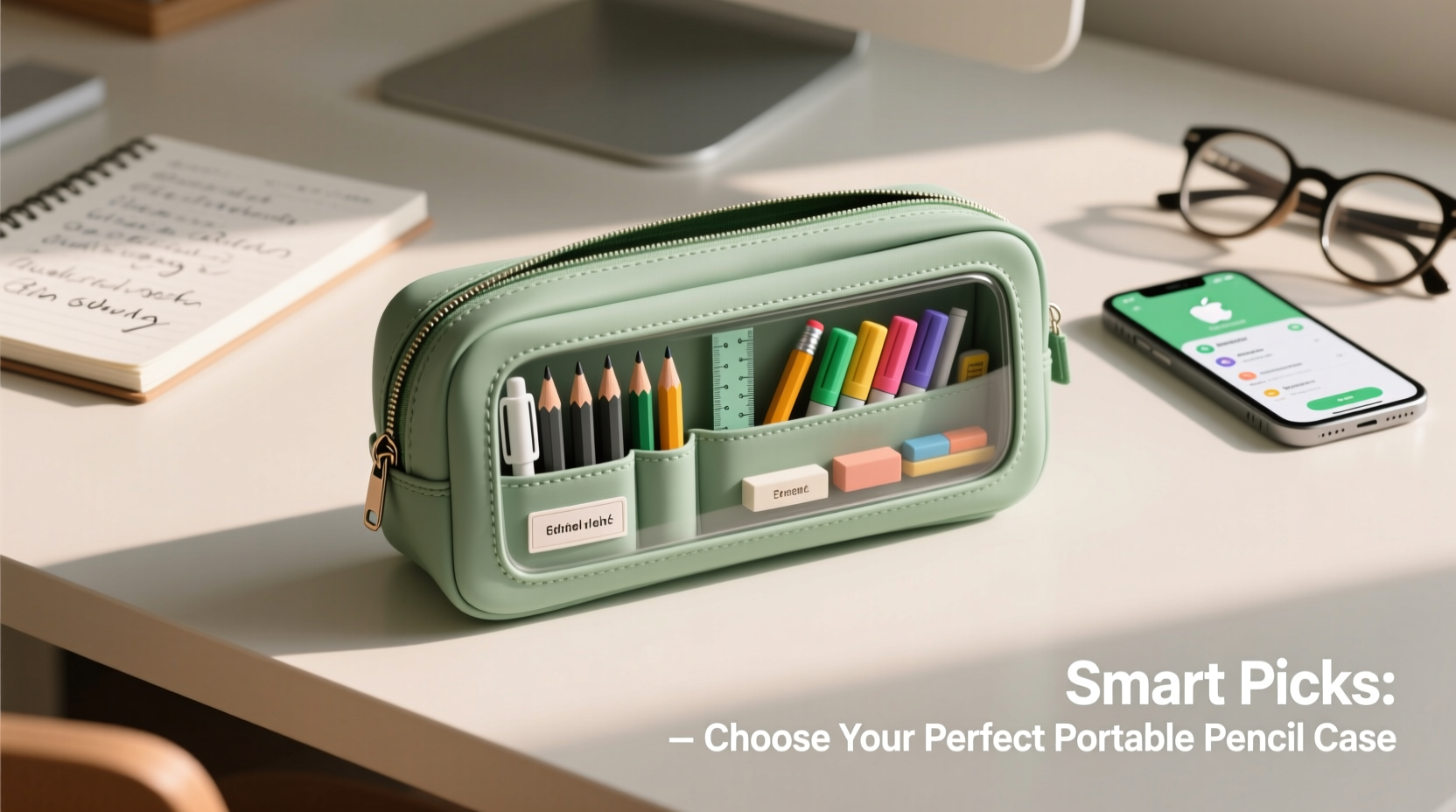
The first step in choosing a pencil case is understanding what you actually need to carry. Students in elementary school may only require a few pencils, an eraser, and a ruler. In contrast, high school or college students often carry specialized tools like mechanical pencils, highlighters, colored pens, correction fluid, compasses, and small rulers. Overpacking a small case leads to strain on zippers and disorganization; underutilizing a large one wastes space and adds unnecessary bulk.
Take inventory of your typical school-day essentials. Lay them out on a table and group them by frequency of use. Core items (daily) should be easily accessible, while occasional tools (like a protractor or spare batteries) can go in secondary compartments.
Tip: Use a trial week with a temporary container to track exactly which items you use each day before committing to a new pencil case.Material Matters: Balancing Durability and Weight
Pencil cases come in various materials—each with distinct advantages and trade-offs. The most common include fabric, plastic, metal, and leather. Your choice should reflect your lifestyle, how roughly the case will be handled, and whether weight is a concern.
| Material | Pros | Cons |
|---|---|---|
| Fabric (Nylon, Polyester) | Lightweight, affordable, wide design variety | Less water-resistant, may wear at stress points |
| Plastic (PVC, TPU) | Easy to clean, water-resistant, rigid structure | Bulkier, less eco-friendly, can crack over time |
| Metal (Aluminum) | Extremely durable, sleek appearance | Heavy, noisy, expensive, limited shape options |
| Leather or Faux Leather | Elegant, long-lasting, develops character over time | Higher cost, requires maintenance, heavier than fabric |
For younger students or those with heavy backpacks, lightweight nylon or polyester cases are ideal. Older students who value longevity and aesthetics might prefer faux leather or aluminum models. If you frequently work outdoors or in messy environments (e.g., art class), consider water-resistant plastic or coated fabrics.
“Students who use durable, well-structured cases report fewer instances of lost or damaged supplies over a semester.” — Dr. Lena Patel, Educational Psychologist and Learning Environment Researcher
Design and Organization: Maximize Functionality
A good pencil case isn’t just about holding items—it’s about organizing them effectively. Look for features that enhance usability:
- Multiple compartments: Separate sections for pens, pencils, erasers, and small tools reduce clutter.
- Interior mesh pockets: Keep tiny items like paper clips or USB drives from getting lost.
- Pen loops or elastic bands: Prevent rolling and protect delicate nibs.
- Clear front panels: Allow quick identification of contents without opening.
- Wide zipper openings: Make it easier to access all items, especially in tight spaces.
Flat cases are great for slipping into notebooks or folders, while cylindrical or boxy designs offer more volume. Consider your storage method: if you keep your pencil case inside a binder, a slim, flat design works best. For backpack-only storage, a three-dimensional case with internal dividers provides better organization.
Mini Case Study: From Chaos to Control
Sophia, a 10th-grade student, used a single-pocket fabric pouch that constantly spilled pens into her backpack. She’d often arrive at class missing a calculator or dry highlighters. After switching to a two-tiered, zippered case with elastic pen holders and a mesh pocket for small items, she reported a noticeable improvement in preparedness. “I’m not wasting time digging anymore,” she said. “Everything has its place, and I actually remember to refill what I run out of.”
Portability and Integration with School Gear
Your pencil case should complement—not complicate—your daily routine. Consider how it interacts with your backpack, locker, and classroom seating.
Some pencil cases come with carabiners or external loops, allowing them to clip onto backpack straps or hang inside lockers. Others feature built-in handles or wrist straps for easy carrying during lab rotations or group work. If you frequently move between classrooms, these small features can significantly improve convenience.
Also, think about noise. Metal zippers on flimsy fabric can be loud when opened quickly—potentially disruptive in quiet study halls. Opt for double-zipper pulls with soft stops or padded cases that muffle sound.
Step-by-Step Guide: Choosing Your Ideal Pencil Case
- Inventory your supplies: List all writing tools and accessories you use weekly.
- Determine preferred size: Test-fit items in different case shapes (flat, round, rectangular).
- Choose material: Prioritize durability vs. weight based on your carrying habits.
- Check organizational features: Ensure there are dedicated spots for each tool type.
- Test portability: Simulate real-world use—slip it into your backpack, open it on a desk, clip it to a strap.
- Consider aesthetics: Pick a color or design that motivates you to use and maintain it.
- Set a budget: Quality cases range from $5–$25; invest more if you expect heavy daily use.
Essential Checklist Before You Buy
Before purchasing, verify the following:
- ✅ Fits all essential tools without overstuffing
- ✅ Made from durable, easy-to-clean material
- ✅ Has secure closure (double zipper recommended)
- ✅ Includes internal organization (pockets, loops, dividers)
- ✅ Lightweight enough to carry daily
- ✅ Compatible with your backpack or notebook setup
- ✅ Quiet zipper operation for classroom settings
- ✅ Easy to label (for lost-and-found scenarios)
Frequently Asked Questions
Can I use a pencil case for more than just pens and pencils?
Absolutely. Many students repurpose pencil cases for makeup, tech accessories (like charging cables and USB drives), sewing kits, or medication organizers. Just ensure the interior lining is wipeable and the case is appropriately sized for non-writing items.
How do I clean my pencil case?
For fabric cases, remove all contents and spot-clean with mild soap and a damp cloth. Air dry completely. Plastic or metal cases can be wiped down with disinfectant wipes. Avoid submerging any case with glued seams, as this may cause delamination.
Are transparent pencil cases better for school?
In some schools, clear cases are required for security reasons—especially in exam settings. Even where not mandatory, transparent or semi-transparent designs help teachers and students quickly verify contents, reducing delays during supply checks.
Make the Smart Choice Today
Choosing the best portable pencil case isn’t about picking the trendiest design or the cheapest option—it’s about matching functionality to your real-world needs. The right case reduces daily friction, protects valuable tools, and supports a more focused, organized mindset. Whether you're a middle schooler building good habits or a college student managing complex coursework, investing time in selecting the right pencil case pays off in productivity and peace of mind.
💬 Found your perfect pencil case? Share your top feature in the comments—help fellow students make smarter choices!