Dressing up dogs has become a cultural phenomenon. From birthday parties to holiday photoshoots, pet owners love adorning their furry companions in stylish outfits. Among the most eye-catching options are sequin dresses—glittering, vibrant, and undeniably festive. But while humans may be dazzled by the shimmer, the real question is: does any of it matter to the dog wearing it? Is a sequin dress functionally different from a plain one? And more importantly, could flashy fashion choices affect your dog’s well-being?
The answer isn’t as simple as “dogs don’t care.” While dogs don’t judge fashion, they do respond to texture, fit, movement, and restriction. Understanding the difference between a sequin and a plain dog dress goes beyond aesthetics—it’s about comfort, sensory experience, and responsible pet ownership.
Material and Texture: How Dogs Experience Clothing
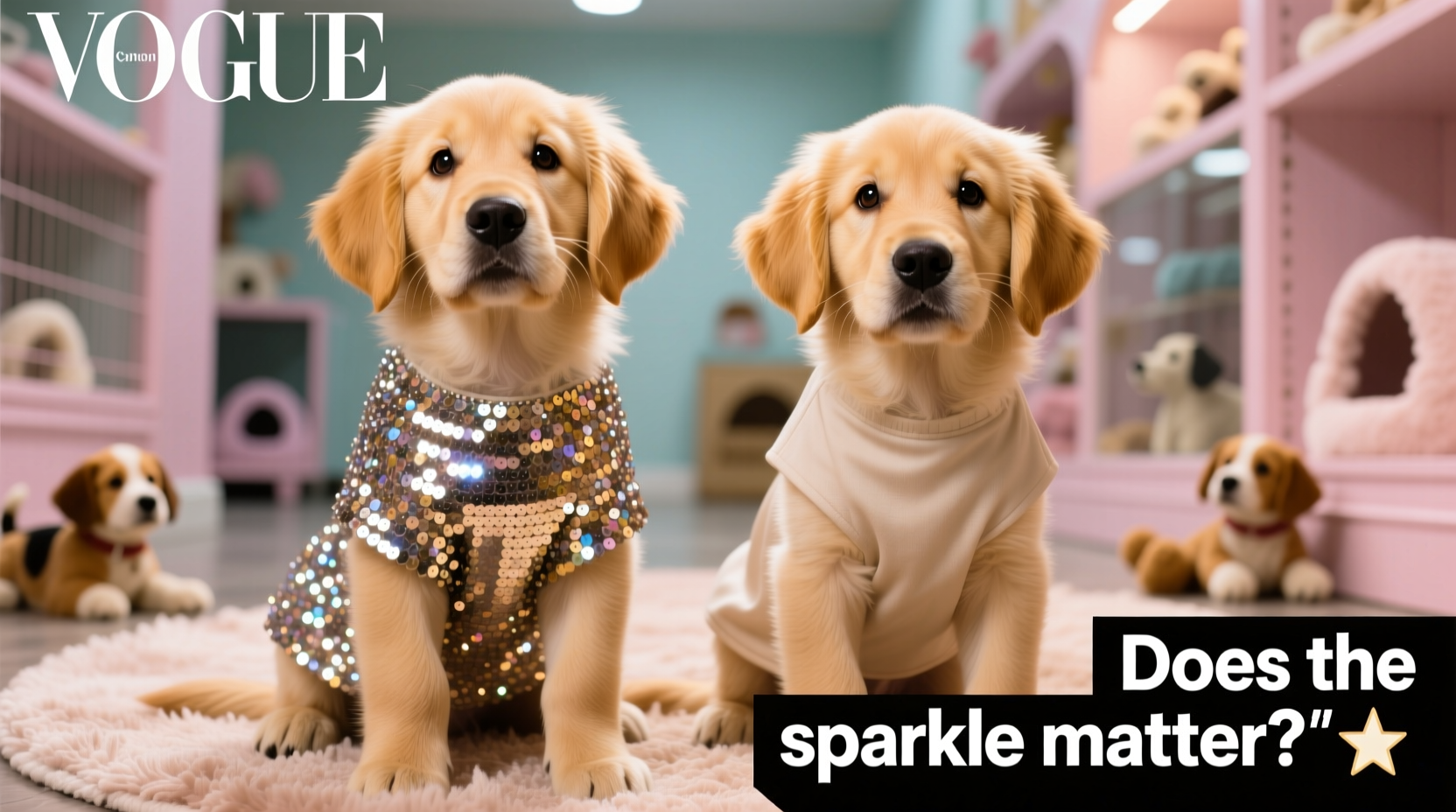
Dogs perceive clothing through touch, sound, and freedom of movement. Unlike humans, they can't appreciate visual beauty in the same way. A sequin dress may look stunning on Instagram, but if it rustles loudly or feels stiff against the skin, your dog might find it unsettling.
Sequins are typically made from plastic or metal-coated polyester and are sewn onto fabric with tight stitching. This creates a surface that is:
- Less breathable – Traps heat more than lightweight cotton or mesh.
- Noisier – Can produce subtle crinkling sounds with every step.
- Rougher in texture – May irritate sensitive skin or cause discomfort during prolonged wear.
In contrast, plain dog dresses made from soft cotton, jersey, or stretchy knit fabrics tend to be smoother, quieter, and more flexible. These materials move with the dog, reducing chafing and allowing for natural posture and gait.
Tip: Always test a new garment for 5–10 minutes first. Watch for signs of stress like scratching, tucking the tail, or trying to remove the outfit.Comfort vs. Aesthetics: What Should Come First?
It’s easy to get caught up in creating the perfect photo op. However, prioritizing appearance over comfort can lead to negative associations with clothing. If your dog learns that wearing a dress means being restricted, overheating, or feeling itchy, they may resist getting dressed in the future—even for practical reasons like raincoats or recovery suits.
Veterinary behaviorists emphasize that repeated exposure to uncomfortable stimuli can contribute to anxiety. Dr. Karen Overall, a renowned veterinary behaviorist, notes:
“Animals learn through association. If dressing becomes linked with irritation or restraint, it undermines trust and cooperation.” — Dr. Karen Overall, DVM, PhD, Diplomate ACVB
This doesn’t mean you can’t dress your dog. It means choosing garments that respect their physical and emotional needs. A plain dress that allows full range of motion and doesn’t overheat is far more ethical—and often more practical—than a dazzling but restrictive sequined alternative.
Comparative Analysis: Sequin vs Plain Dog Dress
| Feature | Sequin Dress | Plain Dress |
|---|---|---|
| Breathability | Poor – layered materials trap heat | Good – especially with cotton or linen |
| Skin Sensitivity Risk | High – rough edges may scratch or irritate | Low – smooth fabrics reduce friction |
| Mobility | Limited – stiffer construction restricts movement | High – flexible cuts allow running and sitting |
| Cleaning & Maintenance | Difficult – hand wash only; sequins can fall off | Easier – machine washable in many cases |
| Durability | Low – sequins snag and detach easily | High – fewer decorative elements to damage |
| Dog Acceptance | Variable – depends on noise and texture sensitivity | Generally higher – softer and quieter |
Real-Life Example: Bella the Shih Tzu at the Holiday Party
Bella, a 4-year-old Shih Tzu, was dressed in a red sequin holiday dress for her family’s Christmas gathering. The outfit looked adorable in photos, but within 15 minutes, Bella began pawing at her chest, avoiding other guests, and refusing treats—a clear sign of distress.
Her owner switched her into a plain velvet dress of similar cut but without embellishments. Immediately, Bella relaxed, wagged her tail, and resumed socializing. The difference wasn’t the color or design—it was the sensation. The sequins had created micro-abrasions along her undercoat and produced a faint rustling noise that heightened her alertness.
This case illustrates a key principle: dogs react to how clothes feel, not how they look. Visual appeal matters to us, but tactile feedback governs their experience.
When (and How) to Use a Sequin Dress Responsibly
There’s no need to banish sequins entirely. For special events lasting under 30 minutes—such as a quick photoshoot or a brief outdoor walk—they can be used safely, provided certain precautions are taken.
- Limited Wear Time: Never leave a sequin dress on for more than 20–30 minutes.
- Supervision Required: Monitor your dog closely for signs of discomfort.
- Check for Loose Sequins: These can be chewed off and pose a choking hazard.
- Pre-test at Home: Let your dog wear the dress in a familiar environment before using it publicly.
- Have a Backup Outfit: Keep a plain, comfortable alternative ready in case the sequin option doesn’t work.
Essential Checklist: Choosing the Right Dog Dress
- ✅ Measure your dog accurately (neck, chest, length)
- ✅ Prioritize soft, stretchy, breathable fabrics
- ✅ Ensure unrestricted leg and tail movement
- ✅ Avoid glued-on decorations or sharp embellishments
- ✅ Opt for secure but adjustable fastenings (Velcro, snaps, or ties)
- ✅ Test for noise and texture response before extended use
- ✅ Limit flashy outfits to short-duration events
Frequently Asked Questions
Can dogs be allergic to sequins?
While dogs aren’t typically allergic to sequins themselves, the materials used (like PVC or metal coatings) can cause contact dermatitis in sensitive individuals. Additionally, dyes in the fabric beneath sequins may trigger reactions. Always watch for redness, itching, or rashes after dressing your dog.
Do dogs hate wearing clothes?
Not all dogs dislike clothing. Many adapt well, especially if introduced gradually and paired with positive reinforcement. However, breeds with thick coats (like Huskies) or strong working instincts (like Border Collies) may find clothing unnatural and stressful. Respect individual preferences—some dogs simply prefer to stay au naturel.
Is it safe for dogs to wear dresses outside?
Only in controlled conditions. Avoid long outdoor wear, especially in wet or muddy environments. Dirt can get trapped under sequins, leading to skin infections. Also, avoid extreme temperatures—dresses offer little insulation and can increase overheating risk in sun-exposed areas.
Final Thoughts: Style With Responsibility
The sparkle of a sequin dress may catch the eye, but it doesn’t enhance your dog’s life. What truly matters is how the garment feels on their body, how freely they can move, and whether they remain calm and happy while wearing it. Fashion should never come at the cost of comfort or well-being.
If you choose a sequin dress, treat it like occasional jewelry—reserved for brief moments and removed promptly. For everyday use, playdates, or longer events, a plain, well-fitted dress made from gentle fabric will serve your dog better. After all, the best accessory your pup wears is confidence, ease, and the joy of being themselves.
🚀 Ready to make smarter pet fashion choices? Re-evaluate your dog’s wardrobe with comfort in mind. Share this article with fellow pet lovers to spread awareness—because true style includes compassion.