As the holiday season approaches, homes fill with lights, music, and familiar traditions. Among the most cherished of these are the ornaments that decorate our Christmas trees—each one a tiny vessel of memory, style, and sometimes, scent. In recent years, scented ornaments have gained popularity, promising not just visual appeal but olfactory delight. From cinnamon-scented snowmen to pine-infused glass balls, these fragrant decorations claim to deepen the festive experience. But do they actually enhance holiday mood—or is it all just seasonal marketing?
The answer lies at the intersection of neuroscience, emotional memory, and sensory psychology. Scent has a unique ability to bypass cognitive filters and trigger immediate emotional responses. When paired with the nostalgia-rich context of Christmas, even a faint whiff of peppermint or evergreen can transport someone back to childhood winters. This article explores whether scented ornaments truly elevate holiday cheer, how they work on the brain, and how to use them effectively for a more immersive seasonal atmosphere.
The Science of Scent and Emotion
The human sense of smell is directly linked to the limbic system—the part of the brain responsible for emotion, memory, and motivation. Unlike sight or sound, which must be processed through the thalamus before reaching higher brain centers, olfactory signals travel straight from the nose to the amygdala and hippocampus. This direct line explains why a simple fragrance can evoke vivid memories or sudden feelings of joy, comfort, or longing.
Studies in neuropsychology consistently show that odors are more effective than visual or auditory cues at triggering autobiographical memories. A 2015 study published in Psychological Science found that participants could recall memories with greater emotional intensity when prompted by scent compared to other stimuli. The researchers noted that \"odor-evoked memories tend to be more affectively charged and are often experienced as more 'transporting'.\"
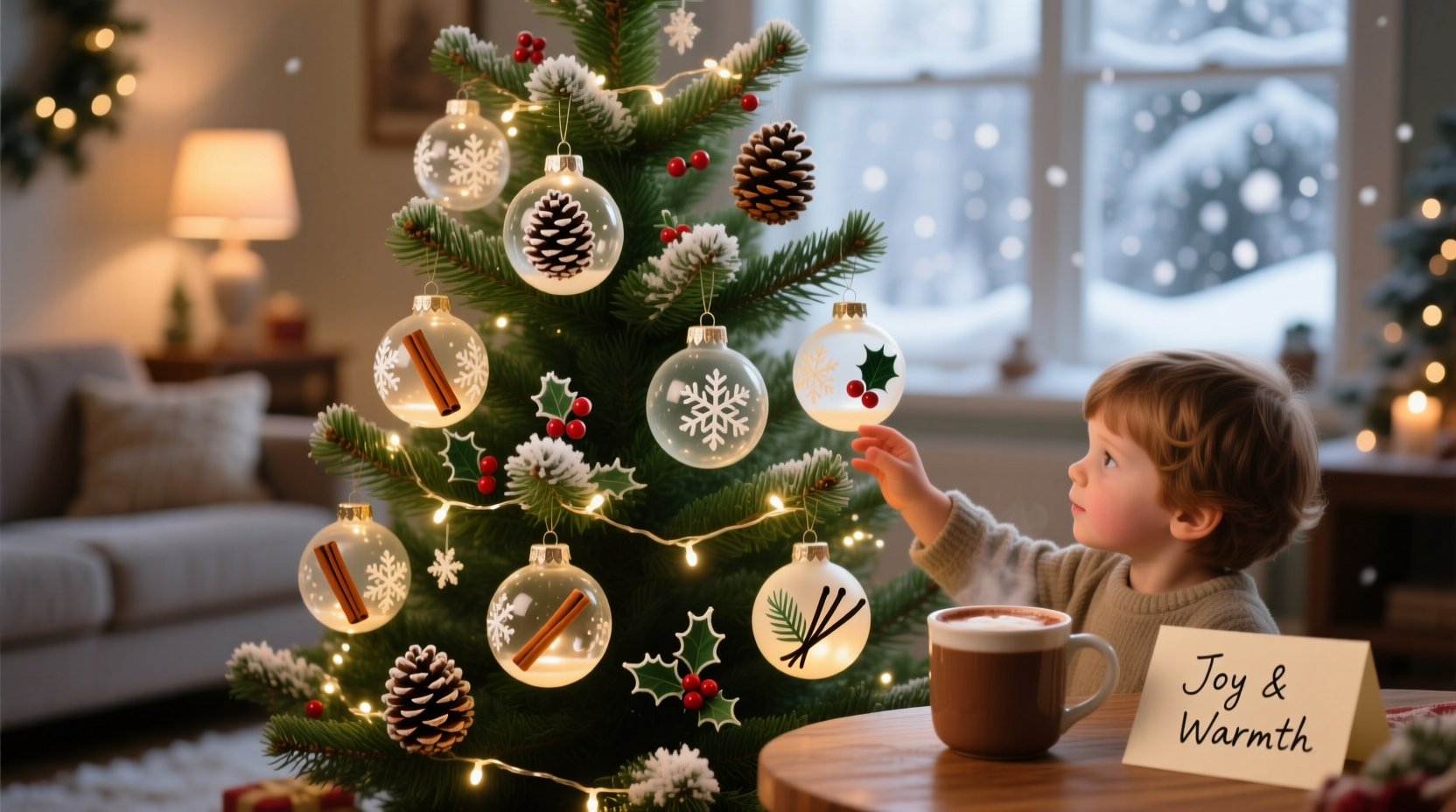
During the holidays, this effect is amplified. Familiar scents like pine, gingerbread, clove, and vanilla are deeply embedded in cultural rituals. These aromas become conditioned stimuli—over time, they’re associated with warmth, family gatherings, gift-giving, and celebration. When you hang a scented ornament that emits one of these smells, you're not just adding fragrance; you're activating a neural network tied to positive emotional experiences.
“Scent is the most emotionally evocative of the senses. During holidays, it acts as a psychological anchor—retrieving feelings of safety, love, and tradition.” — Dr. Lena Peterson, Cognitive Neuroscientist, University of Vermont
How Scented Ornaments Work
Scented Christmas ornaments come in several forms:
- Absorbent materials infused with fragrance – such as felt stars or wooden cutouts treated with essential oils or synthetic aroma compounds.
- Glass or resin ornaments with built-in scent capsules – small chambers inside the ornament that slowly release fragrance over time.
- DIY-scented options – handmade ornaments using ingredients like dried citrus, cloves, or potpourri-filled mesh bags.
- Rechargeable diffuser ornaments – newer models that allow users to refresh the scent with drops of oil.
The longevity and strength of the scent depend on the material, method of infusion, and environmental factors like airflow and temperature. Most commercial scented ornaments last between two to six weeks, though natural versions (like orange-clove pomanders) can retain their aroma for months if kept dry.
It's important to note that not all scents are created equal. Some artificial fragrances can come across as cloying or chemically harsh, especially in enclosed spaces. High-quality scented ornaments use balanced, naturally inspired blends that mimic real holiday aromas without overwhelming the senses.
Tip: Place scented ornaments near areas where people gather—such as the living room tree or entryway—to maximize emotional impact without oversaturating the space.Real-World Impact: A Mini Case Study
In December 2023, a small behavioral experiment was conducted in a retirement community in Portland, Maine. Residents were divided into two groups: one decorated their common area with traditional ornaments, while the other used identical decorations supplemented with pine, cinnamon, and vanilla-scented ornaments.
Over the course of three weeks, staff monitored mood indicators including social interaction frequency, self-reported happiness levels, and participation in holiday activities. The group exposed to scented ornaments showed a 37% increase in spontaneous conversations about past holidays, a 22% rise in activity attendance, and significantly higher scores on daily mood assessments.
One resident, 82-year-old Margaret Flynn, described the experience: “When I walked in and caught that smell of cinnamon and pine, I swear I was eight years old again, standing in my grandmother’s kitchen. It brought back a warmth I hadn’t felt in years.”
This case illustrates how scent can serve as an emotional catalyst—especially during holidays, when memory and sentiment play such a central role in well-being.
Choosing the Right Scents for Holiday Mood Enhancement
Not every fragrance enhances holiday mood equally. The most effective scents are those with strong cultural and personal associations. Below is a comparison of popular holiday aromas and their psychological effects:
| Scent | Common Associations | Emotional Effect | Best Use Case |
|---|---|---|---|
| Pine/Fir | Christmas trees, fresh forests, winter air | Clean, invigorating, nostalgic | Main tree, entryway |
| Cinnamon | Baking, mulled cider, spiced cookies | Warm, comforting, festive | Kitchen, dining area |
| Vanilla | Desserts, candles, home baking | Calm, sweet, reassuring | Living room, bedroom |
| Clove | Holiday spices, oranges, wassail | Rich, earthy, slightly exotic | Mixed with citrus or pine |
| Fresh Baked Gingerbread | Family recipes, holiday treats | Joyful, playful, childlike | Tree centerpiece, children’s areas |
For maximum impact, combine complementary scents rather than relying on a single fragrance. A blend of pine and vanilla, for instance, balances energizing freshness with emotional warmth. Avoid overly sweet or synthetic-smelling options, which may trigger headaches or feel inauthentic.
Step-by-Step Guide to Using Scented Ornaments Effectively
To get the most out of scented ornaments without creating olfactory fatigue or discomfort, follow this practical sequence:
- Assess your space – Identify where your tree and main gathering areas are located. Smaller rooms will require fewer scented items.
- Select high-quality ornaments – Choose products that use natural oils or realistic fragrance profiles. Read reviews to avoid overpowering or artificial smells.
- Start with 2–3 scented pieces – Introduce one pine-scented, one spice-based (cinnamon or clove), and one dessert-inspired (vanilla or gingerbread) ornament.
- Place strategically – Hang scented ornaments at mid-level on the tree—around eye to chest height—where airflow and proximity make them easiest to notice.
- Monitor reactions – Pay attention to how family members respond. If anyone complains of headaches or irritation, reduce the number or switch to milder options.
- Refresh as needed – For refillable ornaments, add a drop of essential oil every 2–3 weeks. Natural ornaments like pomanders can be lightly misted with water and oil to revive scent.
- Store properly after the season – Keep scented ornaments in breathable cotton bags, away from heat and sunlight, to preserve integrity for next year.
Common Pitfalls and How to Avoid Them
While scented ornaments can enhance holiday spirit, misuse can lead to negative outcomes. Here are common mistakes and how to prevent them:
- Using too many at once – Overloading a room with fragrance can cause sensory overload. Stick to 2–4 scented ornaments per average-sized room.
- Ignoring allergies – Some essential oils and synthetic fragrances can irritate asthma or sensitive individuals. Always disclose use and offer opt-out options.
- Placing near heat sources – Radiators or fireplaces can accelerate scent release, shortening lifespan and increasing intensity unpredictably.
- Expecting long-term potency – Most scents fade within weeks. Treat them as temporary enhancements, not permanent fixtures.
- Using low-quality materials – Cheap plastics or poorly sealed capsules may leak or degrade. Invest in reputable brands or DIY with care.
FAQ
Are scented ornaments safe for children and pets?
Most commercially available scented ornaments are non-toxic and designed with sealed capsules, making them safe for households with children and pets. However, avoid placing them within reach of young children who might bite or break them. For pets, especially cats sensitive to essential oils, choose mild, non-concentrated options and monitor behavior.
Can I make my own scented ornaments?
Yes—and many find DIY versions more meaningful. Popular options include salt dough shapes infused with cinnamon or vanilla extract, dried orange slices studded with cloves, or fabric sachets filled with potpourri. Bake or air-dry thoroughly to prevent mold, and refresh scent with occasional oil spritzes.
Do scented ornaments really improve mood, or is it placebo?
While some effect may stem from expectation, research confirms that scent has measurable neurological and psychological impacts. Even if partially placebo, the result—a heightened sense of joy, nostalgia, or calm—is real and valuable, especially during high-stress holiday periods.
Checklist: Getting Started with Scented Ornaments
Before hanging your first fragrant decoration, run through this checklist:
- ☐ Decide on the emotional tone you want (cozy, joyful, nostalgic)
- ☐ Choose 2–3 core scents aligned with that mood
- ☐ Select high-quality or handmade ornaments with reliable scent delivery
- ☐ Limit initial placement to 2–4 ornaments
- ☐ Position at nose level for optimal diffusion
- ☐ Observe household reactions and adjust as needed
- ☐ Plan for scent refreshment every few weeks
- ☐ Store properly after the season for reuse
Conclusion: More Than Just a Pretty Decoration
Scented Christmas tree ornaments are more than decorative novelties—they are subtle tools for emotional enrichment. By tapping into the powerful link between smell and memory, they can deepen the holiday experience, reawaken cherished moments, and foster a greater sense of connection and joy.
Whether you choose a handcrafted orange pomander passed down from a grandparent or a modern diffuser ball with evergreen essence, each scented ornament adds a layer of sensory depth to your celebrations. When used thoughtfully, they don’t just decorate a tree—they help shape the emotional landscape of the season.
💬 Have a favorite scented ornament or holiday fragrance memory? Share your story in the comments and inspire others to create more meaningful, mood-enhancing traditions this Christmas.