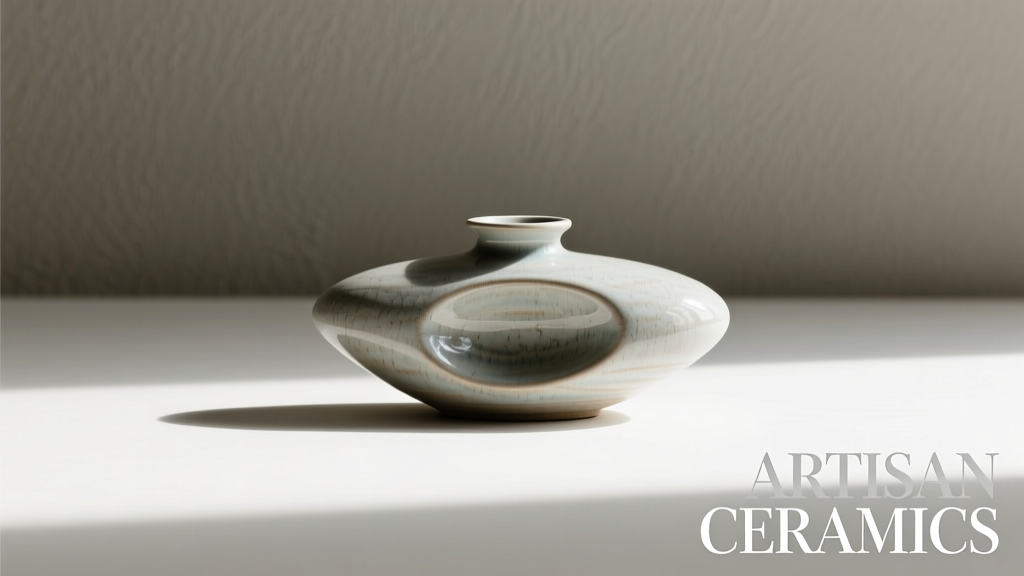
Different Types of Ribbed Plant Pots
Ribbed plant pots are a popular choice among gardeners and interior designers due to their unique textured design, enhanced structural strength, and aesthetic appeal. The ribbed pattern not only adds visual interest but also improves airflow and root development in some cases. Available in a variety of materials, each type of ribbed pot offers distinct advantages in terms of durability, weight, environmental impact, and style. Below is a comprehensive breakdown of the most common types of ribbed plant pots and their ideal applications.
Ribbed Ceramic Pots
Handcrafted from natural clay and fired at high temperatures, ribbed ceramic pots combine timeless elegance with functional design. Their weight provides excellent stability for top-heavy plants, while the porous material allows for breathability, helping regulate soil moisture.
Advantages
- Highly durable and long-lasting
- Attractive matte or glossy finishes available
- Natural, eco-friendly material
- Excellent for indoor and outdoor décor
- Good thermal mass helps regulate root temperature
Limitations
- Heavy and difficult to move when planted
- Can crack in freezing temperatures
- More expensive than plastic alternatives
- Fragile—can break if dropped
Best for: Indoor houseplants, patios, garden accents, and decorative displays where stability and aesthetics are key
Ribbed Plastic Pots
Made from durable polypropylene or recycled plastics, ribbed plastic pots are lightweight, affordable, and widely used in both home gardening and commercial nurseries. Their modern ribbed texture enhances grip and adds a contemporary look to any space.
Advantages
- Extremely lightweight and easy to transport
- Available in a wide range of colors and sizes
- Shatterproof and impact-resistant
- Ideal for temporary or seasonal plantings
- Affordable for large-scale use
Limitations
- Less environmentally sustainable if not recycled
- Can degrade under prolonged UV exposure
- Less breathable than natural materials
- May appear less premium compared to ceramic or metal
Best for: Urban gardening, balcony planters, greenhouse propagation, and budget-friendly indoor arrangements
Ribbed Fiber Pots
Constructed from natural fibers such as coconut coir, jute, or recycled paper, ribbed fiber pots are biodegradable and designed to promote healthy root systems. The ribbed structure supports the pot's shape while allowing air pruning, which encourages stronger root branching.
Advantages
- Eco-friendly and compostable
- Excellent breathability for roots
- Promotes air pruning and reduces root circling
- Lightweight and easy to handle
- Natural aesthetic complements organic gardening
Limitations
- Shorter lifespan—breaks down over time
- Requires consistent watering (dries out faster)
- Not ideal for permanent outdoor use in wet climates
- Limited structural strength compared to rigid pots
Best for: Sustainable gardening, seedling starters, temporary plantings, and eco-conscious homeowners
Ribbed Metal Pots
Typically made from galvanized steel, aluminum, or stainless steel, ribbed metal pots offer industrial-chic style with exceptional durability. The ribbed design reinforces the structure and adds visual texture, making them a favorite in modern and minimalist landscapes.
Advantages
- Extremely durable and long-lasting
- Resistant to pests, rot, and cracking
- Modern, sleek appearance ideal for contemporary spaces
- Can be used indoors and outdoors year-round
- Often includes protective coatings to prevent rust
Limitations
- Poor insulation—can overheat roots in direct sun
- May rust over time without proper maintenance
- Conducts cold, which can harm roots in winter
- Higher cost compared to plastic or fiber options
Best for: Urban rooftops, modern interiors, commercial landscapes, and industrial-style décor
| Type | Durability | Weight | Eco-Friendliness | Best Use Case |
|---|---|---|---|---|
| Ribbed Ceramic | High | Heavy | High | Decorative indoor/outdoor use |
| Ribbed Plastic | Medium | Very Light | Low | Budget-friendly and portable plantings |
| Ribbed Fiber | Low-Medium | Light | Very High | Sustainable and temporary gardening |
| Ribbed Metal | Very High | Medium-Heavy | Medium | Modern and industrial settings |
Expert Tip: For metal and ceramic pots, consider using a liner (such as a plastic insert or coco coir sleeve) to protect plant roots from temperature extremes and improve moisture retention. This is especially helpful in climates with intense sun or cold winters.
Design of Ribbed Plant Pots: Aesthetic and Functional Excellence
Ribbed plant pots have emerged as a favorite among interior designers, gardeners, and homeowners due to their elegant form and enhanced functionality. These pots combine visual appeal with practical benefits, making them ideal for both indoor and outdoor plant displays. Their structured design not only elevates the look of any space but also supports healthier plant growth through improved airflow and structural stability.
The Ribbed Pattern: Form Meets Function
Architectural Aesthetics
The vertical or horizontal ribbing on plant pots creates dynamic light and shadow effects that enhance the visual depth of the container. This architectural detail adds sophistication and modernity, making ribbed pots a stylish choice for contemporary, minimalist, and mid-century modern interiors.
The clean, repetitive lines draw attention to the shape of the pot and subtly frame the plant, allowing foliage to stand out while contributing to a sense of rhythm and balance in home decor.
Functional Benefits
Beyond aesthetics, the ribbed texture improves air circulation around the pot’s surface, promoting better soil aeration and reducing moisture buildup on the exterior. This can help prevent mold and mildew, especially in humid environments.
The raised ridges also provide a tactile grip, making the pots easier to handle when moving or rotating them for even sunlight exposure. Additionally, the structure reinforces the pot’s durability, particularly in ceramic and composite materials, helping resist cracking under pressure or temperature changes.
Color and Finish: Enhancing Style and Plant Visibility
Variety of Colors
Ribbed plant pots are available in a broad spectrum of colors to suit any design theme. Classic neutrals like matte white, charcoal black, and warm terracotta blend seamlessly into most interiors, while bold hues such as cobalt blue, sunflower yellow, and emerald green add vibrant accents to living spaces.
Color selection plays a key role in highlighting specific plant types—cool tones complement variegated leaves, while warm finishes enhance trailing vines or flowering species.
Surface Finishes
The finish of a ribbed pot significantly impacts its overall appearance and texture. Glossy finishes reflect light, adding a sleek, polished look ideal for modern settings. Matte finishes offer a soft, understated elegance that fits well in Scandinavian or Japandi-style homes.
Textured or sandblasted surfaces enhance the tactile experience and amplify the shadow-play effect of the ribs, adding depth and visual interest. Some premium pots even feature dual-tone or gradient finishes for a unique, artisanal touch.
Size and Shape: Versatility for Every Plant Need
| Size Category | Diameter Range | Ideal For |
|---|---|---|
| Mini/Nursery | 2–6 inches | Seedlings, succulents, herbs |
| Medium | 7–10 inches | Indoor foliage plants (e.g., pothos, snake plants) |
| Large/Floor | 11–24 inches | Tall houseplants (e.g., fiddle leaf fig, monstera) |
Ribbed plant pots are designed with scalability in mind, offering sizes from small starter pots to oversized floor planters. Most maintain a consistent ribbed pattern across dimensions, ensuring design continuity in multi-pot arrangements.
While the classic round shape dominates the market for its balanced proportions and even root development, innovative designs now include square or rectangular pots with softened edges and corner ribs. These geometric variations fit well in urban apartments and modern office spaces, where space optimization and clean lines are prioritized.
Drainage Holes and Saucers: Supporting Plant Health
Important: Always assess the watering needs of your plant before choosing a pot with or without drainage. Overwatering in non-draining pots is a leading cause of plant death. If using a pot without holes, water sparingly and avoid letting the plant sit in standing water. For best results, pair ribbed pots with appropriate soil types and monitor moisture regularly.
Function and Usage of Ribbed Plant Pots
Ribbed plant pots are more than just decorative containers—they are engineered solutions that support healthy plant growth and enhance both indoor and outdoor environments. Their unique design combines aesthetic appeal with functional benefits, making them ideal for a wide range of gardening applications. From nurturing delicate seedlings to supporting mature plants, ribbed pots offer superior root development, stability, and adaptability across various settings.
Indoor & Outdoor Applications
Ribbed plant pots are highly versatile, suitable for use in both indoor and outdoor environments. Their structured design allows them to seamlessly integrate into modern, traditional, and minimalist spaces.
- Indoor use: Perfect for homes, offices, restaurants, and shopping malls, where greenery improves air quality and enhances visual appeal.
- Outdoor use: Ideal for patios, gardens, balconies, and entryways, where they support flowering plants, shrubs, ferns, and small trees.
- Design flexibility: The ribbed texture adds architectural interest and complements a variety of décor styles—from rustic to contemporary.
- Climate resilience: Durable materials like polypropylene or fiberglass withstand UV exposure, temperature changes, and moisture fluctuations.
Design tip: Group ribbed pots in varying heights and diameters to create dynamic visual interest in any space.
Seedling and Small Plant Cultivation
Starting plants from seeds or cuttings requires containers that promote strong root development. Ribbed plastic pots are the preferred choice among nurseries and home gardeners for early-stage plant growth.
- Optimal root guidance: Vertical ribs encourage roots to grow downward rather than circling, preventing girdling and promoting deeper root systems.
- Moisture retention: The compact size helps maintain consistent soil moisture, crucial for delicate seedlings.
- Portability: Lightweight construction makes it easy to move trays between light sources, greenhouses, or indoor grow stations.
- Air pruning effect: As roots reach the pot walls, they are naturally air-pruned at the rib grooves, stimulating branching and a denser root structure.
Pro tip: Use ribbed pots of 3–6 inches in diameter for seedlings to balance space efficiency and growth potential.
Repotting and Supporting Plant Growth
As plants mature, their root systems expand and require more space. Repotting into larger ribbed containers ensures continued healthy development and prevents root binding.
- Prevents root circling: Unlike smooth-walled pots, the internal ribs guide roots downward, reducing the risk of tangled, girdling roots that can choke the plant.
- Improved aeration: The structured design enhances airflow around the root zone, reducing the risk of root rot and promoting oxygen exchange.
- Easier transplanting: Roots grow along the ribs and are less likely to compact tightly, making removal and transfer to larger pots or garden beds smoother.
- Scalable design: Available in multiple sizes, ribbed pots allow for gradual upsizing as plants grow, minimizing transplant shock.
Key benefit: Ribbed pots support long-term plant health by creating an environment that mimics natural soil conditions.
Using Plant Pot Rings and Accessories
Ribbed plant pots are often used with pot rings or saucers, enhancing both functionality and aesthetics—especially in indoor settings.
- Stability and leveling: Pot rings help keep containers upright on uneven surfaces, preventing tipping and water spillage.
- Easy maintenance: Removable rings or trays make cleaning simple and protect floors from moisture damage.
- Decorative appeal: Coordinated rings in metal, ceramic, or woven finishes elevate the look of the pot, making them popular in home décor and retail displays.
- Commercial use: Home improvement stores and garden centers favor ribbed pots with matching rings due to their clean, organized appearance and customer appeal.
Interior design insight: Staggered arrangements of ribbed pots with uniform rings create a cohesive, professional look in lobbies and living spaces.
Expert Recommendation: For best results, pair ribbed plant pots with well-draining soil and a regular repotting schedule. Start seedlings in smaller ribbed containers, then transition to larger ones as plants grow. Indoors, place pots on matching rings to protect surfaces and enhance visual harmony. Outdoors, choose UV-resistant materials to ensure longevity and color retention.
| Application | Recommended Pot Size | Material Type | Key Benefits |
|---|---|---|---|
| Seedlings & cuttings | 3–6 inches | Plastic or biodegradable | Root guidance, moisture control, air pruning |
| Indoor houseplants | 6–12 inches | Polypropylene, ceramic, or fiberclay | Stability, aesthetics, compatibility with pot rings |
| Outdoor shrubs & small trees | 12–24 inches | Fiberglass, heavy-duty plastic, or concrete | Weather resistance, root structure support, durability |
| Commercial & retail display | 6–10 inches (uniform) | Plastic with matching rings | Visual consistency, easy maintenance, stackable |
Additional Advantages of Ribbed Plant Pots
- Enhanced Drainage: Many ribbed pots feature built-in drainage holes and elevated bases that prevent waterlogging.
- Eco-Friendly Options: Recycled plastics and biodegradable materials are increasingly available for environmentally conscious gardeners.
- Nesting Design: Some ribbed pots can be nested when empty, saving storage space and reducing shipping costs.
- Branding & Retail Appeal: Uniform rib patterns and clean lines make these pots ideal for branded garden product lines and attractive shelf displays.
- Root Health Monitoring: Transparent or semi-transparent ribbed pots allow growers to monitor root development without disturbing the plant.
How to Choose the Perfect Ribbed Plant Pot: A Complete Buyer’s Guide
Selecting the right ribbed plant pot goes beyond aesthetics—it’s about matching form, function, and material to your plant’s needs and your environment. Ribbed pots are not only stylish but also engineered to enhance airflow, structural integrity, and moisture regulation. This guide breaks down the key factors—material, size, design, and drainage—to help you make an informed decision that supports healthy plant growth and complements your space.
Important Note: Choosing the wrong pot can lead to root rot, stunted growth, or even plant death. Always match the pot type to your plant’s watering needs, root structure, and environmental conditions.
Material: Balancing Durability, Weight, and Moisture Control
The material of a ribbed plant pot significantly influences its performance, longevity, and suitability for different environments. Each material offers unique advantages depending on your plant type and location.
- Ceramic Pots: Known for their elegance and durability, ceramic pots are heavier, making them ideal for large indoor plants or outdoor use in windy areas. Their dense structure retains moisture longer, which benefits humidity-loving plants like ferns, peace lilies, and calatheas. However, they can be fragile and may crack in freezing temperatures.
- Metal Pots: Often made from galvanized steel or aluminum, metal pots are sturdy and modern-looking. They are best used as decorative outer pots with an inner plastic liner to prevent root damage from heat absorption. Not recommended for direct planting due to poor insulation and potential rusting over time.
- Plastic Pots: Lightweight and affordable, plastic ribbed pots are perfect for hanging planters, balcony gardens, or frequently moved indoor arrangements. They retain moisture well and resist cracking in cold weather. Look for UV-resistant plastic if using outdoors to prevent fading and brittleness.
- Fiber or Biodegradable Pots: Made from coconut coir, rice husks, or recycled paper, these eco-friendly options are excellent for outdoor gardening and temporary plantings. They allow excellent breathability and can be planted directly into the ground, reducing transplant shock. Ideal for seedlings, herbs, and seasonal flowers.
Pro Tip: If using non-porous materials like plastic or glazed ceramic, reduce watering frequency slightly to prevent overwatering, as these materials don’t allow moisture to evaporate through the sides.
Size: Matching Pot Dimensions to Plant Growth
Choosing the correct size is crucial for root development and long-term plant health. A pot that’s too small restricts growth, while one that’s too large can hold excess moisture and lead to root rot.
- Small Pots (4–8 inches in diameter): Ideal for seedlings, succulents, cacti, and small herbs like thyme or oregano. These are perfect for windowsills, desks, or propagation stations.
- Medium Pots (10–14 inches): Suitable for mature houseplants such as pothos, snake plants, or spider plants. Provides enough room for root expansion without excessive soil retention.
- Large Pots (16+ inches): Best for trees like fiddle leaf figs, rubber plants, or large palms. Ensure the pot is deep enough to support vertical root growth and wide enough for lateral spread.
A good rule of thumb is to choose a pot that is 1–2 inches larger in diameter than the current root ball. This allows room for growth while minimizing the risk of overwatering.
Design Consistency: Style Meets Function
The ribbed texture isn’t just a trendy design—it serves functional purposes that benefit plant health. The ridges increase surface area, promoting better air circulation around the pot and helping regulate soil temperature. This is especially beneficial in hot climates or sunny indoor spaces.
- Structural Strength: The ribbed pattern reinforces the pot walls, reducing the risk of cracking or warping—especially important in ceramic and plastic materials.
- Moisture Distribution: Ribs create micro-channels that help wick moisture evenly through the soil, preventing dry spots and improving root hydration.
- Aesthetic Versatility: While round ribbed pots are the most common and fit seamlessly into most decors, square, hexagonal, and tapered designs offer modern, architectural appeal. Consider your interior style—minimalist, rustic, or contemporary—when selecting shape and finish.
Ceramic and plastic ribbed pots dominate the market due to their balance of visual appeal, durability, and manufacturing precision. However, fiber and concrete options are gaining popularity for their natural textures and sustainability.
Drainage: The Key to Healthy Roots
Proper drainage is non-negotiable for most plants. Without it, water accumulates at the bottom, leading to oxygen deprivation and root rot—a common cause of plant death.
- Pots with Drainage Holes: These are the best choice for the majority of plants. They allow excess water to escape freely after watering. Always place a saucer, tray, or layer of gravel underneath to catch runoff and protect surfaces.
- Pots without Drainage Holes: Often used for decorative purposes, these require careful watering. Use a moisture meter or your finger to check soil depth before watering, and never let the plant sit in standing water. Consider adding a layer of pebbles or activated charcoal at the bottom to improve drainage.
For plants that require consistent moisture—like ferns or calatheas—a pot with drainage holes is still recommended, but you can control moisture by using a double-pot system (inner pot with holes, outer decorative pot without).
| Material | Best For | Moisture Retention | Weight | Durability |
|---|---|---|---|---|
| Ceramic | Indoor tropical plants, decorative displays | High | Heavy | High (but fragile) |
| Plastic | Hanging plants, outdoor containers, frequent movers | Medium-High | Light | Medium (UV-sensitive) |
| Fiber/Biodegradable | Outdoor gardens, seedlings, eco-conscious setups | Low-Medium | Very Light | Low (degrades naturally) |
| Metal | Decorative outer pots, modern interiors | Low (use with liner) | Medium | High (may rust) |
Expert Tip: When in doubt, opt for a ribbed plastic or ceramic pot with drainage holes. These offer the best balance of functionality, aesthetics, and ease of care for most indoor and outdoor plants.
Final Selection Checklist
- ✅ Match the pot material to your plant’s moisture and light needs
- ✅ Choose a size that allows 1–2 inches of growth space around the root ball
- ✅ Prioritize pots with drainage holes for healthy root systems
- ✅ Consider the ribbed design for added strength and improved airflow
- ✅ Ensure the pot complements your space while serving the plant’s needs
By thoughtfully selecting the right ribbed plant pot, you’re not just enhancing your décor—you’re creating an optimal growing environment that supports long-term plant health. Whether you're a beginner or a seasoned gardener, paying attention to material, size, design, and drainage will lead to happier, more vibrant plants.
Frequently Asked Questions About Ribbed Plant Pots
Q1: Can ribbed plant pots be used outdoors?Yes, ribbed plant pots are well-suited for outdoor use, especially when made from durable, weather-resistant materials such as high-density polyethylene (HDPE), fiberglass, ceramic, or metal. The ribbed design not only enhances aesthetic appeal but also adds structural strength, helping the pot resist cracking from temperature fluctuations, UV exposure, and moisture absorption.
Many ribbed pots are engineered to withstand harsh weather conditions, including rain, frost, and prolonged sunlight. To maximize longevity, choose pots labeled as UV-protected or frost-proof, particularly if you live in regions with extreme seasonal changes. Proper placement—such as avoiding waterlogged areas—can further extend their lifespan while enhancing garden, patio, or balcony decor.
Q2: How does one keep ribbed plastic pots from smelling?Unpleasant odors in ribbed plastic pots typically arise from waterlogged soil, which leads to anaerobic conditions that promote bacterial growth and root rot. When oxygen can't reach the roots due to poor drainage or overwatering, the soil emits a foul, musty, or sulfur-like smell.
To prevent this issue:
- Ensure proper drainage: Always use pots with drainage holes. If your ribbed pot lacks them, consider drilling a few at the base to allow excess water to escape.
- Avoid overwatering: Let the top inch of soil dry out between watering sessions. Use a moisture meter or your finger to test soil dampness before watering.
- Use well-draining soil: Mix in perlite, sand, or orchid bark to improve aeration and prevent compaction.
- Clean periodically: Empty and scrub the pot with a mild bleach solution (1 part bleach to 9 parts water) between plantings to eliminate odor-causing residues.
Maintaining a healthy root environment not only eliminates odors but also promotes stronger, more resilient plant growth.
Q3: Are ribbed plant pots appropriate for large plants?Yes, ribbed plant pots can be excellent choices for large plants—provided they are appropriately sized and constructed from sturdy materials. Larger plants, such as fiddle-leaf figs, olive trees, or tall palms, require deep, wide containers that offer stability and sufficient space for root development.
When selecting a ribbed pot for a large plant, consider the following:
- Material strength: Opt for ceramic, fiber-reinforced resin, or metal pots, which provide durability and weight to prevent tipping.
- Size proportion: The pot should be 2–4 inches larger in diameter than the plant’s root ball to allow room for growth without overwhelming the plant.
- Drainage: Ensure the pot includes adequate drainage to handle the higher water volume associated with large containers.
- Design benefits: The ribbed texture can enhance airflow around the pot and provide grip for easier handling during maintenance.
With the right selection, ribbed pots combine functionality and style, making them ideal for showcasing statement indoor or outdoor plants.
Q4: What types of plants can be grown in fiber pots?Fiber pots, often made from breathable materials like coconut coir, jute, or recycled fabric, are especially beneficial for plants that thrive in well-aerated soil and require consistent moisture without becoming waterlogged.
These pots promote "air pruning," a natural process where roots stop growing when they reach the edge of the container and are exposed to air, preventing root circling and encouraging denser, healthier root systems.
Ideal plants for fiber pots include:
- Vegetables: Tomatoes, peppers, and cucumbers benefit from the consistent moisture and aeration.
- Herbs: Basil, cilantro, and parsley, which prefer moist but not soggy soil.
- Flowering annuals: Petunias, marigolds, and zinnias that require good drainage and regular watering.
- Succulents and cacti (with caution): Only if paired with very fast-draining soil and careful watering, as fiber retains more moisture than terracotta.
Fiber pots are also popular in nurseries and for temporary growing due to their biodegradability and eco-friendly nature.
Q5: Are ribbed plant pots eco-friendly?The eco-friendliness of ribbed plant pots depends largely on the materials used and their lifecycle. While not all ribbed pots are sustainable, many options are designed with environmental impact in mind.
Eco-conscious choices include:
- Recycled plastic pots: Made from post-consumer or industrial plastic waste, these reduce landfill use and lower the demand for virgin plastic.
- Ceramic pots: Durable and long-lasting, ceramic pots can be reused for decades and are fully recyclable or repurposable at end-of-life.
- Bio-resin or composite materials: Some manufacturers blend natural fibers with resins to create biodegradable or partially compostable options.
However, traditional plastic pots (especially non-recycled types) can take hundreds of years to decompose. To enhance sustainability:
- Choose pots made from recycled or natural materials.
- Reuse or repurpose old pots instead of discarding them.
- Recycle through garden center take-back programs where available.
By selecting responsibly manufactured ribbed pots and practicing reuse, gardeners can enjoy stylish, functional planters while minimizing environmental impact.