Spilling red wine on a white carpet is one of those heart-stopping moments every host dreads. The deep crimson spreads fast, threatening to leave a permanent mark on an otherwise pristine floor. But before you resign yourself to replacing the entire carpet, know this: with quick action and the right techniques, even the most stubborn red wine stain can be removed using common household items. This guide walks you through science-backed, practical DIY solutions that actually work—no fancy cleaners required.
Why Red Wine Stains Are So Tricky
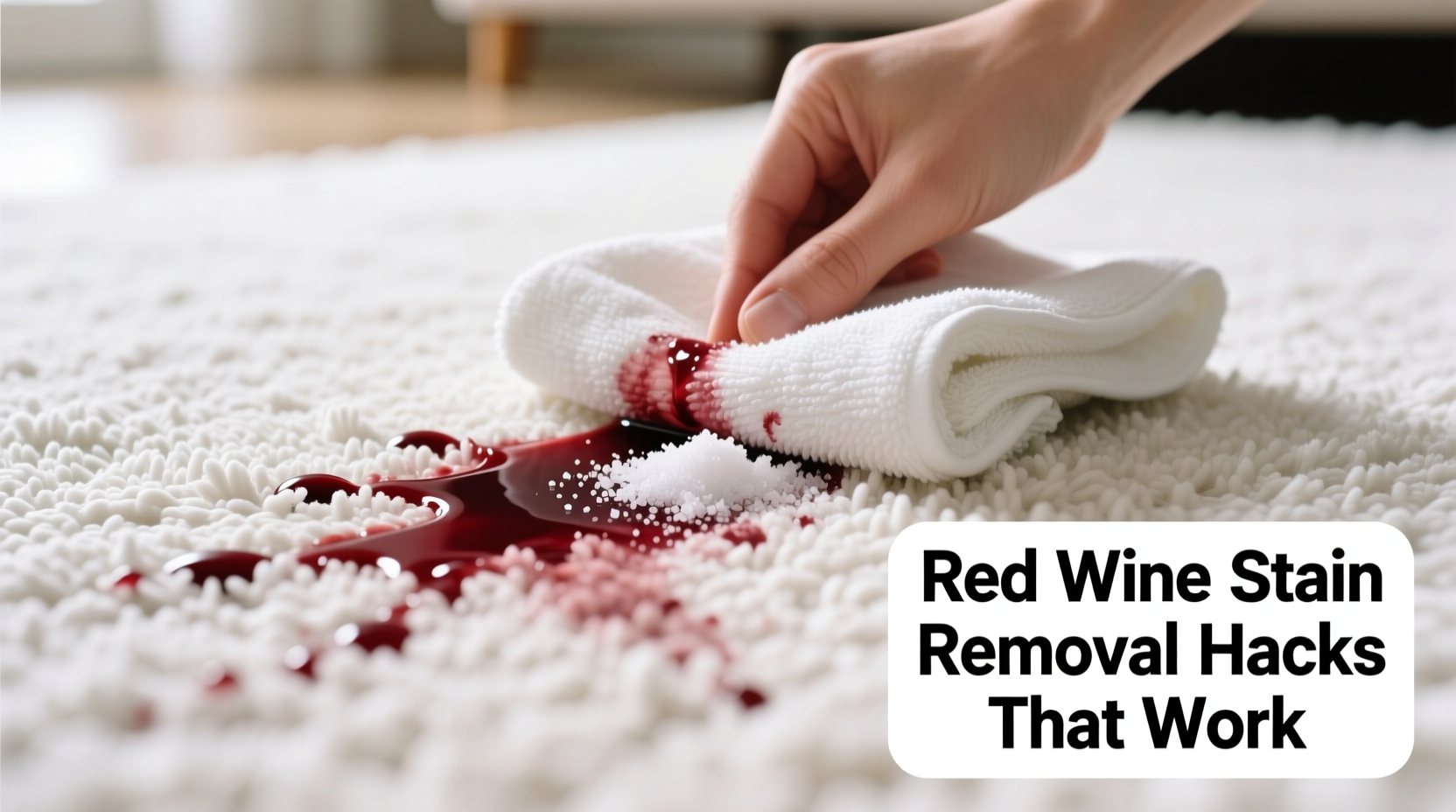
Red wine isn’t just a liquid; it’s a complex mixture of tannins, acids, sugars, and natural dyes derived from grape skins. These pigments are designed to cling tightly to surfaces—just like they do in your mouth after a glass of Cabernet. When spilled on carpet fibers, especially light-colored ones, the color molecules embed quickly and oxidize, making them harder to lift over time.
The longer a stain sits, the more it sets into the fibers and padding beneath. That’s why immediate response is critical. But even if the spill happened hours ago, don’t give up. Many DIY methods can still break down the stain structure and restore your carpet’s original appearance.
“Time is your biggest enemy with organic stains like wine. Act within minutes, and you’ll save 90% of the effort.” — Dr. Lena Peterson, Textile Chemist at Home Care Research Institute
Step-by-Step Guide: Immediate Response Protocol
The first five minutes after a spill determine whether the stain becomes permanent. Follow this timeline for best results:
- Blot, Don’t Rub (0–1 minute): Use a clean, absorbent cloth or paper towel to gently press down on the spill. Rubbing pushes the wine deeper into fibers and spreads the stain.
- Sprinkle Salt or Baking Soda (1–2 minutes): Cover the wet area generously. These act as drying agents, pulling moisture and pigment to the surface.
- Wait 5–10 Minutes: Let the salt or baking soda soak up as much liquid as possible.
- Vacuum or Brush Off Residue: Remove the dried granules carefully without disturbing the fibers.
- Apply a Cleaning Solution: Choose one of the effective DIY mixtures outlined below.
- Rinse and Blot Dry: Use cold water to flush out any remaining residue, then blot until dry.
Top 5 DIY Hacks That Actually Work
Not all home remedies are created equal. Some popular tricks—like using club soda alone—only dilute the stain without removing it. Below are five methods tested for effectiveness, safety, and accessibility.
1. Hydrogen Peroxide + Dish Soap (Best for Fresh Stains)
This powerful combo uses hydrogen peroxide’s mild bleaching action and dish soap’s grease-cutting ability to lift wine pigments without damaging most synthetic carpets.
- Mix 1 tablespoon 3% hydrogen peroxide with 1 teaspoon clear dish soap (e.g., Dawn).
- Apply directly to the stain using a spray bottle or cotton ball.
- Let sit for 5–7 minutes—do not exceed 10 minutes to avoid potential bleaching.
- Blot thoroughly with a damp cloth, then rinse with cold water.
2. White Vinegar + Baking Soda Paste (Ideal for Set-In Stains)
When the wine has dried, this acidic-alkaline reaction helps loosen bonded pigments.
- Create a paste with 2 tablespoons baking soda and enough white vinegar to form a thick slurry.
- Spread over the stain and let fizz for 5–10 minutes.
- Gently scrub with a soft-bristle brush in circular motions.
- Rinse with cold water and blot dry.
3. Rubbing Alcohol + Water (Great for Wool or Delicate Carpets)
Alcohol breaks down tannins and evaporates quickly, reducing moisture exposure risk.
- Mix equal parts isopropyl alcohol (70%) and water.
- Dab onto the stain with a microfiber cloth—do not saturate.
- Blot continuously as the stain transfers to the cloth.
- Rinse lightly with water and dry immediately.
4. Club Soda + Blotting (Emergency Field Fix)
While not a standalone solution, club soda can help when nothing else is available.
- Pour liberally over the spill.
- Blot aggressively with a towel.
- Repeat until no more color transfers.
- Follow up later with vinegar or peroxide treatment for full removal.
5. Enzyme Cleaner (For Old or Repeated Stains)
Natural enzyme-based cleaners (like those used for pet stains) digest organic matter, including wine residues.
- Apply according to label instructions.
- Cover with plastic wrap to prevent evaporation and let sit 6–12 hours.
- Blot and rinse well.
| Hack | Best For | Speed | Safety Notes |
|---|---|---|---|
| Hydrogen Peroxide + Dish Soap | Fresh spills | Fast (under 15 min) | Avoid on wool or dark dyes; may lighten |
| Vinegar + Baking Soda | Set-in stains | Moderate (20 min) | Safe for most fibers; strong odor |
| Rubbing Alcohol + Water | Delicate carpets | Fast (10 min) | Flammable; ventilate well |
| Club Soda Only | Immediate response | Instant but incomplete | Must follow up with deeper cleaning |
| Enzyme Cleaner | Old or recurring stains | Slow (6+ hours) | Non-toxic; ideal for homes with kids/pets |
Common Mistakes That Make Stains Worse
Even with good intentions, some actions can lock in the stain permanently. Avoid these pitfalls:
- Rubbing the spill: This grinds wine into fibers and widens the affected area.
- Using hot water: Heat sets protein and organic stains, making them nearly impossible to remove.
- Skipping the blot test: Always test solutions on a hidden spot to check for colorfastness.
- Over-saturating the carpet: Too much liquid can seep into padding, leading to mold or buckling.
- Using bleach unnecessarily: Chlorine bleach can yellow synthetic fibers and degrade carpet backing.
Mini Case Study: Saving a Wedding Reception Carpet
Jamie hosted her sister’s post-wedding brunch in the living room, where guests enjoyed a toast with Pinot Noir. Midway through, a guest knocked over a full glass onto the off-white Berber carpet. Panic set in—this was a rental home, and the deposit was on the line.
She sprang into action: first blotting with napkins, then sprinkling table salt from the kitchen. After 10 minutes, she vacuumed the crystals and applied a hydrogen peroxide-dish soap mix. She let it sit for 7 minutes, then rinsed with cold water and blotted dry with towels. A faint shadow remained, so she repeated the process once more.
Two hours later, the carpet looked untouched. No trace of wine, no damage. The landlord never noticed—and Jamie now keeps a small cleaning caddy in her linen closet just in case.
Checklist: Red Wine Spill Recovery Plan
Print or save this checklist for quick reference during emergencies:
- ✅ Stay calm and act immediately.
- ✅ Blot excess wine with a clean, dry cloth—press, don’t rub.
- ✅ Sprinkle salt or baking soda to absorb moisture.
- ✅ Wait 5–10 minutes, then vacuum or brush off residue.
- ✅ Test cleaning solution on inconspicuous area.
- ✅ Apply chosen DIY method (peroxide-soap, vinegar paste, etc.).
- ✅ Let sit for recommended time—follow timing strictly.
- ✅ Blot and rinse with cold water.
- ✅ Dry thoroughly with fan or open windows.
- ✅ Inspect result; repeat if necessary.
FAQ: Your Top Questions Answered
Can I use vinegar on all types of carpet?
White vinegar is generally safe for synthetic carpets like nylon and polyester. However, it should be avoided on wool or natural silk, as the acidity can weaken protein fibers. Always dilute (1 part vinegar to 2 parts water) and test first.
What if the stain turns gray or leaves a ring?
A gray residue often means leftover cleaning agent or incomplete rinsing. Flush the area again with cold water and blot dry. A ring may indicate wicking—where the stain rises back from the padding. Place a stack of paper towels over the spot, weigh it down with a heavy book, and leave overnight to draw moisture upward.
Is hydrogen peroxide safe for white carpet?
Yes, 3% hydrogen peroxide is generally safe for white synthetic carpets and can even brighten them slightly. However, prolonged contact or high concentrations may cause fiber degradation. Never use on wool or colored rugs without testing.
“The key isn’t having the fanciest product—it’s consistency in application and knowing when to stop. Over-treating can damage fibers more than the stain itself.” — Maria Tran, Professional Carpet Technician, CleanPro Services
Final Tips for Long-Term Carpet Care
Prevention is always better than cure. Consider applying a carpet protector spray after deep cleaning—it creates a barrier that gives you extra time to respond to spills. Rotate furniture occasionally to prevent uneven wear, and vacuum weekly to reduce dirt buildup that traps stains.
If you entertain frequently, choose low-pile or patterned rugs in dining or living areas. They hide minor blemishes better than plush white carpets. And keep a dedicated stain-removal kit accessible—because no matter how careful you are, accidents happen.
Conclusion
Removing red wine stains from white carpet doesn’t require professional tools or expensive products. With prompt action and the right DIY approach, most spills can be erased completely. Whether you use hydrogen peroxide, vinegar, or rubbing alcohol, the principles remain the same: blot fast, treat appropriately, and rinse thoroughly.
Don’t let one spilled glass ruin your confidence in hosting. Arm yourself with knowledge, keep simple supplies on hand, and remember—every stain has a solution. Try one of these methods today, and share your success story in the comments. Someone else might just avoid a carpet disaster because of you.
💬 Have a wine stain horror story or a miracle fix? Share your experience below and help others rescue their carpets with real-world wisdom!








