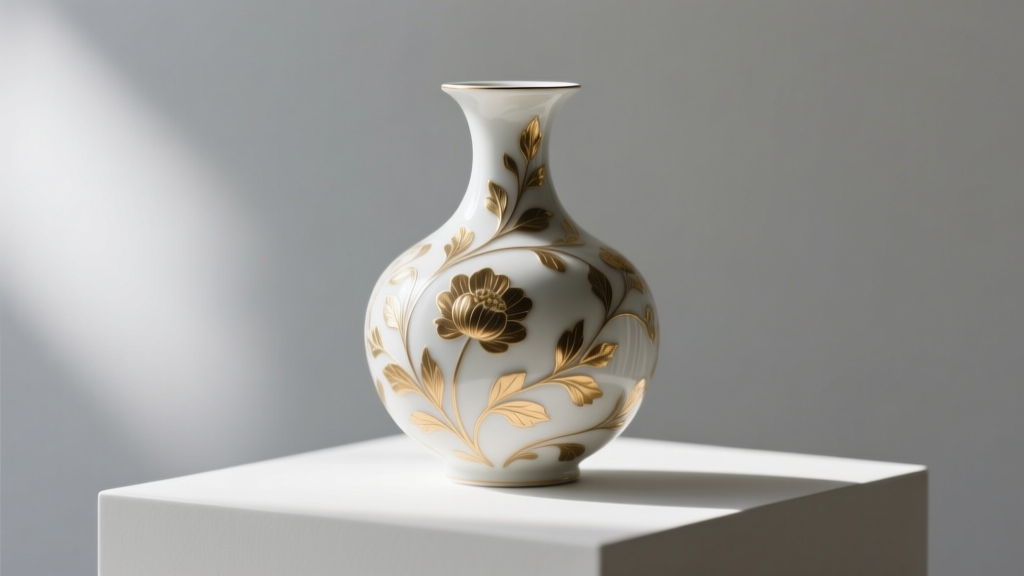
Types of Porcelain Doll Fairies
A porcelain doll fairy is a beautifully crafted collectible that blends the delicate artistry of porcelain doll-making with the magical essence of fairy folklore. These enchanting figures are cherished by collectors and enthusiasts for their intricate details, expressive features, and imaginative designs. From timeless classics to modern interpretations, porcelain fairy dolls capture the whimsy and elegance of the fairy realm in tangible form.
Classic Porcelain Doll Fairies
These timeless figures are inspired by traditional fairy lore and Victorian-era aesthetics, making them beloved icons in doll collecting.
Characteristics
- Ethereal, flowing hair (often hand-painted)
- Delicate gowns in soft pastel hues
- Fine translucent wings made of gauze, mica, or feather accents
- Accessories like wands, tiaras, or floral crowns
- Subtle facial expressions conveying innocence and grace
Considerations
- Fragile materials require careful handling
- Wings may be prone to damage over time
- Limited variation in design themes
Best for: Traditional collectors, vintage decor, heirloom displays
Fantasy-Themed Porcelain Fairies
Inspired by modern fantasy worlds, these dolls draw from literature, film, and pop culture to create bold and imaginative designs.
Characteristics
- Dramatic costumes such as armor, capes, or enchanted robes
- Vibrant, eye-catching color palettes
- Unique motifs like runes, celestial patterns, or mythical creatures
- Dynamic poses suggesting action or adventure
- Themed around popular franchises or original fantasy realms
Considerations
- May not appeal to traditional collectors
- Sometimes less delicate in appearance
- Potentially higher price due to intricate detailing
Best for: Fantasy enthusiasts, themed collections, display in modern interiors
Porcelain Ballerina Fairies
A graceful fusion of ballet elegance and fairy enchantment, these dolls celebrate movement and artistry.
Characteristics
- Posed in classic ballet stances (e.g., en pointe, arabesque)
- Adorned with tutus, ballet slippers, and flowing ribbons
- Intricate wing designs that complement the dancer’s pose
- Smooth, flowing lines that emphasize motion and balance
- Often displayed on rotating bases or pedestals
Considerations
- Delicate footwork and balance require stable display
- Narrower appeal outside dance or fairy collectors
- May be more expensive due to sculptural complexity
Best for: Dance aficionados, artistic displays, gifts for performers
Seasonal & Holiday Porcelain Fairies
Celebratory figures crafted to embody the spirit of holidays and changing seasons.
Characteristics
- Winter fairies with snowflake motifs, icy wings, and festive attire
- Spring fairies adorned with blossoms, pastel eggs, and butterfly accents
- Autumn fairies in earth-toned gowns with leaf-shaped wings
- Summer fairies featuring sun-kissed tones and floral wreaths
- Often released as limited editions, increasing collectible value
Considerations
- May only be seasonally relevant for display
- Limited availability can make acquisition challenging
- Potential for higher resale prices
Best for: Holiday decor, seasonal collectors, gift-giving occasions
Customized & Themed Porcelain Fairies
Uniquely crafted dolls that reflect personal stories, cultural influences, or special events.
Characteristics
- Tailored color schemes, facial features, and attire
- Inspired by cultural folklore, historical periods, or fictional characters
- Created for weddings, memorials, or milestone celebrations
- Often hand-signed or numbered by the artist
- High emotional or symbolic value to the owner
Considerations
- Longer creation and delivery times
- Higher cost due to bespoke craftsmanship
- May not be suitable for resale or general collections
Best for: Personalized gifts, commemorative pieces, artistic expression
| Type | Aesthetic Style | Collectibility | Display Suitability | Special Features |
|---|---|---|---|---|
| Classic Porcelain Fairies | Traditional, romantic | High (timeless appeal) | Living rooms, parlors, vintage displays | Pastel gowns, delicate wings, wands |
| Fantasy-Themed Fairies | Modern, dramatic | Moderate to High | Study, fantasy rooms, pop culture shelves | Armor, runes, bold colors |
| Porcelain Ballerina Fairies | Elegant, artistic | High (niche appeal) | Dance studios, performance spaces | Ballet poses, tutus, dynamic balance |
| Seasonal & Holiday Fairies | Festive, thematic | High (limited editions) | Holiday decor, seasonal cabinets | Snowflakes, flowers, cultural motifs |
| Customized & Themed Fairies | Personalized, unique | Very High (emotional value) | Private collections, special occasions | Handmade details, symbolic elements |
Collector’s Tip: When displaying porcelain doll fairies, avoid direct sunlight and high humidity to preserve paint details and wing integrity. Use UV-protective glass cabinets for long-term preservation and enhanced visual appeal.
The Art and Craft of Porcelain Doll Fairy Design
Porcelain doll fairies captivate collectors and enthusiasts with their ethereal beauty, blending fantasy, fine craftsmanship, and artistic detail. These delicate figurines are more than mere toys—they are miniature works of art that embody imagination and elegance. Their design is a meticulous process involving multiple artistic elements, each contributing to the doll’s magical presence and collectible value.
Core Design Elements of Porcelain Fairy Dolls
The enchantment of a porcelain fairy doll stems from a harmonious fusion of materials, color, expression, and thematic storytelling. Below are the essential components that define their unique aesthetic appeal.
Fairy Wings: Symbols of Magic and Movement
Wings are the most iconic feature of any fairy doll, instantly signaling its magical nature. In porcelain fairy design, wings range from simple translucent shapes to elaborate, multi-layered structures adorned with filigree, glitter, or iridescent finishes that mimic real butterfly or dragonfly wings.
While the doll’s body is crafted from fine porcelain, the wings are typically made from lightweight materials such as thin plastic, wire frameworks, or fabric to maintain balance and prevent breakage. They are hand-painted to complement the doll’s outfit—pearlescent blues for water fairies, shimmering greens for forest spirits, or frosty silvers for winter enchantresses.
Many high-end porcelain fairies feature poseable wings, allowing collectors to adjust their position for dynamic display. This added interactivity enhances the doll’s narrative quality, suggesting flight, rest, or alertness.
Clothing and Accessories: Elegance in Miniature
The attire of porcelain fairy dolls is a testament to craftsmanship and attention to detail. Designers use luxurious miniature fabrics such as silk, satin, lace, and organza to create flowing gowns, layered skirts, and delicate capes. These garments are often embellished with hand-embroidery, tiny beads, sequins, and metallic threadwork that catch the light and add dimension.
Accessories play a crucial role in completing the fairy’s character. Tiaras, crowns, wands, floral headpieces, and dainty jewelry are carefully selected or custom-made to match the theme. A moonstone-studded wand might accompany a night fairy, while a daisy-chain crown suits a spring meadow sprite.
These intricate details not only enhance visual appeal but also significantly increase the doll’s collectible value, especially when produced in limited editions or by renowned artists.
Facial Features and Expressions: The Soul of the Doll
The face of a porcelain fairy doll is where artistry meets emotion. Each face is hand-painted with precision, capturing subtle expressions that convey personality—be it innocence, mischief, serenity, or wonder. Rosy cheeks, softly blushed lips, and delicately arched eyebrows contribute to a lifelike presence.
Eyes are particularly expressive, often featuring bright, shimmering irises in hues like emerald, sapphire, or amethyst. Some dolls include tiny freckles or eyelash detailing, enhancing realism. Makeup is applied with fine brushes, sometimes including eyeliner, eyeshadow, or glossy lips to reflect the fairy’s unique character.
Because porcelain cannot be altered once fired, facial painting requires immense skill. A slight variation in brushstroke can transform a shy smile into a playful grin, making each piece subtly one-of-a-kind.
Themes and Color Palettes: Storytelling Through Design
Porcelain fairy dolls are often designed around seasonal, elemental, or narrative themes that guide their color schemes and overall aesthetic. These themes help tell a story and appeal to collectors seeking specific motifs.
For example, spring fairies wear pastel pinks, soft yellows, and fresh greens, adorned with floral patterns and butterfly motifs. Summer fairies glow in warm golds and corals, evoking sunshine and meadows. Autumn fairies feature russet, amber, and deep burgundy tones, with leafy accessories and earthy textures.
Winter fairies, in contrast, are dressed in icy blues, silvers, and whites, often with glittered gowns that mimic snowflakes and frost. Mermaid-inspired fairies combine oceanic themes with aquatic colors—turquoise, coral, and seafoam green—paired with seashell accessories and flowing, wave-like hair.
This thematic consistency extends to packaging and display bases, creating a cohesive visual narrative that enhances the doll’s magical allure.
| Design Element | Material/Technique | Artistic Purpose |
|---|---|---|
| Wings | Wireframe with fabric/plastic overlay, hand-painted | To symbolize flight and magic; enhance visual drama |
| Clothing | Silk, lace, satin, embroidery, beadwork | To reflect elegance and character; increase collectibility |
| Facial Painting | Hand-painted with oil or acrylic pigments | To convey emotion and individuality; achieve lifelike charm |
| Color Themes | Seasonal palettes (pastels, jewel tones, monochrome) | To support storytelling and thematic collection |
Collectibility and Artistic Value
Important: Due to their delicate nature, porcelain fairy dolls require careful handling and display. Avoid direct sunlight to prevent fading of fabrics and paints, and keep them in dust-free environments. Regular gentle dusting with a soft brush helps preserve their beauty. Always store or transport them in protective cases to prevent chipping or breakage. Proper care ensures these exquisite creations remain cherished heirlooms for generations.
Scenarios of Porcelain Doll Fairies
Porcelain doll fairies occupy a special place in the world of collectible art, blending delicate craftsmanship with whimsical fantasy. These enchanting figurines transcend mere decoration—they evoke stories, spark imagination, and connect people to timeless themes of magic and beauty. Below are the key scenarios where porcelain doll fairies truly come to life, enhancing spaces, celebrations, and creative pursuits alike.
Home Decor and Display
Porcelain fairy dolls are cherished for their ability to elevate interior aesthetics with elegance and charm. Their intricate detailing—hand-painted features, flowing gowns, and delicate wings—makes them ideal focal points in living rooms, bedrooms, or reading nooks.
- Perfectly suited for display on mantelpieces, glass cabinets, or curated shelves where lighting can highlight their craftsmanship
- Variety of themes—spring blossoms, winter enchantment, moonlit gardens—allows seamless integration into seasonal or year-round décor
- Complements both traditional and contemporary interiors, especially in vintage, cottage-core, or fantasy-inspired design styles
- Often paired with fairy lights, floral arrangements, or miniature landscapes to create immersive vignettes
Design tip: Group fairies by color palette or story theme to create a narrative display that captivates guests.
Collectible Showcases
For serious collectors, porcelain doll fairies represent the pinnacle of artisanal doll-making. Limited editions, signed pieces, and artist collaborations increase their desirability and long-term value.
- Highly sought after due to limited production runs and serial numbering, making them prized additions to curated collections
- Often accompanied by certificates of authenticity, original boxes, and artist biographies that enhance provenance
- Featured in collector clubs, online forums, and exclusive auctions where enthusiasts trade, appraise, and celebrate rare finds
- Some vintage porcelain fairies have appreciated significantly in value, especially those from renowned studios like Limoges or Lladró
Collector’s note: Proper storage in UV-protected, dust-free cases preserves condition and maintains market value.
Gift Giving and Special Occasions
A porcelain fairy doll is more than a gift—it’s a keepsake that carries emotional resonance. Its timeless beauty makes it a meaningful present for milestone events and heartfelt gestures.
- Ideal for birthdays, anniversaries, baby showers, or retirement celebrations—especially for recipients who love fantasy, folklore, or fine art
- Themed dolls (e.g., Christmas elves, Easter bloom fairies, or winter solstice spirits) add a magical touch to holiday gifting
- Personalization options—such as engraved bases or custom gift messages—elevate the sentimental value
- Often passed down as heirlooms, symbolizing love, protection, and wonder across generations
Thoughtful idea: Pair the doll with a handwritten letter telling a short fairy tale about its imagined origin.
Events and Exhibitions
Fantasy-themed events embrace porcelain fairy dolls as symbols of enchantment and creativity. From artisan fairs to museum exhibits, these dolls inspire awe and storytelling.
- Regularly featured at Renaissance fairs, fairy festivals, and craft expos as centerpieces or vendor items
- Used in immersive installations—such as enchanted forests or fairy gardens—where visitors interact with life-sized or miniature scenes
- Artists showcase new collections at exhibitions, offering behind-the-scenes insights into sculpting, painting, and firing techniques
- Schools and cultural centers use doll displays to engage audiences in discussions about myth, imagination, and craftsmanship
Event pro tip: Collaborate with local artisans to create exclusive event-only editions that drive attendance and sales.
Educational and Artistic Inspiration
Beyond aesthetics, porcelain doll fairies serve as powerful tools in education and creative development, bridging art, culture, and storytelling.
- Used in art classrooms to teach sculpture, color theory, and fine-detail painting techniques using ceramics
- Help explore folklore and mythology—comparing fairy figures across cultures (Celtic, Slavic, Japanese kodama, etc.)
- Inspire writers, illustrators, and designers to develop original characters, stories, or fashion concepts based on fairy aesthetics
- Demonstrate the transformation of raw materials (porcelain clay) into expressive art, highlighting craftsmanship and patience
Creative spark: Host a “design your own fairy” workshop where participants sketch and describe their imagined porcelain creation.
Emotional and Therapeutic Value
Though often overlooked, porcelain fairies can play a role in emotional well-being and mindfulness practices.
- Used in memory gardens or healing spaces to symbolize hope, renewal, and gentle protection
- Help children and adults alike reconnect with imagination during therapeutic art sessions
- Provide comfort during times of loss—some families place a fairy doll in a memorial garden as a symbolic guardian
- Encourage mindful observation, as viewers notice subtle details in expression, pose, and design
Healing insight: The delicate nature of porcelain mirrors human fragility, fostering empathy and care.
Curator’s Recommendation: When displaying or gifting porcelain doll fairies, consider the story behind the piece. Whether it’s a limited edition from a master sculptor or a hand-painted fairy symbolizing spring’s return, narrating its significance deepens the emotional connection. For collectors, prioritize condition and provenance; for decorators, focus on thematic harmony. In all cases, these dolls are not just objects—they are vessels of magic, memory, and artistry.
| Scenario | Best Use Case | Recommended Features | Long-Term Value |
|---|---|---|---|
| Home Decor | Living room centerpiece or seasonal display | Vibrant colors, thematic design, glow-in-the-dark elements | High aesthetic enjoyment |
| Collecting | Investment or legacy collection | Limited edition, artist-signed, certificate of authenticity | Potential appreciation in value |
| Gift Giving | Birthdays, holidays, milestones | Personalized base, gift-ready packaging, themed design | Emotional and sentimental value |
| Education | Art or cultural studies | Historical accuracy, multicultural designs, educational booklet | Knowledge and inspiration |
Additional Considerations
- Preservation: Keep porcelain fairies away from direct sunlight and humidity to prevent fading and cracking
- Handling: Always hold by the base—never the wings or arms—to avoid breakage
- Lighting: Use soft, warm LED spotlights to enhance depth and color without heat damage
- Storytelling: Create a name and backstory for each fairy to deepen engagement, especially with children
- Sustainability: Support studios that use eco-friendly packaging and ethical production practices
Specification & Maintenance of Porcelain Doll Fairies
Porcelain doll fairies are exquisite collectibles that blend artistry, craftsmanship, and fantasy. Revered for their ethereal beauty and intricate details, these dolls are often passed down through generations. To preserve their condition, value, and charm, it's essential to understand both their construction specifications and proper maintenance practices. Whether you're a seasoned collector or new to the world of fine porcelain dolls, this guide provides comprehensive insights to help you care for your porcelain fairy dolls with confidence and precision.
Important Note: Porcelain is a fragile, vitreous ceramic that can crack, chip, or shatter under impact or thermal stress. Always handle porcelain doll fairies with extreme care and avoid exposing them to environmental extremes that could compromise their integrity.
Specifications of Porcelain Doll Fairies
Understanding the materials, design, and structural elements of porcelain doll fairies is the first step toward proper care. These dolls are not mass-produced toys but handcrafted works of art, often individually numbered and signed by the artist.
- Materials: The body of a porcelain fairy doll is typically crafted from high-fired porcelain, known for its smooth, lustrous finish and durability when properly maintained. The porcelain is often glazed and hand-painted with fine detail to enhance facial features, skin tone, and costume elements. Hair may be made from mohair, human hair, synthetic fibers, or even molded porcelain for a stylized look. Costumes are usually composed of delicate fabrics such as silk, lace, tulle, or organza, often embellished with beads, embroidery, or miniature accessories.
- Size: Most porcelain fairy dolls range from 10 to 20 inches in height, though some limited editions or artist creations may be smaller or larger. Smaller dolls (under 12 inches) are often used in dioramas or shadow boxes, while larger ones serve as centerpiece displays. The size directly influences the level of detail—finer features like facial expressions, wing patterns, and costume textures are more pronounced in larger models.
- Weight: Due to the density of porcelain, these dolls are notably heavier than plastic or resin counterparts. Weight varies significantly based on size, thickness of the porcelain, and added embellishments such as metal wings, gemstone accents, or layered fabric garments. Larger or more elaborately decorated dolls can weigh several pounds, requiring sturdy display stands or shelving.
- Articulation: Some porcelain fairy dolls feature jointed limbs—typically at the shoulders, hips, and sometimes knees—allowing for poseable displays. These joints are often made of metal or durable plastic and secured with elastic or wire. Articulated dolls offer greater display versatility but require careful handling to prevent stress on the joints or breakage at connection points.
- Care Requirements: Because of the mixed materials involved, care must be tailored to each component. The porcelain body is sensitive to scratches and thermal shock, while the fabric clothing may be prone to staining, fading, or fiber degradation. Most garments are not machine-washable and should be spot-cleaned or professionally dry cleaned if necessary. Always avoid moisture contact with the porcelain body to prevent staining or weakening of glued joints.
Maintenance of Porcelain Doll Fairies
Proper maintenance ensures your porcelain fairy doll remains a pristine heirloom. Regular but gentle care routines can prevent long-term damage and preserve both aesthetic appeal and collectible value.
- Dusting and Cleaning: Use a soft-bristled artist’s brush, makeup brush, or microfiber cloth to gently remove dust from the doll’s surface. Work in light, circular motions, paying special attention to crevices in clothing, wings, and facial features. Never use water, wet cloths, or household cleaners, as moisture can seep into seams, cause paint to lift, or promote mold growth on fabric. For stubborn spots on porcelain, consult a conservator—do not attempt DIY cleaning.
- Storage: When not on display, store porcelain fairy dolls in their original boxes or in padded, acid-free tissue-lined display cases. Wrap delicate parts like wings, hands, or hair with soft tissue paper to prevent breakage. Store upright or in a supported lying position to avoid stress on joints. Avoid stacking items on top of the doll or placing heavy objects nearby that could fall during movement or earthquakes.
- Temperature and Humidity: Maintain a stable indoor environment with temperatures between 65°F and 75°F (18°C–24°C) and relative humidity around 45–55%. High heat can cause porcelain to expand and crack, while excessive dryness may make fabric brittle. Humidity above 60% encourages mold and mildew on textiles, and direct sunlight can fade colors and weaken fibers. Avoid placing dolls near radiators, windows, fireplaces, or air conditioning vents.
- Handling: Always handle porcelain fairy dolls with clean, dry hands to avoid transferring oils, lotions, or dirt that can stain the surface or degrade fabric over time. Support the doll from the torso or base rather than holding by arms, legs, or head, which are more prone to breakage. Lift slowly and keep movements controlled. For transport, use a custom-fit container with foam or bubble wrap padding to minimize vibration and impact.
- Repairs: Never attempt to repair broken porcelain, reattach limbs, or repaint facial features yourself. Improper glue use or painting can permanently devalue the doll. Instead, seek a professional doll restorer or porcelain conservator experienced with collectible figurines. They can assess damage, perform structural repairs, and match original finishes with archival-quality materials.
| Maintenance Area | Best Practices | Risks of Improper Care | Recommended Tools & Supplies |
|---|---|---|---|
| Cleaning | Use dry, soft brushes or cloths; avoid moisture | Paint lifting, staining, fabric warping | Microfiber cloth, soft-bristle brush, magnifying lamp |
| Storage | Original box or padded display case; secure loose parts | Chips, cracks, detached wings or hair | Acid-free tissue, display cabinet, foam supports |
| Environment | Controlled temperature and humidity; no direct sunlight | Fading, cracking, mold growth | Hygrometer, UV-filtering glass, climate-controlled room |
| Handling | Wash hands, support body, avoid limb stress | Joint failure, broken fingers or heads | Cotton gloves (optional), stable surface |
| Repairs | Consult professional conservator only | Irreversible damage, loss of collector value | Specialist referrals, archival documentation |
Collector’s Tip: Keep a detailed log of your porcelain fairy doll, including purchase date, edition number, artist name, and any maintenance performed. Photograph the doll from multiple angles annually to track condition changes over time. This documentation enhances provenance and can be invaluable for insurance or resale purposes.
Additional Preservation Recommendations
- Rotate displayed dolls every few months to reduce prolonged light exposure
- Use LED lighting for displays—these emit minimal heat and UV radiation
- Inspect dolls quarterly for signs of pest activity (e.g., fabric moths)
- Consider professional appraisal for high-value pieces every 5–7 years
- Join collector communities or forums to share care tips and restoration resources
Porcelain doll fairies are more than decorative objects—they are artistic expressions that deserve thoughtful stewardship. By understanding their unique specifications and committing to meticulous maintenance, you ensure these enchanting figures remain beautiful and intact for future generations to admire. When in doubt about care or repair, always consult a qualified expert to protect both the physical integrity and sentimental value of your collection.
Porcelain Doll Fairies: Quality and Safety FAQs
Are porcelain doll fairies high-quality toys?
Yes, porcelain doll fairies are widely recognized for their exceptional craftsmanship and premium quality. These fairy dolls made of porcelain are crafted from super-refined porcelain, a material celebrated for its smooth texture, translucency, and ability to hold intricate details. Unlike mass-produced plastic toys, each porcelain fairy doll is often hand-painted and assembled with meticulous attention to detail.
Their elaborate designs extend beyond the porcelain body—fine fabrics, hand-sewn clothing, delicate accessories like tiny wands or wings, and intricately styled hair contribute to their artistic value. Due to this level of detail and artistry, these dolls are more accurately described as collectible art pieces rather than conventional children's toys. Many are produced in limited editions by renowned artisans or specialty doll manufacturers, further enhancing their collectible status and long-term value.
How safe are porcelain doll fairies for children?
While porcelain doll fairies are beautiful and enchanting, they are **not intended for young children** due to several safety concerns:
- Fragility: Porcelain is a brittle material that can crack or shatter if dropped or mishandled, creating sharp fragments.
- Small Parts: Many dolls feature tiny accessories such as wings, jewelry, or floral details that can become loose and pose a choking hazard.
- Age Appropriateness: These dolls are designed for collectors aged 14 and older, including teens and adults who appreciate fine art, fantasy themes, or decorative collectibles.
For households with young children, it’s essential to store these dolls securely out of reach. Supervision is required if older children are handling them, and they should never be used as playthings by toddlers or preschoolers.
What is the best way to ensure a porcelain doll fairy's safety and durability?
To preserve both the beauty and structural integrity of your porcelain doll fairy, proper care and display are essential:
- Display in a Protective Case: Use a glass cabinet, shadow box, or enclosed shelf to shield the doll from dust, accidental bumps, and curious hands.
- Avoid Direct Sunlight: Prolonged exposure to UV rays can cause paint to fade and fabrics to deteriorate over time.
- Maintain Stable Environment: Keep the doll in an area with consistent temperature and humidity levels. Sudden changes can lead to porcelain cracking or glue weakening, especially in joints or attached accessories.
- Cleaning Tips: Dust gently with a soft, dry microfiber cloth. Avoid water or cleaning solutions unless specified by the manufacturer, as moisture can damage paint and adhesives.
- Handling: Always handle the doll with clean, dry hands and support its body (especially the head and limbs) to prevent stress on delicate parts.
With proper care, a porcelain doll fairy can remain a stunning display piece for decades, maintaining its value and charm.
Do porcelain doll fairies meet international toy and safety standards?
While porcelain doll fairies are not classified as toys for young children, reputable manufacturers—especially those in countries known for high craftsmanship such as Germany, Japan, and Spain—adhere to strict quality and safety regulations:
- Non-Toxic Materials: The porcelain, paints, and glazes used are typically lead-free and comply with international safety standards like ASTM F963 (U.S.) and EN71 (Europe) for consumer products.
- Quality Control: Each doll undergoes careful inspection for structural integrity, finish quality, and secure attachment of parts.
- Labeling: Most collectible dolls include age recommendations, care instructions, and manufacturer details to inform buyers about proper use and handling.
It’s important to purchase from trusted brands or authorized retailers to ensure authenticity and compliance with safety norms. Always check product labels for certifications and warnings, particularly if the doll will be displayed in homes with children.
In summary, while these dolls are safe for adult collectors to handle and display, their design and materials make them unsuitable for traditional toy use by children.