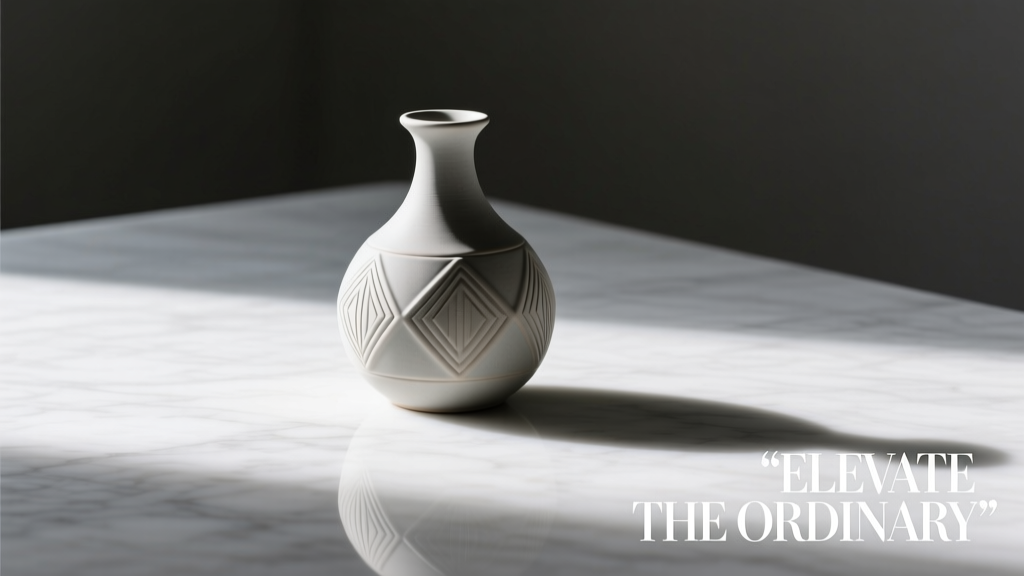
Different Types of Nice Wall Designs
Wall design plays a crucial role in interior aesthetics, influencing the mood, space perception, and overall ambiance of a room. From bold accent features to textured 3D panels, modern wall treatments offer both visual impact and functional benefits. Below is a comprehensive overview of popular and stylish wall design options that can transform any space.
Accent Walls
An accent wall, also known as a feature wall, stands out from the rest of the room through color, texture, or material contrast. It adds depth, draws attention, and enhances visual interest.
Advantages
- Adds focal point to a room
- Enhances spatial depth and dimension
- Easy to customize with paint, wallpaper, or paneling
- Highlights furniture, artwork, or architectural elements
Considerations
- Overuse can make a space feel unbalanced
- Requires thoughtful color coordination
- May date quickly if trends shift
Best for: Living rooms, bedrooms, home offices, media walls
Geometric Patterns
Geometric wall designs use shapes like chevrons, hexagons, triangles, and diamonds to create dynamic, modern visuals. Applied via paint, wallpaper, or decals, they offer a contemporary edge.
Advantages
- Creates a bold, modern aesthetic
- Versatile across minimalist and eclectic styles
- Complements simple furniture and decor
- Available in peel-and-stick formats for easy installation
Considerations
- Can overwhelm small spaces if overdone
- Precise alignment required for painted patterns
- Limited suitability for traditional interiors
Best for: Youth rooms, studios, commercial spaces, modern living areas
Murals & Wallpaper
Wall murals and decorative wallpapers transform plain walls into artistic expressions. Options range from scenic landscapes and abstract art to vintage motifs and digital prints.
Advantages
- Offers endless design possibilities
- Instantly changes room ambiance
- Available in textured, 3D, and washable finishes
- Peel-and-stick varieties allow DIY installation
Considerations
- May require professional installation for large murals
- Potential for seams in traditional wallpaper
- Can be challenging to remove without damage
Best for: Feature walls, nurseries, dining rooms, boutique interiors
Laminated Particle Board
Laminated particle board (LPB), often referred to as laminated wood panels, features a durable outer layer over a particleboard core. It mimics real wood, stone, or solid colors at a fraction of the cost.
Advantages
- Cost-effective alternative to solid wood
- Moisture-resistant variants suitable for kitchens and bathrooms
- Available in wood grains, solid colors, and textures
- Easy to clean and maintain
Considerations
- Less durable than solid wood or MDF
- Edges can chip if not properly sealed
- Limited repair options for deep scratches
Best for: Kitchens, bathrooms, utility rooms, budget-friendly renovations
Three-Dimensional Wall Panels
3D wall panels add depth and texture using materials like gypsum, MDF, plastic, or wood. Their raised designs create striking visual effects and enhance light play.
Advantages
- Creates dramatic, modern focal points
- Acts as a natural light diffuser
- Hides wall imperfections and wiring
- Available in eco-friendly and acoustic variants
Considerations
- Can be expensive depending on material
- Requires professional installation for seamless finish
- May collect dust in crevices
Best for: Living rooms, home theaters, lobbies, luxury interiors
| Design Type | Style | Durability | Installation Ease | Ideal Rooms |
|---|---|---|---|---|
| Accent Walls | Modern, Classic, Eclectic | Medium | Easy (paint/wallpaper) | Living Room, Bedroom, Office |
| Geometric Patterns | Contemporary, Minimalist | Medium | Moderate (precision needed) | Studio, Kids' Room, Commercial |
| Murals & Wallpaper | Artistic, Thematic, Vintage | Medium to High | Easy to Moderate | Dining Room, Nursery, Lounge |
| Laminated Particle Board | Functional, Modern | High (moisture-resistant) | Moderate (paneling required) | Kitchen, Bathroom, Utility |
| 3D Wall Panels | Luxury, Architectural | Very High | Moderate to Difficult | Living Room, Theater, Lobby |
Design Tip: When selecting a wall design, consider the room's lighting, size, and primary function. Lighter patterns and colors can make small spaces feel larger, while bold 3D or dark accent walls work best in well-lit, spacious areas to avoid a cramped feel.
Materials Used To Create Stunning Wall Designs
Transforming your walls with creative design is one of the most effective ways to elevate the ambiance of any room. The right material not only enhances visual appeal but also contributes to durability, texture, and overall style. From budget-friendly updates to high-end finishes, a variety of materials can be used to achieve unique and personalized wall designs.
Top Materials for Beautiful Wall Designs
Paint
Paint remains one of the most accessible and cost-effective ways to refresh any wall. Modern acrylic latex paints offer a vast spectrum of colors, finishes (matte, satin, semi-gloss, and high-gloss), and improved durability. A simple accent wall in a bold hue or a calming neutral tone can dramatically alter the mood of a space.
Beyond standard paint, specialty options like chalkboard paint, magnetic paint, or luminous (glow-in-the-dark) finishes add functional and artistic flair. These are ideal for creative spaces, children's rooms, or modern offices. With proper prep and application, paint provides a long-lasting, professional-looking finish that’s easy to update as trends evolve.
Wallpaper
Wallpaper has evolved into a sophisticated design tool, offering endless possibilities in patterns, textures, and materials—from floral and geometric prints to faux finishes like concrete, wood, or fabric. It allows homeowners to make bold statements or add subtle elegance with minimal effort.
Self-adhesive and peel-and-stick wallpapers have revolutionized DIY decor, enabling temporary or rental-friendly installations without damage. Vinyl wallpapers are especially popular in kitchens and bathrooms due to their moisture resistance and ease of cleaning. For best results, consider applying wallpaper to a single feature wall to avoid overwhelming the space while still creating a focal point.
Wood Paneling
Wood paneling brings natural warmth, texture, and timeless sophistication to interiors. Available in real hardwood, engineered wood, or veneer options, it suits both traditional and contemporary aesthetics. Modern designs favor minimalist vertical or horizontal slats, shiplap, or tongue-and-groove paneling for a clean, airy look.
Beyond aesthetics, wood offers acoustic benefits and can help insulate walls. While solid wood is premium and durable, veneered panels provide a more affordable alternative with authentic grain appearance. Proper sealing and finishing ensure longevity, especially in areas with fluctuating humidity.
Stone and Brick Veneer
For those seeking rustic charm or industrial elegance, stone and brick veneers offer the authentic look of masonry without the structural demands. Made from lightweight concrete or natural stone thin slices, these veneers are cast or cut to replicate real stone or brick patterns.
They are highly durable, fire-resistant, and suitable for both indoor and outdoor use—perfect for accent walls, fireplace surrounds, kitchen backsplashes, or outdoor entertainment areas. Installation is simpler than full masonry, and many systems use interlocking designs or adhesive mounting for ease of use.
Metal Accents
Metal wall treatments introduce a sleek, modern, or industrial edge to any room. Materials like stainless steel, aluminum, copper, and corten steel are used in sheet form, tiles, or decorative panels to add reflective surfaces, geometric patterns, or textured depth.
Common applications include kitchen backsplashes, feature walls behind TVs or beds, and commercial spaces seeking a high-tech or minimalist aesthetic. Metal is low-maintenance, resistant to moisture and heat, and pairs well with glass, concrete, and wood for a balanced design. Perforated or laser-cut metal panels can also serve as room dividers or lighting features.
| Material | Best For | Pros | Cons |
|---|---|---|---|
| Paint | Quick updates, accent walls, rentals | Affordable, wide color range, easy to apply | Can chip or fade over time; limited texture |
| Wallpaper | Statement walls, patterned designs | Vast design options, peel-and-stick options available | May peel in humid areas; harder to remove |
| Wood Paneling | Warm, cozy interiors, modern farmhouse | Natural beauty, insulating, durable | Higher cost for real wood; needs sealing |
| Stone/Brick Veneer | Fireplaces, outdoor areas, rustic style | Durable, fire-resistant, authentic look | Heavier than other options; professional install recommended |
| Metal Accents | Modern, industrial, commercial spaces | Sleek look, low maintenance, long-lasting | Can be expensive; may feel cold acoustically |
Tips for Choosing the Right Wall Material
Important: Proper surface preparation is crucial for any wall treatment. Clean, smooth, and dry surfaces ensure better adhesion and a professional finish. Whether painting, installing wallpaper, or mounting panels, following manufacturer instructions and using the right tools will extend the life and beauty of your wall design.
Bringing Together Different Nice Wall Designs
Transforming your walls into stunning visual features is one of the most impactful ways to elevate interior spaces. The right wall design enhances ambiance, reflects personal style, and can even influence the perceived size and brightness of a room. Below are the most popular and effective approaches to achieving beautiful, sophisticated wall designs—each offering unique benefits depending on your aesthetic goals, budget, and maintenance preferences.
Textured Finishes
Textured wall finishes add depth, dimension, and tactile interest to otherwise flat surfaces. These are typically applied using trowels, brushes, rollers, or sprayers, allowing for a wide range of patterns—from soft swirls and ripples to dramatic stucco or knockdown textures.
- Ideal for concealing cracks, uneven plaster, or structural imperfections in older homes
- Popular in rustic, Mediterranean, and farmhouse-style interiors for their organic, handcrafted appeal
- Materials include acrylic-based plasters, Venetian plaster (polished lime putty), and elastomeric coatings for exterior durability
- Low-maintenance and paintable, making them versatile for future renovations
Design Tip: Pair soft, light-reflective textures like Venetian plaster with ambient lighting to create a luxurious, shimmering effect.
Tiling
Wall tiling extends far beyond bathrooms and kitchens—modern design embraces tiles in living rooms, hallways, and accent walls to create bold visual statements. With advancements in manufacturing, tiles now mimic natural stone, wood, and metal while offering superior durability.
- Ceramic and porcelain tiles are water-resistant, scratch-proof, and ideal for high-traffic areas
- Mosaic tiles (glass, stone, or metallic) allow intricate patterns and artistic expression
- Large-format tiles reduce grout lines for a sleek, minimalist appearance
- Spatially dynamic: reflective or glossy tiles can make small rooms feel larger and brighter
Creative Idea: Use Moroccan zellige or Spanish azulejo tiles to create a focal point behind a sofa or bed—transforming a wall into a cultural art piece.
Plasterwork & Architectural Details
Ornamental plasterwork brings timeless elegance and Old-World charm to interiors. This traditional craft involves shaping wet plaster into decorative reliefs, moldings, and three-dimensional features that highlight architectural lines.
- Common elements include crown moldings, ceiling medallions, wainscoting, and corbels
- Frequently found in historic homes, luxury residences, and neoclassical or Victorian-inspired spaces
- Modern alternatives like polyurethane or MDF offer lightweight, cost-effective options with realistic detail
- Custom sculpting allows for personalized motifs, such as floral patterns or geometric borders
Luxury Note: Hand-crafted plaster details are considered high-end due to the skill, time, and precision required—adding significant value to a property.
Hybrid & Layered Design Approaches
The most compelling wall designs often combine multiple techniques to achieve depth, contrast, and personality. Hybrid approaches blend materials and methods for a curated, dynamic look that avoids monotony.
- Pair painted accent walls with wood paneling or shiplap for warmth and texture
- Combine wallpaper with framed artwork or floating shelves to add layers and visual interest
- Use tile as a base with painted plaster insets or decorative trim for a custom look
- Create feature walls using a mix of materials—e.g., stone veneer at the bottom and textured paint above
Pro Insight: Balance is key—mix no more than three textures or patterns in a single room to maintain harmony and avoid visual clutter.
Designer Recommendation: Start with a focal wall when experimenting with bold designs. This allows you to test textures, colors, or materials without overwhelming the entire space. For cohesive results, ensure that your wall treatments complement the room’s flooring, furniture, and lighting scheme. When in doubt, neutral textured finishes or monochrome tile patterns offer elegance without dating quickly.
| Design Style | Best Wall Method | Material Examples | Maintenance Level |
|---|---|---|---|
| Modern Minimalist | Large-format tiling or smooth plaster | Porcelain, polished plaster | Low |
| Rustic/Farmhouse | Textured finishes or shiplap paneling | Stucco, reclaimed wood | Medium |
| Luxury Classic | Ornamental plasterwork | Lime plaster, polyurethane moldings | Medium-High |
| Bohemian/Artistic | Hybrid tiling + paint + art | Mosaic, wallpaper, paint | Medium |
Additional Considerations for Wall Design Success
- Lighting Interaction: Textured and relief surfaces cast shadows—test your design under natural and artificial light to see how it changes throughout the day.
- Room Function: High-moisture areas (bathrooms, kitchens) benefit from tile or waterproof plasters, while living spaces allow more creative freedom.
- Budget Planning: Plasterwork and custom tiling are higher investment options; consider phased implementation or faux alternatives for cost efficiency.
- Acoustic Benefits: Textured walls and paneling can help absorb sound, improving room acoustics in open-plan homes.
- Sustainability: Opt for low-VOC plasters, recycled glass tiles, or FSC-certified wood paneling to support eco-friendly interiors.
Factors To Consider When Choosing Nice Wall Designs
Selecting the perfect wall design is more than just picking a visually appealing pattern—it's about creating harmony between aesthetics, functionality, and long-term value. For business owners in the interior design, home improvement, or retail sectors, offering a curated selection of wall solutions can significantly influence customer satisfaction and sales. This guide explores the essential factors to consider when choosing and stocking wall design products that meet diverse client needs—from residential homes to commercial spaces.
Pro Tip: Understanding your target market’s lifestyle, budget, and design preferences helps you stock wall products that not only sell well but also build customer loyalty and word-of-mouth referrals.
1. Room Function and Style: Design with Purpose
The intended use of a space plays a pivotal role in determining the most suitable wall design. A mismatch between wall aesthetics and room function can disrupt the overall ambiance and reduce perceived comfort.
- High-Energy Spaces: Rooms like children’s playrooms, creative studios, or entertainment areas benefit from bold colors, playful patterns, and interactive designs such as chalkboard or magnetic paint. These stimulate creativity and engagement.
- Professional Environments: Offices, reception areas, and conference rooms call for elegant, minimalist, or neutral designs. Textured wallpapers, subtle geometric patterns, or wood-look panels convey sophistication and calm.
- Lifestyle Alignment: Ensure the wall design complements existing furniture, flooring, and lighting. For example, warm-toned wood paneling pairs well with rustic or Scandinavian interiors, while sleek metallic finishes suit modern or industrial themes.
- Emotional Impact: Colors and textures influence mood—cool tones (blues, greens) promote relaxation, while warm hues (reds, yellows) energize. Consider psychological effects when recommending designs.
2. Durability and Maintenance: Built to Last
Wall surfaces endure wear and tear, especially in high-traffic or moisture-prone areas. Choosing durable materials reduces replacement costs and enhances customer satisfaction.
- Traffic Zones: Hallways, entryways, and commercial lobbies require resilient materials like vinyl wallpaper, acrylic panels, or metal cladding that resist scuffing and abrasion.
- Moisture-Prone Areas: Bathrooms, kitchens, and basements need waterproof or mold-resistant options such as PVC wall panels, ceramic tiles, or moisture-resistant drywall with protective coatings.
- Cleanability: Opt for wipeable surfaces that can be easily cleaned with mild detergents. Avoid porous materials like untreated fabric wallpapers in homes with children or pets.
- Lifespan: High-quality materials may have a higher upfront cost but offer better long-term value due to reduced maintenance and replacement frequency.
3. Installation and Cost: Balancing Accessibility and Investment
The ease of installation and overall cost are critical factors for both retailers and end-users. Offering a range of options ensures accessibility across different skill levels and budgets.
- DIY-Friendly Options: Wall decals, peel-and-stick tiles, and modular panel systems are ideal for renters or first-time homeowners. They require no special tools and allow for easy updates.
- Professional Installation: Natural stone veneers, custom wood paneling, or 3D architectural molds often require skilled labor. Stocking these premium products can attract high-end clients and contractors.
- Time and Labor Costs: Even if a material is affordable, complex installation can increase total project cost. Provide clear product descriptions that include estimated installation time and required expertise.
- Price Tiering: Cater to a broad customer base by offering budget (e.g., printed wallpapers), mid-range (e.g., composite panels), and luxury (e.g., real wood or marble veneers) options.
4. Trends and Innovations: Staying Ahead of the Curve
The interior design market evolves rapidly, driven by technology, sustainability, and shifting consumer tastes. Staying informed about emerging trends allows business owners to differentiate their offerings and capture new market segments.
- Smart Wall Solutions: Products like photochromic paints, sound-absorbing panels, or walls integrated with LED lighting are gaining popularity in smart homes and tech-forward offices.
- 3D and Textured Panels: These add depth and visual interest without major renovations. Popular in accent walls, home theaters, and boutique retail spaces.
- Sustainable Materials: Eco-conscious consumers prefer recycled wood, bamboo, cork, or biodegradable wallpapers. Highlighting sustainability can be a strong selling point.
- Living Walls: Also known as green walls, these incorporate real plants into the design, improving air quality and aesthetics. Ideal for wellness centers, restaurants, and urban apartments.
- Customization: Digital printing allows personalized murals or branded designs, appealing to both residential and commercial clients looking for unique identity.
| Design Factor | Best Applications | Recommended Materials | Customer Considerations |
|---|---|---|---|
| Room Function & Style | Living rooms, offices, kids’ rooms | Textured wallpaper, wood panels, decals | Lifestyle, color psychology, decor harmony |
| Durability & Maintenance | Kitchens, bathrooms, hallways | PVC panels, ceramic tiles, vinyl wallpaper | Moisture resistance, cleanability, longevity |
| Installation & Cost | Rentals, DIY projects, luxury builds | Peel-and-stick, stone veneer, modular kits | Skill level, time, labor cost, budget |
| Trends & Innovations | Smart homes, commercial spaces, eco-homes | 3D panels, living walls, smart materials | Sustainability, tech integration, uniqueness |
Expert Insight: Combine trend awareness with timeless design principles. While trendy products attract attention, offering classic, versatile options ensures steady sales even as fads fade.
Final Recommendations for Retailers and Designers
- Offer sample kits or swatches to help customers visualize designs in their space.
- Train staff on material properties, installation requirements, and design pairings to provide informed recommendations.
- Create inspirational displays or digital renderings showing full-room concepts.
- Partner with interior designers or contractors to expand your reach into commercial projects.
- Regularly update inventory based on seasonal trends, customer feedback, and sales data.
Choosing the right wall designs is a strategic decision that blends art and practicality. By considering room function, durability, installation needs, and current trends, business owners can build a compelling product lineup that meets diverse customer expectations and stands out in a competitive market. The most successful offerings don’t just look good—they solve real problems and enhance the way people experience their spaces.
Frequently Asked Questions About Modern Wall Design Trends
Q1: What are some of the most popular wall design trends these days?Contemporary interior design emphasizes both aesthetics and functionality, leading to a surge in innovative wall treatments. Some of the most popular wall design trends today include:
- 3D Wall Paneling: Adds depth and visual interest using materials like wood, MDF, or eco-friendly composites. Ideal for accent walls in living rooms or bedrooms.
- Laminated Particle Boards: Cost-effective and durable, these panels offer a sleek finish with various textures and colors, perfect for modern minimalist spaces.
- Customized Wallpapers and Murals: Personalized designs—from nature scenes to abstract art—allow homeowners to express individuality and transform entire rooms.
- Two-Tone Color Schemes: Painting walls with two complementary colors (e.g., lower half in a darker shade) creates dimension and enhances room proportions.
These trends are widely embraced in both residential and commercial interiors due to their versatility and impact on ambiance.
Q2: Which wall designs are more suitable for enhancing the appearance of old houses?Restoring or upgrading older homes requires design choices that respect the building’s character while modernizing its appeal. The following wall treatments work particularly well:
- Textured Finishes: Techniques like skip trowel or knock-down texture can hide imperfections in aging drywall while adding a timeless, artisanal look.
- Plasterwork: Traditional Venetian plaster or lime wash not only adds elegance but also improves durability and breathability—ideal for historic homes prone to moisture issues.
- Wood Paneling: Reclaimed or modern tongue-and-groove paneling brings warmth and charm, especially in dining rooms, studies, or entryways of older properties.
These materials blend seamlessly with vintage architecture and can be paired with modern furnishings for a balanced, updated aesthetic.
Q3: Which wallpaper is the most appropriate for the kitchen or bathroom?In high-moisture areas like kitchens and bathrooms, durability and ease of maintenance are key. The best choice is:
- Vinyl Wall Coverings: These are highly resistant to moisture, stains, and humidity, making them ideal for splash zones and steamy environments. They can be easily wiped clean with a damp cloth, ensuring long-term hygiene and appearance.
There are two main types:
- Expanded Vinyl: Thicker and more durable, suitable for high-traffic areas.
- Non-Porous Vinyl: Offers superior water resistance and is often used in bathrooms.
Modern vinyl wallpapers also come in a wide range of designs, mimicking textures like brick, stone, or fabric, allowing for stylish yet practical solutions in wet areas.
Q4: Which materials are most suitable for eco-friendly wall designs?As sustainability becomes a priority in home design, several environmentally responsible materials stand out for wall applications:
- Bamboo Wallpaper: Made from rapidly renewable bamboo fibers, this option is biodegradable, durable, and offers a natural, organic texture.
- Clay Plaster: A natural alternative to conventional paint, clay plaster regulates indoor humidity, absorbs odors, and contains no synthetic chemicals. It provides a soft, earthy finish that ages beautifully.
- Low-VOC and Zero-VOC Paints: Volatile Organic Compounds (VOCs) contribute to indoor air pollution. Low-VOC paints minimize emissions, improving air quality without sacrificing color variety or coverage.
Additional eco-conscious options include recycled paper wallpapers, milk-based paints, and cork panels, which offer insulation benefits alongside sustainability.









