A moonlight garden party is more than an event—it’s an atmospheric experience where nature, light, and hospitality converge. When you introduce glowing drink dispensers into that setting, you elevate the ambiance from charming to spellbinding. These luminous vessels don’t just serve beverages; they become focal points—soft beacons that pulse with warmth, reflect in dew-damp grass, and cast gentle halos on guests’ faces under the open sky. But achieving this effect safely, sustainably, and stylishly requires thoughtful planning—not just stringing up fairy lights and filling a pitcher with tonic water. This guide distills years of outdoor event design experience into a practical, tested framework for building a cohesive, radiant, and fully functional moonlight garden party centered around glowing drink stations.
Why Glowing Drink Dispensers Work So Well After Dark
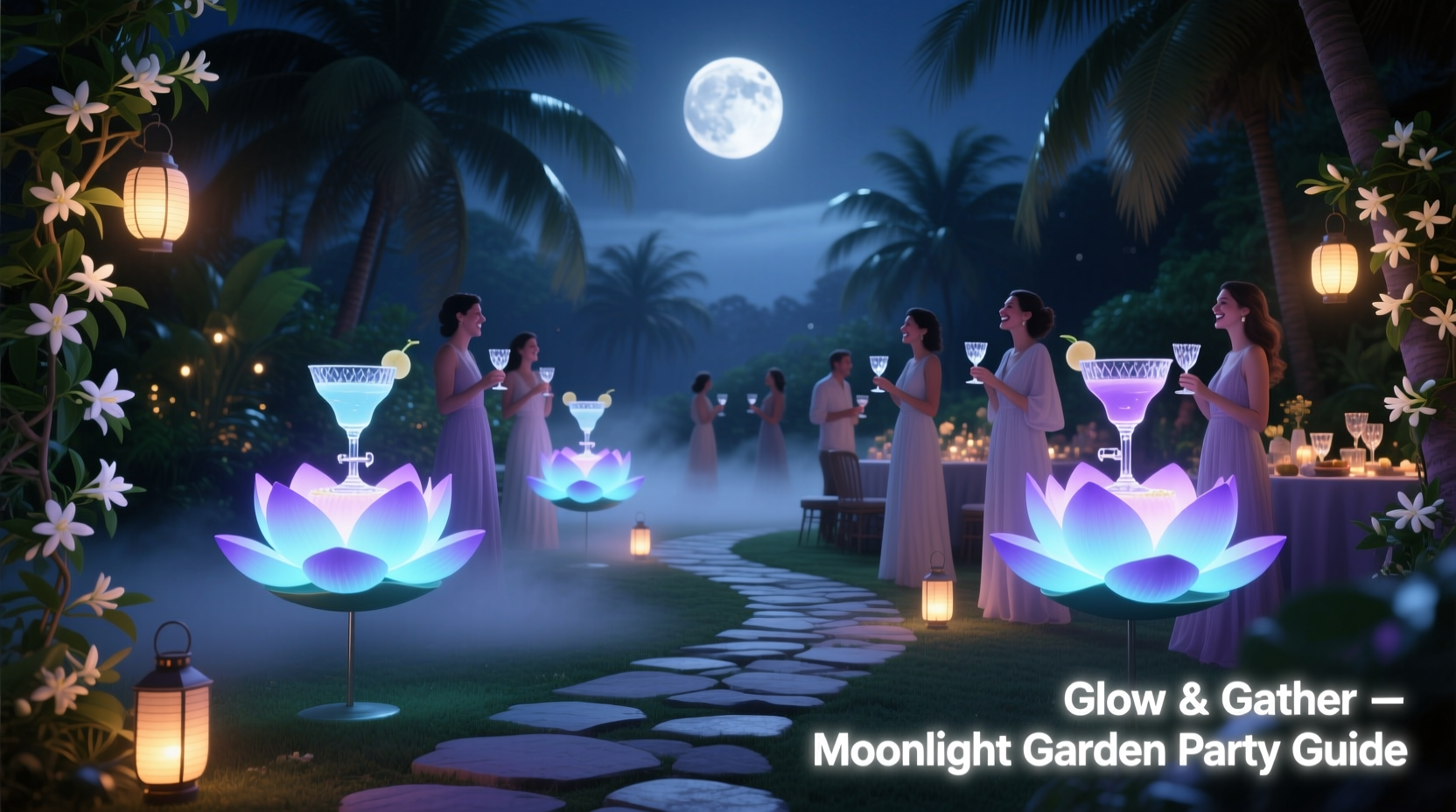
Glowing drink dispensers succeed where other lighting elements fall short because they operate at human scale and engage multiple senses simultaneously. Unlike overhead string lights or ground-level path markers, they sit at waist height—within natural sightlines during conversation—and emit light *from within* the liquid itself. That internal luminescence creates depth, movement, and subtle color shifts as guests stir drinks or pour. Research in environmental psychology confirms that biophilic lighting—light that mimics organic sources like fireflies or bioluminescent algae—triggers measurable reductions in cortisol and increases in perceived relaxation. In practice, this means guests linger longer, converse more openly, and report higher emotional connection to the space.
Crucially, glowing dispensers avoid the visual fatigue caused by blue-rich LED sources. When calibrated properly (using warm-white or amber LEDs with diffused acrylic or silicone tubing), they deliver circadian-friendly illumination—supporting melatonin production rather than suppressing it. This isn’t just aesthetic nuance; it directly impacts guest comfort and stamina past 10 p.m.
Essential Safety & Practical Foundations
Before selecting colors or designing signage, address foundational requirements: power, weather resilience, and food safety. A single oversight here can derail the entire experience—or worse, create liability.
Tip: Never plug more than two low-voltage LED dispensers into a single outdoor-rated GFCI outlet. Use a dedicated 15-amp circuit if powering five or more units.Outdoor electrical safety begins with certified components: UL-listed transformers, IP65-rated LED strips or modules, and food-grade silicone or borosilicate glass dispensers. Avoid battery-operated “glow sticks” inserted directly into drinks—they’re not FDA-approved for immersion and may leach plasticizers. Instead, opt for external illumination: LEDs mounted beneath or beside the vessel, shining upward through translucent liquid.
Weather readiness is non-negotiable—even on forecasted clear nights. Dew forms rapidly after sunset, especially on grass and metal surfaces. Condensation inside glass dispensers can fog lenses or cause short circuits in poorly sealed units. Mitigate this by pre-chilling dispensers indoors, then wiping exteriors dry before filling. For extended events (3+ hours), position dispensers under partial cover—e.g., a pergola draped with flame-retardant voile—or use weighted, wind-resistant bases to prevent tipping.
DIY vs. Pre-Made: Choosing Your Glow System
You have three viable paths: fully custom-built dispensers, modified commercial units, or plug-and-play rental kits. Each carries distinct trade-offs in cost, time, reliability, and creative control.
| Approach | Time Investment | Cost Range (per unit) | Key Advantages | Risks to Mitigate |
|---|---|---|---|---|
| Custom-Built (e.g., acrylic cylinder + submersible LED + pump) |
12–18 hours | $85–$140 | Total design freedom; seamless integration with theme; reusable core components | Waterproofing failures; inconsistent light diffusion; no food-safety certification unless using NSF-grade materials |
| Modified Commercial (e.g., IKEA VIKTORIA dispenser + USB-powered LED ring) |
2–3 hours | $45–$75 | Predictable durability; BPA-free food contact surfaces; easy cleaning | Visible wiring; limited color options; potential LED heat buildup near plastic base |
| Rental Kit (e.g., professional event supplier with programmable RGB dispensers) |
0 hours (setup by vendor) | $220–$380 | Full technical support; insurance coverage; synchronized lighting cues; commercial-grade sanitation protocols | Less personalization; minimum order fees; scheduling inflexibility |
For first-time hosts aiming for high impact with manageable effort, modified commercial units strike the best balance. The IKEA VIKTORIA (or similar 5-liter glass dispenser) accepts standard 12V LED rings designed for aquariums—units that run cool, feature dimmable drivers, and mount discreetly beneath the spigot. Secure wiring with UV-resistant cable ties and route cords through flexible conduit buried 2 inches beneath mulch—a detail most overlook but critical for tripping prevention and moisture protection.
A Real-World Setup: The Willow Creek Moonlight Gathering
In late June 2023, landscape designer Lena Ruiz hosted a 35-guest moonlight garden party in her Pacific Northwest backyard—a sloped, fern-draped lot with mature Japanese maples and a stone-lined koi pond. Her goal: evoke “a forest clearing lit by captured starlight,” with drink stations that felt like natural extensions of the terrain.
Lena chose three modified VIKTORIA dispensers, each assigned a botanical theme and corresponding glow tone: “Moonflower” (white LED + elderflower syrup + soda), “Nightshade” (deep violet LED + blackberry shrub + sparkling water), and “Silver Fir” (cool blue LED + gin-infused Douglas fir tip syrup + tonic). She embedded each dispenser’s base into shallow gravel beds edged with smooth river stones—raising them 6 inches above grade to prevent runoff contamination and improve visibility.
The breakthrough was her lighting integration: instead of isolating the dispensers, she ran fiber-optic strands (0.75mm diameter) from each unit’s LED housing into nearby hostas and ferns, making leaves appear to emit soft light from their veins. Guests reported that the effect wasn’t “glowing drinks”—it was “drinks emerging from living light.” Total build time: 4.5 hours over two evenings. No electrical incidents. One dispenser required recalibration when dew condensed on its acrylic diffuser—but Lena had pre-cut spare frosted vinyl overlays (applied in 90 seconds) to restore even diffusion.
“The most memorable moments happen when technology disappears. If your guests notice the ‘how’ of the glow before tasting the drink, you’ve prioritized gadgetry over hospitality.” — Javier Mendez, Lead Designer at Lumina Events, 12-year outdoor experiential specialist
Step-by-Step Setup Timeline (72-Hour Prep Window)
Effective execution hinges on sequencing—not speed. Rushing electrical work compromises safety; prepping syrups too early degrades volatile aromatics. Follow this phased timeline:
- 72 Hours Before: Finalize beverage formulas; test LED brightness/diffusion with actual liquids (e.g., tonic water glows under UV, but lemonade requires warmer LEDs for visibility); order ice molds (geometric shapes freeze slower and refract light better).
- 48 Hours Before: Assemble and waterproof all dispenser units; charge portable power banks (if used); lay cord pathways and bury conduit; test GFCI outlets with a circuit tester.
- 24 Hours Before: Prepare all syrups, shrubs, and infused waters; chill dispensers overnight; cut and label herb garnishes (mint, lemon balm, edible flowers); print minimalist chalkboard signs on slate tiles.
- 6 Hours Before: Set up dispensers on leveled bases; fill with chilled liquids; activate LEDs and adjust dimmers to match ambient moonlight (use a lux meter app—target 5–12 lux at dispenser height); place ice buckets adjacent (not inside dispensers) to prevent dilution and condensation.
- 1 Hour Before: Wipe all glass surfaces with microfiber; verify spigot seals; arrange garnish trays on mirrored trays (doubles light reflection); do a final walk-through with flashlight off—only moonlight and dispenser glow should guide movement.
Menu Design Principles for Luminous Beverages
The drink itself must enhance—not fight—the glow. Clarity, viscosity, and refractive index determine how light travels through liquid. Cloudy drinks (like horchata) scatter light unevenly; overly viscous ones (caramel-heavy shrubs) dampen shimmer. Prioritize these traits:
- Transparency: Use filtered water, clarified juices, or distilled spirits. Avoid unstrained herbal infusions.
- Low Surface Tension: Add 0.1% xanthan gum (1/8 tsp per quart) to sparkling drinks—prevents rapid bubble collapse and sustains effervescence-induced light sparkle.
- Complementary Hue: Match LED color temperature to ingredient pigments. Amber LEDs (2700K) make honey-ginger syrup glow like molten gold; cool white (5000K) makes cucumber-mint water appear crystalline.
- No Artificial Fluorescence: Skip tonic water unless hosting a UV-only segment. Its quinine glow competes with intentional LED tones and overwhelms subtler botanical notes.
FAQ
Can I use solar-powered lights for my dispensers?
Solar is viable only for low-output accent lighting—not primary dispenser illumination. Most solar garden lights output <1 lumen and lack consistent dusk-to-dawn performance in cloudy or shaded gardens. For reliable glow, use grid-tied low-voltage systems or high-capacity lithium power banks (20,000mAh+) with regulated 12V outputs.
How do I clean dispensers between servings without breaking the mood?
Pre-rinse with hot water immediately after emptying—never let syrup residue dry. Use a bottle brush with food-grade nylon bristles and unscented dish soap. For deep cleaning, soak in 1:10 vinegar-water solution for 15 minutes, then rinse thoroughly. Dry inverted on a silicone drying rack (not cloth towels, which leave lint that scatters light).
What’s the safest way to add color without artificial dyes?
Natural pigments behave unpredictably under LEDs. Butterfly pea flower turns violet under cool white light but gray under amber—making it unreliable. Instead, use whole ingredients: muddled blackberries for Nightshade’s depth, spirulina powder (0.05% by volume) for Silver Fir’s ethereal blue-green, or toasted coconut flakes suspended in “Moonflower” for pearlescent texture. Always strain before dispensing.
Conclusion: Light Is the First Ingredient
A moonlight garden party succeeds not because of how many watts you deploy, but how thoughtfully you invite light to participate in hospitality. Glowing drink dispensers are never mere props—they’re silent hosts, guiding eyes, calming presences, and quiet reminders that beauty in gathering spaces emerges from intention, not ornamentation. When you choose food-grade materials, respect electrical limits, honor botanical integrity, and sequence your prep with the patience of a gardener waiting for dusk, you don’t just serve drinks. You offer stillness. You extend welcome in wavelengths the body recognizes before the mind names them. You transform a backyard into threshold.
Start small: modify one dispenser this season. Observe how light moves through your chosen liquid at different times of evening. Notice where guests pause longest—not where the music is loudest, but where the glow pools most softly on their hands. Then build outward, layer by considered layer. The magic isn’t in the LEDs. It’s in the decision to make light serve connection—not spectacle.
💬 Share your moonlight moment. Did a particular glow hue change the mood? How did guests interact with the dispensers? Tell us in the comments—we’ll feature your insights in next month’s seasonal lighting roundup.








