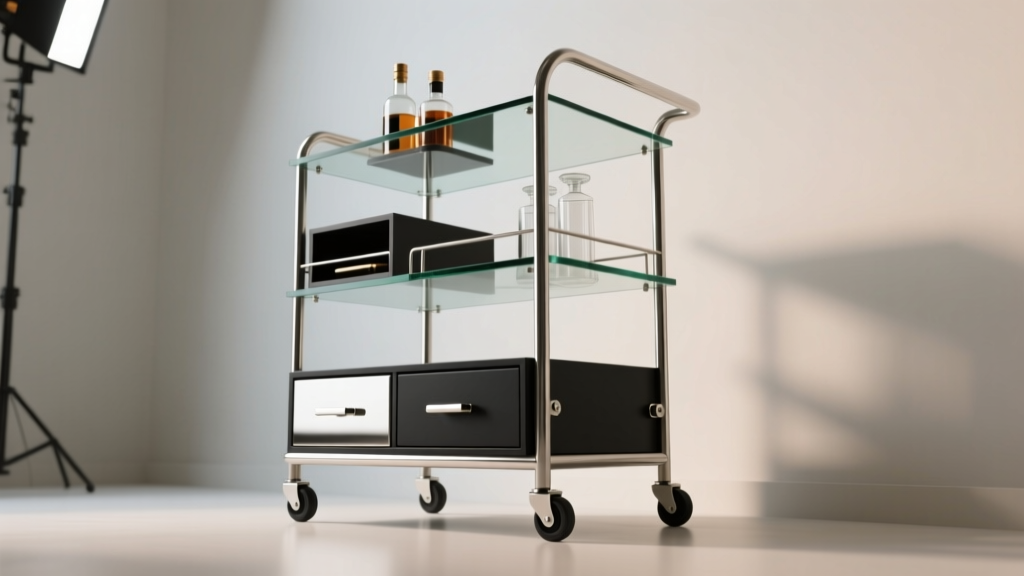
Types of Modular Home Furniture Dressing Tables
A modular dressing table is a highly adaptable piece of furniture designed to meet diverse functional and spatial needs in modern homes. These customizable units combine style, efficiency, and smart design to maximize utility—especially in compact living spaces. Whether you're looking for storage, space-saving features, or multi-functionality, there’s a modular dressing table to suit your lifestyle.
Wall-Mounted Dressing Tables
Suspended directly from the wall with no legs or base touching the floor, this design creates a floating effect that enhances visual lightness.
Advantages
- Maximizes floor space in small bedrooms
- Easy to clean underneath
- Modern, minimalist aesthetic
- Reduces clutter visually
Limitations
- Requires strong wall mounting (not suitable for all walls)
- Limited under-table storage
- Installation can be complex
Best for: Small apartments, minimalist interiors, modern bedroom designs
Folding Dressing Tables
Engineered with hinges and collapsible mechanisms, these tables fold flat against the wall or into compact forms when not in use.
Advantages
- Exceptional space efficiency
- Can be partially folded (e.g., mirror only)
- Ideal for dual-purpose rooms
- Quick setup and takedown
Limitations
- Mechanical parts may wear over time
- Limited surface area
- Fewer storage options
Best for: Studio apartments, guest rooms, compact living spaces
Ottoman Style Dressing Tables
These units replace the traditional chair with a padded ottoman, often integrated into the design or matching the table’s style.
Advantages
- Comfortable, cushioned seating
- Ottoman can double as extra seating or footrest
- Softens room aesthetics
- Often includes hidden storage inside ottoman
Limitations
- Ottoman may require separate cleaning/maintenance
- Less ergonomic than adjustable stools
- Bulkier than chair-based models
Best for: Cozy bedrooms, vintage or glam interiors, homes prioritizing comfort
Dressing Tables with Storage Drawers
Featuring multiple drawers beneath the tabletop, these are ideal for organizing cosmetics, jewelry, and grooming tools.
Advantages
- Ample organized storage
- Keeps countertop clutter-free
- Often includes built-in mirrors and LED lighting
- Durable and functional like a desk
Limitations
- Can look bulky in small rooms
- Higher cost due to added features
- Requires more floor space
Best for: Makeup enthusiasts, organized spaces, master bedrooms
Pedestal Dressing Tables
Centered around a single vertical support (pedestal), this elegant design offers a sleek, sculptural look reminiscent of boutique display furniture.
Advantages
- Stylish and sophisticated appearance
- 360° legroom and accessibility
- Takes up less footprint than four-legged tables
- Excellent for focal-point placement
Limitations
- Limited storage capacity
- Less stability with heavy use
- Fewer matching seating options
Best for: Luxurious bedrooms, modern decor, statement furniture pieces
Convertible Dressing Tables
Highly versatile units that transform into desks, vanities, workstations, or console tables with simple adjustments.
Advantages
- Maximizes functionality in multi-use rooms
- Saves money by replacing multiple furniture pieces
- Ideal for home offices or studio apartments
- Innovative mechanisms enhance user experience
Limitations
- More expensive due to complexity
- Mechanical parts may require maintenance
- May compromise on ergonomics in secondary modes
Best for: Small homes, home offices, minimalist and functional living
Freestanding Dressing Tables
Classic-style modular units that stand independently, often with open space underneath and optional drawers or shelves.
Advantages
- Easy to assemble and move
- Versatile in placement and decor
- Offers under-table storage (e.g., baskets, stools)
- Wide range of styles and finishes
Limitations
- Takes up more floor space
- May look cluttered without proper organization
- Legs can obstruct cleaning
Best for: Spacious bedrooms, traditional interiors, flexible furniture layouts
| Type | Space Efficiency | Storage Capacity | Style | Ideal For |
|---|---|---|---|---|
| Wall-Mounted | Excellent | Fair | Modern, Minimalist | Small bedrooms, urban apartments |
| Folding | Excellent | Low | Functional, Compact | Studio apartments, guest rooms |
| Ottoman Style | Good | Good | Cozy, Elegant | Comfort-focused bedrooms |
| With Storage Drawers | Fair | Excellent | Classic, Organized | Makeup lovers, master suites |
| Pedestal | Very Good | Fair | Luxurious, Sculptural | Statement interiors, boutiques |
| Convertible | Excellent | Good | Modern, Multi-functional | Home offices, small spaces |
| Freestanding | Fair | Good | Versatile, Traditional | Spacious rooms, flexible layouts |
Expert Tip: When selecting a modular dressing table, consider your room size, daily routine, and storage needs. For small spaces, prioritize wall-mounted or folding designs. If you use a lot of beauty products, opt for models with multiple drawers. Always ensure the height and mirror position are ergonomically suited to your seating preference.
Features and Functions of Modular Home Furniture Dressing Table
Modular dressing tables have revolutionized bedroom furniture by combining functionality, adaptability, and modern design. These smartly engineered pieces are ideal for diverse living spaces—from compact apartments to spacious master bedrooms. With a wide range of customization options across brands and models, modular dressing tables offer personalized solutions that enhance both organization and aesthetics. Below is a detailed exploration of their key features and how they contribute to a more efficient and stylish daily routine.
Core Features of Modular Dressing Tables
Modular Design
The hallmark of this furniture type is its modular architecture, allowing users to configure, reconfigure, or expand components based on evolving needs. Unlike traditional fixed units, modular dressing tables support interchangeable elements such as side cabinets, floating shelves, or leg variations. This flexibility enables seamless integration into different room layouts and allows for future upgrades without replacing the entire unit.
For example, a minimalist setup might include just a tabletop and mirror, while an expanded version could incorporate a full vanity wall with drawers, lighting, and seating. This adaptability makes modular designs ideal for renters, growing families, or those who frequently redecorate.
Space-Saving Innovations
Designed with urban living in mind, many modular dressing tables incorporate intelligent space-saving mechanisms. Features such as foldable mirrors, pull-out trays, and retractable tabletops maximize utility without occupying excess floor area. Some models include built-in ottomans or benches with hidden storage that can be tucked neatly under the table when not in use.
Wall-mounted or corner-configured units are particularly effective in small rooms, offering full functionality while preserving open space. These features make modular dressing tables a top choice for studio apartments, walk-in closets, or multi-functional bedrooms.
Comprehensive Storage Solutions
Organization is at the heart of a well-designed dressing table. These units typically offer a variety of storage options tailored to different types of accessories and beauty essentials. Multiple drawer configurations—ranging from shallow trays for jewelry to deep compartments for skincare products—help maintain order and accessibility.
Many models include lined or velvet-finished drawers to protect delicate items, while adjustable dividers allow for personalized organization. Open shelving provides quick access to frequently used products, and closed cabinets conceal clutter for a clean, minimalist appearance. Some advanced designs even feature rotating carousels or lift-up compartments for optimal space utilization.
Integrated Lighting Systems
Proper lighting is essential for makeup application, grooming, and skin care. Modern modular dressing tables often come equipped with built-in LED lighting systems that simulate natural daylight, reducing shadows and enhancing visibility. Lights are commonly positioned around the mirror frame or embedded along the edges for even illumination.
Touch-sensitive controls with adjustable brightness levels allow users to customize lighting intensity based on time of day or task. Some premium models offer color temperature settings (warm, neutral, cool) for greater versatility. Ambient backlighting also adds a luxurious, hotel-style aesthetic to the bedroom environment.
Variety of Materials and Finishes
Modular dressing tables are constructed using a range of high-quality materials to suit different durability, aesthetic, and budget requirements. Solid wood and real wood veneers offer warmth and longevity, ideal for traditional or rustic interiors. Engineered materials like MDF (Medium-Density Fiberboard) provide stability and affordability, often finished with laminate for scratch and moisture resistance.
Glass tabletops are popular for their sleek, modern look and easy maintenance, while metal accents add structural strength and contemporary flair. Finishes vary widely—from matte and high-gloss lacquers to textured wood grains and painted finishes—allowing the piece to complement any décor theme, whether Scandinavian minimalism or industrial chic.
Extensive Customization Options
One of the greatest advantages of modular dressing tables is the level of personalization they offer. Consumers can select from various sizes, shapes, colors, and component combinations to create a piece that perfectly fits their space and lifestyle. Whether you need extra drawer space for a growing cosmetics collection or a compact setup for a guest room, customization ensures functional precision.
Additional options include choice of hardware (knobs, handles), mirror styles (oval, rectangular, illuminated), and integration with seating or wardrobe systems. This modular approach supports long-term use, as individual parts can be upgraded or replaced—reducing waste and promoting sustainable consumption.
| Feature | Functional Benefit | Design & Lifestyle Fit |
|---|---|---|
| Modular Design | Adaptable layout; scalable storage | Ideal for evolving needs and small spaces |
| Space-Saving Elements | Maximizes utility in compact areas | Perfect for apartments and multi-use rooms |
| Storage Variety | Keeps items organized and accessible | Suits both minimalists and beauty enthusiasts |
| LED Lighting | Enhances grooming accuracy | Adds modern elegance and ambiance |
| Material Choices | Balances durability, cost, and style | Matches diverse interior themes |
| Custom Configurations | Personalized fit and function | Supports long-term usability and design cohesion |
Why Choose a Modular Dressing Table?
Important: When selecting a modular dressing table, measure your space carefully and consider traffic flow, lighting sources, and existing furniture. Opt for high-quality materials and hardware to ensure durability, especially if the table will be used daily. Always follow assembly instructions precisely to maintain structural integrity and safety. Investing in a well-designed modular unit enhances both functionality and the overall ambiance of your personal space.
Scenarios of Modular Home Furniture Dressing Tables
Modular home furniture dressing tables are among the most versatile and functional pieces in modern interior design. Combining elegance, utility, and smart storage, these adaptable units can be customized to suit a wide range of spaces and lifestyles. Their modular nature allows for flexible configurations, making them ideal for various rooms and user needs. Below is a comprehensive look at the most common and effective scenarios where modular dressing tables enhance both form and function.
Master Bedrooms
One of the most popular placements for a modular dressing table is within the master bedroom. It provides a dedicated, personal space for daily grooming, skincare, and makeup application, streamlining morning and evening routines.
- Integrated drawers and compartments store cosmetics, perfumes, jewelry, and hair accessories, reducing clutter on nightstands or vanities
- Many models include built-in LED lighting and magnifying mirrors for precise makeup application and skincare routines
- Customizable heights and seating options ensure ergonomic comfort for prolonged use
- Available in finishes that match existing bedroom furniture, enhancing overall aesthetic harmony
Design Tip: Pair with a plush stool or bench and soft ambient lighting to create a spa-like atmosphere.
Guest Rooms
Equipping guest rooms with a modular dressing table elevates the comfort and convenience offered to visitors, making them feel truly at home.
- Provides guests with a private area to freshen up, style hair, or apply makeup without needing to use shared bathrooms
- Compact and space-efficient designs work well in smaller guest rooms without overwhelming the layout
- Often includes a flip-up mirror or foldable design to save space when not in use
- Neutral finishes and minimalist styling ensure broad appeal across different guest preferences
Hospitality Insight: A well-equipped dressing table signals thoughtfulness and attention to detail, improving the overall guest experience.
Teen Bedrooms
For teenagers, a modular dressing table serves as a multi-functional hub for personal care, study, and organization—catering to their evolving independence and lifestyle.
- Combines grooming space with study surfaces; some models feature pull-out desks or fold-down workstations
- Ample storage helps teens organize makeup, school supplies, and personal items, promoting responsibility and tidiness
- Customizable layouts allow for personal expression through color choices, lighting, and accessory integration
- Durable materials withstand frequent use and changing needs over time
Parent-Friendly Feature: Closed storage prevents dust accumulation and keeps small items secure.
Walk-in Closets
Integrating a modular dressing table directly into a walk-in closet transforms it into a luxury dressing suite, merging wardrobe access with grooming convenience.
- Enables users to try on outfits and apply finishing touches without moving between rooms
- Often paired with full-length mirrors, LED lighting, and charging stations for devices
- Compact corner units or slim-profile designs maximize space efficiency
- Can be part of a larger modular system that includes shoe racks, hanging rods, and drawer units
Style Advantage: Creates a boutique-like experience, ideal for fashion enthusiasts and busy professionals.
Bathrooms
In modern homes, modular dressing tables are increasingly positioned just outside or adjacent to the bathroom, serving as a stylish alternative or complement to traditional vanities.
- Keeps electronics, makeup, and delicate items away from humidity and splashes, prolonging their lifespan
- Allows for a dedicated makeup station with optimal lighting, separate from the bathroom mirror
- Available with waterproof finishes and easy-to-clean surfaces for high-moisture environments
- Can include charging ports, Bluetooth speakers, or built-in outlets for convenience
Smart Layout: Ideal for en-suite bathrooms where space allows for a transitional grooming zone.
Dressing Rooms
In dedicated dressing rooms or personal fashion spaces, modular dressing tables are central to the design, offering both functionality and elegance.
- Designed for full-body visibility with tri-fold mirrors, adjustable angles, and panoramic views
- Integrated storage for accessories like belts, scarves, watches, and handbags keeps everything within reach
- High-end models feature motorized lighting, climate control, or smart sensors for a premium experience
- Customizable dimensions and modular add-ons allow for expansion as wardrobe needs grow
Luxury Touch: Combine with seating, carpeting, and mood lighting to create a personalized fashion sanctuary.
Interior Design Insight: When selecting a modular dressing table, consider not just the room but the user’s lifestyle. A student may benefit from a compact, study-friendly design, while a fashion professional might prefer a large, well-lit unit with extensive storage. Always prioritize ergonomics, material quality, and ease of assembly to ensure long-term satisfaction.
| Room/Scenario | Key Features | Recommended Style | Ideal User Profile |
|---|---|---|---|
| Master Bedroom | LED mirrors, jewelry drawers, soft-close mechanisms | Luxury modern or classic | Homeowners, couples, professionals |
| Guest Room | Compact size, foldable mirror, minimal storage | Minimalist, neutral tones | Hosts, Airbnb owners |
| Teen Bedroom | Multi-use surface, colorful finishes, study integration | Contemporary, customizable | Teenagers, students |
| Walk-in Closet | Space-saving design, integrated lighting, matching finishes | High-end modular | Fashion-conscious individuals |
| Bathroom (Adjacent) | Moisture-resistant materials, charging ports, task lighting | Modern, sleek | Urban dwellers, small-space residents |
| Dressing Room | Tri-fold mirror, accessory storage, smart lighting | Boutique-style, luxury | Design enthusiasts, influencers |
Additional Considerations for Optimal Use
- Lighting: Natural or warm-white LED lighting reduces eye strain and provides accurate color representation for makeup application
- Ergonomics: Table height and stool compatibility are crucial for comfort during extended use
- Material Quality: Solid wood, tempered glass, and scratch-resistant laminates ensure durability and aesthetic longevity
- Customization: Look for brands offering modular add-ons like extension trays, ring holders, or cable management systems
- Assembly & Maintenance: Easy-to-assemble kits with clear instructions benefit DIY users, while wipe-clean surfaces simplify upkeep
How to Choose Modular Home Furniture: Dressing Table Buying Guide
Selecting the right modular dressing table is essential for both retailers and end-users. These versatile pieces of furniture combine functionality, style, and adaptability, making them a popular choice for modern bedrooms. Whether you're a business owner curating inventory for resale or a designer advising clients, understanding the key selection criteria ensures customer satisfaction and long-term value. This comprehensive guide outlines the most important factors to consider when choosing modular dressing tables for various home environments.
Important Note: Modular furniture offers flexibility, but quality and design consistency are crucial. Always assess build quality and compatibility with other modular units to ensure a cohesive look and lasting durability.
Key Factors in Choosing Modular Dressing Tables
- Size and Space Optimization
Offering a range of sizes is critical for meeting diverse customer needs. Compact modular dressing tables (ranging from 24" to 36" wide) are ideal for small bedrooms, studio apartments, or walk-in closets with limited floor space. Larger models (48" and above) provide ample surface area and are perfect for master suites where users need room for multiple beauty products, accessories, and personal items.
Consider modular units with scalable designs—some can be expanded or reconfigured as space needs change. This flexibility appeals to renters and growing families alike.
- Storage Capacity and Organization
Diverse storage options enhance functionality and appeal. Look for modular dressing tables with customizable configurations such as pull-out drawers, open shelves, closed cabinets, and partitioned compartments. Advanced models feature specialized zones—like padded jewelry trays, tilt-out mirror compartments, or dedicated slots for makeup brushes and skincare bottles.
Well-organized interiors prevent clutter and improve user experience. Tables with soft-close drawers and smooth-gliding mechanisms signal premium quality and add to the product’s perceived value.
- Design and Aesthetic Versatility
To match a wide range of interior styles, stock modular dressing tables in multiple design aesthetics. Modern and minimalist designs with clean lines, neutral tones, and sleek hardware complement contemporary and Scandinavian interiors. For traditional or vintage-themed spaces, offer models with ornate detailing, carved legs, or antique finishes.
Neutral colors like white, gray, walnut, and oak allow easy integration into existing bedroom schemes, while bold options (black, navy, or two-tone finishes) cater to statement-focused buyers.
- Materials and Long-Term Durability
Material selection directly impacts longevity and customer satisfaction. Solid wood offers premium durability and timeless appeal but comes at a higher price point. High-density engineered wood (such as MDF or plywood) with laminate or veneer finishes provides a cost-effective, stable, and scratch-resistant alternative.
Metal accents or frames add structural strength and a modern touch. Always inspect edge banding, joint construction, and surface coatings—these details indicate craftsmanship. Surfaces should be non-porous, easy to wipe clean, and resistant to moisture and cosmetic stains.
- Functionality and Multi-Use Features
Today’s consumers value multifunctional furniture. Modular dressing tables with convertible features—such as extendable desktops that double as workspaces, fold-down mirrors, or integrated charging stations—offer exceptional value. Some models transform into full vanity units with pull-out stools or ottomans.
Consider units that integrate seamlessly with other bedroom furniture (wardrobes, nightstands) for a unified modular system. This enhances both aesthetics and space efficiency.
- Integrated Lighting and Mirrors
Proper lighting is essential for grooming and makeup application. Tables with built-in LED lighting—especially around mirrors—provide even, shadow-free illumination. Look for models with adjustable color temperatures (warm to cool white) to suit different times of day and tasks.
Backlit or illuminated mirrors enhance ambiance and functionality. Some advanced units include dimmer switches or touch controls. Integrated magnifying mirrors are a bonus for precision grooming. These features significantly boost perceived value and customer appeal.
- Portability and Easy Assembly
Modular dressing tables are often favored by urban dwellers, renters, and frequent movers. Lightweight construction and flat-pack designs make transportation and reassembly easier. Ensure units come with clear, illustrated instructions and all necessary hardware.
Look for systems that use tool-free assembly or quick-connect mechanisms. Components should be durable enough to withstand multiple setups without damage. This portability factor increases marketability across demographics, from students to young professionals.
| Selection Factor | Recommended Features | Ideal For | Buyer Tip |
|---|---|---|---|
| Size & Space | 24"–48" widths, expandable units | Small apartments, master bedrooms | Offer size guides to help customers visualize fit |
| Storage | Drawers, shelves, jewelry trays | Heavy makeup users, organizers | Prioritize soft-close mechanisms |
| Design | Modern, traditional, minimalist | Varying interior styles | Stock neutral colors for broad appeal |
| Materials | Solid wood, MDF, metal accents | Long-term use, high traffic | Check for water-resistant finishes |
| Functionality | Convertible tops, ottomans | Small spaces, multi-use needs | Demonstrate transformation features |
| Lighting | LED mirrors, adjustable brightness | Grooming, evening prep | Show lighting in action |
| Portability | Flat-pack, lightweight, tool-free | Renters, frequent movers | Highlight easy reassembly |
Expert Tip: Create display setups in your showroom or online catalog that show modular dressing tables in real-life scenarios—paired with matching wardrobes, lighting, and seating. This helps customers visualize the product in their space and increases conversion rates.
Additional Retailer Recommendations
- Offer customization options such as interchangeable fronts, color swatches, or add-on modules to enhance customer engagement.
- Provide detailed product specifications online, including dimensions, weight, material composition, and care instructions.
- Train sales staff to understand the benefits of modular systems and how they can be reconfigured over time.
- Partner with interior designers or influencers to showcase styling possibilities and reach a broader audience.
- Consider bundling dressing tables with matching mirrors, stools, or lighting for increased average order value.
Choosing the right modular dressing table involves balancing aesthetics, functionality, and practicality. By offering a diverse, well-curated selection that addresses various customer needs—from compact urban living to luxurious master suites—retailers can position themselves as trusted sources for modern bedroom solutions. Remember, today’s consumers seek smart, adaptable furniture that evolves with their lifestyles, making modular dressing tables a smart investment for both buyers and sellers.
Modular Home Furniture Dressing Table – Frequently Asked Questions
Modular furniture offers flexibility, style, and functionality—especially when it comes to personalized spaces like dressing tables. Whether you're furnishing a bedroom, walk-in closet, or vanity area, understanding the customization, durability, and delivery timelines of modular dressing tables is essential. Below are answers to the most common questions to help you make an informed decision.
Q1: Can modular furniture be customized?Yes, one of the biggest advantages of modular home furniture—especially modular dressing tables—is the ability to customize according to your space, style, and functional needs. Many manufacturers offer a wide range of personalization options, allowing you to tailor the design to fit your lifestyle.
- Size & Configuration: Choose from various dimensions and modular units (e.g., drawers, shelves, mirror cabinets) to fit small corners or large master suites.
- Color & Finish: Select from a variety of finishes such as matte, glossy, wood grain, or solid colors to match your interior décor.
- Functional Add-Ons: Include features like built-in LED lighting, power outlets, jewelry trays, pull-out mirrors, or cable management systems for a modern, organized setup.
- Material Options: Customize with materials like engineered wood, MDF, solid wood, or acrylic laminates based on budget and aesthetic preferences.
Customization ensures that your modular dressing table not only looks great but also maximizes storage and usability in your space.
Q2: Is modular furniture durable?The durability of modular furniture, including dressing tables, largely depends on the quality of materials and construction techniques used. When properly made and maintained, modular furniture can be highly durable and long-lasting.
- Solid Wood: Offers excellent strength and longevity, with natural resistance to wear. Ideal for heirloom-quality pieces but typically at a higher price point.
- Engineered Wood (Plywood, MDF, Particle Board): High-quality engineered wood with melamine or laminate finishes is resistant to warping, moisture, and scratches—perfect for daily use in humid environments like bedrooms.
- Joinery & Hardware: Look for furniture with dovetail drawers, metal runners, and reinforced joints, which enhance structural integrity and smooth operation over time.
- Finish Protection: UV-coated or laminated surfaces help protect against fading, stains, and everyday wear.
With proper care—such as avoiding excessive moisture and using gentle cleaners—modular dressing tables can remain functional and attractive for 10–15 years or more, making them a smart investment for modern homes.
Q3: What is the lead time for modular furniture orders?Lead times vary depending on whether you're ordering a standard design or a fully customized modular dressing table. Production timelines are also influenced by the manufacturer’s workload, material availability, and order complexity.
| Order Type | Average Lead Time | Key Influencing Factors |
|---|---|---|
| Standard Designs (Pre-configured) | 7 to 14 days | Availability of stock, warehouse location, and shipping logistics. |
| Fully Customized Options | 14 to 21 days | Design approval time, material sourcing, production queue, and finishing processes. |
| Bulk or Large Orders | 21+ days | Custom tooling, quality checks, packaging, and coordinated delivery schedules. |
It's recommended to confirm the estimated delivery timeline with your supplier at the time of order. Expedited production or delivery may be available for urgent needs, often at an additional cost. Always allow extra time during peak seasons like holidays or home renovation periods.