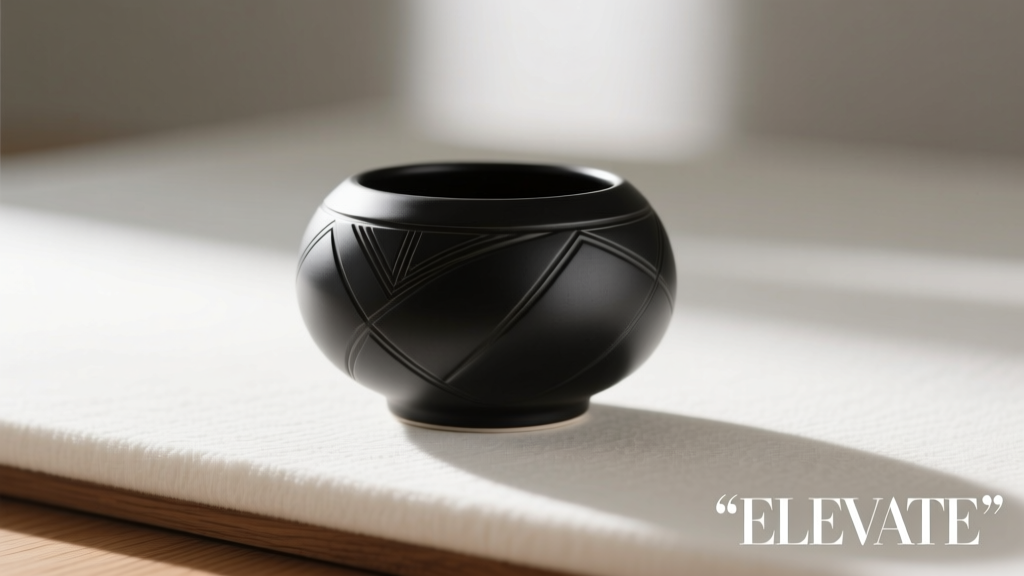
Mexico Gift Ideas from the Artisan Tradition
Mexican gift ideas, rooted in centuries-old artisan traditions, are perfect for those who appreciate handcrafted items with cultural depth and historical significance. Mexican artisans continue to use natural materials and time-honored techniques, preserving ancient methods while adapting to modern tastes. From vibrant textiles to intricate pottery, each piece tells a story of regional identity, ancestral knowledge, and artistic excellence. Whether you're shopping for a meaningful souvenir or a heartfelt present, these handcrafted gifts offer authenticity and beauty. Below is a curated guide to some of the most iconic artisanal gifts from different regions of Mexico.
Cultural Insight: Many Mexican artisan gifts are made using techniques passed down through generations. Purchasing these items directly supports local communities and helps preserve indigenous craftsmanship.
Guadalajara, Jalisco – Heart of Mariachi and Master Craftsmanship
As the capital of Jalisco, Guadalajara is renowned not only for tequila and mariachi music but also as a vibrant hub of traditional Mexican arts and crafts. The city and its surrounding villages are home to skilled artisans who blend colonial influences with indigenous heritage. Here are some standout handmade gifts from this dynamic region:
Talavera Pottery
Authentic Talavera pottery from Puebla and Guadalajara is a UNESCO-recognized craft known for its intricate hand-painted designs and rich color palette. Artisans use locally sourced clay and natural pigments to create tiles, plates, vases, and decorative items. The traditional blue, green, yellow, and black patterns are inspired by Moorish, Spanish, and indigenous motifs. Each piece undergoes a meticulous process of molding, drying, glazing, and firing, taking several weeks to complete.
Origin: Puebla & Jalisco Craft: Hand-painted ceramicCharro Belts (Cinturones Charros)
These ornate leather belts are a symbol of Mexico’s equestrian tradition. Crafted by skilled talabarteros (leather artisans), charro belts feature embossed designs such as floral patterns, Aztec symbols, or national emblems. Made from high-quality leather and often adorned with silver or brass studs, they are both functional and decorative—worn during festivals, rodeos, and cultural events. A beautifully crafted charro belt makes a bold and authentic gift for someone who appreciates Mexican heritage.
Origin: Western Mexico Craft: Hand-tooled leatherworkGlass Blowing Artistry
Guadalajara’s glassblowing tradition dates back to colonial times, with artisans in nearby towns like Tlaquepaque creating stunning hand-blown glassware. From colorful drinkware and vases to intricate chandeliers and sculptures, each piece is shaped using molten glass and traditional tools. The vibrant hues and organic forms reflect both creativity and technical mastery. These glass items are not only functional but also serve as striking decorative art pieces.
Origin: Tlaquepaque, Jalisco Craft: Hand-blown glassCentral Mexico – Timeless Traditions from the Highlands
The central highlands of Mexico, including regions like Estado de México, Michoacán, and Querétaro, are home to indigenous communities that have preserved their artisanal practices for centuries. The gifts from this area reflect a deep connection to nature, spirituality, and community life. Here are some treasured handcrafted items:
Woven Baskets (Canastas Otomíes)
Skilled Otomi women craft beautiful baskets from natural fibers like rushes, palm leaves, and reeds. These baskets are used for storage, carrying goods, or as decorative wall art. The weaving patterns often carry symbolic meanings, and some baskets are dyed with natural pigments to create vibrant geometric designs. Lightweight yet durable, they are both practical and artistic.
Origin: Otomi communities, Central Mexico Craft: Hand weavingEmbroidered Shawls (Rebozos)
The rebozo is a traditional Mexican shawl, often handwoven and elaborately embroidered. Women in the central highlands use bright threads to create floral, animal, or abstract patterns. Made from cotton, wool, or silk, rebozos are versatile—used as wraps, baby carriers, or ceremonial garments. Each region has its own style, making them collectible and deeply personal gifts.
Origin: Central Highlands Craft: Hand embroidery & weavingCopper Craftsmanship (Cobre Arte Artesanal)
In the town of Santa Clara del Cobre, artisans have been working with copper for over 500 years, a tradition inherited from the Purépecha people. Using hammers, anvils, and fire, they shape copper into pots, trays, jewelry, and sculptures. Each piece is polished to a warm shine and often engraved with intricate designs. These items are not only decorative but also functional, adding a rustic elegance to any home.
Origin: Santa Clara del Cobre, Michoacán Craft: Hand-hammered copperSouthern Mexico – Vibrant Expressions of Indigenous Art
The southern states of Oaxaca, Chiapas, and Guerrero are among the most culturally rich areas in Mexico, home to diverse indigenous groups such as the Zapotec, Mixtec, and Kuna. Their art reflects a profound connection to nature, mythology, and identity. Gifts from this region are known for their bold colors, intricate details, and spiritual significance.
Carved Gourds (Jícaras Talladas)
In Oaxaca, artisans transform dried gourds into exquisite works of art. Using fine tools, they carve intricate scenes depicting daily life, folklore, and religious themes. Some are painted with natural dyes, while others are left in their natural state to highlight the craftsmanship. These gourds are used as bowls, decorative pieces, or ceremonial objects, making them unique and meaningful gifts.
Origin: Oaxaca Craft: Hand carving & paintingTraditional Textiles (Textiles Zapotecos y Mixtecos)
The Zapotec and Mixtec weavers are masters of the backstrap loom, creating stunning textiles from naturally dyed wool and cotton. Their scarves, blankets, and bags feature geometric patterns and symbolic motifs that represent their cosmology and environment. Many pieces are dyed using cochineal (from insects), indigo, and other plant-based pigments, resulting in rich, lasting colors. These textiles are heirloom-quality gifts that celebrate indigenous identity.
Origin: Oaxaca & Guerrero Craft: Backstrap loom weavingMola Art
Although originally from Panama’s Kuna Yala region, Mola art has found a place in southern Mexican markets due to cultural exchange. These intricate textile panels are made using a reverse-appliqué technique, where layers of colored fabric are stitched together and cut to reveal vibrant patterns. Common themes include animals, plants, and mythological figures. Molas are often framed as art or used in jewelry and accessories, making them a striking and educational gift.
Origin: Kuna communities (influenced in Southern Mexico) Craft: Reverse-appliqué textile art| Gift Item | Region | Material | Best For | Price Range |
|---|---|---|---|---|
| Talavera Pottery | Jalisco / Puebla | Clay & natural pigments | Home decor, collectors | $25–$150+ |
| Charro Belt | Western Mexico | Leather & metal | Fashion, cultural gifts | $40–$120 |
| Hand-blown Glass | Tlaquepaque | Borosilicate glass | Drinkware, art pieces | $15–$80 |
| Woven Baskets | Central Mexico | Rushes & palm leaves | Decorative, functional | $10–$50 |
| Embroidered Shawl (Rebozo) | Central Highlands | Cotton, wool, silk | Fashion, heirlooms | $30–$200 |
| Copper Crafts | Michoacán | Hand-hammered copper | Kitchenware, art | $20–$100+ |
| Carved Gourds | Oaxaca | Dried gourd | Art, ceremonial use | $15–$60 |
| Traditional Textiles | Oaxaca & Guerrero | Wool & cotton | Wearables, decor | $40–$300 |
| Mola Art | Southern Mexico | Fabric layers | Wall art, accessories | $20–$100 |
Shopping Tip: When purchasing artisan gifts in Mexico, visit local markets like Tlaquepaque (Jalisco), Mercado de Artesanías in Oaxaca, or Tianguis in Mexico City. Buying directly from artisans ensures authenticity and supports fair trade practices.
How to Choose the Perfect Mexican Gift: A Cultural and Practical Guide
Selecting a meaningful Mexican gift goes beyond aesthetics—it's about honoring rich traditions, vibrant craftsmanship, and personal connections. Whether you're shopping for a loved one with Mexican heritage, a fan of Latin culture, or simply seeking a unique present, understanding the cultural depth and practical aspects of Mexican gifts ensures your choice is both thoughtful and memorable.
Key Factors to Consider When Choosing Mexican Gifts
Cultural Significance
Mexican gifts often carry deep cultural and historical meaning. Choosing items rooted in tradition shows respect and appreciation for the recipient’s background or interests.
For example, a handcrafted charro belt (also known as a faixa or traje de charro accessory) is more than just a fashion statement—it's a symbol of Mexican equestrian heritage and mariachi culture. Similarly, Día de Muertos art, alebrijes (colorful spirit animals), or rebozos (traditional woven shawls) reflect regional artistry and spiritual beliefs.
Gifts with cultural roots not only beautify a home but also serve as conversation pieces and educational keepsakes.
Personal Preferences
Tailor your gift to the recipient’s tastes and passions. Mexico’s diverse artisan landscape offers something for every personality.
Art lovers will appreciate hand-painted Talavera pottery from Puebla, known for its intricate floral patterns and centuries-old techniques. Those drawn to textiles might cherish a handwoven Oaxacan rug or a vibrant huipil (traditional embroidered blouse).
For lovers of bold colors and whimsy, consider gourd art (jícaras) from Oaxaca, where artisans carve and paint dried calabash gourds into stunning decorative pieces. Music enthusiasts may treasure a handmade jarana (small guitar) or a vinyl of classic ranchera music.
Practical Usage
While decorative items are beautiful, functional gifts often have lasting impact. Practical Mexican-made products blend utility with artistry, making them ideal for everyday use.
Consider gifting handcrafted ceramic mugs, platters, or molcajetes (volcanic stone mortars) for food lovers who enjoy cooking or entertaining. These items are not only useful but also showcase traditional craftsmanship.
Fashionable and functional options include leather sandals (huaraches), artisanal tote bags, or cotton-blend serapes that double as throws or beach covers. These gifts merge comfort, style, and cultural authenticity.
Size and Portability
If you're traveling or mailing the gift, size and weight matter. Fortunately, Mexico offers many compact, lightweight treasures that are easy to pack or ship.
Mexican ornaments—such as hand-painted alebrije figurines, alebrije earrings, or alebrije keychains—are excellent portable souvenirs. Small wooden alebrijes from Oaxaca or laser-cut papel picado banners fit easily in luggage and make charming home decorations.
Other travel-friendly options include coffee or hot chocolate kits with authentic chocolate de mesa, spice blends like mole or chili powders, or artisanal candles in traditional scents like copal or vanilla.
Budget-Friendly to Premium Options
Mexican gifts span a wide price range, allowing thoughtful gifting at every budget level.
For smaller budgets ($10–$25), consider handmade candles, coffee sets, embroidered napkins, or mini alebrijes. These items are affordable yet rich in cultural value.
Mid-range gifts ($25–$75) include Talavera plates, textile wall hangings, leather wallets, or artisanal mezcal with hand-blown glass bottles.
For special occasions, invest in high-end pieces like a large Oaxacan rug, a custom charro outfit, or a limited-edition alebrije sculpture. These heirloom-quality items support master artisans and can be passed down through generations.
Authenticity & Ethical Sourcing
To ensure your gift honors Mexican culture, prioritize authenticity and ethical craftsmanship.
Look for items labeled as “hecho a mano” (handmade) or certified by organizations like FONART (National Fund for the Development of Arts and Crafts). These labels guarantee the product was made by skilled artisans, often from indigenous communities.
Avoid mass-produced imitations sold in tourist traps. Instead, purchase from reputable sources such as cooperative stores, cultural markets, or fair-trade online platforms. This supports sustainable livelihoods and preserves traditional techniques.
| Gift Type | Ideal For | Price Range | Portability |
|---|---|---|---|
| Charro Belt | Mariachi fans, cultural enthusiasts | $40–$120 | Moderate (flexible, rolls easily) |
| Talavera Pottery | Art lovers, home decorators | $20–$100+ | Low (fragile, requires padding) |
| Oaxacan Textiles | Fashion lovers, travelers | $30–$80 | High (lightweight, foldable) |
| Alebrije Figurines | Art collectors, kids, gift-givers | $15–$200 | High (small sizes very portable) |
| Mexican Hot Chocolate Kit | Foodies, coffee lovers | $10–$25 | Very High (compact, durable) |
Top Tips for Choosing the Right Mexican Gift
Important: Avoid cultural appropriation by respecting sacred symbols (e.g., Aztec calendars, religious icons) unless shared in context. When in doubt, choose widely celebrated folk art over spiritual or ceremonial items. A thoughtful, well-researched gift celebrates Mexican culture with dignity and joy.
International Shipping of Mexican Gifts: A Complete Guide
Shipping authentic Mexican gifts abroad is a wonderful way to share culture, artistry, and tradition with friends, family, or customers around the world. While international delivery is entirely feasible, it requires careful planning and adherence to both export and import regulations. Understanding key logistics—such as customs rules, packaging standards, and shipping methods—ensures your gifts arrive safely, legally, and on time.
Customs Regulations & Legal Compliance
Every country has specific import laws governing what items can enter its borders. Sending prohibited or restricted goods can result in seizure, fines, or return of the package.
- Prohibited Items: Avoid shipping food products with meat or dairy, plant materials, or culturally protected artifacts (e.g., pre-Hispanic replicas or items made from endangered species).
- Restricted Goods: Alcohol, tobacco, and certain textiles may require special permits or excise declarations.
- Duty Exemptions: Many countries allow low-value gifts (typically under $50–$100 USD) to enter duty-free—be sure to mark the package clearly as a "gift" and provide an accurate invoice.
Key tip: Always check the destination country’s customs website or consult with your shipping provider for up-to-date restrictions.
Shipping Methods Compared
Choosing the right carrier depends on your priorities: cost, speed, reliability, and tracking capabilities.
- Postal Services (e.g., Correos de México, USPS, Royal Mail): Most affordable for lightweight packages; ideal for small souvenirs like hand-painted alebrijes or embroidered textiles. Delivery times vary (2–6 weeks).
- Courier Services (e.g., DHL, FedEx, UPS): Faster (3–7 business days), highly reliable, and include full tracking and insurance options. Best for time-sensitive or high-value gifts like silver jewelry or artisan ceramics.
- Frieght Forwarders: Recommended for bulk shipments (e.g., retail orders of piñatas, pottery, or folk art). Offer consolidated shipping and customs brokerage services for smoother clearance.
Smart choice: Use express couriers for gifts under 30 kg; consider postal services for non-urgent, low-cost items.
Packaging for Safety & Compliance
Proper packaging protects fragile cultural items and ensures compliance with international shipping standards.
- Use double-walled cardboard boxes for strength and durability during long transit.
- Wrap delicate items like Talavera pottery or glass Day of the Dead figurines in bubble wrap or foam inserts.
- Seal food items (e.g., chocolate, mole sauce, or dried chilies) in vacuum-sealed, leak-proof containers. Include ingredient labels in English or the destination language.
- Label packages clearly: “Fragile,” “This Side Up,” and “Contains Handmade Craft – Do Not Crush.”
Pro tip: Avoid using newspaper from Mexico, as some countries restrict paper with printed content for biosecurity reasons.
Insurance & Tracking
International shipments face risks such as loss, theft, or damage—especially when crossing multiple handling points.
- Tracking: Always choose a service with real-time tracking. This allows both sender and recipient to monitor progress and anticipate delivery dates.
- Insurance: Essential for high-value or irreplaceable items (e.g., hand-carved masks, antique-style furniture). Declare the full replacement value and keep proof of purchase.
- Claims Process: In case of loss or damage, having insurance and tracking documentation speeds up resolution.
Critical advice: Never ship one-of-a-kind family heirlooms without full coverage and signature confirmation upon delivery.
Expert Recommendation: For first-time international shippers, start with a reputable courier like DHL Express or FedEx International. They provide end-to-end support, automatic customs forms, and reliable delivery windows. Always include a detailed packing list and gift declaration form (with HS codes if possible) to prevent delays at customs.
| Gift Type | Recommended Shipping Method | Special Considerations | Avg. Delivery Time |
|---|---|---|---|
| Handmade textiles (e.g., Oaxacan rugs) | Postal Service or FedEx Ground | Roll in tube packaging; avoid folding | 2–4 weeks |
| Artisan pottery or glassware | DHL Express or UPS Worldwide | Double boxing with cushioning; fragile label | 5–7 days |
| Edible gifts (mole, tequila, chocolate) | FedEx or courier with food certification | Check alcohol/food import limits; seal properly | 4–8 days |
| Bulk orders (e.g., 20+ piñatas) | Freight forwarder (LCL shipping) | Palletized and shrink-wrapped; commercial invoice | 3–5 weeks |
Additional Best Practices
- Documentation: Include a commercial or gift invoice with item descriptions, quantities, materials, country of origin (Mexico), and declared value.
- Taxes & Duties: Specify whether the sender or recipient pays import fees. Most couriers allow you to prepay duties for a smoother experience.
- Eco-Friendly Options: Use recyclable packaging and biodegradable fillers to align with global sustainability trends.
- Cultural Sensitivity: Avoid religious or politically symbolic items unless you’re certain of their acceptability in the destination country.
- Customer Communication: Send tracking details to the recipient so they can prepare for customs clearance or delivery attempts.
Mexico Gift Guide: Cultural Etiquette & Seasonal Traditions
Navigating gift-giving in Mexico requires an understanding of cultural heritage, legal restrictions, and seasonal customs. Whether you're visiting ancient archaeological sites, celebrating traditional festivals, or shopping online for authentic souvenirs, this guide provides essential insights to help you choose meaningful, respectful, and legal gifts that honor Mexico's rich traditions without crossing ethical or legal boundaries.
Legal & Ethical Warning: It is illegal to buy, sell, or transport authentic pre-Columbian artifacts in Mexico and most countries. Removing or purchasing genuine archaeological items contributes to cultural heritage loss and may result in severe legal penalties, including fines or imprisonment.
Q1: What Mexico gifts to avoid when visiting ancient cultures?
A1: When visiting regions with ancient cultures such as the Maya, Aztec, or Zapotec civilizations, avoid purchasing items that resemble authentic archaeological artifacts. This includes masks, weapons, figurines, jewelry, or carvings made from stone, bone, or metal that appear historically accurate. These items may be illegal replicas or, worse, looted antiquities.
Instead, support local artisans by buying modern reproductions clearly labeled as such, postcards featuring museum artworks, or handcrafted souvenirs inspired by traditional designs. Items like embroidered textiles, hand-painted ceramics, or folk art alebrijes (fantastical spirit animals) are excellent legal alternatives that celebrate Mexican creativity without harming cultural heritage.
Expert Tip: Look for the "Hecho en México" (Made in Mexico) label and ask vendors if the item is a modern craft. Authentic artisan cooperatives often provide certificates of origin and proudly explain their creative process.
Q2: Are there any Mexican gifts that have a seasonal flavor?
A2: Yes, Mexico’s vibrant cultural calendar offers unique seasonal gifts that reflect its deep-rooted traditions:
- Day of the Dead (Día de Muertos – November 1–2): Colorful sugar skulls (calaveras de azúcar), hand-decorated papel picado (perforated paper banners), miniature altars (ofrendas), and marigold-themed decor make meaningful and festive gifts during this time.
- Christmas & Posadas (December): Handmade Nativity scenes (Pastorelas), ceramic piñatas, luminarias (paper lanterns), and traditional holiday sweets like buñuelos or ate (fruit paste) are popular seasonal offerings.
- Independence Day (September 16): Red, white, and green-themed crafts, sombreros, and embroidered clothing reflect national pride and are widely available during the festivities.
These seasonal items are best purchased during their respective holidays to ensure authenticity and cultural relevance. They make excellent keepsakes for those who appreciate immersive cultural experiences.
Q3: What are some popular Mexican gifts catalogued online?
A3: Online marketplaces offer a wide array of authentic and modern Mexican gifts, ideal for those unable to visit in person. Popular categories include:
- Jewelry: Personalized name necklaces in silver or gold-plated styles, often featuring delicate filigree work or turquoise accents.
- Apparel: Traditional sombreros, embroidered guayaberas (men’s shirts), and colorful huipiles (women’s blouses) made by indigenous artisans.
- Home Decor: Talavera pottery tiles, hand-painted vases, and woven textiles from regions like Oaxaca and Puebla.
- Food & Beverage: Gourmet chili varieties, artisanal chocolate, coffee from Chiapas, and ready-to-use mole paste kits.
- Contemporary Culture: Modern art prints, music compilations, and books on Mexican history and cuisine.
When shopping online, prioritize platforms that partner directly with Mexican artisans or cooperatives to ensure ethical sourcing and fair compensation.
Q4: How do the gift sets for Mexico work?
A4: Mexican gift sets are thoughtfully curated collections that combine complementary items to showcase the country’s rich cultural tapestry. These sets are ideal for gifting and often categorized by theme:
| Gift Set Type | Included Items | Ideal For | Cultural Significance |
|---|---|---|---|
| Food & Spice Set | Mole sauce, Mexican oregano, chili powders, cacao nibs, handmade tortilla chips | Food enthusiasts, home cooks | Reflects Mexico’s UNESCO-recognized culinary heritage |
| Artisan Craft Set | Talavera tiles, embroidered napkins, silver earrings, mini alebrije sculpture | Culture lovers, collectors | Highlights regional craftsmanship and indigenous artistry |
| Festival Celebration Set | Sugar skull molds, temporary tattoos, papel picado, marigold seeds | Día de Muertos celebrations | Encourages respectful participation in traditions |
| Wellness & Ritual Set | Copál incense, obsidian healing stones, rebozo scarf, agave soap | Spa lovers, spiritual seekers | Rooted in pre-Hispanic cleansing and wellness practices |
These sets are designed to offer a balanced, authentic experience of Mexican culture while supporting sustainable tourism and local economies. Many include bilingual gift cards explaining the significance of each item, making them perfect for international gifting.
Pro Tip: When giving Mexican gifts, include a short note about the cultural background of the item. This adds educational value and shows respect for the traditions behind the gift.
Final Recommendations
- Always verify the authenticity and legality of cultural items before purchasing.
- Support fair-trade vendors and cooperatives that empower local communities.
- Choose seasonal gifts during their respective festivals for maximum cultural resonance.
- Consider gift sets for a curated, hassle-free introduction to Mexican culture.
- When in doubt, opt for modern artisan crafts over historical reproductions.
By choosing gifts that honor Mexico’s living traditions rather than its ancient past, you contribute to the preservation of its vibrant cultural identity while enjoying the beauty and warmth of Mexican craftsmanship.