Sitting for long hours at a desk is an unavoidable reality for millions of professionals. Over time, poor seating choices can contribute to chronic back pain, reduced productivity, and even long-term musculoskeletal issues. Among the most debated topics in ergonomic design is the choice between mesh office chairs and cushioned seat models. While both have loyal followings, the real question isn’t about comfort alone—it’s about which type of chair more effectively prevents or alleviates back pain.
The answer depends on individual needs, posture habits, body type, and work environment. However, understanding the structural and functional differences between mesh and cushioned chairs allows you to make an informed decision that supports spinal health and reduces strain over time.
Ergonomic Foundations: What Makes a Chair Back-Pain Friendly?
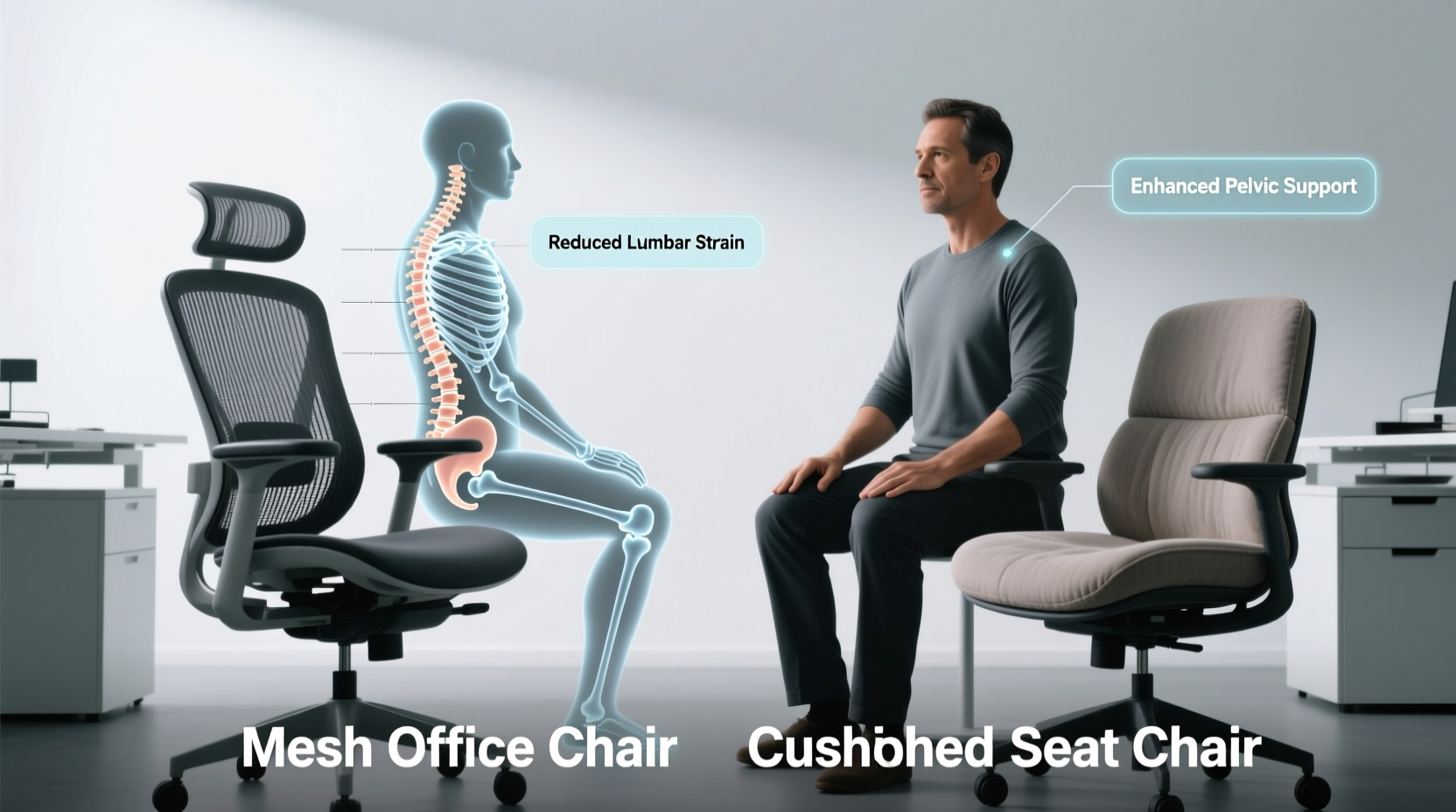
Before comparing materials, it's essential to understand what truly defines an ergonomic chair. According to the Occupational Safety and Health Administration (OSHA), proper seating should promote neutral posture—where the spine maintains its natural S-curve, shoulders are relaxed, and hips and knees are aligned at approximately 90 degrees.
A back-pain-preventive chair must include:
- Lumbar support that fits the lower back’s inward curve
- Adjustable seat height and depth
- Armrests that support forearms without elevating shoulders
- A seat pan that distributes weight evenly and avoids pressure on the thighs
- Reclining capability with tension control
Both mesh and cushioned chairs can meet these criteria—but they do so in different ways. The material of the seat and backrest influences airflow, pressure distribution, and long-term postural stability.
Mechanics of Mesh Chairs: Support Through Tension
Metal or polymer mesh chairs feature a taut, flexible fabric stretched across a rigid frame. This design doesn’t rely on padding for comfort but instead uses elastic resistance to support the spine dynamically.
The key advantage of mesh is its ability to conform slightly to body shape while maintaining firmness. High-quality mesh, such as 3D weaved polymers used in premium brands like Herman Miller or Steelcase, offers zonal support—meaning different areas of the backrest provide varying levels of tension to cradle the lumbar, thoracic, and cervical regions appropriately.
Tip: Look for chairs with adjustable lumbar zones in the mesh back. This ensures targeted support where your lower back needs it most.Because mesh doesn't compress permanently like foam, it retains its supportive properties over years of use. It also promotes passive posture correction by resisting slouching—when you lean back, the mesh stretches slightly, encouraging micro-movements that keep muscles engaged.
Additionally, mesh excels in breathability. Without trapped heat and moisture, users are less likely to experience discomfort from sweating or stiffness, factors that indirectly contribute to muscle tension and poor sitting habits.
Cushioned Seats: Comfort With Compromises?
Cushioned office chairs typically feature high-density foam or memory foam padding covered in fabric, leather, or synthetic upholstery. These materials offer immediate softness and can feel luxurious upon first sit.
However, this plushness often comes at a cost. Over time, foam compresses—especially under consistent weight—and loses its ability to support proper pelvic alignment. When the seat flattens, the pelvis tilts backward, forcing the spine into a C-shaped slump. This position increases disc pressure in the lower back by up to 40%, according to research published in *Clinical Biomechanics*.
While some high-end cushioned chairs incorporate dual-density foam or gel layers to delay compression, most standard models degrade within two to three years of daily use. Once compromised, they no longer maintain the hip-knee angle critical for spinal neutrality.
Another issue is heat retention. Fabric-covered cushions trap body heat, leading to increased perspiration and discomfort during extended sitting sessions. Leather may crack over time and become slippery, reducing stability.
“Foam padding feels good initially, but long-term spinal health depends on structural support—not softness.” — Dr. Lena Patel, Physical Therapist & Ergonomics Consultant
Comparative Analysis: Key Differences That Impact Back Pain
| Feature | MESH CHAIRS | CUSHIONED SEATS |
|---|---|---|
| Back Support | Dynamic, responsive tension supports natural spine curvature | Initial comfort; support diminishes as foam compresses |
| Pressure Distribution | Evenly spreads load via tensile elasticity | Can create pressure points if foam is too soft or uneven |
| Breathability | Excellent airflow; reduces heat buildup | Poor to moderate; traps heat and moisture |
| Durability | High—mesh resists sagging for 7+ years | Moderate—foam degrades after 2–5 years |
| Lumbar Alignment | Inherently promotes upright posture | Depends on additional lumbar pillows or adjustments |
| Best For | Hot climates, active sitters, long workdays | Shorter sitting periods, cooler environments, preference for softness |
This comparison reveals a clear trend: mesh chairs prioritize long-term biomechanical support, while cushioned seats emphasize short-term comfort. For individuals prone to lower back pain, sciatica, or disc issues, the durability and postural feedback of mesh are significant advantages.
Real-World Case: Two Employees, Two Chairs, One Outcome
At a mid-sized tech firm in Portland, two software developers—Mark and Lisa—were given identical desks but different chairs. Mark chose a premium cushioned leather executive chair for its plush appearance. Lisa opted for a mesh-back ergonomic model with adjustable lumbar and seat depth.
After six months, Mark reported increasing lower back tightness, especially in the late afternoon. He frequently leaned forward or stood up to stretch. An ergonomic assessment revealed his pelvis was tilted posteriorly due to compressed seat foam, causing his spine to round.
Lisa, meanwhile, had no complaints. Her mesh chair maintained consistent support, and she naturally shifted positions throughout the day due to the slight resistance of the backrest. A follow-up survey showed her posture scores were 32% better than Mark’s when seated.
When both switched chairs for a four-week trial, Mark noticed immediate relief from lower back strain. Lisa found the cushioned chair “too soft” and said she felt less supported after just one day.
This case illustrates how material choice directly impacts spinal mechanics—even among people doing the same job.
Choosing Based on Body Type and Work Habits
Not all bodies respond the same way to seating materials. Here’s how to match your profile with the right option:
- Lightweight individuals (under 150 lbs): May find mesh chairs too firm. A medium-density cushioned seat with strong lumbar support might offer better balance.
- Heavier individuals (over 200 lbs): Benefit from the non-compressive nature of mesh. Thick foam can bottom out, eliminating thigh support and increasing pressure on the tailbone.
- People who sit >6 hours/day: Mesh provides superior breathability and sustained support, reducing fatigue and postural drift.
- Those in warm environments: Mesh prevents overheating, a common contributor to muscle tension and restlessness.
- Users with existing back conditions: Consult a physical therapist, but generally, dynamic support systems (like mesh with lumbar adjustment) are recommended over static padding.
Action Plan: How to Select the Best Chair for Back Pain Prevention
- Assess your sitting duration: More than four hours daily? Prioritize durability and breathability—choose mesh.
- Test lumbar fit: Sit in the chair. Your lower back should feel supported without pressing into a hard knob. Adjust until the curve matches your spine.
- Check seat depth: There should be 2–4 inches between the edge of the seat and the back of your knees. Too deep? You’ll lose lumbar contact. Too shallow? Thighs bear excess weight. <4> Evaluate adjustability: Look for height, tilt, armrest, and back tension controls. Fixed chairs rarely suit long-term spinal health.
- Consider climate: In humid or hot offices, mesh prevents sweat-related discomfort that leads to shifting and poor posture.
- Read return policies: Try before you buy. Many online retailers offer 30-day trials—use them to assess real-world impact on back pain.
Frequently Asked Questions
Can a cushioned chair be ergonomic?
Yes, but only if it includes robust lumbar support, adjustable features, and high-resilience foam that resists compression. Many so-called “executive” cushioned chairs lack these elements, making them poor choices for back pain prevention despite their luxurious look.
Do mesh chairs cause back pain?
Not inherently. Poorly designed or incorrectly adjusted mesh chairs may feel too firm initially, but they don’t damage the spine. Any discomfort usually resolves within a week as the body adapts to improved posture. True pain indicates improper fit or pre-existing conditions needing medical attention.
Is memory foam good for office chairs?
Memory foam molds to your shape, which sounds ideal—but it responds slowly and retains heat. During long sits, it can encourage static posture and increase lower back strain. It’s better suited for occasional use than full-day support.
Final Recommendation: Why Mesh Wins for Long-Term Back Health
While cushioned seats offer immediate softness, they fail to deliver consistent spinal support over time. Foam breaks down, heat builds up, and posture deteriorates—often without the user noticing until pain sets in.
Mechanically, mesh chairs align more closely with the principles of ergonomic design. They support dynamic sitting, promote airflow, resist deformation, and encourage the body to maintain healthy alignment. For anyone serious about preventing back pain—especially those spending eight hours or more seated each day—mesh-backed chairs with proper adjustability are the superior investment.
That said, personal preference matters. Some people adapt quickly to mesh; others need time. The key is not to confuse temporary comfort with lasting support. Softness soothes, but structure protects.
“The best chair isn’t the one you don’t feel—it’s the one that helps you forget you’re sitting at all.” — Dr. Rajiv Mehta, Spine Biomechanics Researcher, Stanford University
Take Action Today for a Pain-Free Tomorrow
Your chair is not just furniture—it’s a tool for health. Whether you're setting up a home office or upgrading your workspace, treat your seating choice with the same seriousness as your computer or desk height. Invest in a high-quality mesh ergonomic chair with adjustable lumbar support, test it thoroughly, and pair it with regular movement breaks every 30–60 minutes.
Back pain doesn’t happen overnight, and neither does prevention. Start with the right foundation: a chair that supports your spine, not just your weight.
💬 Have you switched from cushioned to mesh—or vice versa? Share your experience and help others make smarter seating choices!








