A cutting board is one of the most frequently used tools in any kitchen, yet it’s also one of the most overlooked when it comes to food safety. Every time you slice raw chicken, chop fresh vegetables, or dice cooked meat, your board becomes a potential breeding ground for harmful bacteria if not handled properly. The key to minimizing risk lies not just in cleaning but in how you use, separate, and maintain cutting boards based on the type of food being prepared.
Cross-contamination—when juices from raw meats come into contact with ready-to-eat foods—is a leading cause of foodborne illness. According to the U.S. Department of Agriculture (USDA), improper handling of cutting boards contributes significantly to household food poisoning cases. By adopting smart practices tailored to different food categories, you can dramatically reduce health risks and create a safer cooking environment.
Why Food-Specific Cutting Boards Matter
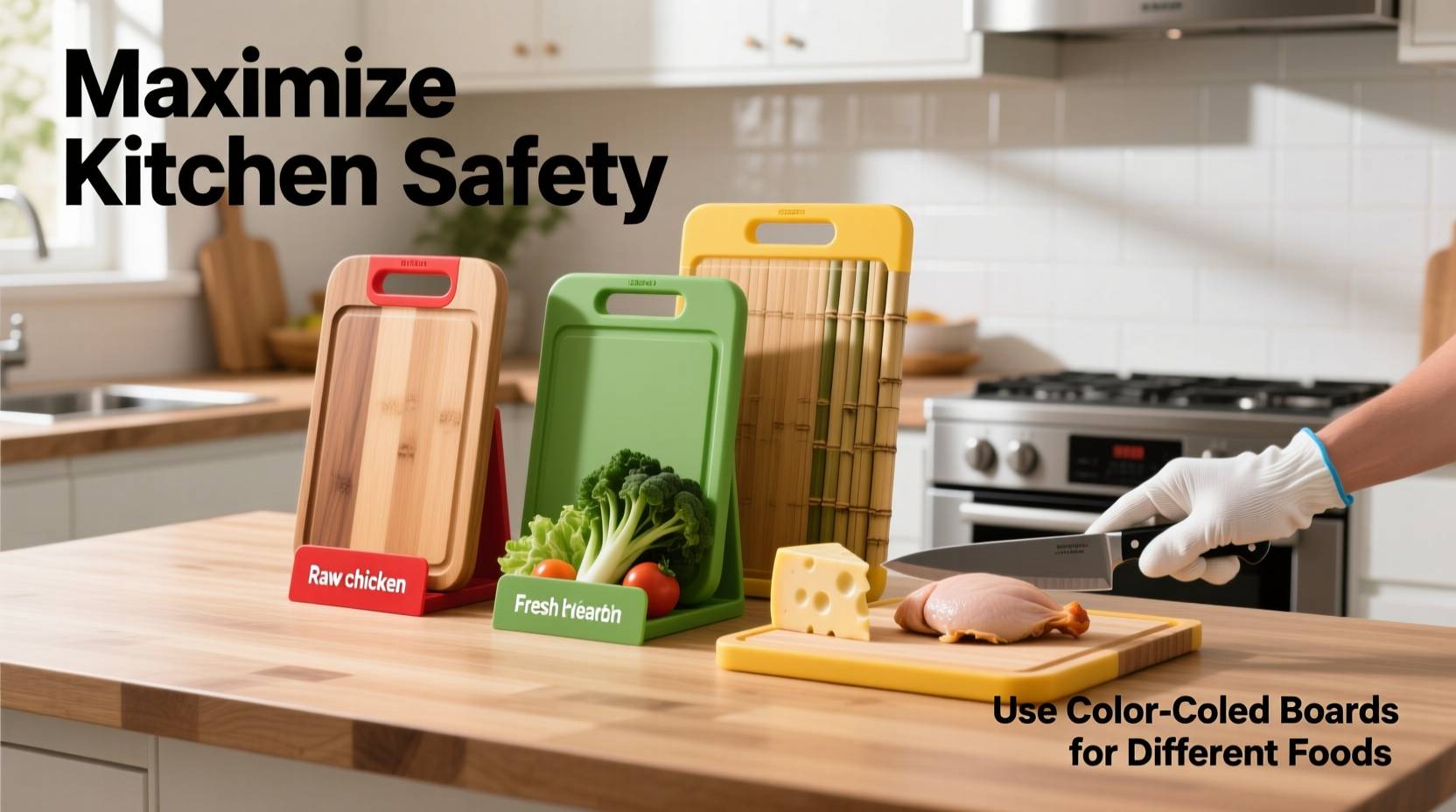
Not all foods pose the same level of contamination risk. Raw animal proteins like poultry, beef, pork, and seafood carry pathogens such as Salmonella, E. coli, and Listeria. In contrast, fruits and vegetables are generally lower-risk but can still become contaminated if exposed to raw meat juices.
Using the same board for everything increases the chance of transferring dangerous microbes. A 2020 study by the Journal of Food Protection found that households using color-coded boards had a 68% lower incidence of cross-contamination compared to those using a single board.
“Separating cutting surfaces by food type is one of the simplest yet most effective steps home cooks can take toward safer food preparation.” — Dr. Lena Patel, Food Safety Specialist at the National Institute of Health
Selecting the Right Board for Each Food Group
The material and design of your cutting board influence both safety and functionality. Here's how different materials perform across common food types:
| Food Type | Recommended Board Material | Why It Works | Avoid If Possible |
|---|---|---|---|
| Raw Meat & Poultry | Plastic (non-porous) | Easily sanitized in dishwasher; resists deep grooves where bacteria hide | Wood (harder to sanitize fully) |
| Seafood | Plastic or Bamboo | Bamboo resists odors; plastic allows full disinfection | Unsealed wood (absorbs fish oils and smells) |
| Fruits & Vegetables | Wood or Bamboo | Naturally antimicrobial; gentle on knife edges | Damaged or cracked boards of any kind |
| Cooked Meats / Ready-to-Eat Foods | Color-coded Plastic or Composite | Clear visual separation prevents mix-ups | Boards previously used for raw items without washing |
Step-by-Step Guide to Safe Cutting Board Use
Following a structured routine ensures that every meal prep session maintains high hygiene standards. This sequence applies whether you're preparing a simple salad or a multi-course dinner.
- Prep Before You Start: Lay out designated boards for each ingredient group. Wash hands and clear counter space.
- Use One Board Per Food Category: Never switch ingredients on the same surface without thorough cleaning.
- Cut Raw Items First – But Isolated: Handle raw meats and seafood last unless they’re going directly into marinades or pots.
- Clean Immediately After Use: Rinse off debris, then wash with hot, soapy water. For plastic boards, sanitize with a solution of 1 tablespoon unscented bleach per gallon of water.
- Air Dry Vertically: Standing boards upright promotes faster drying and prevents moisture buildup underneath.
- Inspect Weekly: Look for deep scratches, warping, or staining. Replace heavily worn boards promptly.
Common Mistakes That Compromise Safety
Even experienced cooks make errors that undermine their best intentions. Recognizing these pitfalls helps prevent avoidable risks.
- Using the Same Board for Everything: This is the top mistake cited in home kitchens. Even wiping the board between tasks isn’t enough—microscopic residues remain.
- Putting Wooden Boards in the Dishwasher: High heat and prolonged water exposure warp wood and promote cracking.
- Letting Boards Sit in Sink Water Overnight: Soaking encourages bacterial growth and softens surfaces, making them harder to clean later.
- Ignoring Odors: Lingering smells indicate trapped bacteria or absorbed fats—especially in porous materials.
- Storing Boards Flat Against Walls: Poor airflow leads to mold and mildew formation behind the board.
Real-World Example: A Close Call Avoided
Sarah, a home cook in Portland, once served grilled chicken tacos with fresh salsa made on the same board she’d used for raw chicken. She wiped it with a damp cloth before chopping tomatoes and cilantro. Two hours later, her son developed nausea and fever. While he recovered within a day, a stool test confirmed Salmonella exposure.
After consulting a local nutritionist, Sarah implemented a four-board system: red plastic for raw meat, green bamboo for produce, blue composite for fish, and white marble for breads and cheeses. She also began sanitizing plastic boards daily with a diluted bleach solution. Since then, her family hasn’t had a single food-related illness—even during summer barbecues with frequent outdoor cooking.
Essential Checklist for Every Kitchen
Keep this checklist visible near your prep area or save it digitally for quick reference:
- ✅ Own at least three cutting boards: one for raw proteins, one for produce, one for cooked/ready-to-eat foods
- ✅ Color-code or label boards clearly
- ✅ Wash boards immediately after use with hot, soapy water
- ✅ Sanitize plastic boards weekly (or after handling high-risk items)
- ✅ Air-dry boards vertically in a rack or stand
- ✅ Inspect monthly for cracks, deep cuts, or warping
- ✅ Replace boards showing signs of wear or persistent odor
- ✅ Never place cooked food on a surface that held raw meat without washing first
Frequently Asked Questions
Can I use vinegar instead of bleach to sanitize my cutting board?
Vinegar has mild antimicrobial properties but is not strong enough to kill all pathogens like Salmonella or E. coli. For reliable sanitation, especially on plastic boards used for raw meat, use a diluted chlorine bleach solution (1 tbsp per gallon of water) or an EPA-registered disinfectant approved for kitchen surfaces.
Is wooden better than plastic for cutting boards?
Both have pros and cons. Wood has natural antibacterial qualities and is gentler on knives, but requires hand-washing and regular oiling. Plastic is more hygienic for raw meats because it can be fully sanitized in a dishwasher, though it may dull knives faster and develop grooves over time. Choose based on usage, not preference alone.
How often should I replace my cutting boards?
Inspect boards monthly. Replace plastic ones when they show deep scratches or feel gritty. Wooden boards should be retired if they crack, split, or retain odors despite cleaning. As a general rule, replace high-use boards every 12–18 months.
Final Thoughts: Build Habits That Protect Your Table
Kitchen safety isn't about perfection—it's about consistent, informed choices. Using separate cutting boards for different foods is a small change with outsized impact. When combined with proper cleaning, smart storage, and regular maintenance, this practice forms a critical layer of defense against foodborne illness.
Your kitchen should be a place of nourishment, not risk. Take control today by evaluating your current setup, investing in dedicated boards, and training everyone in your household to follow safe protocols. These habits protect not just meals, but memories.
💬 What changes will you make in your kitchen today? Share your experience or ask questions in the comments—let’s build safer homes together.








