Pillows are more than just comfort—they’re powerful design tools. When chosen and arranged thoughtfully, they can transform the mood, texture, and personality of a space. Yet, many interiors fall short not because of furniture or paint choices, but due to mismatched or haphazardly styled pillows. The secret lies in intentional selection: balancing color, scale, material, and placement to reflect the room’s overall aesthetic. Whether your home leans toward minimalist modern, cozy farmhouse, or bold eclectic, mastering pillow decor is about harmony, not clutter.
Understand Your Room’s Design Language
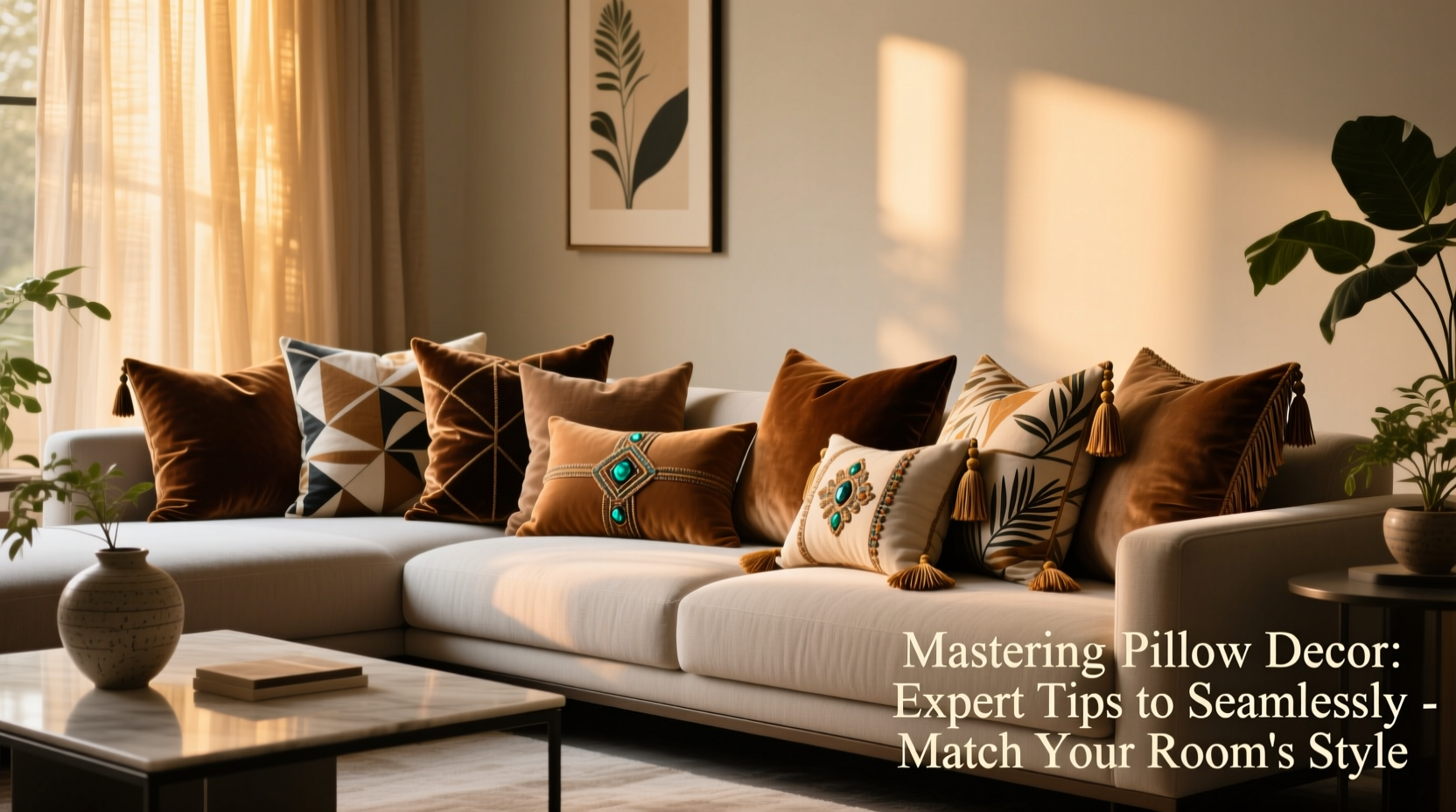
Before selecting a single pillow, identify your room’s dominant style. This foundation determines everything from fabric choice to pattern complexity. A mid-century modern living room demands different treatment than a shabby-chic bedroom. Common styles include:
- Modern/Minimalist: Clean lines, neutral palettes, minimal patterns.
- Bohemian: Rich textures, layered patterns, earthy or jewel tones.
- Coastal: Light fabrics, blues and whites, natural fibers like linen and cotton.
- Traditional: Symmetry, damask or floral prints, tufted upholstery.
- Industrial: Neutral tones, leather or canvas materials, structured shapes.
Once you’ve defined the style, let it guide your pillow choices. For example, a Scandinavian-inspired space benefits from solid gray or oat-colored linen pillows with subtle weave texture—no bold prints. In contrast, a boho lounge thrives on a mix of ikat, tribal, and embroidered designs in warm terracotta, mustard, and sage.
Tip: Pull one or two accent colors from an existing rug, artwork, or throw blanket to ensure cohesion.The Art of Layering: Size, Shape, and Placement
Professional interiors rarely rely on a single pillow. Instead, they use layering to add depth and visual interest. A well-layered sofa or bed features variation in size, shape, and position.
Start with a base layer of larger standard or Euro pillows (typically 20”x20” or 26”x26”) for structure. Then add lumbar pillows (12”x20” or 14”x20”) for horizontal balance. Finish with smaller accent pillows (18”x18” or 16”x16”) in contrasting textures or patterns.
For beds, follow this arrangement: place Euro shams against the headboard, then standard shams in front, followed by decorative pillows leaning forward. Toss in a textured knit or faux fur bolster at the foot for added dimension.
“Layering isn’t about quantity—it’s about creating rhythm. Think of pillows like notes in a chord: each contributes to the harmony.” — Lena Torres, Interior Stylist & Author of *Textural Living*
Selecting Fabrics That Fit the Vibe
Fabric choice affects both aesthetics and function. A velvet pillow adds luxury but may show pet hair; linen offers breathability but wrinkles easily. Match material to both style and lifestyle.
| Room Style | Recommended Fabrics | Avoid |
|---|---|---|
| Modern Minimalist | Linen, cotton canvas, wool blends | Sheer lace, metallic brocades |
| Bohemian | Kilim, embroidery, tassels, cotton voile | Stiff synthetics, uniform solids |
| Traditional | Silk blends, damask, tapestry, velvet | Frayed edges, raw denim |
| Coastal | Bleached cotton, seagrass weaves, nautical stripes | Dark leathers, heavy velvets |
| Industrial | Canvas, leather, waxed cotton | Florals, ruffles, pastel satins |
In high-traffic areas like family rooms, prioritize durability. Performance fabrics such as Crypton or Sunbrella offer stain resistance without sacrificing style. For low-use spaces like guest bedrooms, indulge in delicate silks or hand-embroidered pieces.
Color and Pattern Strategy for Cohesion
Even the most beautiful pillows can clash if their colors or patterns don’t align with the room. Use a simple three-tier approach:
- Base Color: Choose one or two neutrals that anchor the space (e.g., beige, charcoal, navy).
- Accent Color: Pull a secondary hue from existing décor—perhaps from a painting or area rug.
- Pop Color: Introduce a small dose of contrast (like rust or emerald) through one or two pillows.
When mixing patterns, stick to a shared color thread. Pair a geometric print with a floral only if they share at least one common tone. Scale matters too: combine large-scale motifs with smaller ones (e.g., big stripes with tiny dots) to avoid visual competition.
Tip: Limit yourself to three patterns max per seating area to prevent chaos.Mini Case Study: Revamping a Dated Living Room
Sarah inherited a beige sectional in her 1980s-era living room. The space felt flat and outdated. After repainting the walls in warm greige and laying down a vintage Turkish rug, she introduced pillows in layers: two large ivory linen squares, two navy-and-cream striped lumbar pillows, and two smaller 16”x16” cushions—one in ochre velvet, another with a subtle herringbone weave. The result? Instant cohesion. The pillows echoed the rug’s colors and added texture without overwhelming the space. Friends now comment that the room looks “curated, not cluttered.”
Step-by-Step Guide to Pillow Styling Success
Follow this five-step process for foolproof pillow coordination:
- Assess the space: Note existing colors, furniture shape, and usage (e.g., daily lounging vs. formal sitting).
- Define your style: Is the room modern, rustic, glam? Let this dictate fabric and formality.
- Choose a palette: Select one base, one accent, and one pop color using a color wheel or swatch tool.
- Layer by size: Start with large structural pillows, then add medium accents, finish with small textural touches.
- Edit ruthlessly: Remove any pillow that doesn’t contribute to balance or color flow.
This method ensures every pillow has a purpose—not just filling space, but enhancing it.
Checklist: Before You Buy New Pillows
- ☐ Do the colors align with my room’s dominant palette?
- ☐ Does the fabric suit the room’s function and style?
- ☐ Am I mixing at least two textures for depth?
- ☐ Have I varied pillow sizes for visual interest?
- ☐ Are patterns coordinated in scale and color?
- ☐ Can I remove one pillow and still feel the arrangement is complete?
Frequently Asked Questions
How many pillows is too many?
On a standard three-seat sofa, four to six pillows is ideal. Too many make seating uncomfortable and visually busy. If you can’t sit down without moving half a dozen pillows, it’s time to edit.
Should all pillows match exactly?
No. Exact matches look staged and lifeless. Instead, aim for curated variety—pillows that belong together but aren’t identical. Think of them as members of a band: different instruments, same song.
Can I mix synthetic and natural fabrics?
Yes, as long as the textures complement each other. Pair a cotton blend with a performance polyester if the weight and drape are similar. Avoid combining shiny synthetics with matte naturals unless intentionally contrasting.
Final Thoughts: Elevate Your Space One Pillow at a Time
Pillow decor is one of the most accessible and affordable ways to refresh a room. With thoughtful selection and strategic placement, you can elevate a lackluster space into a reflection of your personal style. It’s not about buying more—it’s about choosing better. Consider proportion, palette, and purpose with every addition. Let your pillows tell a story of comfort, intention, and design intelligence.
💬 Ready to reinvent your sofa or bed? Start with one new pillow that bridges color and texture, then build from there. Share your before-and-after styling wins in the comments—we’d love to see your transformations!








