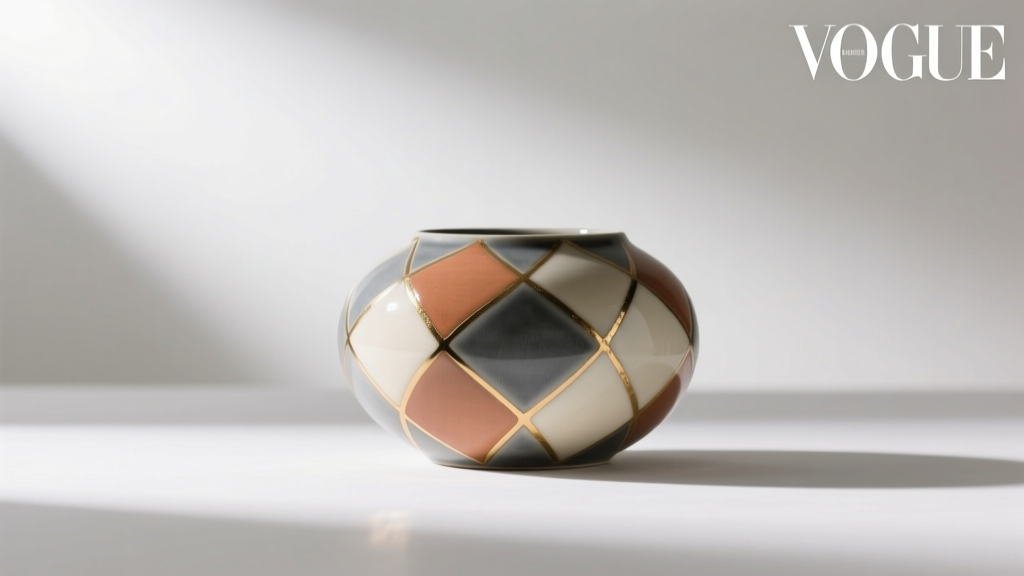
Types of Marquetry Boxes
A marquetry box is a finely crafted decorative container renowned for its intricate wood inlay designs. Created using thin veneers of different wood species, these boxes showcase the artisan’s skill in cutting, fitting, and arranging pieces to form stunning visual patterns. Valued for both their beauty and craftsmanship, marquetry boxes serve as functional storage or display pieces and are often passed down as heirlooms. They are commonly made from premium hardwoods such as walnut, mahogany, maple, rosewood, and ebony, each contributing unique grain patterns and colors to the final design.
Traditional Marquetry Boxes
Featuring timeless motifs like floral arrangements, architectural scenes, and classical geometric layouts, these boxes represent the heritage of marquetry artistry.
Characteristics
- Classic patterns with historical influences
- Crafted from rich, dark hardwoods
- Emphasis on symmetry and balance
- Highly detailed hand-inlay work
Considerations
- Can be expensive due to labor intensity
- Limited modern design flexibility
- May require careful handling to preserve veneer
Best for: Displaying fine jewelry, heirlooms, or as centerpieces in living rooms and studies
Geometric Marquetry Boxes
Defined by precise angles, repeating shapes, and mathematical precision, these boxes highlight symmetry and order through interlocking patterns.
Characteristics
- Uses triangles, hexagons, diamonds, and tessellations
- Excellent for beginners and experimental designs
- Strong visual impact with clean lines
- Often features contrasting wood tones
Considerations
- May appear rigid or overly structured
- Less narrative or emotional depth
- Requires precision tools for accuracy
Best for: Office organizers, watch storage, or modern minimalist interiors
Pictorial Marquetry Boxes
These are masterpieces of storytelling in wood, where entire scenes—such as forests, seascapes, or portraits—are rendered through layered wood inlays.
Characteristics
- Highly detailed imagery resembling paintings
- Uses dozens of wood species for color and texture
- Often takes weeks or months to complete
- Considered fine art objects
Considerations
- Extremely labor-intensive and costly
- More fragile due to complex inlay edges
- Primarily decorative rather than utilitarian
Best for: Art collectors, gallery displays, or as unique gifts for special occasions
Animal Marquetry Boxes
Dedicated to the natural world, these boxes feature animals—ranging from delicate birds to majestic wildlife—integrated into elegant wood patterns.
Characteristics
- Features lifelike or stylized animal forms
- Popular subjects: peacocks, deer, fish, horses
- Often part of themed collections or series
- Appeals to nature enthusiasts and collectors
Considerations
- Detail level depends on artisan skill
- May require UV protection to prevent fading
- Limited availability of specialty designs
Best for: Nature-themed decor, children's rooms, or as collectible art pieces
Custom Marquetry Boxes
Bespoke creations tailored to individual preferences, these boxes allow clients to commission personalized designs, monograms, or meaningful motifs.
Characteristics
- Fully customizable in design and wood selection
- Ideal for gifts, branding, or commemorative items
- Can incorporate initials, dates, or logos
- Unique and one-of-a-kind
Considerations
- Longer production time due to design process
- Higher cost based on complexity
- Requires clear communication with the artisan
Best for: Wedding gifts, corporate branding, anniversary presents, or family heirlooms
| Type | Complexity | Primary Use | Wood Variety | Ideal For |
|---|---|---|---|---|
| Traditional | Medium-High | Display & Storage | 4-6 types | Classic interiors, heritage collections |
| Geometric | Low-Medium | Organization | 2-4 types | Modern homes, offices, beginners |
| Pictorial | Very High | Art Display | 8+ types | Art collectors, galleries |
| Animal | Medium-High | Decorative | 5-7 types | Animal lovers, themed decor |
| Custom | Variable | Personalized Gifts | Custom selection | Special occasions, branding |
Expert Tip: To preserve the beauty of your marquetry box, avoid direct sunlight and extreme humidity. Clean gently with a dry, soft cloth and occasionally apply a light coat of beeswax to maintain the wood’s luster and protect the delicate veneer inlays.
Design of Marquetry Boxes: Artistry, Materials, and Functionality
Marquetry boxes are exquisite examples of fine woodworking, where art meets craftsmanship. These decorative and functional pieces feature intricate patterns created by inlaying thin veneers of different wood species, each selected for its unique color, grain, and texture. The beauty of marquetry lies not only in the visual contrast between woods but also in the precision required to cut, fit, and finish each piece seamlessly. Below is a comprehensive guide to the essential design elements that define high-quality marquetry boxes.
Pattern and Inlay: The Heart of Marquetry Design
The pattern is the centerpiece of any marquetry box, transforming a simple wooden container into a work of art. Designs can range from minimalist geometric forms to elaborate pictorial scenes, each requiring a distinct approach and level of skill.
Geometric Marquetry
Characterized by clean lines, symmetry, and repetition, geometric patterns include shapes like triangles, diamonds, chevrons, and tessellations. These designs are ideal for modern or classical styles and are often used in luxury boxes where elegance and balance are key.
Floral and Botanical Marquetry
These patterns depict flowers, leaves, vines, and other plant life, often inspired by nature or historical motifs such as those found in 18th-century French furniture. The organic flow of petals and stems allows for rich color gradations and grain direction play.
Figurative and Pictorial Marquetry
More advanced artisans create detailed images of animals, landscapes, or human figures using subtle tonal variations in wood. This form demands a deep understanding of shading, perspective, and wood grain behavior to achieve lifelike depth and realism.
Architectural and Abstract Marquetry
Inspired by buildings, cityscapes, or non-representational forms, these designs emphasize structure and form. Abstract marquetry often explores texture, contrast, and asymmetry, appealing to contemporary tastes.
Whether the inlay is tight and intricate or bold and spacious, the choice of pattern should complement the box’s size, shape, and intended use. For example, smaller boxes may benefit from delicate, detailed work, while larger surfaces can accommodate expansive, narrative scenes.
Wood Selection: The Palette of the Marquetry Artist
Just as a painter selects pigments, a marquetry artist chooses wood species for their tonal range, grain pattern, and durability. The contrast between light and dark woods is fundamental to creating visual impact.
| Wood Type | Color & Grain Characteristics | Common Use in Marquetry |
|---|---|---|
| Maple | Light cream to pale yellow; fine, even grain | Backgrounds, light areas in contrast designs |
| Cherry | Warm reddish-brown; smooth, straight grain | Mid-tone elements, aging to deeper hues over time |
| Walnut | Rich chocolate brown; bold, swirling grain | Shading, depth, and structural elements |
| Rosewood | Deep purple-brown with dark streaks; oily texture | Accent details, luxurious inlays |
| Ebony | Jet black; dense, fine grain | Outlines, borders, and dramatic contrast |
| Exotic Woods (e.g., Amboyna, Bubinga, Padouk) | Vibrant reds, oranges, and iridescent figures | Statement pieces, rare color accents |
Artists often combine domestic and exotic woods to achieve unique color palettes. The selection process involves not only aesthetic considerations but also the wood’s stability, workability, and resistance to warping. Properly seasoned veneers ensure longevity and prevent lifting or cracking over time.
Box Shape and Functionality: Form Meets Purpose
The shape of a marquetry box significantly influences both the design and execution of the inlay. While traditional forms include squares, rectangles, and ovals, modern interpretations embrace curves, angles, and irregular silhouettes.
Flat-Surface Boxes
Square and rectangular boxes with flat lids and sides are the most common. They allow for straightforward layout and assembly, making them ideal for beginners and complex pictorial work alike.
Curved and Rounded Boxes
Oval, round, or domed boxes present additional challenges. The curvature requires careful bending of veneers or segmented inlay techniques to maintain continuity and avoid gaps. These forms often highlight the artisan’s technical mastery.
Functionality also plays a crucial role in design. Marquetry boxes serve both decorative and practical purposes:
Important: When designing a marquetry box, always consider the long-term durability of materials and construction. Use stable substrates like plywood or solid hardwood for the base, and apply protective finishes such as shellac, lacquer, or oil to preserve the wood’s beauty. Avoid excessive moisture exposure and direct sunlight to prevent fading and warping. Proper care ensures that your marquetry box remains a timeless piece for generations.
Scenarios of Marquetry Boxes: Elegance Meets Functionality
Marquetry boxes are more than just containers—they are exquisite works of art that blend craftsmanship, utility, and timeless beauty. Handcrafted using intricate inlay techniques with fine woods, metals, and sometimes mother-of-pearl, these boxes serve a wide range of purposes across personal, professional, and decorative contexts. Their versatility makes them ideal for enhancing everyday life while adding a touch of luxury and refinement.
Home Decor
Marquetry boxes elevate interior spaces by serving as both functional accessories and artistic centerpieces. Placed on coffee tables, mantels, or bookshelves, they break the visual monotony of minimalist or traditional decor and introduce warmth, texture, and character to any room.
- Complement a range of design styles—from classic Victorian to modern Scandinavian—thanks to customizable patterns and wood tones
- Add a sense of heritage and craftsmanship to living rooms, bedrooms, or entryways
- Act as conversation starters due to their unique, handcrafted nature
- Enhance curated vignettes when paired with books, candles, or framed photos
Design tip: Choose marquetry boxes with geometric or floral motifs to match your existing color palette and theme.
Storage Solutions
Beyond their beauty, marquetry boxes offer practical storage for delicate and valuable items. Their finely constructed interiors often feature multiple compartments, velvet linings, and smooth finishes that protect contents while maintaining elegance.
- Perfect for organizing jewelry, watches, cufflinks, or heirloom keepsakes in bedrooms or dressing areas
- Ideal for storing stationery, pens, USB drives, or business cards in home offices or executive suites
- Equipped with locking lids in premium models, providing secure storage for documents, keys, or sentimental items
- Customizable dividers allow for personalized organization—great for collectors or professionals needing order and style
Pro insight: A lockable marquetry box combines security with sophistication, making it a trusted repository for personal treasures.
Gift Giving
Marquetry boxes are among the most thoughtful and memorable gifts, symbolizing care, appreciation, and refined taste. Their handcrafted quality and artistic detail make them stand out from mass-produced presents.
- Excellent for romantic occasions such as Valentine’s Day, anniversaries, or weddings—especially when personalized
- Often used to present engagement rings, love letters, or family heirlooms in a meaningful way
- Suitable for holidays like Christmas or Mother’s Day, where presentation and sentiment matter
- Can be engraved or customized with names, dates, or special messages for a deeply personal touch
Emotional value: A marquetry box is not just a gift—it becomes a cherished keepsake passed through generations.
Collectibles
Marquetry boxes are highly sought after by collectors due to their artistic merit, limited availability, and the reputation of the artisans who create them. Each piece is often one-of-a-kind or produced in small batches, adding to its exclusivity.
- Artists and studios release limited-edition series, increasing desirability and potential resale value
- Historical or antique marquetry boxes are prized in antique markets and museums
- Collectors appreciate the fusion of woodworking mastery and design innovation
- Some pieces by renowned craftsmen appreciate in value over time, functioning as both art and investment
Collector’s note: Look for signatures, certificates of authenticity, and provenance when acquiring high-value pieces.
Business & Corporate Use
In professional environments, marquetry boxes convey prestige, attention to detail, and a commitment to excellence. They are frequently used in executive gifting, branding, and office decor.
- Presented as luxury corporate gifts for clients, partners, or top-performing employees
- Used as award containers for ceremonies, recognitions, or milestone celebrations
- Customized with company logos, mottos, or brand colors using inlaid wood or metal elements
- Displayed in boardrooms or executive offices to reflect sophistication and cultural appreciation
Brand enhancement: A branded marquetry box transforms a simple gift into a lasting impression of quality and exclusivity.
Personal Legacy & Heirlooms
While not explicitly mentioned, marquetry boxes naturally evolve into family heirlooms. Their durability and emotional significance make them ideal for preserving memories and passing down traditions.
- Used to store letters, photographs, or small mementos across generations
- Passed from parent to child as a symbol of heritage and love
- Custom-designed to reflect family crests, cultural motifs, or personal stories
- Age gracefully, with wood patina enhancing their beauty over time
Long-term value: A well-crafted marquetry box grows more meaningful with age, becoming a vessel of memory and identity.
Expert Recommendation: When selecting or gifting a marquetry box, consider not only its visual appeal but also its intended use. For everyday storage, prioritize durability and interior layout. For display or gifting, focus on design complexity, wood variety, and customization options. Whether for home, office, or legacy, a marquetry box is an enduring symbol of artistry and purpose.
| Use Case | Key Features | Recommended Wood Types | Customization Options |
|---|---|---|---|
| Home Decor | Visual impact, surface finish, size variety | Walnut, Cherry, Rosewood | Patterns, inlays, finishes |
| Storage | Compartments, lining, locking mechanism | Maple, Oak, Mahogany | Dividers, velvet lining, engraved labels |
| Gift Giving | Personalization, presentation, packaging | Exotic blends (e.g., Macassar Ebony) | Name/date engraving, gift boxes, ribbons |
| Corporate Use | Branding, durability, professional aesthetic | High-gloss finishes, dark woods | Logo inlay, serial numbering, premium packaging |
| Collectibles | Artistry, rarity, provenance | Antique or rare wood species | Limited edition numbering, artist signature |
Additional Considerations
- Maintenance: Use a soft cloth and wood-safe polish to preserve finish; avoid moisture and direct sunlight
- Ethical Sourcing: Opt for boxes made from sustainably harvested or reclaimed wood for environmental responsibility
- Artisan Support: Purchasing handcrafted marquetry supports traditional craftsmanship and small studios
- Insurance Value: High-end marquetry boxes may require appraisal and inclusion in personal property insurance
- Cultural Significance: Marquetry has roots in European, Middle Eastern, and Asian traditions—some designs reflect these heritages
Specification & Maintenance of Marquetry Boxes
Marquetry boxes are exquisite works of craftsmanship that combine artistic inlay with fine woodworking. To preserve their beauty, structural integrity, and value over time, it is essential to understand both their construction specifications and proper maintenance routines. Whether you own a vintage heirloom or a contemporary piece, this guide provides comprehensive insights into caring for your marquetry box with precision and care.
Important Note: Marquetry involves delicate wood veneers and intricate joinery. Improper handling or cleaning can cause irreversible damage. Always treat these pieces with the care due to fine art and heirloom furniture.
Key Specifications of High-Quality Marquetry Boxes
- Wood Quality: Premium marquetry boxes are typically crafted from dense hardwoods such as walnut, rosewood, maple, and mahogany. These species are prized not only for their rich grain patterns and natural luster but also for their dimensional stability and resistance to wear. The inlaid veneers used in marquetry should ideally be sourced from woods of similar hardness to prevent differential expansion and contraction. Using mismatched soft and hard woods can lead to lifting or cracking of the inlay over time.
- Finish: A protective surface finish—commonly lacquer, oil, or wax—is applied to enhance the wood’s natural beauty and guard against moisture, scratches, and UV exposure. The choice of finish depends on the wood type and desired aesthetic: oil finishes provide a warm, natural glow; wax offers a soft sheen and easy maintenance; lacquer delivers a durable, glossy surface. All finishes benefit from periodic renewal to maintain protection and appearance.
- Hardware: Functional components such as hinges, clasps, and handles are not only practical but also contribute to the box’s overall elegance. High-quality marquetry boxes feature hardware made from corrosion-resistant materials like solid brass, stainless steel, or nickel-plated alloys. These metals resist tarnishing and ensure smooth operation, especially important in environments with fluctuating humidity.
Proper Care & Maintenance Guidelines
- Cleaning: Dust and fingerprints should be removed regularly using a soft, lint-free microfiber cloth. Gently wipe along the grain to avoid scratching the surface or disturbing delicate inlays. Never use water, household cleaners, or chemical solvents, as they can penetrate the wood, cloud the finish, or loosen adhesive bonds in the veneer. For stubborn smudges, slightly dampen the cloth with distilled water and immediately dry the area.
- Humidity Control: Wood is hygroscopic and reacts to changes in moisture. To prevent warping, cracking, or veneer separation, maintain a stable indoor environment with relative humidity between 40% and 60%. In dry climates or heated indoor spaces, use a room humidifier; in humid regions, employ a dehumidifier. Avoid placing the box near radiators, air conditioning vents, or exterior doors where temperature and humidity fluctuate dramatically.
- Polishing: Apply a high-quality wood wax or non-silicone, non-oily polish every six months or whenever the surface appears dry. Use a soft cloth to apply the product in thin, even layers, following the direction of the wood grain. Avoid excessive buildup, especially around inlaid areas, where polish can accumulate and dull the contrast. Buff gently to restore a soft luster without over-polishing.
- Avoidance of Direct Sunlight: Prolonged exposure to direct sunlight can cause fading, discoloration, and uneven aging of the wood and inlay. Ultraviolet (UV) rays break down lignin in wood, leading to brittleness and color shifts. Display your marquetry box away from windows or use UV-filtering glass, curtains, or blinds. Rotate the box periodically if it must be near natural light to ensure even aging.
- Regular Inspection: Conduct biannual inspections of the box’s structure and components. Check for loose hinges, worn clasps, lifting veneers, or small cracks. Address minor issues promptly: secure loose hardware with appropriate screws, and reattach lifting veneers using conservation-grade wood glue applied sparingly with a fine tool. For significant damage or antique restoration, consult a professional furniture conservator.
| Maintenance Task | Frequency | Recommended Tools/Products | Notes |
|---|---|---|---|
| Dusting & Light Cleaning | Weekly | Microfiber cloth | Avoid moisture; never spray directly on the box |
| Polishing | Every 6 months | Wood-specific wax or polish (non-silicone) | Apply lightly; avoid inlay seams |
| Humidity Monitoring | Ongoing | Hygrometer, humidifier/dehumidifier | Maintain 40–60% RH |
| Hardware & Structural Check | Biannually | Small screwdriver, wood glue (if needed) | Tighten hinges; repair veneer lifts early |
| Deep Cleaning (if necessary) | As needed (rarely) | Distilled water, soft cloth | Only for surface stains; dry immediately |
Expert Tip: To preserve the vibrancy of inlay patterns, avoid placing objects directly on the lid for extended periods. This prevents localized fading and pressure marks. If storing items inside, use acid-free tissue paper to protect both contents and interior lining.
Long-Term Preservation Tips
- Store the box in a climate-controlled environment when not on display.
- Keep it away from high-traffic areas to minimize accidental bumps or knocks.
- Use padded shelves or display cases with soft lining to prevent scratches.
- Document the box’s condition with photos and notes annually for insurance or appraisal purposes.
- For antique or valuable pieces, consider professional conservation every 5–10 years.
By following these detailed specifications and maintenance practices, your marquetry box will retain its elegance and functionality for generations. These pieces are not merely decorative—they are testaments to skilled artisanship and deserve thoughtful, informed care. When in doubt, always err on the side of caution and consult a professional conservator before attempting repairs or deep cleaning.
Marquetry & Inlay: Frequently Asked Questions
Q1: What is the difference between marquetry and inlay?While both marquetry and inlay involve embedding materials into a surface for decorative or functional purposes, they differ in scope, materials, and artistic intent:
- Definition & Scope: Marquetry is a specialized form of inlay that exclusively uses thin sheets of wood (veneers) to create intricate patterns, images, or scenes. Inlay, by contrast, is a broader category that can include materials such as mother-of-pearl, ivory, metal, gemstones, or synthetic elements embedded into wood, metal, or stone.
- Artistic Focus: Marquetry emphasizes detailed pictorial designs—often floral motifs, landscapes, or geometric artistry—achieving contrast and depth through the natural grain and color variations of different wood species. Inlay may be more utilitarian, such as reinforcing joints or adding decorative accents, though it can also be highly artistic.
- Technique: In marquetry, multiple veneers are precisely cut and fitted together like a puzzle before being applied to a substrate. True inlay involves carving a recess into the base material and setting the inlay piece flush within it, creating a seamless surface. Overlay inlay, on the other hand, places the material on top of the surface, which is less common in fine woodworking.
- Overlap & Usage: The terms are often used interchangeably in casual conversation, especially when wood is the primary medium. However, in professional woodworking and restoration circles, "marquetry" denotes a refined subset of inlay focused on wood-based artistic expression.
Understanding this distinction helps appreciate the craftsmanship behind antique furniture, luxury boxes, and custom woodwork where precision and material selection are paramount.
Q2: Can marquetry boxes be kept outside?No, marquetry boxes are not designed for outdoor use and should be kept indoors to preserve their beauty and structural integrity. Here’s why:
- Wood Sensitivity: Most marquetry boxes are crafted from fine hardwoods and delicate veneers that react negatively to environmental changes. Exposure to moisture from rain or humidity can cause swelling, warping, or delamination of glued layers.
- UV Damage: Prolonged exposure to sunlight fades the natural colors of wood and can degrade finishes like shellac or varnish, dulling the visual contrast that makes marquetry so striking.
- Temperature Fluctuations: Repeated expansion and contraction due to heat and cold can lead to cracks in the wood or loosening of inlaid pieces over time.
- Mold & Mildew Risk: Trapped moisture inside the box—especially if stored in a damp outdoor environment—can promote mold growth and wood rot.
If you wish to display a marquetry box in an outdoor setting (e.g., a covered patio or gazebo), take protective measures: place it in a shaded, dry area; use a breathable, waterproof cover when not in view; and ensure the box has ventilation to prevent condensation. Even then, long-term outdoor placement is not recommended for valuable or antique pieces.
Q3: How are marquetry boxes created?Creating a marquetry box is a meticulous, multi-stage process that blends artistry with precision woodworking. The steps typically include:
- Design & Planning: Artists begin with a detailed sketch or digital rendering of the intended pattern—ranging from abstract symmetry to realistic scenes. This design guides the selection of wood types based on color, grain, and texture.
- Material Selection: High-quality hardwoods are chosen for both the box structure and the veneer inlays. Stability and workability are crucial, especially for thin veneers that must be cut without splintering.
- Veneer Cutting: Using fine saws, lasers, or scroll knives, artisans cut the selected woods into precise shapes according to the design. Techniques like “sewing” (piecing together small sections with thread) may be used for complex compositions.
- Inlay & Assembly: The cut veneers are arranged and glued onto the box surface (or a substrate panel), often under pressure using a vacuum press or clamps to ensure full adhesion and flatness.
- Sanding & Finishing: After the adhesive cures, the surface is carefully sanded smooth. Multiple layers of finish—such as French polish, lacquer, or oil—are applied to enhance depth, protect the wood, and highlight the contrast between different veneers.
- Box Construction: Once the marquetry panel is complete, it is integrated into the box frame, which may involve joinery techniques like dovetails or miters for durability.
The time required varies significantly: a simple geometric design might take several days, while elaborate, hand-cut pictorial marquetry can require weeks or even months of labor. Each piece is a testament to patience, skill, and artistic vision.
Q4: What woods are commonly used for marquetry boxes?Marquetry relies on a diverse palette of woods selected for their color, grain, stability, and ability to be sliced into thin, workable veneers. Commonly used species include:
| Wood Type | Color & Grain Characteristics | Common Use in Marquetry |
|---|---|---|
| Walnut | Rich chocolate brown with straight or wavy grain | Popular for background panels and medium-toned accents |
| Rosewood | Deep purple-brown with dark streaks and natural luster | Used for contrast and luxury detailing; highly prized |
| Maple | Creamy white to pale yellow; often features bird’s-eye or flame patterns | Ideal for light areas and dramatic grain effects |
| Cherry | Warm reddish-brown that deepens with age | Favored for its elegance and aging properties |
| Oak | Prominent grain, ranging from golden to amber tones | Used in rustic or traditional designs; durable and accessible |
| Mahogany | Deep red-brown with a smooth, interlocked grain | Classic choice for fine furniture and decorative boxes |
| Ebony | Jet black, extremely dense and smooth | Used for bold outlines and high-contrast accents |
| Amboyna | Golden to reddish with dramatic burl patterns | Reserved for premium pieces due to rarity and cost |
Artisans often combine these woods to create visual depth and dimension. For example, a floral design might use light maple petals, dark ebony stems, and rosewood leaves to simulate natural shading. The choice of wood depends not only on aesthetics but also on availability, sustainability, and compatibility with the base material. Each selection contributes to the uniqueness and value of the finished marquetry box.