Losing your keys has become a modern-day ritual for many—racing against the clock in the morning, retracing steps, turning cushions upside down, only to find them tucked in a jacket pocket from yesterday. The frustration is real, and so are the consequences: missed appointments, wasted time, and unnecessary stress. As technology evolves, two primary solutions have emerged: traditional key organizers and smart key finders. But which one actually works better?
The answer isn’t always straightforward. While both aim to reduce the chaos of misplaced keys, they operate on fundamentally different principles—one relies on habit and organization, the other on connectivity and alerts. To determine which solution suits your lifestyle, it’s essential to understand how each works, their strengths and limitations, and when one clearly outperforms the other.
How Key Organizers Work—and Why They Often Fail
A key organizer is a physical system designed to keep your keys in one designated place. This could be a wall-mounted rack, a decorative bowl by the door, or a magnetic strip inside a cabinet. The idea is simple: develop a routine of placing your keys in the same spot every time you come home.
In theory, this method is effective. Behavioral psychologists emphasize the power of environmental cues and consistent habits. If your brain associates “coming home” with “putting keys in the bowl,” over time, that action becomes automatic.
However, human behavior is inconsistent. Life gets busy. You arrive home juggling groceries, tired after work, or distracted by a phone call. In those moments, the habit breaks. Keys end up on the kitchen counter, in a coat pocket, or even in the car. The organizer remains empty, and the search begins again.
Tip: Pair your key organizer with a visual cue—like a bright sticker or a sign—to reinforce the habit every time you walk through the door.Smart Key Finders: Technology to the Rescue
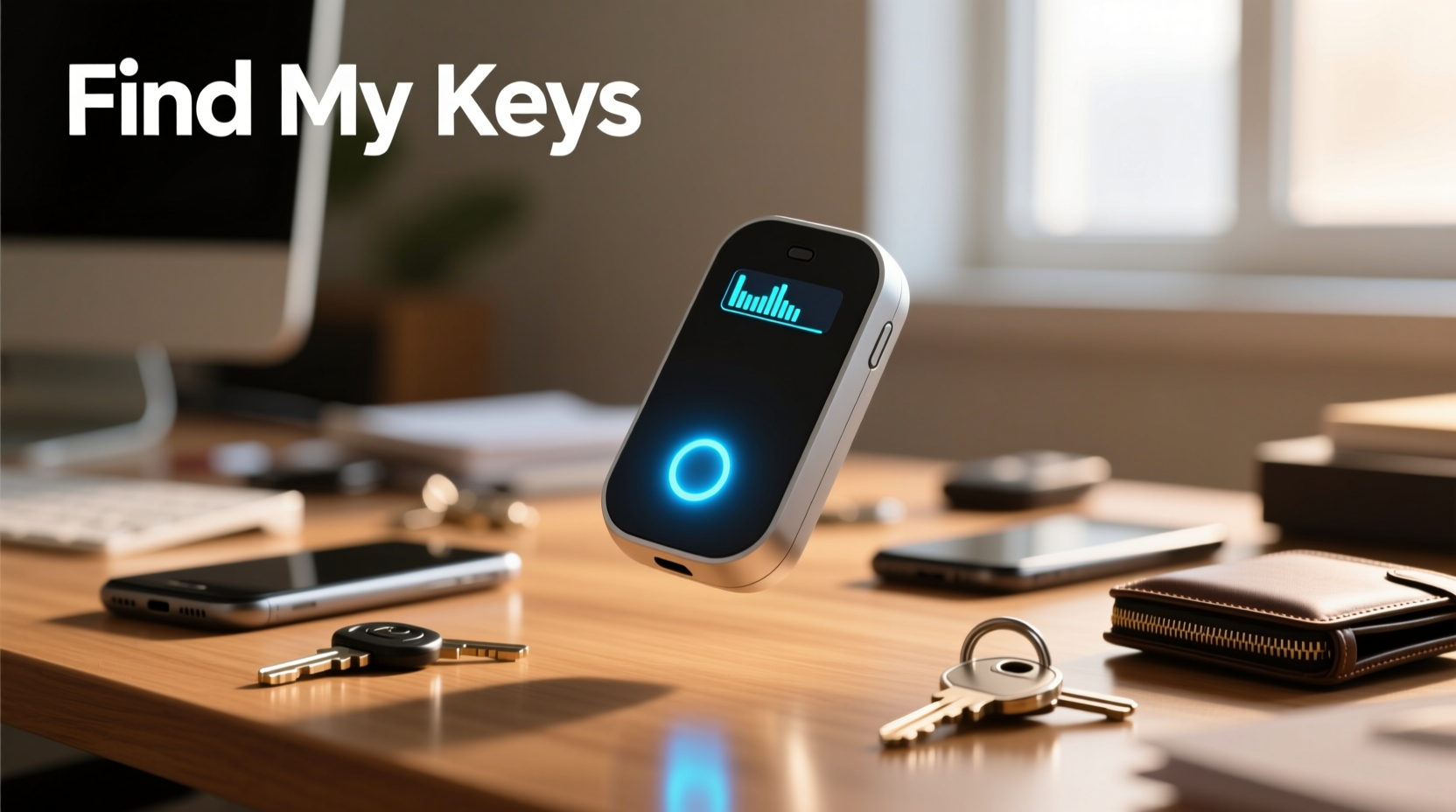
Smart key finders, such as Tile, Apple AirTag, or Samsung SmartTag, use Bluetooth or ultra-wideband (UWB) technology to help locate lost items. These small devices attach to your keychain and sync with your smartphone via an app. When your keys go missing, you can trigger a ring from the device, view its last known location on a map, or activate precision finding if your phone supports it.
The advantage is clear: even if you forget where you left your keys, the technology compensates for human error. Whether they’re buried under couch cushions, left in a hotel room, or dropped at a café, the smart tag provides a digital trail.
Moreover, many of these devices operate within global networks. For example, Apple’s Find My network uses millions of iOS devices to anonymously detect lost AirTags, even when they’re out of your personal Bluetooth range. This means someone else’s iPhone might detect your lost keys and report their location—without compromising privacy.
“Technology like UWB in modern smart tags allows for centimeter-level accuracy, making it easier than ever to pinpoint lost items indoors.” — Dr. Lena Patel, IoT Product Designer
Comparing Both Solutions: A Practical Breakdown
To evaluate which option performs better, consider the following factors: reliability, ease of use, cost, and adaptability to real-life scenarios.
| Feature | Key Organizer | Smart Key Finder |
|---|---|---|
| Reliability | Depends on user consistency; fails when routine breaks | High—works regardless of user memory, as long as battery lasts |
| Cost | $5–$30 (one-time) | $25–$40 per tag + potential subscription for premium features |
| Maintenance | None—passive system | Battery replacement every 6–12 months; app updates |
| Range | Only effective at home or designated spot | Global tracking via network; Bluetooth range ~30–100 ft |
| Best For | People with strong routines and minimal distractions | Frequent travelers, forgetful individuals, or multi-environment users |
Real-Life Scenario: The Traveling Professional
Consider Sarah, a marketing consultant who travels three times a month. She often rents cars, stays in hotels, and attends back-to-back meetings. Despite using a sleek key bowl at home, she frequently misplaces her keys during trips—sometimes leaving them in rental cars or hotel safes.
After losing her keys twice in one quarter—resulting in $120 in replacement and towing fees—she invested in an AirTag. During her next trip, she left her keys in the glove compartment of a rental. Her iPhone alerted her before she walked away, thanks to the separation notification feature. She retrieved them immediately.
This scenario illustrates a critical limitation of key organizers: they only work in fixed locations. Smart key finders, however, provide protection across environments—home, office, travel—making them more versatile for dynamic lifestyles.
When a Key Organizer Still Makes Sense
Despite the technological edge, key organizers aren’t obsolete. They serve a valuable role in establishing foundational habits, especially in households with children or elderly members who may not use smartphones regularly.
Additionally, some people prefer minimalist, tech-free solutions. A beautifully crafted leather key tray or a vintage hook adds aesthetic value and encourages mindfulness. For individuals with predictable routines—such as retirees or remote workers—the simplicity of a designated spot may be sufficient.
The key (pun intended) is pairing the organizer with intentionality. Simply owning a key rack won’t solve the problem. It must be integrated into a daily ritual, ideally linked to another consistent behavior—like removing shoes or hanging up a coat.
Step-by-Step Guide to Choosing the Right Solution
- Assess Your Lifestyle: Do you travel often? Have a chaotic daily routine? If yes, a smart key finder offers broader protection.
- Evaluate Past Incidents: How often do you lose your keys? Where? If most losses happen outside the home, technology-based tracking is likely more effective.
- Test a Key Organizer First: Try a dedicated spot for 30 days. Track compliance. If you fail more than three times, upgrade to a smart solution.
- Pick the Right Smart Finder: Match the device to your ecosystem—AirTag for iPhone users, Galaxy SmartTag for Android/Samsung, Tile for cross-platform flexibility.
- Combine Both for Maximum Effect: Use a smart tag on your keys and place a reminder near your organizer. Technology backs up habit, not replaces it entirely.
FAQ
Can smart key finders be used for other items?
Absolutely. Most smart tags can be attached to wallets, backpacks, luggage, or even pet collars. Their versatility makes them a worthwhile investment beyond just keys.
Are smart key finders secure? Can someone track me without consent?
Manufacturers have implemented anti-stalking features. For example, iPhones will alert users if an unknown AirTag is traveling with them. Tags also emit sounds after prolonged separation from their owner to prevent misuse.
Do I need Wi-Fi for a smart key finder to work?
No. Bluetooth handles short-range communication. Location data syncs when your phone reconnects to the internet. Global networks like Find My or Tile Network operate in the background without requiring Wi-Fi on the lost device.
Conclusion: The Best Tool Depends on You—but Technology Tips the Scale
While key organizers promote discipline and order, they depend heavily on human consistency—a trait easily compromised by fatigue, distraction, or change in routine. Smart key finders, on the other hand, act as a safety net, leveraging technology to compensate for inevitable lapses in memory.
For most people in today’s fast-paced world, the smart key finder is not just convenient—it’s a practical necessity. It reduces anxiety, saves time, and prevents costly replacements. That said, the ideal approach blends both: use a designated spot at home as your first line of defense, and equip your keys with a smart tag as backup.
If you’ve lost your keys more than once in the past year, the return on investment for a $30 tracker is undeniable. Stop relying solely on memory. Embrace tools that make life easier. Your future self—rushing out the door but knowing exactly where your keys are—will thank you.
🚀 Ready to stop the search? Pick a smart key finder today, attach it to your keys, and experience the peace of mind that comes with never losing them again.