Types of Large Cactus Planters
A large cactus planter plays a crucial role in both the health and visual appeal of your desert plants. The right container ensures proper drainage, temperature regulation, and root development while complementing your indoor or outdoor décor. With a wide range of materials available—each offering unique benefits and challenges—choosing the ideal planter involves balancing functionality, durability, and aesthetics.
Below is a comprehensive overview of the most popular types of large cactus planters, including their characteristics, advantages, and ideal use cases.
Ceramic Planters
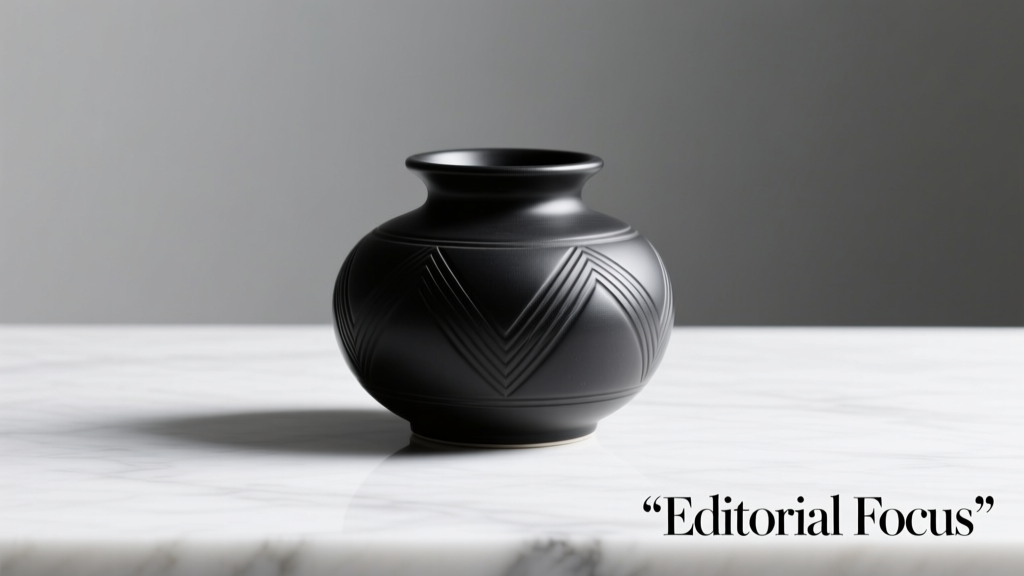
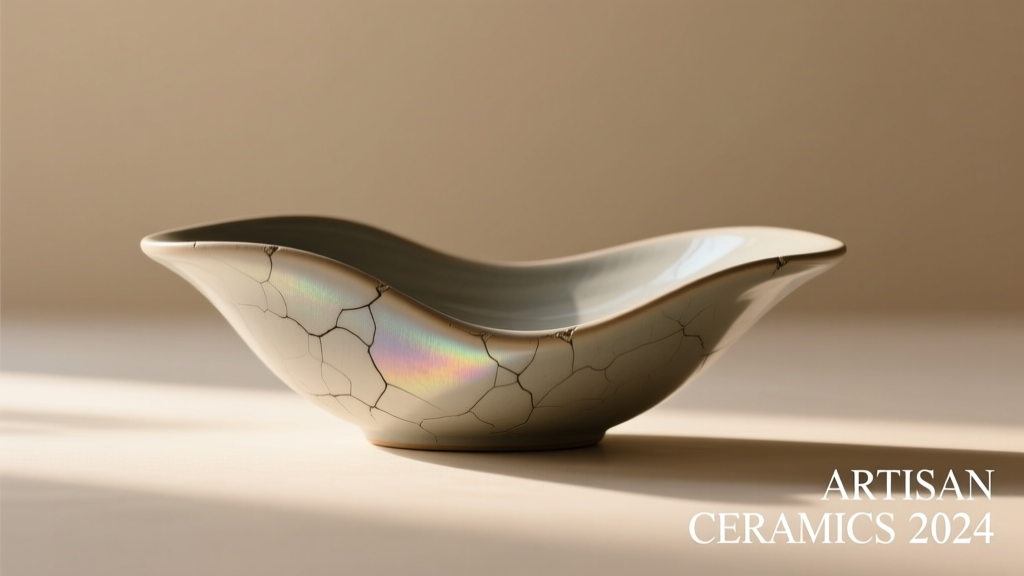
Elegant and versatile, ceramic planters are glazed containers that combine beauty with practicality. Their smooth, non-porous surface helps retain moisture better than porous materials, making them suitable for cacti that prefer slightly more humidity or for indoor environments with controlled watering.
Advantages
- Attractive glazed finish in various colors
- Excellent for indoor display and décor
- Good moisture retention for less frequent watering
- Heavyweight design resists tipping
Limitations
- Potential for waterlogging without proper drainage
- Fragile—can crack from frost or impact
- Heavier than most alternatives, limiting mobility
Best for: Indoor spaces, decorative displays, low-light environments
Terracotta Planters
Made from fired, unglazed clay, terracotta planters are a classic favorite among cactus enthusiasts. Their porous structure allows soil to breathe and excess moisture to evaporate, reducing the risk of root rot—a common issue with overwatered cacti.
Advantages
- Natural breathability promotes healthy roots
- Encourages proper drying between waterings
- Timeless, rustic appearance enhances desert themes
- Affordable and widely available
Limitations
- Dries out quickly in hot, dry climates
- Vulnerable to cracking in freezing temperatures
- May develop mineral deposits over time
Best for: Outdoor use, arid climates, drought-tolerant species
Wooden Planters
Offering a warm, organic aesthetic, wooden planters bring a natural charm to any space. Typically constructed from rot-resistant woods like cedar or redwood, or treated lumber, they are well-suited for outdoor cactus gardens and raised planting beds.
Advantages
- Beautiful rustic or farmhouse-style appearance
- Can be customized in size and shape
- Natural insulation helps regulate soil temperature
- Ideal for building elevated or tiered planters
Limitations
- Requires sealing or treatment to prevent rot
- Limited lifespan compared to non-organic materials
- Needs proper drainage modifications
Best for: Garden landscapes, patios, rustic-themed interiors
Metal Planters
With a sleek, modern edge, metal planters—often made from stainless steel, aluminum, or galvanized steel—are perfect for contemporary urban spaces. Their industrial look pairs well with minimalist or architectural design styles.
Advantages
- Highly durable and weather-resistant
- Lightweight yet sturdy options available
- Resists pests and decay
- Modern aesthetic suits urban balconies and rooftops
Limitations
- Conducts heat—can overheat soil in direct sun
- May require insulation or shading in hot climates
- Potential for rust if not properly coated
Best for: Modern exteriors, rooftop gardens, commercial spaces
Concrete Planters
Built to last, concrete planters offer unmatched durability and structural integrity. Their substantial weight provides excellent stability, making them ideal for large cacti and windy outdoor locations. Available in a range of finishes—from smooth polished to textured or stamped designs—they suit both modern and traditional landscapes.
Advantages
- Extremely long-lasting and weatherproof
- Customizable in shape, size, and texture
- Excellent for large or top-heavy cacti
- Provides thermal mass to buffer soil temperature
Limitations
- Very heavy—difficult to move once filled
- Requires proper drainage holes to prevent water retention
- Potentially prone to cracking in freeze-thaw cycles
Best for: Permanent outdoor installations, public gardens, architectural settings
| Material | Drainage | Durability | Aesthetic Style | Best Use Case |
|---|---|---|---|---|
| Ceramic | Moderate (requires drainage holes) | Medium | Elegant, decorative | Indoor display, low-maintenance settings |
| Terracotta | Excellent (porous) | Medium (fragile in frost) | Rustic, natural | Outdoor gardens, desert-themed spaces |
| Wood | Good (with modifications) | Medium (requires maintenance) | Warm, organic | Patio planters, raised beds |
| Metal | Good (non-porous) | High (if rust-resistant) | Modern, industrial | Urban balconies, contemporary designs |
| Concrete | Good (needs drainage setup) | Very High | Rugged, architectural | Landscaping, public installations |
Expert Tip: Regardless of material, always ensure your large cactus planter has adequate drainage holes. For non-porous containers like ceramic or metal, consider adding a layer of gravel or perlite at the bottom to improve aeration and prevent water accumulation.
Design of Large Cactus Planters: Style, Function, and Aesthetic Impact
A large cactus planter is far more than just a container for succulents—it serves as a powerful design statement in both indoor and outdoor environments. Thoughtfully designed planters enhance spatial harmony, reflect personal style, and elevate the natural beauty of cacti. From material textures to color psychology and stylistic themes, every design choice contributes to the overall ambiance of a space. Below is a comprehensive breakdown of the key design elements that define exceptional large cactus planters.
Materials and Texture: The Foundation of Aesthetic and Function
The material of a planter profoundly influences not only its appearance but also its durability, weight, and compatibility with plant health. Each material brings unique tactile and visual qualities to a space.
Terracotta
Known for its natural, porous surface, terracotta offers an earthy, organic charm ideal for Mediterranean, rustic, or Southwestern-style interiors. Its breathability helps regulate soil moisture, making it excellent for cacti that thrive in well-drained conditions. However, it can be heavy and susceptible to cracking in freezing temperatures.
Ceramic
Glazed ceramic planters provide a smooth, polished finish in a wide array of colors and patterns. They are perfect for modern, minimalist, or bohemian decors. While less porous than terracotta, they still offer decent breathability when unglazed on the interior. Their glossy surfaces are easy to clean and resistant to fading.
Metal (Stainless Steel, Zinc, Corten Steel)
Metal planters deliver a sleek, industrial, or contemporary aesthetic. Stainless steel offers a clean, reflective surface, while weathered zinc or Corten steel develops a rich patina over time—ideal for outdoor gardens seeking an evolving, natural look. These materials are durable but may retain heat, requiring careful placement to avoid root stress.
Concrete
Concrete planters are prized for their modern, sculptural presence and exceptional durability. Their raw, textured finish complements minimalist, industrial, and mid-century modern spaces. Though heavy, they provide excellent thermal mass, helping to stabilize root temperatures in fluctuating climates.
Plastic & Fiberglass
Lightweight and affordable, plastic and fiberglass planters are ideal for large-scale installations or rooftop gardens where weight is a concern. Modern versions mimic the look of stone, wood, or concrete with realistic textures and UV-resistant finishes. They retain moisture longer, so proper drainage is essential for cacti.
Wood & Woven Materials
Wooden planters, especially those made from teak or cedar, bring warmth and natural elegance. They suit boho-chic, rustic, or coastal themes. Woven baskets, often lined for water resistance, add artisanal character and are perfect for indoor cactus displays. However, they require protection from prolonged moisture to prevent rot.
Color Psychology and Visual Impact
Color plays a pivotal role in setting the mood and drawing attention within a space. The right hue can either blend seamlessly or stand out boldly.
Shapes and Proportions: Defining Space and Style
The silhouette of a large cactus planter can dramatically influence spatial perception and stylistic cohesion.
Geometric Forms (Cube, Pyramid, Hexagon)
Sharp lines and angular shapes enhance modern and contemporary aesthetics. These forms create visual interest and work well in structured, architectural spaces.
Curved & Organic Shapes (Round, Oval, Freeform)
Soft, flowing contours introduce a sense of calm and fluidity, balancing angular furniture or rigid room layouts. They are especially effective in Zen gardens or cozy living areas.
Tapered & Cylindrical Designs
Vertical emphasis elongates the visual height of the plant, making it ideal for entryways, hallways, or minimalist spaces where verticality adds drama.
Themed & Sculptural Planters
Planters shaped like animals, geometric art, or cultural motifs add whimsy and storytelling to gardens, children's rooms, or themed landscapes. While decorative, ensure adequate drainage and structural stability.
Proportion Tip: The planter should be proportional to both the cactus and its environment. A mature saguaro or large barrel cactus requires a deep, wide container to support root development and prevent tipping.
Design Styles and Thematic Integration
Large cactus planters can be tailored to align with a wide range of interior and exterior design philosophies.
| Design Style | Recommended Planter Types | Key Characteristics |
|---|---|---|
| Minimalist / Modern | Smooth concrete, matte ceramic, monochrome metal | Clean lines, neutral colors, unadorned surfaces |
| Boho-Chic | Hand-painted ceramics, woven baskets, colorful terracotta | Vibrant patterns, artisanal textures, eclectic mix |
| Industrial | Corten steel, galvanized metal, raw concrete | Exposed materials, utilitarian look, rugged finishes |
| Mid-Century Modern | Wood-trimmed planters, geometric shapes, warm tones | Organic modernism, tapered legs, retro-inspired forms |
| Coastal / Desert | Weathered terracotta, sandy beige ceramics, driftwood accents | Soft textures, natural hues, sun-bleached finishes |
Important: Always ensure large planters have proper drainage holes to prevent root rot in cacti. For indoor use, consider adding a waterproof liner or saucer. When selecting a planter, balance aesthetics with functionality—durability, weight, and climate suitability are just as crucial as visual appeal. Investing in a well-designed, high-quality planter enhances both plant health and the beauty of your space for years to come.
Scenarios of Large Cactus Planters
Large cactus planters are more than just decorative containers—they are functional, sustainable, and visually striking elements that enhance both indoor and outdoor environments. With their low maintenance needs and architectural appeal, large cactus planters suit a wide range of settings, from private homes to public spaces. Below is a comprehensive look at how these planters can be effectively used across different environments.
Indoor Living Spaces
Large cactus planters bring a bold, natural presence into homes and apartments. Their vertical growth and sculptural forms make them ideal focal points in modern, minimalist, or Southwestern-inspired interiors. Placed near large windows, in sunlit corners, or along hallways, they enhance spatial depth and add organic warmth to hard surfaces like wood, tile, or concrete flooring.
- Ceramic and glazed terracotta planters offer elegant finishes that complement contemporary décor
- Strategically placed planters can divide open-concept spaces without blocking light
- Low water requirements make them ideal for busy homeowners or those new to plant care
- Improve indoor air quality and contribute to mental well-being through biophilic design principles
Design tip: Pair tall columnar cacti like Cereus or Pachycereus with matte black or earth-toned planters for dramatic contrast.
Patios and Balconies
In urban and suburban outdoor areas, large cactus planters transform limited spaces into vibrant, desert-inspired retreats. They are perfect for creating a Zen garden aesthetic or a drought-tolerant oasis that thrives with minimal upkeep. Their resilience to sun and heat makes them ideal for exposed decks and rooftop terraces.
- Weather-resistant materials like concrete, powder-coated metal, and thick terracotta withstand seasonal changes
- Group planters of varying heights to create visual layers and dynamic compositions
- Use in combination with gravel, lava rock, or sand for a cohesive desert theme
- Perfect for renters or condo dwellers who want greenery without permanent landscaping
Pro tip: Elevate planters on stands or plinths to improve drainage and add dimension to small patios.
Landscaping and Gardens
Large cactus planters play a key role in xeriscaping and sustainable landscaping, especially in arid or water-restricted regions. They allow for creative garden design without the need for excessive irrigation, making them eco-friendly choices for modern landscapes.
- Anchor garden beds with large planters featuring agave, barrel cactus, or prickly pear
- Use natural materials like stone, cast concrete, or weathered metal to blend with rocky or sandy environments
- Position along walkways or driveways to guide movement and add visual rhythm
- Combine with native grasses and drought-tolerant perennials for biodiversity and texture
Sustainability note: These planters reduce water consumption and support local ecosystems by minimizing lawn areas.
Commercial and Public Spaces
In offices, hotels, shopping centers, and municipal areas, large cactus planters serve as low-maintenance yet high-impact design elements. They enhance curb appeal, define spaces, and introduce nature into corporate or urban environments where traditional greenery may be impractical.
- Enhance lobbies and entranceways with sculptural cacti in sleek concrete or geometric metal planters
- Line walkways or seating areas to create natural boundaries and visual interest
- Require minimal watering and pruning, reducing maintenance costs for facility managers
- Add warmth and approachability to otherwise sterile or industrial spaces
Business benefit: Well-designed green spaces improve customer dwell time and employee satisfaction.
Events and Themed Decor
Large cactus planters are increasingly popular in event design, especially for weddings, festivals, and brand activations with desert, boho, or Southwestern themes. Their striking appearance makes them ideal as backdrops, centerpieces, or photo props.
- Create immersive experiences with clusters of planters in varying sizes and textures
- Use as aisle dividers or ceremony arch accents for outdoor weddings
- Perfect for pop-up markets, art fairs, and retail displays seeking a trendy, natural aesthetic
- Easily transportable and reusable, making them cost-effective for recurring events
Creative idea: Illuminate planters with soft LED lighting for evening events to highlight textures and shadows.
Urban and Sustainable Design
As cities embrace green infrastructure, large cactus planters contribute to urban heat reduction, air purification, and mental well-being. They are ideal for rooftops, courtyards, and sidewalk plazas where soil space is limited but greenery is desired.
- Help mitigate the urban heat island effect through natural shading and evapotranspiration
- Support sustainable architecture by integrating nature into high-density developments
- Encourage community engagement in public green spaces
- Align with LEED and WELL Building standards for environmental and human health
Future-forward: Cities like Phoenix and Los Angeles are incorporating desert planters into public realm projects for climate resilience.
Expert Recommendation: When selecting large cactus planters, prioritize drainage, material durability, and scale relative to the space. For outdoor use, ensure planters have adequate drainage holes and are made from frost- and UV-resistant materials. Indoors, use saucers to protect flooring. Always match the cactus species to the light and climate conditions of the environment to ensure long-term health and visual impact.
| Setting | Recommended Planter Material | Ideal Cactus Types | Maintenance Level |
|---|---|---|---|
| Indoor Living Rooms | Ceramic, Glazed Terracotta | Christmas Cactus, Bunny Ears, Zebra Cactus | Low |
| Patio & Balcony | Concrete, Powder-Coated Metal | Barrel Cactus, Agave, Aloe | Low |
| Desert Landscaping | Stone, Cast Concrete, Terracotta | Saguaro (young), Prickly Pear, Yucca | Very Low |
| Commercial Lobbies | Steel, Fiberglass, Geometric Concrete | Columnar Cacti, Pencil Cactus, Jade Plant | Low |
| Events & Festivals | Lightweight Resin, Decorative Metal | Artificial or Hardy Live Cacti | Minimal (Temporary) |
Additional Considerations
- Drainage: Always ensure planters have proper drainage to prevent root rot—elevated bases or feet help with airflow.
- Weight & Mobility: Large planters can be heavy; consider casters or modular designs for easier repositioning.
- Safety: Place spiny cacti away from high-traffic areas, especially in homes with children or pets.
- Seasonal Care: In colder climates, move planters indoors during winter or use cold-hardy species.
- Aesthetic Harmony: Match planter color and texture to the surrounding architecture for a cohesive look.
Specification & Maintenance of Large Cactus Planters
Ensuring cacti thrive in large planters requires careful attention to planter specifications and consistent maintenance practices. Proper selection and care not only support healthy root development and growth but also prevent common issues like root rot, pest infestations, and nutrient deficiencies. This comprehensive guide covers everything from material selection to seasonal care, empowering you to create an ideal environment for your cacti—whether indoors or outdoors.
Important Note: Cacti are adapted to arid environments and are highly sensitive to overwatering and poor drainage. Always prioritize well-draining materials and avoid waterlogged conditions, which are the leading causes of cactus decline.
1. Material Requirements: Choosing the Right Planter
The material of your planter significantly affects moisture retention, temperature regulation, and overall plant health. Consider the following options based on your environment:
- Teracotta: Highly porous, allowing soil to dry quickly and promoting root aeration. Ideal for humid climates or indoor use where moisture control is critical.
- Concrete & Stone: Durable and heavy, making them excellent for outdoor planters. They provide thermal mass that stabilizes root-zone temperatures but retain moisture longer than terracotta.
- Plastic: Lightweight and moisture-retentive—best for dry climates or indoor settings. Choose UV-resistant varieties for outdoor use to prevent degradation.
- Wood: Offers a natural aesthetic and moderate breathability. Use rot-resistant woods like teak or cedar, and line the interior with plastic to extend lifespan.
- Metal: Stylish but can heat up quickly in direct sunlight. Use only in shaded areas or indoors, and ensure adequate insulation or double-walled design.
Pro Tip: For outdoor planters in hot climates, lighter-colored materials (e.g., white concrete or painted terracotta) reflect sunlight and help prevent root overheating.
2. Size and Drainage: Foundation for Healthy Roots
Cacti, especially larger species like Trichocereus or Opuntia, require spacious containers to accommodate deep or spreading root systems.
- Select planters that are at least 12 inches deep and wide, with larger specimens needing 18–24 inches or more.
- Ensure multiple drainage holes at the bottom to allow rapid water escape.
- Elevate planters slightly using feet or bricks to prevent water pooling beneath the container.
- Avoid saucers that hold water; if used, empty them within 15 minutes after watering.
Proper drainage prevents soggy soil, reduces the risk of fungal infections, and mimics the cactus’s natural desert habitat.
3. Soil Preparation: Creating the Ideal Growing Medium
Standard potting soil retains too much moisture for cacti. Use a specialized mix that promotes drainage and aeration:
- Commercial Option: Pre-mixed cactus & succulent soil, often containing perlite, pumice, and coarse sand.
- DIY Mix: Combine equal parts:
- Potting soil (peat-free preferred)
- Coarse sand (horticultural grade)
- Perlite or pumice
- Optional Additive: 10–15% shredded pine bark or coconut coir to improve structure without increasing water retention.
Always moisten the mix slightly before planting to ensure even distribution and eliminate dry pockets.
4. Watering Routine: Less is More
Overwatering is the most common cause of cactus death. Follow a strategic watering schedule based on season and environment:
- Spring & Summer (Growing Season): Water every 2–4 weeks, only when the soil is completely dry.
- Fall & Winter (Dormancy): Reduce to once every 4–8 weeks, depending on temperature and light levels.
- Method: Water deeply until liquid flows from the drainage holes, ensuring the entire root zone is hydrated.
- Frequency Tip: In humid climates, wait an extra week between waterings. In dry, hot areas, monitor closely for signs of shriveling.
Use filtered or distilled water if your tap water is high in minerals, which can build up in the soil over time.
5. Fertilization: Supporting Growth Without Overload
Cacti require minimal feeding. Over-fertilizing can lead to weak, leggy growth and salt buildup.
- Growing Season: Apply a balanced, water-soluble fertilizer (e.g., 10-10-10 NPK) diluted to half strength once a month.
- Alternative: Use a low-nitrogen cactus-specific fertilizer (e.g., 5-10-10) to encourage flowering and stem strength.
- Fall/Winter: Suspend fertilization entirely during dormancy.
- Indoor Plants: Consider slow-release granular fertilizer applied in early spring for steady nutrient delivery.
- Soil Health: Top-dress with a thin layer of organic compost annually to replenish micronutrients and improve soil biology.
6. Pruning and Repotting: Long-Term Planter Management
Large planters delay the need for frequent repotting but still require periodic maintenance:
- Pruning: Remove dead, damaged, or diseased segments with sterile tools. Wear gloves and use tongs for spiny varieties.
- Repotting: Every 2–3 years, refresh the soil and inspect roots for rot or pests. Move to a slightly larger pot only if necessary.
- Multi-Cactus Displays: When grouping cacti, ensure each has enough space to grow without overcrowding. Avoid mixing species with vastly different water needs.
Repot in spring to allow recovery during the growing season.
7. Pests and Disease Control: Prevention and Treatment
Even in large planters, cacti can fall victim to pests and pathogens, especially in poorly ventilated or overly moist conditions.
- Common Pests: Mealybugs, spider mites, scale, and fungus gnats.
- Early Detection: Inspect regularly, especially under spines and in crevices. Look for white cottony masses (mealybugs) or fine webbing (spider mites).
- Treatment:
- Apply insecticidal soap or neem oil weekly until infestation clears.
- For severe cases, use systemic insecticides as a last resort.
- Treat both the plant and soil surface to eliminate eggs and larvae.
- Disease Prevention: Maintain dry soil, ensure good airflow, and avoid splashing water on stems. Remove affected parts immediately if rot appears.
| Maintenance Task | Frequency | Best Practices | Common Mistakes |
|---|---|---|---|
| Watering | Every 2–8 weeks (seasonal) | Water deeply only when soil is dry | Overwatering, using saucers that hold water |
| Fertilizing | Monthly in growing season | Dilute to half strength; stop in winter | Applying during dormancy, over-fertilizing |
| Soil Refresh | Every 2–3 years | Replace with fresh cactus mix | Reusing old soil, not checking roots |
| Pest Inspection | Monthly | Check under spines and base | Ignoring early signs, poor ventilation |
| Repotting | Every 2–3 years | Do in spring; use slightly larger pot | Using too large a container, wrong soil mix |
Expert Tip: Rotate your cactus planter every few weeks to promote even growth and prevent leaning toward the light source, especially for indoor plants near windows.
Final Recommendations for Success
- Label your cactus species and track care routines for better long-term management.
- Use a moisture meter or wooden skewer to test soil dryness before watering.
- Provide bright, indirect to full sun (6+ hours daily) for optimal growth.
- Avoid sudden temperature drops; most cacti prefer 50–90°F (10–32°C).
- Keep new plants in quarantine for 2–4 weeks to prevent pest spread.
With the right planter, soil, and care routine, large cactus planters can become stunning focal points in gardens, patios, or living spaces. By mimicking natural desert conditions—excellent drainage, infrequent watering, and minimal feeding—you’ll enjoy healthy, long-lived cacti for years to come. When in doubt, remember: it’s safer to underwater than overwater.
Frequently Asked Questions About Large Cactus Planters
Q1. Can large cactus planters be used inside the house?Yes, large cactus planters can be used indoors, provided you select the right materials and care for the plant properly. Indoor spaces benefit from lightweight options such as plastic, glazed ceramic, or powder-coated metal planters, which are easier to move and less likely to damage flooring.
Cacti are naturally resilient and adapt well to indoor environments as long as they receive:
- Bright, indirect sunlight: A south- or west-facing window is ideal for maximum light exposure.
- Low humidity: Cacti thrive in dry air, making them perfect for most home environments.
- Proper ventilation: Good airflow helps prevent mold and pest infestations.
When placing large planters indoors, ensure the container has drainage holes and use a saucer to protect surfaces from water damage. Avoid overwatering, as indoor cacti typically grow more slowly and require less moisture than outdoor ones.
Q2. What kind of soil do cacti need in large planters?Cacti require a specialized, well-draining soil mix to prevent root rot and promote healthy root development. Standard potting soil retains too much moisture and can suffocate cactus roots.
The ideal soil for large cactus planters should be gritty and porous. You have two main options:
- Premade cactus & succulent mix: Available at most garden centers, these blends are formulated for fast drainage and include perlite, pumice, or sand.
- DIY soil blend: Create your own by mixing:
- 2 parts regular potting soil
- 1 part coarse sand (horticultural grade, not fine beach sand)
- 1 part perlite or pumice
For extra drainage in large planters, consider adding a layer of gravel or expanded clay pebbles at the bottom (though this is optional if the pot has good drainage holes). The goal is to mimic the arid, rocky environments where cacti naturally grow.
Q3. How often should one water a cactus in a large planter?Watering frequency depends on the season, climate, and planter size, but as a general rule, cacti in large planters should be watered infrequently—approximately every 2 to 4 weeks.
Follow these guidelines for optimal watering:
- Spring and Summer (growing season): Water every 2–3 weeks when the top 2–3 inches of soil are completely dry.
- Fall and Winter (dormant season): Reduce watering to once every 4–6 weeks, as growth slows and water needs decrease.
- Check soil moisture: Use a moisture meter or your finger to test dryness before watering.
- Water deeply but sparingly: Soak the soil thoroughly until water drains from the bottom, then allow it to dry out completely before the next watering.
Large planters retain moisture longer than small pots, so be especially cautious not to overwater. Signs of overwatering include yellowing, mushy stems, or a foul smell from the soil—indicating possible root rot.
Q4. Are large cactus planters suitable for outdoor use?Yes, large cactus planters are excellent for outdoor use, especially when constructed from durable, weather-resistant materials such as concrete, terracotta, fiberglass, or galvanized metal.
Outdoor planters offer several benefits:
- Natural sunlight: Full sun exposure (6+ hours daily) supports robust growth and flowering.
- Better airflow: Reduces the risk of fungal diseases and pests.
- Temperature tolerance: Most cacti thrive in warm, dry climates and can handle high heat.
However, consider the following when using large planters outdoors:
- Frost protection: Move planters indoors or cover them during freezing temperatures, as most cacti are not frost-hardy.
- Drainage: Ensure the planter has adequate drainage holes to prevent waterlogging during rain.
- Stability: Heavy outdoor planters should be placed on stable surfaces to avoid tipping in windy conditions.
With proper placement and care, large cactus planters can enhance patios, decks, and garden landscapes beautifully.
Q5. How do I keep pests away from my large cactus in a planter?Pests can occasionally affect cacti, especially in humid or poorly ventilated environments. Common culprits include mealybugs, spider mites, scale insects, and fungus gnats.
Prevention and early detection are key to keeping your cactus healthy:
- Inspect regularly: Check stems, crevices, and the soil surface weekly for signs of pests like white cottony patches (mealybugs) or tiny moving dots.
- Isolate new plants: Quarantine newly acquired cacti for 2–3 weeks to prevent spreading pests.
- Avoid overwatering: Damp soil attracts fungus gnats and encourages root rot, which weakens the plant.
- Clean the planter: Remove debris and old soil from around the base to eliminate hiding spots.
If pests appear, treat them promptly with:
- Insecticidal soap: Effective against soft-bodied insects; apply directly to affected areas.
- Neem oil: A natural pesticide that disrupts pest life cycles; dilute and spray weekly until infestation clears.
- Alcohol swabs: Dab 70% isopropyl alcohol on visible pests like mealybugs using a cotton swab.
Repeat treatments every 7–10 days to target newly hatched pests. With consistent care and vigilance, you can maintain a pest-free, thriving cactus in any large planter.