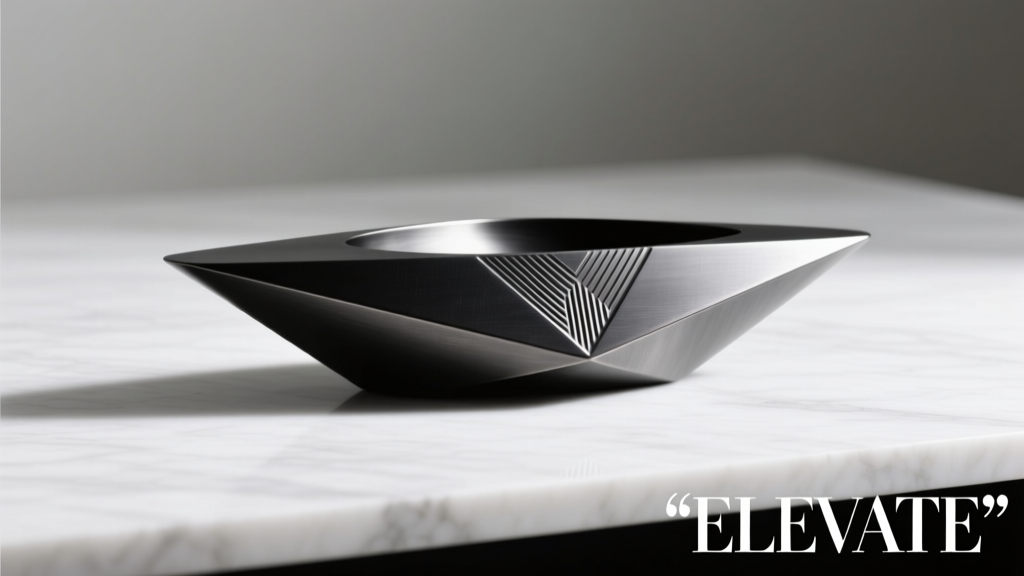
Types of Knock Box Trash
A knock box trash (commonly referred to as a knock box or knock-out box) is an essential tool in espresso preparation, designed to collect used coffee pucks after tamping and brewing. Choosing the right type enhances workflow efficiency, reduces physical strain, and improves workspace organization in both home and commercial settings.
The ideal knock box depends on your volume of use, space constraints, ergonomics, and desired level of automation. Below is a detailed breakdown of the most common types available today.
Manual Knock Box
Simple, spring-free design requiring direct hand pressure to knock out spent coffee pucks.
Advantages
- Simple and reliable mechanical design
- Low maintenance with no moving parts
- Affordable and widely available
- Ideal for low-volume environments
Limitations
- Requires more physical effort per knock
- Slower operation during peak hours
- Can lead to wrist fatigue over time
Best for: Home baristas, small cafes, beginners, and low-traffic settings
Spring-Loaded Knock Box
Features a spring mechanism that returns the knock arm automatically after each use.
Advantages
- Reduced effort per knock cycle
- Faster operation than manual models
- Improved ergonomics and user comfort
- Durable construction for moderate to high use
Limitations
- Slight increase in mechanical complexity
- Spring may wear out over time
- Slightly higher initial cost
Best for: Medium-volume cafes, busy home setups, and professional environments with moderate output
Pneumatic Knock Box
Automated system using compressed air to actuate the knock mechanism—ideal for high-speed operations.
Advantages
- Fully automated, touch-free operation
- Extremely fast and consistent performance
- Minimizes physical strain on baristas
- Perfect for high-throughput commercial use
Limitations
- Requires air compressor and plumbing
- Higher installation and maintenance costs
- Limited to commercial or industrial settings
Best for: Large cafes, roasteries, drive-thrus, and high-volume coffee chains
Knock Box with Tamper Storage
Integrated design combining a knock box with a built-in tamper holder for space-saving convenience.
Advantages
- Keeps essential tools organized and within reach
- Improves counter space efficiency
- Promotes cleanliness and workflow consistency
- Reduces risk of losing tampers
Limitations
- Storage may not fit all tamper sizes
- Slightly bulkier than standard models
- May limit customization options
Best for: Compact espresso bars, mobile units, and small coffee shops with limited workspace
Multiple Knock Boxes
Multi-chamber designs that allow simultaneous disposal from multiple group heads or baristas.
Advantages
- Supports multiple users or machines at once
- Improves workflow in team-based environments
- Reduces congestion at shared stations
- Enables better waste separation if needed
Limitations
- Takes up more counter space
- Higher cost due to complexity
- May be overkill for single-user setups
Best for: Large coffee shops, competition setups, training centers, and multi-group espresso stations
| Type | Effort Required | Speed | Best Use Case | Maintenance Level |
|---|---|---|---|---|
| Manual Knock Box | High | Low | Home use, small cafes | Minimal |
| Spring-Loaded | Medium | Medium-High | Medium-volume operations | Low |
| Pneumatic | Very Low | Very High | Commercial high-volume | High |
| With Tamper Storage | Varies (Manual/Spring) | Medium | Space-constrained areas | Low |
| Multiple Knock Boxes | Low-Medium | High | Team environments, busy cafes | Medium |
Expert Tip: For commercial settings, consider pairing a spring-loaded or pneumatic knock box with a drip tray and odor-absorbing liner to maintain hygiene and reduce mess during high-volume service.
Design of Knock Box for Trash: Functionality Meets Aesthetics
A well-designed knock box for trash is more than just a container—it’s a critical tool in both commercial and home espresso setups. Its design directly impacts usability, durability, noise control, and overall kitchen or café aesthetics. Whether you're a professional barista or a home coffee enthusiast, understanding the key design elements of a knock box ensures you choose one that enhances efficiency, comfort, and cleanliness.
Key Design Factors of a Knock Box
Material Selection
Knock boxes are typically constructed from materials such as stainless steel, aluminum, plastic, rubber, and combinations thereof. Each material offers distinct advantages based on use case:
- Stainless Steel: Highly durable, corrosion-resistant, and easy to clean—ideal for high-volume commercial environments. Its professional appearance complements most espresso stations.
- Plastic: Lightweight and cost-effective, making it suitable for home use. While less durable than metal, modern food-grade plastics are resistant to cracking and staining.
- Rubber-Lined Interiors: Many premium models feature rubber or silicone inner linings that reduce impact noise and protect the box from damage caused by repeated puck ejections.
Size and Capacity
The size of a knock box should align with the volume of espresso preparation:
- Compact Models (6–8”): Perfect for home baristas or low-traffic settings. These are easy to store, clean, and move around, making them ideal for small kitchens.
- Large Models (10–14”): Designed for commercial cafes where multiple portafilters are used per hour. Larger capacity reduces the frequency of emptying, improving workflow during peak service times.
Choosing the right size balances practicality with space efficiency—ensuring it fits comfortably under your espresso machine without obstructing workflow.
Shape and Ergonomics
While most knock boxes feature a rectangular or square design for easy storage and stability, curved or contoured shapes are gaining popularity for their sleek appearance and improved ergonomics.
Ergonomic features include:
- Non-slip rubber feet or grips to prevent movement during use.
- Wider tops or flared openings for easier puck disposal with minimal mess.
- Comfortable handles or finger grips for effortless carrying and emptying.
A well-thought-out shape not only improves user comfort but also enhances precision during fast-paced service.
Drainage and Cleanability
Maintaining hygiene is crucial in any coffee setup. High-quality knock boxes are designed with cleaning in mind:
- Removable Drawers or Trays: Allow for quick dumping and thorough washing without disassembling the entire unit.
- Drain Holes or Channels: Prevent water accumulation after rinsing, reducing the risk of odor and bacterial growth.
- Smooth Interior Surfaces: Minimize crevices where coffee grounds can get trapped, simplifying cleanup.
Models with dishwasher-safe components offer added convenience, especially in busy commercial kitchens.
Noise Reduction Features
In quiet environments like home kitchens or boutique cafes, the loud "clack" of ejected pucks can be disruptive. To address this, many modern knock boxes incorporate sound-dampening technologies:
- Rubber or foam padding on the inner walls absorbs impact and reduces noise.
- Double-walled construction in premium models provides additional sound insulation.
- Soft-close lids or dampened lids minimize closing noise.
These features contribute to a more pleasant working environment and are especially valued in residential or customer-facing spaces.
Color and Aesthetic Appeal
Appearance matters—especially when the knock box is part of a visible espresso station. Today’s models come in a wide range of colors and finishes to match various kitchen or café themes:
- Classic Finishes: Brushed stainless steel, matte black, and chrome offer a professional, timeless look.
- Vibrant Colors: Red, white, blue, or custom hues allow personalization and brand alignment in commercial settings.
- Surface Treatments: Polished, brushed, or powder-coated finishes enhance both visual appeal and durability.
A cohesive design between your espresso machine, grinder, and knock box creates a polished, organized workspace that impresses customers and enhances user satisfaction.
| Design Factor | Best For | Recommended Features |
|---|---|---|
| Material | Commercial vs. Home Use | Stainless steel (commercial), plastic/rubber-lined (home) |
| Size & Capacity | High-volume vs. Low-volume | 10–14” (café), 6–8” (home) |
| Shape & Ergonomics | User Comfort | Non-slip base, flared top, easy-grip handle |
| Cleanability | Hygiene Maintenance | Removable tray, drain holes, smooth interior |
| Noise Control | Residential/Customer Areas | Rubber lining, foam padding, soft-close lid |
| Aesthetics | Visual Cohesion | Color-matched to equipment, premium finish |
Important: Always consider your specific environment when selecting a knock box. A commercial café demands durability and high capacity, while a home setup may prioritize quiet operation and compact design. Regular cleaning and proper placement under your espresso machine will extend the life of your knock box and maintain a hygienic, efficient workflow.
Scenarios of Knock Box Trash: Applications Across Coffee Environments
The knock box trash—commonly referred to as a knock box or knock puck bin—is an essential tool in both professional and home espresso preparation. Designed to streamline the disposal of used espresso pucks, it enhances cleanliness, improves workflow efficiency, and reduces noise and mess. Its application varies significantly depending on environment, volume of use, and operational needs. Below is a comprehensive breakdown of how knock boxes are utilized across different settings.
Residential Coffee Use
For home baristas and coffee enthusiasts, a knock box brings order to the espresso-making ritual. It prevents grounds from scattering across countertops and simplifies cleanup after brewing.
- Compact and space-saving designs fit easily on kitchen counters or inside cabinetry
- Ideal for low-volume use—typically one or two shots per day
- Available in stylish finishes (brushed steel, matte black) to complement modern kitchen aesthetics
- Lightweight construction makes it easy to empty and clean
Best for: Home users seeking a tidy, efficient way to manage espresso waste without clutter.
Cafés and Coffee Shops
In high-traffic cafés, where dozens or even hundreds of shots are pulled daily, knock boxes are critical for maintaining hygiene, speed, and professionalism.
- Large-capacity models reduce the frequency of emptying during peak hours
- Integrated rubber bumpers or padded bases minimize noise during portafilter knocking
- Durable stainless steel construction withstands constant use and frequent cleaning
- Multiple units are often placed at different stations to avoid cross-contamination and bottlenecks
Pro insight: Many specialty coffee shops use color-coded knock boxes to separate waste by machine or brew method.
Commercial Roasteries
Roasteries that conduct extensive cupping sessions, espresso testing, or production brewing generate large volumes of spent coffee grounds daily.
- Automated or semi-automated pneumatic knock systems may be integrated into workflow stations
- High-capacity, industrial-grade knock boxes connect directly to waste chutes or compost systems
- Designed for minimal manual handling, reducing labor and improving sanitation
- Often paired with grinders equipped with auto-eject features for seamless puck disposal
Efficiency boost: Automation reduces downtime and supports consistent output in fast-paced environments.
Barista Training Schools
Training facilities require durable, easy-to-clean knock boxes that can withstand constant use by multiple students throughout the day.
- Heavy-duty materials resist dents, scratches, and corrosion from repeated exposure to moisture and oils
- Simple, intuitive design allows beginners to focus on technique rather than equipment handling
- Quick-empty features enable rapid station resets between classes
- Often used alongside training manifolds and practice portafilters
Educational value: Reinforces professional habits like cleanliness, organization, and workflow efficiency.
Office Coffee Stations
Workplace espresso setups benefit from knock boxes that maintain a clean, professional appearance while being user-friendly for non-experts.
- Drawer-style or pull-out bins allow discreet waste collection and easy disposal
- Sleek, minimalist designs blend with office décor and corporate environments
- Odor-resistant materials or liners help prevent lingering coffee smells
- Low-maintenance units reduce the burden on office cleaning staff
Workplace advantage: Encourages proper disposal habits and keeps communal areas tidy.
Competition Settings
Barista competitions demand precision, consistency, and presentation—every detail matters, including waste management.
- Dedicated knock box provided for each competitor to ensure fairness and hygiene
- Noise-dampening features prevent disruptive sounds during timed routines
- Robust construction withstands rapid, repeated use under pressure
- Standardized dimensions ensure compliance with competition regulations
Judging factor: A clean, organized station—including proper puck disposal—can influence overall presentation scores.
Expert Recommendation: When selecting a knock box, consider not just the current environment but also potential future needs. A slightly larger or more durable model may offer better long-term value, especially in growing businesses or high-use homes. For commercial settings, prioritize ease of cleaning and noise reduction to support staff well-being and operational efficiency.
| Environment | Key Requirements | Recommended Features | Material Preference |
|---|---|---|---|
| Residential | Compact size, aesthetic appeal | Small footprint, quiet base, easy to clean | Stainless steel, powder-coated metal |
| Cafés & Coffee Shops | High capacity, durability, noise control | Large bin, rubber feet, multiple units | Heavy-gauge stainless steel |
| Commercial Roasteries | Automation, volume handling | Pneumatic systems, direct waste chutes | Industrial-grade steel or composite |
| Barista Schools | Durability, hygiene, ease of maintenance | Reinforced edges, smooth interior, quick-empty | Welded stainless steel |
| Office Stations | Discreet design, low maintenance | Drawer-style, odor-resistant, elegant finish | Brushed steel, plastic-lined |
| Competitions | Standardization, noise reduction, reliability | Regulation-compliant, padded base, sturdy build | Anodized aluminum or reinforced steel |
Additional Considerations
- Hygiene & Cleaning: Smooth, seamless interiors prevent coffee oil buildup and bacterial growth. Dishwasher-safe models are ideal for environments requiring frequent sanitation.
- Sustainability: Many modern knock boxes are designed to integrate with composting systems, supporting eco-friendly waste management.
- Customization: Branded or engraved knock boxes are popular in cafés and competitions for professional presentation.
- Ergonomics: Angled or contoured designs improve puck release and reduce wrist strain during repetitive knocking.
- Accessories: Some models include built-in brush holders, drip trays, or secondary compartments for used filters or cleaning tools.
Specification of Knock Box Trash: A Complete Guide
A knock box trash (also known as a knock box or portafilter knock box) is an essential tool in both home and commercial espresso setups. Designed to efficiently collect used coffee pucks after extraction, modern knock boxes combine functionality, durability, and aesthetic appeal. This guide details the key specifications and features that define high-quality knock box trash units, helping users make informed decisions for optimal coffee station performance.
Important Note: Regular maintenance and proper use significantly extend the lifespan of your knock box. Always clean after each use to prevent odor buildup and ensure hygiene, especially in high-volume environments like cafes or coffee shops.
Key Features and Specifications
- Material
Constructed primarily from high-grade stainless steel, knock box trash units are built for durability and resistance to corrosion, scratches, and daily wear. Many models feature an interior lining of rubber or food-safe plastic to dampen impact noise and protect the metal structure. This combination ensures longevity even under heavy commercial use, making it a reliable investment for any espresso setup.
- Size & Capacity
Available in a range of sizes—from compact 1-liter models for home use to large 3–5 liter commercial variants—knock boxes are designed to accommodate varying volumes of spent coffee grounds. The size directly influences how frequently the unit needs to be emptied, making it crucial to match capacity with usage intensity. Compact designs ensure space efficiency on crowded countertops, while larger models reduce maintenance frequency in busy environments.
- Noise Reduction
One of the standout features in modern knock boxes is integrated noise dampening. A rubber gasket or padded inner sleeve absorbs the impact when portafilters are knocked, reducing operational noise by up to 50%. Some premium models include foam insulation inside the walls for enhanced sound absorption—ideal for quiet cafes, offices, or early-morning home use where minimizing disturbance is important.
- Drainage System
Equipped with a removable drawer or bottom tray, many knock boxes allow for easy drainage of excess moisture from used coffee pucks. This prevents water accumulation, which can lead to mold, unpleasant odors, and bacterial growth. The design promotes airflow and quick drying, maintaining hygiene and simplifying cleaning routines.
- Ease of Cleaning
Maintenance is streamlined through user-friendly design elements such as screw-type lids, detachable inner containers, and smooth internal surfaces. These components can be easily disassembled and washed by hand or in a dishwasher (if specified). Regular cleaning not only preserves appearance but also prevents residue buildup that could affect performance and sanitation standards.
- Stability & Safety
To prevent sliding or tipping during vigorous knocking, knock boxes are engineered with a weighted base and non-slip silicone or rubber feet. This ensures stability on countertops, reducing the risk of spills and accidents. The secure footing also enhances user comfort and efficiency, especially during peak service hours.
- Color & Finish Options
Available in classic finishes like brushed stainless steel, matte black, white, and chrome, knock boxes are designed to complement the look of espresso machines and kitchen décor. Whether in a modern café or a minimalist home kitchen, the aesthetic versatility ensures a cohesive and professional appearance.
- Ergonomic Design
Thoughtful ergonomics include wide, recessed knock bars or non-slip striking surfaces that allow baristas to eject coffee pucks with minimal effort and wrist strain. The optimal height and angle reduce repetitive motion stress, making the knock box suitable for prolonged use without causing fatigue—especially beneficial in commercial settings.
- Portability & Handling
Select models come with built-in handles or ergonomic cutouts for easy transport when emptying or relocating. This feature enhances workflow efficiency in dynamic environments where the knock box may need to be moved between stations or stored after service. Lightweight yet sturdy construction balances portability with durability.
| Feature | Functionality | Best For | Maintenance Tip |
|---|---|---|---|
| Stainless Steel Build | Durable, rust-resistant, long-lasting | Commercial & home use | Wipe down daily; avoid abrasive cleaners |
| Rubber Noise Dampening | Reduces knock noise by up to 50% | Quiet environments, offices | Inspect lining periodically for wear |
| Removable Drain Tray | Prevents water pooling and odor | High-use settings | Empty and dry after each use |
| Ergonomic Knock Bar | Reduces wrist strain | Baristas, frequent users | Keep surface clean to avoid clogging |
| Non-Slip Base | Enhances stability during use | All environments | Clean feet regularly to maintain grip |
Pro Tip: For optimal hygiene, rinse the inner container and dry thoroughly at least once daily. In commercial settings, consider having a backup knock box to maintain workflow during cleaning cycles.
Additional Considerations
- Compatibility: Ensure the knock box fits comfortably under your espresso machine’s group head for seamless operation.
- Sustainability: Used coffee grounds can be composted—empty the knock box into a compost bin instead of the trash to reduce waste.
- Customization: Some brands offer personalized engraving or custom colors for a branded café experience.
- Odor Control: Place a small charcoal bag or baking soda container inside when not in use to absorb lingering smells.
- Replacement Parts: Check manufacturer availability for replaceable liners, feet, or trays to extend product life.
Choosing the right knock box trash involves balancing durability, noise control, ease of cleaning, and aesthetic integration. Whether you're outfitting a home barista station or a high-volume coffee shop, investing in a well-designed knock box enhances efficiency, safety, and overall user satisfaction. Always prioritize models with proven build quality and thoughtful engineering to ensure years of reliable service.
Frequently Asked Questions About Knock Boxes and Coffee Grounds Disposal
Q1: What is a knock box trash can?A knock box trash can, commonly referred to simply as a knock box, is a specialized waste container designed for espresso bars and coffee shops. It serves as a dedicated disposal unit for used espresso grounds removed from portafilters after pulling shots.
Most knock boxes feature a heavy-duty steel or stainless steel bar along the top edge—engineered to withstand repeated knocking of the portafilter. This design allows baristas to cleanly and efficiently dislodge spent coffee pucks into the bin with minimal mess, reducing countertop spills and improving workflow efficiency.
Available in various sizes and styles, knock boxes are essential tools for maintaining cleanliness and professionalism in high-volume coffee environments.
Q2: What is the purpose of a knock box?The primary purpose of a knock box is to streamline the post-extraction cleanup process in espresso preparation. Instead of scraping or tapping grounds into a general trash can—often leading to clutter and inconsistency—baristas use the knock box to quickly "knock out" used coffee pucks in a controlled and hygienic manner.
Key benefits include:
- Efficiency: Speeds up the turnover between shots, especially during busy periods.
- Cleanliness: Contains grounds within a designated area, minimizing counter mess and reducing slip hazards.
- Ergonomics: Designed for easy access and consistent use, reducing strain during repetitive tasks.
- Professionalism: Maintains a neat and organized workstation, important in commercial settings.
Many modern knock boxes also include removable inner bins or drawers, making emptying and cleaning more convenient and less messy.
Q3: What should I put in my trash can to stop the smell?Coffee grounds, especially when damp, can develop a musty or sour odor over time if not managed properly. To prevent unpleasant smells in your trash can—whether it's a knock box or a regular waste bin—consider the following odor-control strategies:
- Use Liners: Always line your bin with biodegradable or compostable bags to create a barrier between the waste and the container, preventing residue buildup.
- Regular Cleaning: Wash the bin weekly with a mixture of warm water, vinegar, and baking soda or diluted bleach to eliminate bacteria and organic residue that cause odors.
- Odor Absorbers: Place natural deodorizers like baking soda, activated charcoal, or crumpled newspaper at the bottom of the bin. These materials absorb moisture and neutralize odors effectively.
- Dry Before Disposal: Allow used coffee pucks to dry slightly before disposal, as moisture accelerates decomposition and odor development.
- Ventilation: If possible, use a trash can with ventilation or leave the lid slightly ajar (in safe, non-public areas) to reduce humidity buildup.
For home users, storing the bin in a cool, dry place and emptying it frequently can further reduce odor issues.
Q4: Can you put coffee grounds in the normal bin?Yes, coffee grounds can be safely disposed of in a regular household or commercial trash bin. However, to avoid mess and odor, it’s best to follow these best practices:
- Contain the Waste: Place grounds in a sealed biodegradable bag or compostable container before adding them to the bin to prevent leakage and staining.
- Mix with Dry Waste: Combine coffee grounds with dry waste like paper towels, cardboard, or food scraps such as fruit and vegetable peels. This helps absorb moisture and reduces the risk of attracting pests.
- Compost When Possible: Coffee grounds are rich in nitrogen and make excellent additions to compost piles, improving soil structure and promoting microbial activity.
- Avoid Overfilling: Frequent emptying prevents compaction and fermentation, which can lead to foul odors.
Note: While safe for disposal, avoid flushing coffee grounds down the sink, as they can accumulate and cause plumbing blockages over time.
Q5: How do you empty a knock box?Emptying a knock box is a simple but important part of daily maintenance to ensure hygiene and functionality. Follow these steps for safe and efficient disposal:
- Prepare for Emptying: Wear gloves to protect your hands from residual moisture and spent coffee material.
- Remove the Inner Container: Most knock boxes feature a removable drawer, bucket, or liner. Gently slide or lift it out to avoid spilling.
- Dispose of Contents: Empty the used coffee grounds into a larger trash can, compost bin, or designated organic waste container.
- Clean the Bin: Rinse the inner container with water and mild detergent or a vinegar solution. Dry thoroughly before reinserting to prevent mold and odor.
- Reassemble: Slide the clean container back into the knock box frame and ensure it’s securely in place.
For commercial settings, this process should be performed at least once per shift or more frequently during peak hours. Regular cleaning extends the lifespan of the knock box and supports a sanitary coffee preparation environment.