When it comes to optimizing sleep, attention often turns to mattresses, pillows, and room temperature. But one overlooked factor—the duvet cover—can significantly influence comfort, breathability, and even how well you stay under the covers all night. While both Japanese and Western duvet covers serve the same basic function, their design philosophies, materials, and construction lead to tangible differences in sleep experience. Understanding these distinctions isn’t about aesthetics alone; it’s about identifying which features directly affect your rest.
Fabric Composition: Breathability and Skin Feel
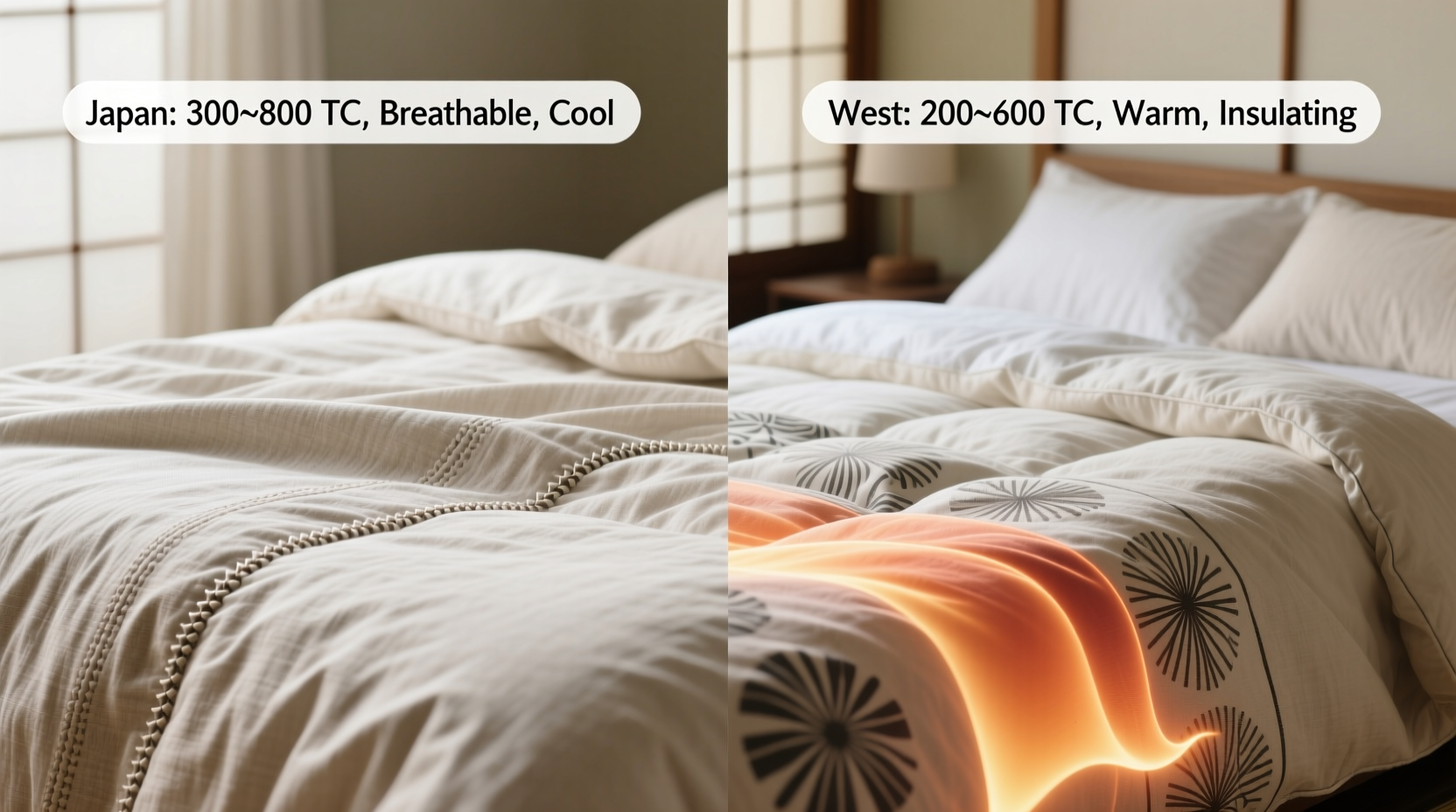
The choice of fabric is perhaps the most critical factor influencing sleep quality. Japanese duvet covers are traditionally made from high-thread-count cotton, particularly shibori or organic washi-cotton blends, emphasizing natural fibers with superior moisture-wicking properties. These fabrics are often pre-washed, resulting in a soft, lived-in feel from the first use and reduced shrinkage over time.
In contrast, many Western duvet covers prioritize durability and wrinkle resistance, sometimes at the expense of breathability. While premium options use Egyptian or Pima cotton, mass-market versions may include polyester blends that trap heat and reduce airflow. A 2021 study published in the Journal of Sleep Research found that natural fiber bedding improved sleep efficiency by up to 15% compared to synthetic alternatives, especially in warmer environments.
Tip: If you tend to sleep hot, opt for 100% cotton or linen—especially Japanese-style covers known for lightweight, breathable weaves.Fit and Construction: How Secure Is Your Duvet?
One of the most practical differences lies in how the duvet is secured inside the cover. Western duvet covers typically rely on button or zipper closures along one edge, which can create pressure points and allow the insert to shift during the night. Some users report waking up cold when the duvet slips out of alignment.
Japanese duvet covers, on the other hand, often feature internal ties or corner loops that attach directly to the duvet insert. This design keeps the filling evenly distributed and prevents bunching—a subtle but meaningful improvement for uninterrupted sleep. The envelope-style opening also allows for easier insertion and removal, reducing friction during nightly use.
“Secure attachment systems minimize movement disruption, which is crucial for maintaining deep sleep cycles.” — Dr. Lena Tanaka, Sleep Biomechanics Researcher, Kyoto University
Size and Proportion: Cultural Design Differences
Sleeping spaces differ significantly between Japan and Western countries, and this is reflected in bedding dimensions. Japanese duvet covers are generally smaller, tailored to compact futons or low-profile beds common in traditional tatami rooms. For example, a standard Japanese single cover measures approximately 150 x 210 cm (59 x 83 inches), whereas a Western twin is typically 170 x 210 cm (67 x 83 inches).
This size discrepancy means that using a Western duvet insert in a Japanese cover may result in excess fabric bunching, while a Japanese insert in a Western cover might shift excessively. Proper fit ensures even weight distribution and consistent insulation—key elements for thermal regulation throughout the night.
Comparison Table: Japanese vs Western Duvet Covers
| Feature | Japanese Duvet Covers | Western Duvet Covers |
|---|---|---|
| Fabric | Premium cotton, linen, washi blends; focus on breathability | Mixed: cotton, microfiber, polyester blends; wrinkle-resistant finishes |
| Closure Type | Internal ties or corner loops | Zippers, buttons, or hidden snaps |
| Size Standards | Smaller, based on Japanese bed/futon dimensions | Larger, standardized for Western mattress sizes |
| Weight | Lightweight, designed for layering | Often heavier, with denser weaves |
| Sleep Impact | Less shifting, better airflow, cooler sleep | Potential for overheating, insert displacement |
Design Philosophy: Minimalism vs. Aesthetics
Japanese bedding emphasizes minimalism, functionality, and harmony with the sleeping environment. Designs are often subdued—neutral tones, subtle textures, and patterns inspired by nature. This aesthetic isn't just visual; it supports a calming bedtime ritual. Research from the Environmental Psychology Journal suggests that clutter-free, harmonious bedroom environments reduce pre-sleep anxiety and improve sleep onset time.
Western duvet covers, by comparison, often prioritize bold patterns, brand-driven designs, and decorative appeal. While visually striking, overly stimulating prints or colors may interfere with melatonin production in sensitive individuals. The emphasis on appearance can also lead to compromises in material quality—glossy finishes or chemical treatments that reduce skin comfort.
Tip: Choose muted, natural colors and tactile simplicity to support a restful sleep environment. Avoid heavily printed or synthetic-feeling covers if you're sensitive to sensory input.Real-World Example: A Tokyo Apartment Dweller’s Experience
Mari Sato, a 34-year-old software engineer in Tokyo, struggled with restless sleep after moving from a traditional futon setup to a Western-style bed. “I bought a queen-sized duvet cover online, thinking bigger would be better,” she recalls. “But every night, my down insert would drift to one side, leaving me cold on the other. I’d wake up adjusting it three times.”
After switching to a Japanese-style cover with internal ties and a slightly smaller footprint, she noticed immediate improvements. “The duvet stays put. It feels lighter, cooler, and I don’t wake up tangled. I didn’t realize how much the cover was disrupting my sleep until it stopped happening.”
Actionable Checklist: Choosing the Right Cover for Better Sleep
- ✅ Measure your duvet insert and match it precisely to the cover size—avoid oversized fits.
- ✅ Prioritize 100% natural fibers like cotton or linen, especially if you sleep hot.
- ✅ Look for internal ties or corner loops to prevent shifting during the night.
- ✅ Choose a closure type that doesn’t create pressure points (e.g., avoid stiff zippers near shoulders).
- ✅ Opt for minimalist designs in calming colors to support a tranquil sleep space.
- ✅ Check care instructions—machine-washable, low-maintenance fabrics promote consistency in hygiene.
Step-by-Step Guide to Transitioning to a Japanese-Style Sleep Setup
- Assess your current sleep issues: Do you wake up cold on one side? Feel too warm? Notice frequent adjustments?
- Measure your duvet insert: Record length, width, and thickness to find a compatible Japanese size.
- Select a natural-fiber cover: Focus on 300+ thread count cotton or linen with internal ties.
- Test the fit: Insert the duvet and check for smoothness and even distribution—no bulging or sagging.
- Monitor sleep quality: Track changes in comfort, temperature regulation, and nighttime awakenings over one week.
- Adjust as needed: Consider layering with a thinner blanket if warmth is reduced due to lighter fabric.
Frequently Asked Questions
Can I use a Japanese duvet cover on a Western bed?
Yes, but only if the dimensions align. Many Japanese covers are narrower, so they may not fully drape over larger mattresses. You can still use them if you don’t mind less overhang, but ensure the duvet insert fits snugly to prevent shifting.
Are Japanese duvet covers more expensive?
Generally, yes—due to higher-quality materials and craftsmanship. However, the long-term benefits in comfort and durability often justify the initial cost. Look for brands that offer value bundles or seasonal sales.
Do Japanese covers require special care?
Most are machine washable, but due to natural fibers, it’s best to wash in cold water and air dry to preserve softness and prevent shrinkage. Avoid bleach and harsh detergents to maintain fabric integrity.
Final Thoughts: Small Details, Big Sleep Impact
The difference between Japanese and Western duvet covers goes beyond cultural preference—it reflects fundamentally different approaches to sleep. One prioritizes seamless integration, breathability, and quiet functionality; the other often leans toward convenience and visual appeal. When your goal is better rest, the details matter: how the fabric feels against your skin, whether the duvet stays in place, and how well your body regulates temperature through the night.
Upgrading your duvet cover may seem like a minor change, but for those seeking deeper, uninterrupted sleep, it can be one of the most effective adjustments you make. By choosing a cover designed with sleep science and comfort in mind—not just style—you invest in nights that are quieter, cooler, and more restorative.
💬 Have you tried switching to a Japanese-style duvet cover? Share your experience or questions in the comments—your insights could help others find their perfect sleep setup.