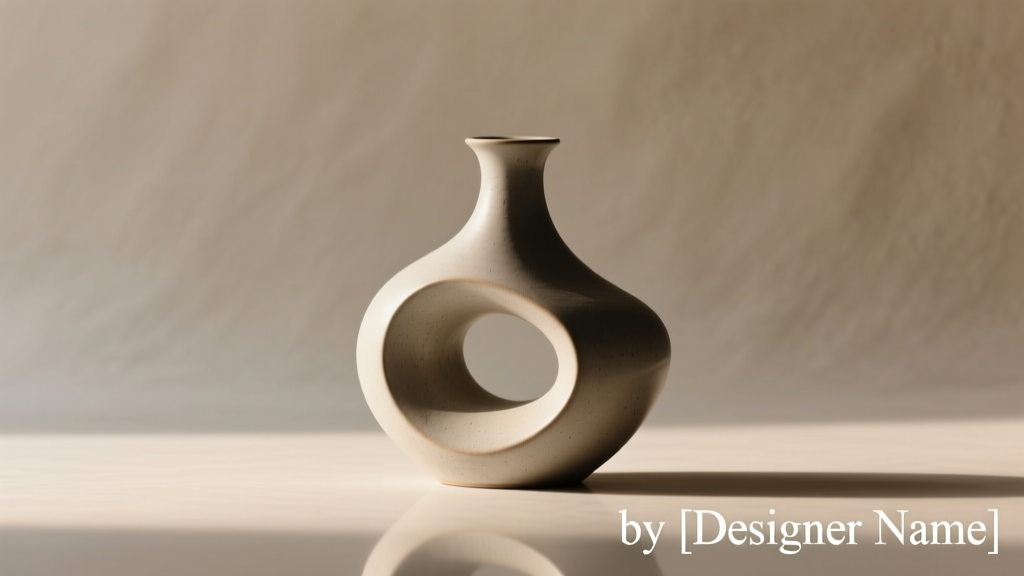
Types of Jade Stone Furniture
Jade stone furniture represents the pinnacle of luxury craftsmanship, blending natural beauty, cultural heritage, and exceptional durability. Crafted from genuine jade—a semi-precious stone revered in many Eastern cultures for its elegance and symbolic meaning—this furniture is not only functional but also a work of art. Known for its cool touch, rich green hues (though jade can also appear in white, lavender, and black), and remarkable strength, jade stone furniture is often custom-made and highly collectible. Below is a detailed overview of the most common types of jade stone furniture and their unique characteristics.
Tables
Jade stone tables serve as stunning centerpieces in living rooms, lobbies, or meditation spaces. These tables feature thick, polished jade slabs as tabletops, often supported by wooden, metal, or sculpted stone bases. Available in round, rectangular, or freeform organic shapes, they offer both utility and artistic appeal.
Advantages
- Exceptional aesthetic appeal and visual impact
- Durable and scratch-resistant surface
- Unique natural veining and color variations
- Excellent heat and moisture resistance
Limitations
- Extremely heavy and difficult to move
- Premium cost due to material and craftsmanship
- Requires professional installation
Best for: Luxury interiors, statement pieces, high-end hospitality spaces
Benches
Jade benches, often found in gardens, spas, or foyers, combine functionality with serene beauty. These solid stone benches are typically carved from a single block or assembled from jade slabs, offering a smooth, cool seating surface that is both durable and visually calming.
Advantages
- Long-lasting and weather-resistant (for outdoor use)
- Creates a tranquil, meditative atmosphere
- Minimal maintenance required
- Timeless design that ages gracefully
Limitations
- Hard surface may be uncomfortable for prolonged sitting
- Vulnerable to chipping if impacted
- Limited design flexibility due to weight
Best for: Zen gardens, wellness centers, luxury entryways, outdoor decor
Desks
Jade-topped desks are rare and prestigious, often custom-crafted for executive offices or collectors. The jade surface provides a cool, smooth writing area, while the base is typically made of fine hardwood or metal. These desks symbolize power, wisdom, and refinement.
Advantages
- Unparalleled elegance and status symbol
- Resistant to stains and daily wear
- Enhances focus and tranquility in workspace
- Highly unique and conversation-starting
Limitations
- Extremely high cost and limited availability
- Requires reinforced flooring due to weight
- Not ideal for high-activity office environments
Best for: Executive suites, private studies, luxury home offices
Console Tables
Jade console tables are narrow, wall-mounted or freestanding pieces designed for entryways or living rooms. Featuring a jade slab top and ornate supports, they are perfect for displaying art, vases, or family heirlooms while making a bold design statement.
Advantages
- Maximizes space while adding luxury
- Ideal for showcasing decorative items
- Enhances feng shui in home entryways
- Available with integrated lighting or glass accents
Limitations
- Heavy and requires secure wall mounting
- Limited storage capacity
- Susceptible to surface scratches if not sealed properly
Best for: Foyers, hallways, luxury apartments, feng shui-enhanced interiors
Coffee Tables
Jade coffee tables are centerpiece furniture in upscale living rooms. With polished jade tops and artistic bases, they offer a cool, elegant surface for books, drinks, or décor. Often hand-carved with symbolic motifs like dragons or lotus flowers, they reflect cultural artistry.
Advantages
- Instantly elevates room aesthetics
- Heat and spill resistant
- Each piece is one-of-a-kind
- Complements both modern and traditional decor
Limitations
- Very heavy and hard to relocate
- Requires felt pads to protect flooring
- Premium pricing due to craftsmanship
Best for: Living rooms, penthouse lounges, art galleries, luxury villas
Cabinets
Jade-inlaid or jade-topped cabinets combine storage functionality with artistic luxury. These pieces often feature jade panels on doors, countertops, or trim, paired with fine wood or lacquered finishes. Used for displaying valuables or serving tea, they are both practical and ceremonial.
Advantages
- Combines utility with high-end design
- Excellent for displaying collections or artifacts
- High resale and collectible value
- Can be customized with carvings or inscriptions
Limitations
- Expensive and time-consuming to produce
- Jade elements may require special cleaning
- Bulkier than standard cabinets
Best for: Tea rooms, museums, luxury kitchens, private collections
Shelves
Jade shelves—whether floating or supported—are designed to display fine art, jade carvings, or porcelain. Made from solid jade slabs or jade-faced wood, these shelves provide a refined backdrop that enhances the beauty of displayed items.
Advantages
- Perfect for highlighting valuable collectibles
- Strong and stable for heavy objects
- Adds a touch of opulence to any room
- Can be backlit for dramatic effect
Limitations
- High installation and material cost
- Requires strong wall support
- Limited adjustability once installed
Best for: Art displays, luxury retail, meditation rooms, collector’s spaces
| Furniture Type | Primary Use | Aesthetic Value | Durability | Ideal Setting |
|---|---|---|---|---|
| Tables | Decorative & Functional | Exceptional | Very High | Living rooms, lobbies, galleries |
| Benches | Seating & Ambiance | High | High | Gardens, spas, entryways |
| Desks | Work & Study | Prestigious | Very High | Executive offices, studies |
| Console Tables | Display & Entryway | High | High | Hallways, foyers, apartments |
| Coffee Tables | Living Room Centerpiece | Exceptional | Very High | Living rooms, lounges |
| Cabinets | Storage & Display | Prestigious | High | Kitchens, tea rooms, museums |
| Shelves | Art & Object Display | High | Very High | Art spaces, collections, retail |
Expert Tip: To preserve the luster and integrity of jade stone furniture, clean with a soft, damp cloth and mild pH-neutral soap. Avoid harsh chemicals or abrasive pads. For outdoor pieces, apply a stone sealer annually to protect against weathering and staining.
Features and Functions of Jade Stone Furniture
Jade stone furniture represents the pinnacle of natural elegance and functional craftsmanship in luxury interior design. Sourced from one of nature’s most revered stones, jade furniture blends ancient aesthetic traditions with modern durability and practicality. More than just decorative pieces, these furnishings serve as long-term investments that elevate both residential and commercial spaces with timeless beauty and resilience.
Key Features and Their Practical Functions
Beauty and Aesthetics
Jade stone is celebrated for its mesmerizing visual appeal, characterized by rich translucency and a smooth, lustrous finish. Available in a spectrum of natural hues—including deep emerald green, soft celadon, silvery grey, and creamy white—each piece is unique due to the organic veining and mineral variations within the stone.
This inherent beauty makes jade stone furniture a natural focal point in any room. Whether used as a statement coffee table, dining set, or accent console, it enhances the ambiance with a sense of calm, refinement, and opulence. Its presence complements minimalist, traditional, and contemporary interiors alike, adding depth and sophistication without overwhelming the space.
Durability and Strength
Jade is one of the toughest natural stones, second only to diamond in toughness (resistance to breaking and chipping). Its dense crystalline structure makes it highly resistant to scratches, impacts, and daily wear—ideal for homes with children, pets, or high foot traffic.
Unlike softer materials such as marble or wood, jade stone furniture maintains its integrity over decades when properly cared for. This exceptional durability ensures that jade pieces remain structurally sound and visually pristine, even under frequent use, making them perfect for both functional and decorative applications.
Customization Options
One of the most appealing aspects of jade stone furniture is its adaptability to personal taste and spatial requirements. Skilled artisans can shape jade into custom sizes, forms, and finishes—ranging from polished high-gloss surfaces to matte or honed textures.
Customers can select specific colors, edge profiles, inlays, and base materials (such as metal, wood, or acrylic) to create a truly bespoke piece. This level of customization allows jade furniture to seamlessly integrate into diverse interior themes, from Zen-inspired wellness rooms to modern luxury penthouses.
Functional Surfaces
Jade stone tabletops—found in coffee tables, dining tables, desks, and consoles—offer large, stable, and smooth surfaces ideal for everyday activities. These include dining, working, gaming, or displaying art and décor items.
The non-porous nature of properly sealed jade prevents liquids and stains from penetrating, while the cool surface temperature provides a refreshing tactile experience. Its stability also makes it suitable for use with electronics, writing materials, and serving trays, combining utility with elegance.
Heat Resistance
Jade stone has excellent thermal properties, making it highly resistant to heat. Hot dishes, mugs, or cookware can be placed directly on jade surfaces without risk of cracking, scorching, or discoloration—a significant advantage over laminates, wood, or engineered stone.
While jade can withstand high temperatures, it is still advisable to use trivets or coasters to prevent potential surface scratches or thermal shock from extreme temperature changes. This feature makes jade dining and side tables particularly practical in kitchens and dining areas.
Easy to Clean and Maintain
Maintaining jade stone furniture is remarkably simple. Thanks to its smooth, non-porous surface, spills and dust can be wiped away with a damp cloth and mild soap. No harsh chemicals or specialized cleaners are required under normal conditions.
Periodic sealing (every 1–2 years) helps preserve the stone’s luster and stain resistance. With minimal upkeep, jade furniture retains its radiant appearance for generations, making it an ideal choice for busy households seeking both luxury and low maintenance.
Value and Long-Term Investment
Acquiring jade stone furniture is more than a decor decision—it's a strategic investment. Genuine jade, especially imperial green nephrite or jadeite, appreciates in value over time due to its rarity, cultural significance, and enduring demand in global markets.
Unlike mass-produced furniture that depreciates, well-maintained jade pieces can become heirloom items, passed down through generations. Their timeless design and material integrity ensure they never go out of style, offering both emotional and financial returns on investment.
Eco-Friendly and Sustainable
Jade stone is a naturally occurring material that requires minimal processing compared to synthetic alternatives. When sourced responsibly, it represents a sustainable choice for environmentally conscious consumers.
Its longevity reduces the need for replacement, minimizing waste and resource consumption. Additionally, many jade artisans employ traditional handcrafting techniques that support local economies and preserve cultural heritage, further enhancing the ethical appeal of jade furniture.
| Feature | Functional Benefit | Best Suited For |
|---|---|---|
| Visual Appeal | Enhances room ambiance and serves as a centerpiece | Living rooms, lobbies, meditation spaces |
| Scratch & Impact Resistance | Withstands daily wear in high-traffic areas | Families, commercial spaces, entryways |
| Heat Tolerance | Safe for hot items without damage | Dining rooms, kitchens, entertainment areas |
| Low Maintenance | Easy cleaning with minimal effort | Bathrooms, offices, rental properties |
| Customizability | Fits unique spatial and stylistic needs | Modern homes, luxury interiors, bespoke projects |
Why Jade Stone Furniture Stands Out
Important: While jade stone is extremely durable, avoid using abrasive cleaners, acidic substances (like vinegar or lemon juice), or heavy impacts that could damage the sealant or surface. Always use felt pads under decorative objects and lift—not slide—items across the surface. Purchase from reputable suppliers who provide authenticity certification, especially for high-value pieces.
Scenarios of Jade Stone Furniture: Elegance Meets Functionality
Jade stone furniture—crafted from natural jade or high-quality jade composite materials—offers a rare combination of timeless beauty, durability, and cultural significance. Revered for its smooth texture, rich color variations, and symbolic value in many Eastern traditions, jade stone furniture elevates any interior space. From private homes to luxury commercial environments, its use spans a variety of settings where sophistication and artistry are paramount.
Residential Spaces
In private homes, jade stone furniture serves as both a functional element and a statement of refined taste. Its cool, polished surface and natural luster create a serene and opulent atmosphere, ideal for modern or traditional interiors.
- A hand-carved jade coffee table can become the centerpiece of a living room, drawing admiration with its intricate patterns and vibrant green or white hues.
- Dining sets featuring jade tabletops paired with wooden or metal frames add a touch of regal elegance to family meals and dinner parties.
- Bedroom accent pieces, such as jade nightstands or vanity tables, contribute to a tranquil, spa-like ambiance.
Design tip: Pair jade furniture with neutral tones and soft lighting to enhance its natural glow and prevent visual clutter.
Hotels and Resorts
Luxury hospitality venues use jade stone furniture to distinguish themselves and provide guests with an immersive, high-end experience. It reflects exclusivity and attention to detail, often associated with wellness, balance, and prosperity.
- Premium suites may feature jade-top consoles, entryway tables, or seating areas that convey a sense of calm and luxury.
- Spa lounges and meditation areas incorporate jade elements to align with holistic wellness themes.
- Grand lobbies use large-scale jade installations to create a memorable first impression.
Pro insight: Jade’s association with tranquility makes it ideal for wellness-focused resorts and boutique hotels emphasizing cultural authenticity.
Restaurants & Fine Dining Establishments
Particularly in Asian-themed or upscale restaurants, jade stone furniture enhances the dining ambiance by reinforcing cultural aesthetics and refined elegance.
- Jade-topped dining tables or sushi bars serve as both functional surfaces and artistic displays.
- Private dining rooms adorned with jade furnishings offer VIP guests a luxurious and intimate setting.
- The stone’s durability and easy maintenance make it suitable for high-traffic areas when properly sealed.
Cultural note: In Chinese tradition, jade symbolizes purity and moral integrity—values that resonate in high-end dining experiences.
Event Spaces & Special Occasions
For weddings, galas, and corporate events, jade stone furniture adds a layer of grandeur and sophistication that elevates the overall decor.
- Wedding reception halls may feature jade-accented stage platforms, gift tables, or guest seating with jade inlays.
- Gala dinner setups use carved jade sideboards and display tables to showcase awards or floral arrangements.
- Branding stations or VIP lounges at corporate events benefit from the prestige associated with jade elements.
Event planner tip: Use lighting to highlight the translucency and depth of jade surfaces for dramatic visual impact.
Design Showrooms & Galleries
Design showrooms and art galleries use jade stone furniture to demonstrate craftsmanship, material innovation, and design excellence to architects, interior designers, and collectors.
- Display pieces often showcase the full spectrum of jade colors—from emerald green to lavender and white—and varying finishes (polished, matte, or textured).
- Interactive exhibits allow visitors to appreciate the weight, temperature, and tactile quality of authentic jade furniture.
- Showrooms may pair jade pieces with complementary materials like rosewood, brass, or silk upholstery to illustrate design versatility.
Buyer insight: High-end buyers often seek jade furniture for its uniqueness, longevity, and potential as an heirloom or investment piece.
Wellness & Cultural Centers
Spas, meditation centers, and cultural institutions incorporate jade furniture to align with themes of harmony, healing, and heritage.
- Jade massage tables or meditation benches are prized in holistic wellness practices for their grounding energy and cooling effect.
- Cultural museums or heritage centers use replica jade furnishings to educate visitors about historical design and craftsmanship.
- Yoga studios and feng shui-inspired spaces integrate jade elements to promote balance and positive energy flow.
Wellness angle: Many believe jade has natural healing properties, making it a symbolic and aesthetic choice in therapeutic environments.
Professional Recommendation: When incorporating jade stone furniture, consider both its aesthetic impact and practical maintenance. Natural jade requires sealing and protection from direct sunlight and harsh chemicals. For high-traffic areas, engineered jade composites offer similar visual appeal with greater durability. Always consult with skilled artisans or designers to ensure proper integration with existing decor and structural considerations.
| Setting | Common Furniture Pieces | Primary Benefits | Design Considerations |
|---|---|---|---|
| Residential Homes | Coffee tables, dining sets, consoles | Luxury, durability, cultural value | Pair with soft textiles; avoid overcrowding |
| Hotels & Resorts | Lobby furniture, suite accents, spa elements | Prestige, guest experience, wellness alignment | Focus on focal points; use ambient lighting |
| Restaurants | Dining tables, bar tops, display units | Aesthetic cohesion, durability, elegance | Ensure food-safe sealants; match theme |
| Event Venues | Centerpieces, VIP lounges, decorative tables | Visual impact, memorability, luxury | Temporary vs. permanent installations |
| Showrooms & Galleries | Showcase pieces, sample displays | Artistic expression, material education | Ideal lighting, spacing, and signage |
Additional Considerations for Jade Stone Furniture
- Maintenance: Regular cleaning with a soft cloth and pH-neutral cleaner preserves the stone’s luster; avoid abrasive materials.
- Authenticity: Verify the source and type of jade (nephrite vs. jadeite) to ensure quality and value.
- Sustainability: Opt for ethically sourced materials or high-quality composites to support responsible design practices.
- Feng Shui Benefits: In traditional practice, jade is believed to attract positive energy and protect against negativity.
- Customization: Many artisans offer bespoke designs, allowing integration of personal or cultural motifs into the furniture.
How to Choose Jade Stone Furniture: A Complete Buyer's Guide
Choosing jade stone furniture is more than just a decorative decision—it's an investment in timeless elegance, natural beauty, and cultural significance. Jade has been revered for centuries in many cultures, particularly in Asia, for its durability, luster, and symbolic meaning of harmony and prosperity. When selecting jade stone furniture, it’s essential to consider multiple factors to ensure you choose a piece that enhances your space, reflects your taste, and maintains its value over time.
Important Note: Genuine jade stone furniture is rare and often expensive due to the material’s density and craftsmanship requirements. Be cautious of imitations made from resin, dyed stone, or synthetic materials. Always verify authenticity with a reputable dealer or gemologist.
1. Consider the Style and Design
The style and design of jade stone furniture should harmonize with your interior décor and reflect your personal aesthetic. Whether your space leans toward minimalist modern, classical elegance, or traditional Asian-inspired design, jade can be a stunning focal point.
- Modern Interiors: Opt for sleek, geometric jade tables or minimalist benches with clean lines. These pieces often feature polished surfaces and subtle inlays, blending luxury with contemporary design.
- Traditional Spaces: Choose intricately carved jade furniture with ornate patterns, such as dragons, phoenixes, or floral motifs, which are common in Chinese and Southeast Asian artistry.
- Fusion Styles: Consider accent pieces like jade-top coffee tables, side tables, or decorative panels that complement existing wood, metal, or glass furniture without overwhelming the room.
2. Consider the Size and Proportion
Jade furniture often serves as a statement piece, so proper sizing is crucial to maintain visual balance and functional utility.
- Measure your available space carefully—include clearance for walking, opening doors, and placing adjacent furniture.
- For large rooms, consider a jade dining table or console table as a centerpiece. Ensure there's at least 2–3 feet of space around the piece for ease of movement.
- In smaller spaces, opt for compact jade accent furniture—such as a small bench, end table, or decorative cabinet—to add luxury without crowding the area.
- Pay attention to proportion: a tall jade cabinet should not overpower a low ceiling, and a wide table should not dominate a narrow hallway.
- Use painter’s tape to outline the furniture’s footprint on the floor before purchasing to visualize its impact.
3. Consider the Quality of the Jade Stone
The value and beauty of jade furniture are directly tied to the quality of the stone used. Not all "jade" is created equal—there are two main types: jadeite and nephrite, with jadeite being the more valuable and vibrant of the two.
- Jadeite vs. Nephrite: Jadeite is denser, more translucent, and available in a wider color range (especially the prized imperial green), making it the preferred choice for high-end furniture.
- Color Grading: The most sought-after jade color is a rich, even imperial green. Other desirable hues include lavender, white (mutton fat), and emerald green. Avoid pieces with uneven coloring, cloudiness, or visible fractures.
- Translucency and Luster: High-quality jade should have a smooth, glass-like luster and allow some light to pass through when held to a light source.
- Craftsmanship: Examine the polish, carving precision, and structural integrity. Seams should be tight, edges smooth, and the finish consistent. Hand-polished pieces often retain more value than machine-finished ones.
Expert Tip: Request a certificate of authenticity from the seller, especially for high-value pieces. Genuine jadeite furniture may come with documentation from gemological institutes verifying the stone’s origin and quality.
4. Consider Maintenance and Care
While jade is a durable stone (ranking 6–7 on the Mohs hardness scale), it still requires proper care to preserve its beauty and prevent damage over time.
- Cleaning: Use a soft, lint-free cloth and mild soapy water to gently wipe the surface. Avoid harsh chemicals, abrasive cleaners, or acidic substances (like vinegar) that can etch the stone.
- Sealing: Some jade furniture may benefit from a stone sealer to protect against stains, especially on porous or carved surfaces. Consult the manufacturer before applying any sealants.
- Placement: Avoid direct sunlight, which can fade the color over time. Also, keep jade furniture away from extreme temperature changes or humid environments that may cause micro-cracking.
- Handling: Due to its weight and density, jade furniture should be moved carefully. Use padded furniture sliders and avoid dragging to prevent chipping or cracking.
- Long-Term Care: Periodically inspect for scratches, loose joints, or signs of wear. Professional refinishing may be needed every few years for heavily used pieces.
| Selection Factor | Key Considerations | What to Avoid | Recommended Tools/Checks |
|---|---|---|---|
| Style & Design | Matches room theme, cultural authenticity, visual harmony | Overly ornate pieces in minimalist spaces | Interior design photos, mood boards |
| Size & Proportion | Room dimensions, traffic flow, furniture balance | Pieces that block pathways or overwhelm space | Tape measure, floor plan sketch |
| Jade Quality | Color, translucency, type (jadeite preferred), craftsmanship | Dull color, visible cracks, synthetic substitutes | UV light, magnifying glass, authenticity certificate |
| Maintenance | Easy cleaning, durability, environmental protection | High-maintenance finishes, improper placement | Soft cloths, pH-neutral cleaner, UV-protective film |
Additional Tips for Buyers
- Start with smaller jade accent pieces if you're new to this material—such as a jade tray, coaster set, or small table—to test how it fits your lifestyle and décor.
- Consider the weight of jade furniture when planning delivery and placement. Some pieces can weigh hundreds of pounds and may require professional installation.
- Ask about the origin of the jade—Myanmar (Burma) is renowned for the finest jadeite, while Canada and Russia are known for nephrite.
- Inspect the structural support: jade is often combined with wood or metal frames. Ensure these supports are sturdy and well-constructed.
- Budget accordingly—genuine jade furniture is a long-term investment. Prices can range from hundreds to tens of thousands of dollars depending on size, quality, and craftsmanship.
Choosing jade stone furniture is a journey into artistry, culture, and enduring beauty. By carefully evaluating style, size, quality, and care requirements, you can select a piece that not only elevates your interior space but also becomes a cherished heirloom for generations. Always purchase from trusted artisans or dealers, and don’t hesitate to ask detailed questions—your dream jade piece is worth the effort.
Jade Stone Furniture: Frequently Asked Questions
Q1: Does jade furniture require special maintenance?No, jade stone furniture does not require specialized or complicated maintenance routines. However, proper care is essential to preserve its natural luster, prevent staining, and maintain its long-term beauty. Here’s how to care for your jade furniture:
- Daily Cleaning: Wipe the surface regularly with a soft, lint-free cloth to remove dust and fingerprints.
- Deep Cleaning: Use a mild detergent mixed with lukewarm water and a soft cloth to gently clean the surface. Avoid abrasive cleaners, ammonia, or acidic substances that can damage the stone’s polish.
- Drying: Always dry the surface thoroughly after cleaning to prevent water spots or mineral deposits.
- Protection: Use coasters, placemats, or tablecloths to shield the jade from spills, heat, and scratches caused by heavy or sharp objects.
With consistent, gentle care, jade furniture can retain its radiant finish and elegance for decades.
Q2: Can jade furniture be customized?Yes, one of the most appealing aspects of jade stone furniture is its high degree of customizability. Whether for residential luxury or commercial display, jade pieces can be tailored to suit individual tastes and functional needs. Customization options include:
- Design Style: Choose from traditional, modern, minimalist, or ornate designs—jade can be carved into intricate patterns or left with a sleek, polished finish.
- Dimensions: Furniture can be made to fit specific spaces, such as custom-sized coffee tables, dining tables, benches, or decorative panels.
- Type of Jade: Select from different varieties including nephrite or jadeite, each offering unique textures and translucency.
- Color Preferences: While natural jade colors are preserved, you can choose based on hue availability—imperial green, lavender, white, black, or moss-in-snow patterns.
- Structural Integration: Jade can be combined with wood, metal, or glass bases for enhanced stability and aesthetic contrast.
Custom projects may vary in price depending on complexity, size, and the rarity of the jade used. Working with an experienced artisan ensures precision and authenticity in every piece.
Q3: Is jade furniture durable?Yes, jade is renowned for its exceptional durability and resilience, making it an ideal material for fine furniture. Known for its toughness in the gemstone world, jade ranks high on the Mohs hardness scale (approximately 6–7), which means it resists scratches and chipping better than many natural stones.
Key durability factors include:
- Longevity: With proper care, jade furniture can last for generations—some antique jade pieces are centuries old and still in excellent condition.
- Structural Integrity: Jade has a fibrous crystalline structure that gives it superior toughness, even under stress or impact.
- Environmental Resistance: It is stable under normal indoor conditions and not easily affected by temperature changes or humidity.
- Maintenance for Longevity: Regular cleaning with a soft cloth and mild detergent helps prevent surface wear and maintains the polished finish.
While durable, jade should still be handled with care—avoid dropping heavy objects on it or exposing it to extreme force. When properly maintained, jade furniture serves as both a functional heirloom and a work of art.
Q4: Does the color of jade furniture affect its value?Yes, the color of jade is one of the most significant factors influencing its aesthetic appeal and market value. Different hues are associated with varying levels of rarity, cultural significance, and desirability—especially in East Asian traditions where jade symbolizes purity, harmony, and prosperity.
| Color of Jade | Rarity | Value Level | Cultural Significance |
|---|---|---|---|
| Imperial Green (Jadeite) | Very Rare | ★★★★★ (Highest) | Symbols of wealth, status, and good fortune; highly sought after in China. |
| Lavender (Mauve Jade) | Moderately Rare | ★★★★☆ | Associated with tranquility and spiritual balance; elegant and collectible. |
| Blue Jade (Olmec or Amazonite-influenced) | Rare | ★★★★☆ | Valued for its calming energy and unique appearance in artisan pieces. |
| Black Jade (Nephrite or Serpentine-blend) | Uncommon | ★★★☆☆ | Represents protection and strength; often used in modern, bold designs. |
| White or "Mutton Fat" Jade | Classic & Prized | ★★★★☆ | Symbolizes purity and elegance; treasured in traditional carvings. |
While imperial green jade commands the highest prices due to its rarity and brilliance, other colors offer unique beauty and personal expression. Buyers can select jade furniture based on preference, interior design needs, or investment potential. Regardless of color, high translucency, even tone, and fine texture enhance the overall value of the piece.