Vlogging once exploded as a revolutionary way for individuals to share their lives, build audiences, and earn income. In its early days, simply turning on a camera could lead to rapid growth and lucrative brand deals. But as we move into 2025, the digital landscape has evolved dramatically. Algorithms have changed, platforms have diversified, and viewer expectations have shifted. The question now isn’t whether vlogging can go viral—it’s whether it can sustainably generate income.
The short answer: yes, vlogging remains profitable—but not in the way it used to be. Success now depends less on frequency and more on strategy, authenticity, and adaptability. The creators thriving in 2025 aren’t just filming their days; they’re building brands, leveraging multiple platforms, and engaging with niche communities. Understanding these changes is essential for anyone considering or already immersed in vlogging.
Changing Audience Expectations in 2025
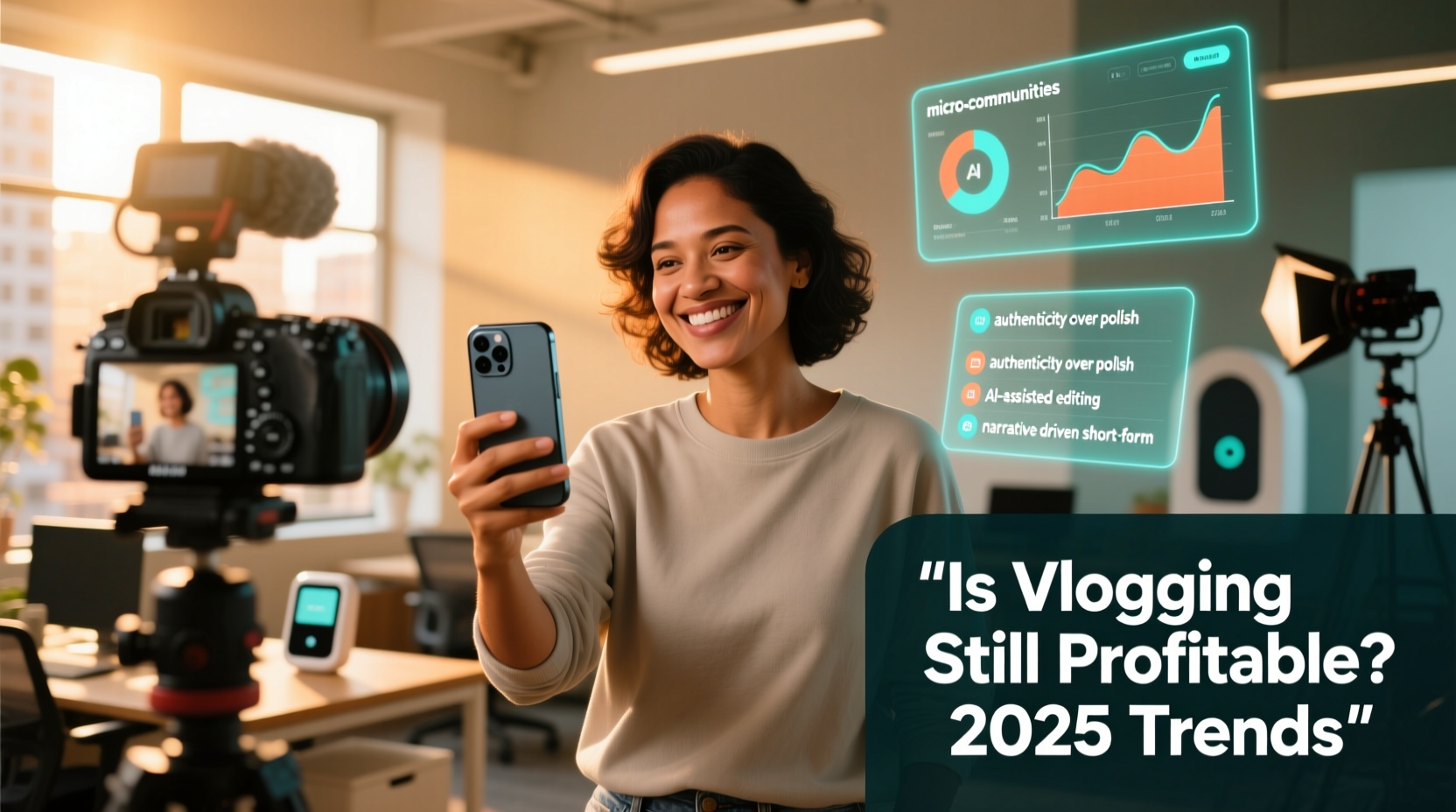
Audiences today are more discerning than ever. They’ve grown up with curated content, high production values, and instant access to information. As a result, passive vlogs—those that simply document daily life without purpose—are losing traction. Viewers want value: education, entertainment, inspiration, or emotional connection.
In 2025, attention spans remain short, but engagement is deeper when content resonates. People follow vloggers who solve problems, reflect their identities, or provide consistent emotional payoff. A travel vlogger showing random hotel check-ins won’t retain viewers unless they offer unique insights, cultural depth, or practical tips. Authenticity still matters, but it must be paired with intentionality.
Another major shift is the demand for transparency. Audiences are skeptical of overly polished content or undisclosed sponsorships. They reward honesty about struggles, failures, and behind-the-scenes realities. This has given rise to “anti-perfection” vlogging—content that embraces imperfection while maintaining professionalism.
Tip: Focus on solving a specific problem or fulfilling an emotional need in every vlog. Ask: “Why would someone choose to watch this over other videos?”Platform Fragmentation and Multi-Channel Strategies
Gone are the days when YouTube was the only viable platform for vloggers. In 2025, successful creators distribute content across multiple channels: YouTube for long-form storytelling, TikTok and Instagram Reels for viral hooks, podcasts for deeper conversations, and even newsletters for community building.
This fragmentation means vloggers must adapt their content format to each platform. A 15-minute vlog on YouTube might be repurposed into three 30-second clips for TikTok, each highlighting a different moment or insight. Cross-platform consistency in branding and messaging is critical, but so is understanding what works where.
YouTube remains the top platform for monetization through ads, memberships, and Super Chats. However, TikTok’s Creator Fund, Instagram’s bonus programs, and emerging platforms like Lemon8 and Kuaishou are offering alternative revenue streams. Creators who treat vlogging as part of a broader media ecosystem—not just a single video series—are more likely to profit.
The Rise of Niche Vlogging
General lifestyle vlogging—once dominated by beauty gurus and college students sharing dorm routines—is no longer enough to stand out. In 2025, profitability is increasingly tied to niche expertise. Examples include:
- Zero-waste living vloggers teaching sustainable habits
- Digital nomad vloggers focused on remote work tools and visa strategies
- Mental health advocates documenting therapy journeys and coping techniques
- Tiny home builders sharing DIY construction timelines
- Senior vloggers redefining aging through travel and fitness
Niche audiences may be smaller, but they’re more loyal, engaged, and willing to support creators financially. Brands also prefer niche influencers for targeted marketing campaigns, often paying premium rates for access to highly specific demographics.
“Profitability in vlogging isn’t about reach anymore—it’s about relevance. The most successful creators in 2025 aren’t the ones with the most subscribers, but the ones with the most trusted voices in their niches.” — Lena Patel, Digital Media Strategist at Content Futures Group
Monetization Beyond AdSense
Ad revenue from YouTube’s Partner Program is no longer the primary income source for most vloggers. While still valuable, ad rates fluctuate, demonetization risks persist, and RPM (revenue per mille) has plateaued for many creators. In response, vloggers are diversifying their income through creative and scalable models.
| Monetization Method | How It Works | Best For |
|---|---|---|
| Sponsorships & Brand Deals | Paid partnerships with companies for product placement or dedicated videos | Established creators with engaged audiences |
| Memberships & Subscriptions | Exclusive content via YouTube Memberships, Patreon, or Buy Me a Coffee | Creators with strong community loyalty |
| Digital Products | Selling e-books, templates, courses, or presets related to vlog content | Expertise-based niches (e.g., productivity, photography) |
| Merchandise | Branded apparel, accessories, or physical products | Personality-driven channels with recognizable branding |
| Affiliate Marketing | Earning commissions by promoting tools, gear, or services | Review-focused or tutorial-style vloggers |
One trend gaining momentum is the “creator stack”—a combination of 3–5 income streams working together. For example, a fitness vlogger might earn from YouTube ads, sell a workout planner PDF, run a $10/month Patreon with custom routines, and promote protein supplements via affiliate links. This layered approach reduces reliance on any single source and increases overall stability.
Mini Case Study: From Hobby to Full-Time Income
Jamal Carter started his vlogging journey in 2022, posting weekly updates about his transition to off-grid living in rural Tennessee. His early videos—filmed on a smartphone—gained modest traction on YouTube, but growth stalled after six months. In 2024, he pivoted: he identified his core audience (eco-conscious millennials seeking simpler lifestyles), began scripting concise, educational segments, and started cross-posting clips to TikTok with hashtags like #OffGridLife and #SustainableHomes.
Within four months, one of his TikTok videos went viral (over 2 million views), driving traffic to his YouTube channel. He launched a $7 digital guide titled “First 30 Days Off the Grid,” promoted through end screens and email sign-ups. By early 2025, Jamal was earning $4,200/month from a mix of ad revenue ($1,200), digital sales ($1,800), Patreon supporters ($900), and affiliate commissions ($300). He reinvests profits into better equipment and land expansion, proving that strategic vlogging can be both meaningful and profitable.
Essential Tools and Workflow for 2025 Vloggers
Technology has made vlogging more accessible, but also more competitive. To stay efficient and professional, modern vloggers rely on a streamlined workflow. Here’s a step-by-step guide to setting up a sustainable vlogging process:
- Plan Your Content Calendar: Decide on themes, upload frequency, and key messages for the month. Align with seasonal trends or personal milestones.
- Batch Film: Record multiple segments in one day to save time on setup and editing.
- Edit Efficiently: Use AI-powered tools like Descript or Adobe Premiere Pro’s Auto Reframe to speed up post-production.
- Optimize for SEO: Research keywords using tools like TubeBuddy or vidIQ. Include them in titles, descriptions, and tags.
- Repurpose Across Platforms: Turn one 10-minute vlog into short clips, quote graphics, podcast snippets, and blog summaries.
- Engage Weekly: Respond to top comments, feature viewer questions in videos, and conduct monthly live Q&As.
- Analyze & Adapt: Review analytics every two weeks. Track watch time, click-through rate, and conversion on calls to action.
Checklist: Launching a Profitable Vlog in 2025
- ✅ Define your niche and target audience clearly
- ✅ Choose 2–3 primary platforms to focus on
- ✅ Invest in basic audio quality (lavalier mic recommended)
- ✅ Create a content pillar framework (e.g., educational, behind-the-scenes, community spotlights)
- ✅ Set up monetization pathways early (Patreon, affiliate links, etc.)
- ✅ Design a simple but consistent visual brand (thumbnails, intro/outro)
- ✅ Commit to a realistic upload schedule (consistency > frequency)
- ✅ Build an email list or Discord community for direct audience access
Challenges and Realities of Vlogging Today
Despite its potential, vlogging is not a get-rich-quick scheme. Burnout is common, especially among creators who try to maintain daily uploads. Algorithm dependence means visibility can drop overnight due to policy changes or shifting trends. Additionally, competition is fierce: over 500 hours of video are uploaded to YouTube every minute.
To survive long-term, vloggers must treat their channel as a business. This includes tracking time investment, measuring ROI on equipment purchases, and protecting mental health. Many successful creators now work with editors, managers, or virtual assistants to scale without sacrificing well-being.
Another underdiscussed challenge is content fatigue. When you’re filming your life, personal moments become public assets. Boundaries blur, and some creators struggle with oversharing or feeling pressured to manufacture drama for views. The most sustainable vloggers in 2025 set clear limits on what they share and prioritize privacy when needed.
Frequently Asked Questions
Can I start vlogging with just a smartphone?
Yes. Most modern smartphones have high-quality cameras capable of 4K video. Pair it with a clip-on microphone and good natural lighting, and you can produce professional-looking content. Many top vloggers started exactly this way.
How long does it take to make money from vlogging?
There’s no fixed timeline. Some creators earn within 6–12 months through sponsorships or digital products, while others take 2–3 years to build sufficient traction. Monetization depends on niche, consistency, and marketing effort—not just view count.
Do I need to show my face in every vlog?
No. While face-to-camera delivery builds connection, many profitable vlogs use voiceover with b-roll footage, screen recordings, or animated visuals. The key is establishing a recognizable style and maintaining authenticity.
Conclusion: Building a Sustainable Vlogging Future
Vlogging in 2025 is not dead—it’s maturing. The era of effortless virality has passed, replaced by a more sophisticated creator economy where strategy, authenticity, and resilience determine success. Profitability is still very much possible, but it requires more than just hitting record. It demands audience insight, multi-platform thinking, and diversified income models.
If you’re considering starting a vlog, do it with purpose. Identify a genuine passion or expertise, serve a specific audience, and commit to consistent improvement. If you’re already vlogging, reassess your approach: Are you providing real value? Are you leveraging all available monetization tools? Are you adapting to how people consume content today?
🚀 Your next vlog doesn’t have to go viral to be valuable. Start small, think long-term, and build something sustainable. Share your journey, refine your craft, and remember: the most profitable vlogs aren’t just watched—they’re trusted.








