Decorative throw pillows are one of the most effective ways to refresh a living room, bedroom, or outdoor seating area. A bold pattern, rich texture, or seasonal color can instantly elevate a space. But as shoppers browse options online or in stores, a common question arises: should they purchase pre-filled pillows or buy the insert and cover separately? The answer isn't just about cost—it's about long-term value, customization, and maintenance. For budget-conscious decorators and design-savvy homeowners alike, understanding the financial and functional implications is essential.
Understanding the Two-Piece Pillow System
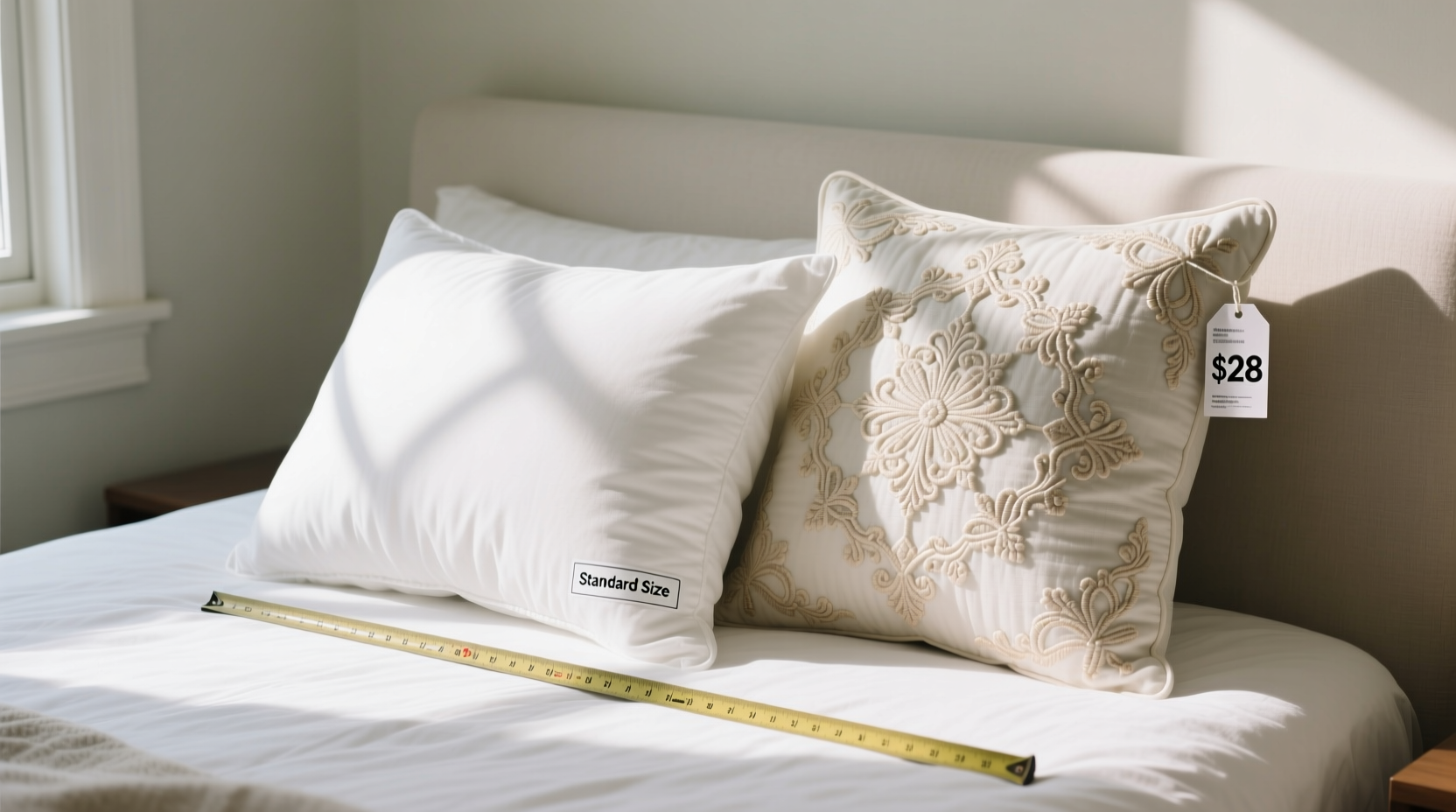
The modern home decor market increasingly separates the pillow into two components: the outer decorative cover and the inner insert (also known as a filler or cushion form). This modular approach allows for greater flexibility. Covers can be swapped with the seasons or redecorating phases, while high-quality inserts can last for years if properly cared for.
At first glance, buying a complete pillow—cover and insert already assembled—seems convenient. Many retailers offer them at seemingly attractive prices, especially during sales. However, this convenience often comes at a hidden cost: lower-quality inserts made from cheap polyester fiberfill that flatten quickly, lose shape, and develop lumps after minimal use.
Tip: Always check product descriptions for insert material—many “plush” throw pillows use low-density fiberfill that compresses within weeks.Cost Comparison: Bundled vs. Separate Purchases
To determine whether buying inserts and covers separately is cheaper, consider both upfront price and long-term value. While a filled pillow may appear less expensive initially, breaking down the costs reveals a different story.
| Purchase Type | Average Price (18” x 18”) | Insert Quality | Lifespan | Flexibility |
|---|---|---|---|---|
| Prefilled Decorative Pillow | $25–$40 | Low-density fiberfill | 6–12 months | None (fixed) |
| Decorative Cover Only | $20–$35 | N/A | 2+ years | High (changeable) |
| High-Quality Insert Only | $12–$20 | Duck feather blend or premium poly-down | 3–5 years | Reusable across covers |
| Total (Separate Purchase) | $32–$55 | Premium | Combined longevity | Maximum |
While the total cost of buying separately may occasionally exceed that of a prefilled pillow, the quality difference is significant. A $15 high-resilience insert will maintain its loft far longer than the compressed fill found in many $35 ready-made pillows. Over time, replacing flattened prefilled pillows every year becomes more expensive than investing once in durable inserts and rotating affordable covers.
Long-Term Savings and Design Flexibility
One of the greatest advantages of separating the insert from the cover is versatility. With a collection of high-quality inserts, you can own multiple covers for different occasions—floral prints for spring, cozy knits for winter, neutral linens for everyday use—without repurchasing the internal cushion each time.
This system supports sustainable decorating. Instead of discarding an entire pillow when the cover fades or goes out of style, only the fabric needs replacement. Inserts can be spot-cleaned, fluffed, and stored flat between uses.
“Smart decorators treat inserts like foundations—they’re worth investing in because they support everything else.” — Lila Nguyen, Interior Stylist & Home Editor, *Modern Living Magazine*
Real Example: Seasonal Swaps on a Budget
Sarah, a homeowner in Portland, used to replace her living room pillows twice a year to match seasonal decor. She spent about $160 annually on four prefilled pillows at $40 each. After two years, she noticed the inserts had become lumpy and misshapen, requiring full replacements.
She switched strategy: she bought four premium 18” square inserts for $18 each ($72 total) and three sets of covers—fall plaid, summer linen, and holiday velvet—at $28 each ($84 total). Now, she rotates covers seasonally and has reused the same inserts for over three years. Her annual cost dropped to under $30 (for occasional cover refreshes), saving her more than $100 per year.
Step-by-Step Guide to Smart Pillow Shopping
Follow this process to maximize savings and comfort when furnishing your home with throw pillows:
- Assess your pillow needs: Count how many pillows you want and note their sizes (e.g., 18” square, 12x20” lumbar).
- Invest in quality inserts: Choose poly-down, feather-blend, or foam-core inserts based on desired firmness and hypoallergenic needs.
- Select durable, washable covers: Prioritize fabrics like cotton canvas, linen blends, or performance synthetics that resist fading and pilling.
- Buy covers on sale: Wait for seasonal promotions (Memorial Day, Black Friday, end-of-season clearance) to stock up on additional designs.
- Store off-season covers properly: Keep them folded in breathable cotton bags with cedar blocks to deter moths and mildew.
- Maintain inserts: Fluff daily and air out quarterly. Replace only when permanently flattened.
Common Pitfalls to Avoid
- Buying oversized inserts: Overstuffed pillows strain seams and look unnatural. Aim for a 1–2 inch size difference between insert and cover.
- Ignoring zipper quality: A poorly constructed zipper ruins an otherwise beautiful cover. Look for YKK or reinforced nylon zippers.
- Skipping trial runs: Order one cover and insert first to test feel and appearance before bulk purchases.
- Washing inserts: Most inserts cannot be machine washed. Spot clean only and never tumble dry.
Frequently Asked Questions
Can I reuse old inserts with new covers?
Yes, if the insert still holds its shape and isn’t musty or stained. Reusing inserts is one of the main cost-saving benefits of the separate system. Just ensure the size matches your new cover for optimal fullness.
Are feather inserts worth the extra cost?
For a luxurious, moldable feel, yes. Feather-blend inserts (typically 95% feather, 5% down) offer excellent loft and comfort but require regular fluffing and aren’t ideal for allergy sufferers. Hypoallergenic poly-down is a close alternative at a lower price.
Where can I find affordable yet durable pillow covers?
Consider retailers like Etsy (for handmade options), thrift stores (for vintage fabrics), or online marketplaces during sales events. Brands like IKEA, Wayfair, and Amazon Basics also offer well-priced, machine-washable covers in standard sizes.
Final Thoughts and Action Plan
The short answer is yes—buying pillow inserts separately from decorative covers is typically cheaper in the long run, especially when factoring in durability, reusability, and design flexibility. While the initial investment may be slightly higher, the ability to refresh your space with new covers without replacing the internal cushion pays dividends over time.
Start small: pick one seating area and apply the two-part system. Invest in one or two quality inserts, then pair them with stylish, washable covers. As you see how much longer your pillows stay plump and how easy it is to change the look of a room, you’ll likely adopt this method throughout your home.
🚀 Ready to upgrade your pillow game? Begin by measuring your favorite pillow, then research inserts with high customer ratings for resilience. Share your before-and-after decor swap in the comments!








