In recent years, the bidet attachment has moved from being a niche luxury to a mainstream bathroom upgrade in homes across North America and Europe. Once associated primarily with high-end hotels or foreign bathrooms, bidets are now gaining recognition for their practicality, hygiene, and environmental benefits. But is a bidet attachment truly hygienic? And more importantly, is it worth installing one in every household bathroom? The answer, supported by medical professionals, environmental experts, and everyday users, leans strongly toward yes — but with important considerations.
Bidet attachments are designed to replace or supplement toilet paper by using a stream of water to clean the genital and anal areas after using the restroom. Unlike built-in bidet toilets, which can cost thousands of dollars, bidet attachments are affordable, easy to install, and compatible with most standard toilets. As awareness grows about personal hygiene, sustainability, and long-term cost efficiency, many homeowners are reevaluating their bathroom routines — and the bidet is emerging as a surprisingly impactful upgrade.
The Hygiene Advantage of Bidet Attachments
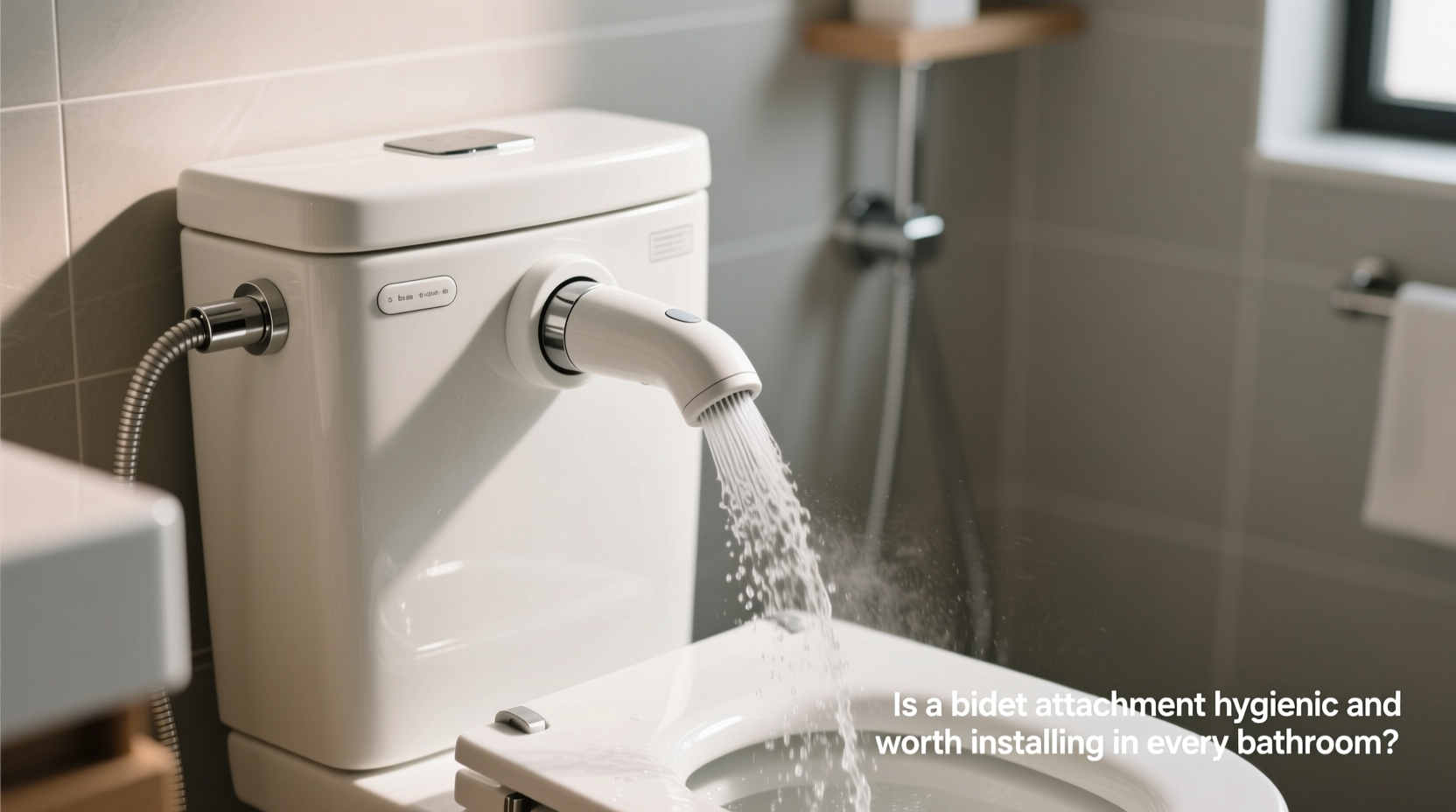
Toilet paper alone does not provide thorough cleaning. Residual waste can remain even after multiple wipes, increasing the risk of irritation, bacterial buildup, and infections such as urinary tract infections (UTIs) or hemorrhoids. A bidet attachment uses targeted water pressure to cleanse the area more effectively than dry wiping.
Water is inherently more effective at removing organic residue than paper. Dermatologists and urologists frequently recommend bidets for individuals with sensitive skin, chronic conditions like irritable bowel syndrome (IBS), or post-surgical recovery needs. Dr. Laura Chen, a board-certified gastroenterologist, explains:
“From a clinical standpoint, bidets significantly reduce perianal irritation and contamination. For patients with hemorrhoids or fissures, gentle water cleansing can be part of a healing regimen.” — Dr. Laura Chen, MD, Gastroenterology Specialist
Bidet attachments typically feature adjustable nozzles, temperature controls (on premium models), and self-cleaning mechanisms. Most modern units use antimicrobial materials and retractable nozzles that sanitize before and after each use, minimizing bacterial transfer. Independent lab tests on leading brands show minimal microbial presence post-use when maintained according to manufacturer guidelines.
Tip: Choose a bidet with a self-cleaning nozzle and antibacterial surface coating for optimal hygiene.Environmental and Economic Benefits
The average American uses approximately 141 rolls of toilet paper per year. This translates to nearly 15 million trees cut annually in the U.S. alone for toilet paper production. Manufacturing toilet paper requires vast amounts of water, energy, and chemicals — including chlorine bleaching agents that contribute to water pollution.
In contrast, a bidet attachment uses less than half a gallon of water per use — often sourced directly from your home’s existing plumbing without heating (unless equipped with a warm-water feature). Over time, switching to a bidet drastically reduces reliance on toilet paper, cutting household consumption by up to 75–90%.
Financially, the investment pays off quickly. A quality bidet attachment costs between $60 and $150. With the average family spending $100–$180 annually on toilet paper, breakeven occurs within six months to a year. After that, savings accumulate — especially in larger households.
| Factor | Toilet Paper Only | Bidet + Minimal TP |
|---|---|---|
| Average Annual Cost (Family of 4) | $160 | $30–$40 |
| Water Usage Per Use | 37 gallons (production) | 0.3–0.5 gallons (use) |
| Trees Consumed Annually (U.S.) | 15 million | Negligible |
| Plastic Waste (packaging) | High | Very Low |
This shift isn’t just economical; it reflects a growing cultural movement toward sustainable living. Cities like San Francisco and Vancouver have begun incentivizing water-efficient fixtures, including bidets, in public and residential buildings.
Real-World Adoption: A Mini Case Study
The Ramirez family of Portland, Oregon, installed bidet attachments in both their master bathroom and guest restroom in early 2022. Skeptical at first, they were motivated by their daughter’s recurring UTIs and their commitment to reducing household waste.
Within three weeks, all four family members adapted to the new system. They reduced their toilet paper usage from two large packs per month to one small roll every eight weeks. Their daughter reported fewer discomfort episodes, and their monthly utility bill showed no increase despite added water use — thanks to the bidet’s low-flow design.
“It felt strange the first time,” admits Maria Ramirez. “But after a week, we couldn’t imagine going back. It’s cleaner, gentler, and honestly, kind of luxurious.”
Their experience mirrors broader consumer trends. According to a 2023 survey by the National Bathroom Standards Association, 68% of bidet users discontinued regular toilet paper use entirely within six months, and 89% reported improved personal hygiene.
Installation and Maintenance: A Step-by-Step Guide
One common misconception is that bidets require complex plumbing or permanent renovations. In reality, most bidet attachments install in under 20 minutes using basic tools. Here’s how:
- Turn off the water supply to the toilet and drain the tank by flushing.
- Remove the existing toilet seat if necessary (some models fit underneath).
- Attach the T-valve to the toilet’s water supply line. This splits the flow between the tank and the bidet.
- Connect the bidet hose from the T-valve to the unit’s inlet.
- Mount the bidet seat or attachment securely onto the toilet bowl using provided hardware.
- Reconnect the water supply and check for leaks.
- Test the spray function and adjust nozzle position and pressure.
No electrical outlet is required for basic models. However, electronic bidets with heated seats or warm water need access to power. Always follow manufacturer instructions and consider hiring a plumber if uncomfortable with DIY plumbing.
Maintenance is minimal. Wipe down the exterior weekly with a soft cloth and mild cleaner. Run a vinegar flush through the nozzle every few months to prevent mineral buildup, especially in hard water areas. Replace filters if your model includes them (typically every 6–12 months).
Common Concerns Addressed
Despite growing acceptance, some hesitation remains. Let’s address the most frequent concerns:
- “Isn’t sharing a nozzle unhygienic?” No. Retractable nozzles extend only during use and retract afterward. Most include self-cleaning cycles using fresh water. Units are designed for single-user or household use, similar to toothbrushes.
- “Will it work for elderly or disabled users?” Yes, and often better than traditional wiping. Many find bidets easier to use due to reduced physical strain. Some models include remote controls and adaptive settings.
- “What about cold water in winter?” Basic models use ambient water temperature. For comfort, choose a unit with a built-in water heater or connect to a hot water line (requires professional installation).
- “Can it cause infections?” When used properly, no. Avoid excessive pressure or internal spraying, which can disrupt natural flora. Stick to external cleansing.
Choosing the Right Bidet: A Buyer’s Checklist
Not all bidet attachments are created equal. Use this checklist to ensure you select a safe, durable, and effective model:
- ✅ Compatible with your toilet shape (elongated or round)
- ✅ Includes adjustable water pressure and spray angle
- ✅ Features a self-cleaning nozzle
- ✅ Made with BPA-free, antimicrobial materials
- ✅ Easy-to-reach control knob or remote
- ✅ UL-listed or ETL-certified for safety (for electric models)
- ✅ Comes with a warranty of at least 1 year
- ✅ Has positive user reviews focusing on durability and hygiene
Premium features like heated seats, air drying, or deodorizers add comfort but aren’t essential for hygiene. Focus first on core functionality and build quality.
FAQ: Common Questions About Bidet Attachments
Do bidet attachments require electricity?
No, non-electric models operate solely using water pressure from your plumbing. Electric models offer heated water and seats but need a nearby outlet.
Can children use a bidet safely?
Yes. Many parents report that bidets help teach proper hygiene to kids. Supervise young children initially and set the pressure to low. Teach them not to misuse the controls.
Will a bidet damage my septic system?
No. The additional water volume is minimal and well within the capacity of properly maintained septic systems. In fact, improved cleanliness may reduce waste buildup.
Conclusion: A Smart Upgrade for Modern Bathrooms
The evidence is clear: bidet attachments are hygienic, cost-effective, and environmentally responsible. They offer superior cleaning compared to toilet paper, reduce physical strain, and support long-term health — especially for those with sensitive conditions. Installation is simple, maintenance is low, and the return on investment is rapid.
Given these advantages, installing a bidet attachment in every bathroom is not just worth considering — it’s a logical step toward healthier, more sustainable living. Whether you’re renovating, building new, or simply looking to improve daily habits, the bidet represents a quiet revolution in personal care.
💬 Ready to make the switch? Start by researching top-rated bidet attachments and share your experience with others. Small changes can lead to big improvements in hygiene, comfort, and planetary health.