Types of Interior Decoration Items
Interior decoration items are essential for transforming a living space into a personalized, inviting, and functional environment. These elements not only enhance visual appeal but also reflect individual style, improve comfort, and contribute to the overall ambiance of a room. Thoughtfully chosen decor can define spaces, influence mood, and even increase a home’s perceived value.
Wall Art
Wall art serves as a focal point and personal statement in any room. From canvas paintings and photographic prints to mirrors and handcrafted macramé, this category offers endless possibilities for customization. Framed artwork adds elegance, while wall stickers provide a temporary, budget-friendly option for renters or frequently changing styles.
Advantages
- Adds personality and character to walls
- Customizable to match color schemes and themes
- Can create illusions of space (e.g., mirrors)
- Available in various price ranges and styles
Considerations
- Improper hanging can damage walls
- Large pieces may overwhelm small rooms
- Requires careful placement for visual balance
Best for: Living rooms, bedrooms, entryways, and gallery walls
Decorative Pillows & Cushions
More than just comfort enhancers, decorative pillows bring texture, color, and pattern into a space. Available in a wide range of fabrics—such as velvet, linen, and cotton—they can instantly refresh a sofa, bed, or chair. Seasonal swaps allow for dynamic changes in room aesthetics throughout the year.
Advantages
- Instantly update room style with minimal effort
- Enhance comfort and coziness
- Great for mixing textures and patterns
- Affordable way to experiment with color
Considerations
- May require regular cleaning
- Cheap fillings can flatten quickly
- Too many pillows can clutter a space
Best for: Sofas, sectionals, beds, reading nooks, and window seats
Indoor Plants & Planters
Bringing nature indoors, plants improve air quality, reduce stress, and add vibrant life to interiors. Real plants like pothos, snake plants, and peace lilies are low-maintenance and effective air purifiers. Artificial plants offer a maintenance-free alternative. Pairing them with stylish wholesale planters allows for cohesive design integration across rooms.
Advantages
- Natural air purification and humidity regulation
- Boost mood and reduce stress
- Add color and organic texture
- Versatile in size and style
Considerations
- Real plants need light and watering
- Potential for pests or overwatering
- Artificial plants may look less authentic
Best for: Living rooms, kitchens, bathrooms, home offices, and sunrooms
Rugs & Carpets
Floor coverings are pivotal in defining the tone and function of a space. Area rugs anchor furniture groupings, especially in open-concept layouts, while adding warmth and sound absorption. Wholesale floor mats provide cost-effective solutions for high-traffic areas. Materials range from wool and cotton to synthetic blends, each offering different durability and comfort levels.
Advantages
- Define zones in open-plan spaces
- Add warmth and comfort underfoot
- Reduce noise and improve acoustics
- Protect flooring from wear
Considerations
- Require regular vacuuming and cleaning
- May slip without a non-slip pad
- Can trap allergens if not maintained
Best for: Living rooms, bedrooms, dining areas, and hallways
Shelves & Bookcases
Functional and decorative, shelves help organize belongings while showcasing personal treasures. Open shelving in kitchens or living areas displays dishes, books, and decor, promoting accessibility and visual interest. Floating shelves offer a minimalist look, while traditional bookcases provide substantial storage for larger collections.
Advantages
- Maximize vertical space
- Display personal items and books
- Help reduce clutter
- Can be styled to match any decor theme
Considerations
- Require regular dusting and organizing
- Poorly styled shelves can look messy
- Wall-mounted units need secure installation
Best for: Living rooms, home offices, kitchens, and bedrooms
Lighting Fixtures
Lighting is both functional and decorative, shaping the mood and perception of a space. From statement chandeliers and modern pendant lights to wall sconces and floor lamps, the right fixtures can elevate a room’s design. Layered lighting—ambient, task, and accent—creates depth and versatility for different activities and times of day.
Advantages
- Enhances ambiance and functionality
- Serves as a design centerpiece
- Improves visibility and safety
- Available in diverse styles and finishes
Considerations
- Installation may require an electrician
- Poor placement can create glare or shadows
- Bulb choice affects color temperature and mood
Best for: Dining rooms, entryways, reading areas, and accent walls
Decorative Bowls & Vases
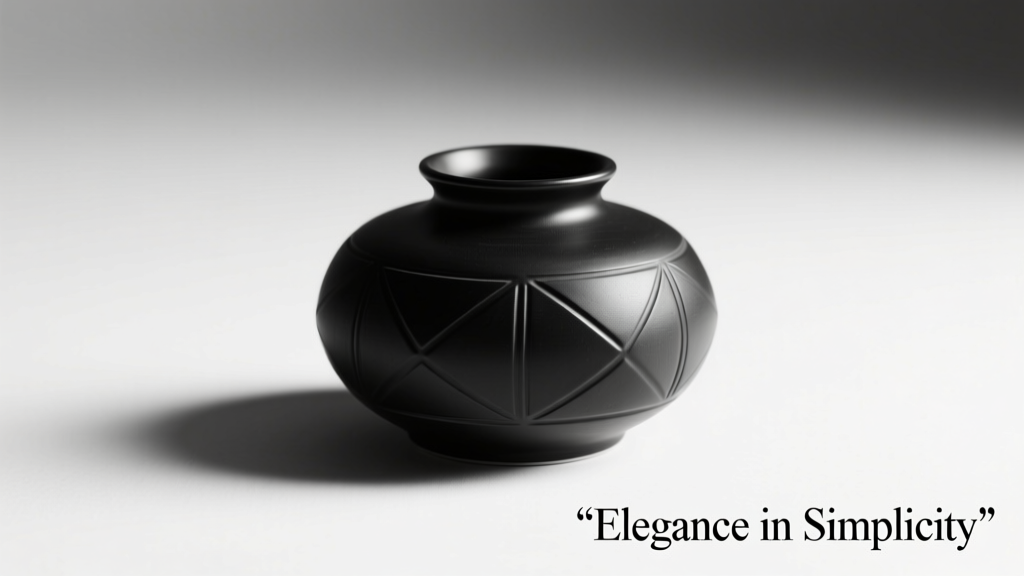
These versatile accessories serve both practical and aesthetic purposes. Decorative bowls on coffee tables or consoles can hold keys, fruits, or potpourri, adding visual interest. Wholesale vases, whether filled with fresh flowers, dried arrangements, or used as standalone sculptures, bring elegance and color to shelves, mantels, and dining tables.
Advantages
- Dual-purpose: decorative and functional
- Available in endless materials and designs
- Easy to swap for seasonal updates
- Great for filling empty surface spaces
Considerations
- Can collect dust quickly
- Fragile materials may break easily
- Overuse can lead to visual clutter
Best for: Coffee tables, entry consoles, dining tables, and bathroom vanities
| Decoration Item | Primary Function | Style Impact | Maintenance Level | Ideal Room |
|---|---|---|---|---|
| Wall Art | Visual focal point | High | Low | Living Room, Bedroom |
| Decorative Pillows | Comfort & color accent | Medium-High | Medium | Living Room, Bedroom |
| Indoor Plants | Air quality & vibrancy | High | Low-Medium | Kitchen, Office, Bathroom |
| Rugs & Carpets | Define space & comfort | High | Medium | Living Room, Hallway |
| Shelves & Bookcases | Storage & display | Medium | Medium | Home Office, Living Room |
| Lighting Fixtures | Function & ambiance | Very High | Low | Dining Room, Entryway |
| Bowls & Vases | Decoration & utility | Medium | Low | All Rooms |
Design Tip: When selecting decor, aim for a cohesive theme or color palette to create a harmonious space. Mix textures and layers for depth, but avoid overcrowding surfaces to maintain a clean, intentional look.
Designs of Interior Decoration Items: Trends Shaping Modern Spaces
The world of interior decoration has undergone a remarkable transformation over the past few decades, influenced by cultural shifts, environmental awareness, technological advancements, and evolving lifestyle preferences. Today’s design trends emphasize not only aesthetics but also functionality, sustainability, and personal expression. Below is an in-depth exploration of six dominant interior design styles that are currently shaping homes and workspaces around the globe.
1. Minimalistic Design – Less is More
Minimalism continues to be a leading force in modern interior design, championed for its clean lines, uncluttered spaces, and focus on intentionality. This design philosophy promotes simplicity by eliminating excess furniture and decor, allowing each piece to serve both a functional and aesthetic purpose.
Key characteristics include neutral color palettes (whites, grays, beiges), open floor plans, and the use of high-quality, timeless materials such as glass, steel, and natural wood. The result is a serene, calming environment that enhances mental clarity and reduces stress—ideal for urban dwellers seeking peace amidst chaos.
2. Bohemian Style – Bold, Eclectic, and Expressive
Bohemian (or "Boho") style celebrates individuality, creativity, and a free-spirited approach to living. It thrives on vibrant colors, layered textures, global influences, and vintage finds, creating spaces that feel lived-in, warm, and deeply personal.
Common elements include patterned rugs, macramé wall hangings, floor cushions, eclectic artwork, and plants. Mixing prints like paisley, tribal, and floral adds depth and visual interest. Lighting often features handmade lanterns or string lights, contributing to a cozy, inviting ambiance. This style is perfect for those who value self-expression and enjoy curating unique, storytelling interiors.
3. Scandinavian Influence – Functional Elegance
Originating from Nordic countries, Scandinavian design blends simplicity, functionality, and natural beauty. It emphasizes light-filled spaces, practical furniture, and a strong connection to nature—hallmarks of a lifestyle centered on well-being and sustainability.
Interiors typically feature light wood flooring, white or pastel walls, and soft textiles in wool or cotton. Decor items like wooden candle holders, ceramic vases, and minimalist shelving units are both beautiful and useful. The overall effect is a warm, airy space that feels comfortable year-round, especially during long winter months.
4. Industrial Accents – Raw and Rugged Charm
Industrial design draws inspiration from old factories and warehouses, embracing raw materials and exposed structural elements. This style is characterized by the use of metal, concrete, brick, and reclaimed wood, often left unfinished to highlight their natural textures.
Common features include exposed ductwork, steel beams, Edison bulb lighting, and utilitarian furniture such as metal stools or pipe shelving. While originally associated with urban lofts, industrial accents have been softened for residential use—paired with warm lighting and plush textiles to create a balanced, masculine yet inviting atmosphere.
5. Natural and Eco-friendly Design – Sustainable Living
With rising awareness of environmental issues, eco-conscious design has gained significant traction. This trend prioritizes renewable, biodegradable, and non-toxic materials such as bamboo, cork, organic cotton, and recycled glass.
Furniture and decor are chosen not only for their appearance but also for their environmental impact. Handcrafted pieces, upcycled items, and indoor plants are staples of this style, promoting a healthier indoor environment and a closer connection to nature. The aesthetic is earthy and grounded, often incorporating greenery, stone finishes, and natural dyes, making it ideal for wellness-focused homes.
6. Geometric Patterns – Modern and Dynamic
Geometric design brings structure, rhythm, and visual excitement to interiors through the use of shapes like triangles, hexagons, and chevrons. These patterns appear in wallpapers, floor tiles, textiles, mirrors, and even furniture outlines.
Whether subtle or bold, geometric elements add a contemporary edge and can be used to define spaces or create focal points. Monochromatic schemes keep the look sophisticated, while colorful interpretations inject energy and playfulness. This trend is especially popular in modern apartments, offices, and creative studios seeking a dynamic yet cohesive aesthetic.
| Design Style | Key Features | Ideal For |
|---|---|---|
| Minimalistic | Clean lines, neutral tones, clutter-free spaces | Small apartments, modern homes, stress-free environments |
| Bohemian | Vibrant colors, mixed textures, vintage pieces | Artists, creatives, free spirits |
| Scandinavian | Light woods, functional furniture, cozy textiles | Families, cold climates, wellness-focused living |
| Industrial | Metal finishes, exposed elements, raw textures | Urban lofts, man-caves, modern offices |
| Natural & Eco-Friendly | Wood, stone, plants, sustainable materials | Green homes, health-conscious individuals |
| Geometric | Shapes, symmetry, bold patterns | Modern interiors, creative spaces, accent walls |
Tip: While these styles are distinct, many modern interiors blend elements from multiple trends to create personalized spaces. For example, a minimalist room might incorporate Scandinavian furniture and a single bohemian rug for warmth. The key is balance—choose a primary style as your foundation and thoughtfully integrate complementary accents.
Choosing the Right Style for Your Space
When selecting a design direction, consider your lifestyle, climate, available space, and long-term goals. Ask yourself:
- Do you prefer calm and orderly environments? Minimalist or Scandinavian styles may suit you best.
- Do you love color and unique finds? Explore Bohemian or Geometric designs.
- Are you drawn to rugged, urban aesthetics? Industrial accents could be your go-to.
- Is sustainability important to you? Prioritize natural, eco-friendly materials and craftsmanship.
Ultimately, interior design should reflect who you are and how you live. With thoughtful planning and inspiration from current trends, you can create a space that is not only beautiful but also meaningful and functional.
How to Choose Interior Decoration Items
Selecting the right interior decoration items is more than just picking what looks appealing—it's about creating a cohesive, functional, and enduring space that reflects personal style while meeting practical needs. With a vast array of wholesale home decor items available, making informed choices ensures long-term satisfaction and design success. Whether furnishing a home, staging a property, or curating a retail space, the following key considerations will guide buyers toward high-quality, well-matched, and stylish selections.
Compatibility with Existing Decor
Harmony is essential in interior design. New decorative pieces should complement your current furnishings rather than compete with them. Begin by evaluating the existing color scheme, furniture style (e.g., modern, rustic, mid-century), and materials (wood, metal, glass) already in the space.
- Match accent colors in throw pillows, vases, or artwork to existing tones in rugs or upholstery
- Avoid clashing styles—pairing ornate baroque mirrors with minimalist Scandinavian furniture can disrupt visual flow
- Use mood boards or digital room planners to preview how new items integrate with current decor
Pro tip: Stick to a consistent design theme—such as coastal, industrial, or bohemian—to maintain a unified aesthetic.
Functionality and Purpose
Even purely decorative items should contribute to the usability and comfort of a space. The best interior pieces blend beauty with utility, enhancing both form and function.
- Decorative baskets or ottomans with storage help reduce clutter in living rooms and bedrooms
- Wall-mounted shelves serve as both display areas and space-saving organizers
- Statement lighting fixtures (like pendant lamps or floor arcs) provide ambiance and task illumination
Key insight: Multi-functional decor is especially valuable in small apartments or high-traffic areas.
Texture and Material Variety
A rich interior environment engages multiple senses. Incorporating a mix of textures and materials adds depth, warmth, and visual interest to any room.
- Combine soft fabrics (linen, velvet) with hard surfaces (ceramic, marble, brushed metal) for contrast
- Layer rugs with different weaves—jute for texture, wool for softness—to define zones in open-plan spaces
- Use glass or mirrored surfaces to reflect light and make compact rooms feel larger
Design secret: Tactile diversity invites interaction and makes a space feel lived-in and inviting.
Quality and Longevity
Investing in well-made decor pays off in durability, appearance, and cost-efficiency over time. Look for craftsmanship indicators such as solid wood frames, reinforced joints, and fade-resistant finishes.
- Prioritize items from reputable suppliers with proven quality control and sustainable sourcing
- Check for certifications like FSC (wood), OEKO-TEX (fabrics), or ISO manufacturing standards
- Higher initial cost often translates to longer lifespan and less frequent replacement
Smart strategy: Evaluate total cost per use—durable pieces may cost more upfront but save money over years of use.
Scalability and Proportion
The size of decorative items relative to the room and furniture is crucial for visual balance. Oversized pieces can overwhelm a small room, while tiny accents may get lost in large spaces.
- Follow the "rule of thirds" when placing art—large wall pieces should span about ⅔ the width of the furniture below
- In compact rooms, choose low-profile decor and floating shelves to preserve floor space
- For large walls or entryways, consider grouping smaller items (like a gallery wall) to fill space effectively
Visual tip: Use painter’s tape to outline the footprint of large decor on walls or floors before purchasing.
Current Trends vs. Timeless Appeal
While trendy decor can add a fresh, fashionable touch, over-reliance on passing fads can quickly date a space. A balanced approach combines timeless elements with temporary accents.
- Use neutral-toned furniture and large decor (rugs, curtains) as a timeless foundation
- Add trend-driven items—like colored glassware, geometric vases, or metallic accents—as affordable, replaceable accessories
- Limit bold patterns or niche styles (e.g., maximalism, Y2K revival) to small, easily swapped pieces
Expert advice: Invest in classic silhouettes for major pieces; reserve trends for 10–20% of your decor budget.
Professional Recommendation: When sourcing wholesale home decor, prioritize versatility and cohesion. Choose collections that offer mix-and-match potential across colors and materials, allowing for customization without sacrificing harmony. For commercial or rental properties, opt for neutral, durable pieces that appeal to a broad audience. For private clients, layer in personality through curated accent items like artisan ceramics, framed art, or textured throws.
| Room Type | Recommended Decor Focus | Material Suggestions | Lifespan Expectation |
|---|---|---|---|
| Living Room | Statement pieces & multi-functional decor | Wood, fabric, metal, glass | 5–10 years |
| Bedroom | Soft textures & calming elements | Linen, cotton, ceramic, woven fibers | 7–12 years |
| Kitchen/Dining | Durable, easy-to-clean accents | Stoneware, stainless steel, tempered glass | 8–15 years |
| Bathroom | Moisture-resistant & spa-like items | Bamboo, ceramic, frosted glass, sealed wood | 5–8 years |
Additional Considerations
- Lighting Interaction: Consider how decor reflects or absorbs light—glossy finishes brighten dark rooms, while matte surfaces reduce glare.
- Eco-Friendly Options: Sustainable materials like recycled glass, reclaimed wood, and organic cotton are increasingly popular and often more durable.
- Seasonal Flexibility: Choose decor that can be easily rotated—such as cushion covers or wall art—to refresh spaces without full replacements.
- Wholesale Sourcing Tips: Request samples before bulk orders to assess color accuracy, material quality, and craftsmanship.
- Brand Consistency: Stick to suppliers with a consistent design language and quality control for cohesive large-scale projects.
Scenarios for Using Interior Decoration Items
Interior decoration items are powerful tools for transforming spaces, enhancing aesthetics, and influencing mood and functionality. Whether you're designing a cozy home or a high-traffic commercial environment, the right decor can elevate the experience and convey a distinct identity. Below is a detailed exploration of six key scenarios where interior decoration plays a crucial role in shaping environments.
1. Residential Interiors
Creating Personalized Living Spaces
In homes, interior decor serves as a reflection of personal taste, lifestyle, and comfort. Thoughtfully selected decoration pieces help unify the design language across rooms while allowing each space to serve its unique purpose. For example:
- Living Rooms: Framed artwork, accent rugs, and decorative throw pillows add warmth and personality, making the space inviting for family and guests.
- Bedrooms: Soft lighting, wall hangings, and indoor plants contribute to a calming atmosphere that promotes relaxation and restful sleep.
- Home Offices: Inspirational prints, organized desk accessories, and greenery can boost productivity and reduce mental fatigue.
By maintaining a consistent color palette and design theme, homeowners can achieve a harmonious flow throughout the house, turning individual rooms into a cohesive, expressive living environment.
2. Commercial Spaces
Enhancing Professionalism and Brand Identity
In office environments and retail stores, interior decoration goes beyond aesthetics—it directly impacts employee morale, customer perception, and brand messaging. Strategic decor choices can:
- Communicate company values through modern or traditional design elements
- Guide customer flow using signage, lighting, and display arrangements
- Improve workplace well-being with biophilic design (e.g., indoor plants, natural materials)
- Showcase brand colors and logos through wall graphics, furniture, and promotional displays
For example, a tech startup might use vibrant murals and modular furniture to convey innovation, while a law firm may opt for classic artwork and rich wood finishes to project trust and professionalism.
3. Event Decoration
Setting the Mood for Special Occasions
Decoration is central to event planning, helping to create immersive experiences that align with the occasion’s theme and tone. Whether it’s a romantic wedding, a lively birthday party, or a formal corporate gala, decor items set the emotional tone:
- Weddings: Floral centerpieces, draped fabrics, and candle arrangements create elegance and intimacy.
- Corporate Events: Branded backdrops, digital signage, and themed table settings reinforce messaging and engage attendees.
- Seasonal Parties: Banners, balloons, and themed ornaments instantly convey celebration and festivity.
Temporary yet impactful, event decor transforms ordinary venues into memorable spaces that leave lasting impressions on guests.
4. Hospitality Industry
Elevating Guest Experience and Brand Loyalty
Hotels, restaurants, and cafes rely heavily on interior decoration to craft unique atmospheres that enhance guest satisfaction and encourage repeat visits. Thoughtful design elements can:
- Create a signature ambiance—such as rustic charm in a countryside inn or sleek minimalism in a boutique hotel
- Use custom lighting fixtures and artwork to highlight architectural features and brand identity
- Incorporate local culture through handcrafted decor, regional artwork, or indigenous materials
- Improve comfort with well-placed mirrors, soft textiles, and acoustic panels that reduce noise
A well-decorated space doesn’t just look good—it feels good, making guests more likely to stay longer, spend more, and recommend the venue to others.
5. Staging and Flipping Houses
Maximizing Appeal to Accelerate Sales
In real estate, staging is a proven strategy to make properties more attractive to potential buyers. Decor items are used strategically to:
- Highlight architectural features like large windows or high ceilings with mirrors and vertical artwork
- Create a sense of lifestyle by arranging furniture and decor to suggest everyday use (e.g., a book on a nightstand, fresh flowers in the kitchen)
- Neutralize personal touches to help buyers envision themselves in the space
- Open up rooms with light-colored curtains, strategically placed rugs, and minimal clutter
According to industry studies, staged homes often sell faster and at higher prices than vacant ones, making decor a smart investment for real estate professionals.
6. Outdoor Areas
Extending Living Spaces Beyond the Walls
Exterior spaces like patios, balconies, and gardens benefit greatly from decorative elements that blend function with style. Outdoor decor transforms underutilized areas into livable extensions of the home:
- Patio Furniture: Weather-resistant seating and dining sets encourage outdoor entertaining and relaxation.
- Cushions and Umbrellas: Add comfort and color while providing shade and protection.
- Planters and Greenery: Bring life and texture to decks and walkways, improving air quality and visual appeal.
- Lighting: String lights, lanterns, and solar-powered path lights extend usability into the evening.
With the growing trend of outdoor living, investing in quality outdoor decor not only enhances curb appeal but also increases the functional square footage of a property.
Expert Tip: When selecting decor for any scenario, consider the balance between aesthetics, functionality, and durability. Choose pieces that not only look good but also serve a purpose and withstand the demands of their environment—whether it’s high foot traffic in a retail store or sun exposure on a patio.
Final Thoughts
Interior decoration is far more than just placing objects in a room—it’s about crafting experiences, expressing identity, and optimizing space for human interaction. From homes to hotels, events to offices, the right decor choices can inspire, comfort, and influence behavior. By understanding the unique needs of each environment, you can use decoration strategically to create spaces that are not only beautiful but meaningful and effective.
Frequently Asked Questions About Interior Decoration Items
Q1: What Are Interior Decoration Items?Interior decoration items are carefully selected accessories and design elements used to enhance the aesthetic appeal, comfort, and functionality of indoor spaces. These items go beyond basic furnishings to include decorative and expressive components that reflect personal style and elevate the ambiance of a room.
Common examples include:
- Artwork: Paintings, prints, sculptures, and wall hangings that add visual interest and personality.
- Furniture: Stylish pieces such as accent chairs, coffee tables, shelving units, and statement sofas that combine form and function.
- Lighting Fixtures: Lamps, chandeliers, sconces, and LED accents that provide illumination while serving as design focal points.
- Textiles: Rugs, curtains, throw pillows, and blankets that introduce color, texture, and warmth.
- Decorative Accessories: Vases, candles, mirrors, clocks, and decorative trays that complete the look of a space.
When thoughtfully curated, these elements work together to create cohesive, inviting environments that reflect individual tastes and lifestyle needs.
Q2: What Are Some Popular Trends in Interior Decoration?The world of interior design is constantly evolving, with new trends emerging each year based on cultural shifts, sustainability concerns, and technological advancements. As of now, several key themes dominate modern home decor:
- Minimalism: Characterized by clean lines, neutral color palettes, and clutter-free spaces, this trend emphasizes simplicity and intentionality in design.
- Natural Materials: Wood, stone, rattan, linen, and clay are highly sought after for their organic textures and earthy appeal, promoting a calming, grounded atmosphere.
- Geometric Patterns: Bold shapes in tiles, wallpapers, rugs, and furniture add dynamic visual energy and modern flair to interiors.
- Indoor Plants and Biophilic Design: Incorporating greenery into homes not only enhances beauty but also supports mental well-being and air quality. This trend continues to grow in popularity across urban and suburban living spaces.
- Warm Accents: Earth tones, terracotta, warm woods, and soft lighting are used to create cozy, welcoming environments that balance sleek modern aesthetics.
These trends reflect a growing desire for sustainable, healthy, and emotionally resonant living spaces that feel both stylish and lived-in.
Q3: How Should One Choose Interior Decoration Items?Selecting the right decoration items involves more than just following trends—it requires thoughtful consideration of your personal taste, spatial constraints, and practical needs. Here’s a step-by-step guide to making informed choices:
- Assess Your Style: Determine whether your preference leans toward modern, rustic, bohemian, industrial, or eclectic design. Creating a mood board can help visualize your ideal space.
- Evaluate Space Dimensions: Measure your room and consider layout flow. Avoid overcrowding small areas with oversized pieces; instead, opt for multi-functional or scale-appropriate decor.
- Define Functionality: Ask whether an item serves a purpose—like storage, lighting, or seating—or purely decorative value. Prioritize function in high-use areas like living rooms and kitchens.
- Ensure Cohesion: Match new items with existing furniture and color schemes. Use a consistent theme or color palette to maintain visual harmony throughout the space.
- Prioritize Quality: Invest in well-made, durable pieces—especially for high-impact items—rather than cheap, short-lived alternatives. Quality ensures longevity and reduces the need for frequent replacements.
Taking time to plan your selections will result in a more satisfying, timeless interior that evolves gracefully over time.
Q4: Are Trendy Interior Decoration Items Suitable for Long-Term Use?While trendy decor can be exciting and fashionable, it's important to balance trend-driven purchases with timeless design principles to avoid a space that quickly feels outdated.
Here’s how to make smart, lasting choices:
- Mix Trends with Classics: Pair trendy accent pieces—like a bold-colored vase or geometric mirror—with classic staples such as neutral sofas, wooden tables, or simple shelving units.
- Use Trends in Accessories: Apply fleeting styles through easily replaceable items like throw pillows, artwork, or rugs, allowing you to refresh your look without major investment.
- Choose Quality Materials: Even trendy items should be made from durable materials like solid wood, metal, or high-grade ceramics to ensure they last beyond the trend cycle.
- Watch for Timeless Trends: Some "trends," like natural materials or indoor plants, have enduring appeal and can be considered long-term investments rather than passing fads.
By thoughtfully integrating trendy elements into a stable, classic foundation, you can enjoy current styles while maintaining a sophisticated, enduring interior.
Q5: What Role Do Indoor Plants Play in Interior Decoration?Indoor plants are far more than just decorative accents—they are functional, transformative elements that enhance both the visual appeal and environmental quality of interior spaces.
Key benefits include:
- Improved Air Quality: Many houseplants, such as snake plants, pothos, and peace lilies, naturally filter airborne toxins and increase oxygen levels, contributing to a healthier indoor environment.
- Enhanced Aesthetics: Plants add vibrant color, organic texture, and vertical interest to rooms, breaking up hard lines and softening modern interiors.
- Emotional Well-Being: Studies show that indoor greenery reduces stress, boosts mood, and improves concentration—making them ideal for homes, offices, and creative spaces.
- Design Flexibility: From small succulents on shelves to large fiddle-leaf figs in corners, plants can be adapted to fit any room size or style.
To maximize their impact, consider pairing plants with stylish wholesale planters that complement your décor. Uniform or coordinated pots create a polished, intentional look, while self-watering or easy-access containers simplify plant care and maintenance. Whether used as focal points or subtle accents, indoor plants bring life and balance to any interior design scheme.