There’s nothing worse than pulling clean clothes from the dryer only to be met with a musty, sour, or stale smell. Despite looking spotless, odor-laden garments can make you feel self-conscious and undermine the effort you’ve put into laundering. The truth is, many common washing practices don’t fully address the root causes of lingering smells—bacteria, mildew, detergent buildup, and trapped moisture. With the right techniques, however, you can consistently achieve truly fresh-smelling laundry. This guide breaks down proven strategies used by textile experts and professional cleaners to eliminate odors at their source.
The Science Behind Laundry Odors
Odors in clothing aren’t always caused by dirt. Instead, they often result from microbial activity. Sweat itself is mostly odorless, but when it mixes with bacteria naturally present on skin and fabric, it creates volatile organic compounds that produce unpleasant smells. Synthetic fabrics like polyester are particularly prone to trapping these odor-causing microbes because they repel water and don’t release sweat easily during washing.
Additionally, modern high-efficiency (HE) washing machines, while water-efficient, can contribute to odor problems if not maintained properly. Their sealed drums and low water usage sometimes leave behind biofilm—a slimy layer of bacteria and detergent residue—that transfers odors back to clothes. Understanding this biology is key to choosing effective cleaning methods.
“Most persistent laundry odors come from bacteria thriving in synthetic fibers and washing machine gaskets. It’s not about dirt—it’s about microbiology.” — Dr. Lena Patel, Textile Microbiologist, University of California
Step-by-Step Guide to Washing Clothes That Stay Fresh
To eliminate odors effectively, follow this detailed process designed to target both visible grime and invisible microbial culprits:
- Sort by Fabric and Soil Level: Separate heavily soiled workout gear, towels, and synthetics from lightly worn cotton items. Mixing them leads to incomplete cleaning.
- Pre-Treat Problem Areas: Spray armpits, collars, and seams with a mixture of equal parts white vinegar and water, or use an enzyme-based stain remover. Let sit for 15–30 minutes before washing.
- Use the Right Detergent: Choose a detergent formulated for odor removal, preferably one containing enzymes (protease, lipase) that break down sweat proteins and oils.
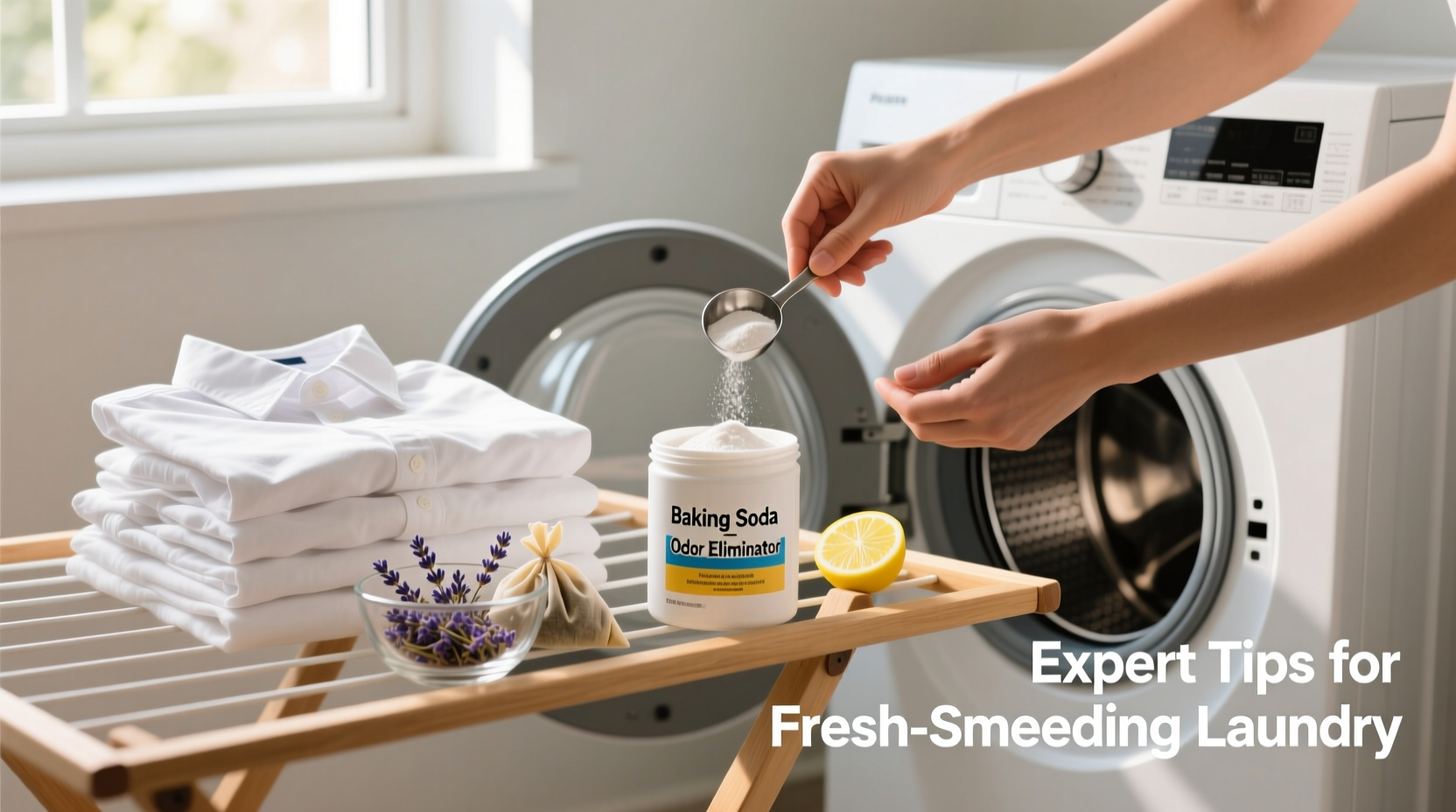
- Add an Odor Fighter: For smelly loads, add ½ cup of baking soda or ½ cup of distilled white vinegar to the drum before loading clothes. Both neutralize pH and inhibit bacterial growth.
- Select the Correct Wash Cycle: Use warm water (not hot) for cottons and whites; cold water for delicates and darks. Warm water (around 90°F–100°F) optimizes enzyme activity without damaging most fabrics.
- Run an Extra Rinse Cycle: Residual detergent can trap odors. An extra rinse ensures all soap and particles are flushed out.
- Dry Thoroughly and Promptly: Remove clothes immediately after the cycle ends. Air-dry when possible, especially for athletic wear. If using a dryer, opt for medium heat and include wool dryer balls to improve airflow.
Do’s and Don’ts of Odor-Free Laundry
| Do’s | Don’ts |
|---|---|
| Wash workout clothes immediately after use | Leave sweaty gym clothes in a bag overnight |
| Use vinegar or baking soda once a month in empty wash cycles to clean the machine | Ignore mold or slime around the rubber seal of front-loaders |
| Store clean, dry clothes in ventilated closets | Pack clothes tightly in humid spaces |
| Wash towels every 3–4 uses | Use fabric softener on towels (it reduces absorbency and traps odors) |
| Air out clothes between wears when appropriate | Overload the washing machine (reduces friction and rinsing efficiency) |
Real Example: Eliminating Persistent Gym Bag Smell
Mark, a fitness instructor, struggled with his athletic shirts smelling sour even after washing. He switched detergents multiple times with no improvement. After consulting a laundry specialist, he discovered two issues: first, he was using too much detergent, which left residue where bacteria could grow; second, he wasn’t pre-treating or using water warm enough to activate the enzymes in his detergent.
He adjusted his routine: reduced detergent by half, added ½ cup of baking soda directly to the drum, pre-soaked shirts in a vinegar-water solution for 20 minutes, and washed on warm with an extra rinse. Within one week, his shirts came out consistently fresh. He also began wiping down his front-loading washer’s door seal weekly and running monthly cleaning cycles with bleach or washing machine cleaner. The results were lasting.
Expert Tips for High-Performance and Delicate Fabrics
Sports apparel, bras, and technical outerwear require special attention due to their tight weaves and moisture-wicking coatings. Regular detergents and softeners can degrade these materials and worsen odor retention.
- Use a sport-specific detergent like HEX Performance or Win Sports Detergent, which are designed to remove organic buildup without damaging technical finishes.
- Avoid fabric softeners—they coat fibers and block moisture evaporation, creating a breeding ground for odor-causing bacteria.
- Turn garments inside out before washing to expose sweat-stained inner layers directly to water and detergent.
- Never dry synthetic performance wear on high heat, as it can melt fibers and seal in odors.
Laundry Care Checklist for Odor Prevention
Use this checklist weekly to maintain consistently fresh results:
- ☑ Shake out clothes before wearing to air them; re-wear if not visibly soiled or sweaty
- ☑ Pre-treat high-sweat areas before washing
- ☑ Use correct water temperature based on fabric type
- ☑ Measure detergent precisely—more isn’t better
- ☑ Run an empty hot water cycle with 1 cup of bleach or dedicated cleaner monthly
- ☑ Clean the lint filter and detergent drawer regularly
- ☑ Dry clothes completely within 24 hours of washing
- ☑ Store only fully dry clothes in closets or drawers
Frequently Asked Questions
Why do my clothes still smell after washing?
This usually indicates residual bacteria or detergent buildup. Try washing with less detergent, adding white vinegar to the rinse cycle, and ensuring clothes are dried completely. Also, clean your washing machine monthly to prevent cross-contamination.
Can I use essential oils to make my laundry smell good?
Essential oils can add scent, but they don’t eliminate odor-causing bacteria. Use them sparingly—add a few drops to wool dryer balls—but prioritize cleanliness over fragrance. Oils can also stain or clog machine components if overused.
Is it safe to mix vinegar and baking soda in the same wash?
While both are safe individually, combining them in the same cycle causes a chemical reaction (fizzing) that neutralizes their effectiveness. Use one or the other per load. For best results, add vinegar to the rinse cycle and baking soda during the wash phase.
Final Thoughts: Build a Freshness-First Laundry Routine
Fresh-smelling laundry isn’t just about scent—it’s about hygiene, fabric longevity, and confidence. By understanding how odors form and adjusting your habits accordingly, you can transform your laundry experience. Small changes—like measuring detergent, using targeted additives, and maintaining your machine—compound into dramatically better results. The goal isn’t perfection, but consistency: treating each load with care ensures your clothes not only look clean but truly are.
🚀 Ready to banish laundry odors for good? Start tonight: clean your washing machine, check your detergent用量, and pre-treat one smelly item using vinegar or baking soda. Share your success story or ask questions in the comments below—your journey to fresher laundry begins now.








