As daylight fades earlier and the skies remain overcast, many people feel a shift in mood, energy, and motivation. Seasonal Affective Disorder (SAD) affects an estimated 5% of U.S. adults, with symptoms often emerging in late fall and persisting through winter. While light therapy lamps are commonly recommended, there’s another accessible, affordable, and emotionally resonant tool already in many homes: Christmas lights.
These twinkling strands do more than decorate—they can influence circadian rhythms, elevate mood, and foster emotional comfort. When used intentionally, Christmas lights become more than festive decor; they serve as gentle beacons of psychological resilience during the year’s darkest stretch.
The Science Behind Light and Mood Regulation
Light plays a crucial role in regulating our internal body clock, or circadian rhythm. Exposure to bright light—especially in the morning—signals the brain to reduce melatonin production, the hormone responsible for sleep, and increase serotonin, a neurotransmitter linked to feelings of well-being and happiness.
During winter months, reduced sunlight disrupts this balance. The brain may continue producing melatonin into the daytime, leading to fatigue, low mood, and difficulty concentrating. While clinical light therapy boxes emit 10,000 lux of cool-white light to counteract this, not everyone finds them comfortable or convenient.
Christmas lights, though less intense, offer a softer alternative. Their warm glow—particularly in the yellow, orange, and red spectrum—can still stimulate photoreceptors in the eyes that communicate with the suprachiasmatic nucleus, the brain’s master clock. While they don’t replace medical treatment for SAD, they contribute to ambient brightness, helping maintain alertness and emotional equilibrium.
“Even low-intensity, consistent light exposure in living spaces can have a cumulative positive effect on mood regulation during winter.” — Dr. Lena Torres, Clinical Psychologist & Circadian Rhythm Researcher
Designing a Therapeutic Lighting Environment
The key to using Christmas lights for mental wellness lies not in haphazard decoration, but in intentional placement and routine integration. Consider your home as a therapeutic environment where light supports daily rhythms and emotional safety.
Begin by identifying areas where you spend the most time during early mornings or late afternoons—spaces like the kitchen, home office, or living room. These zones benefit most from strategic lighting. Instead of clustering all lights around the tree, distribute them across rooms to create continuity and familiarity.
Tip: Use warm white or soft yellow LED lights—they mimic sunrise and sunset tones, which are less disruptive to melatonin levels later in the evening.Avoid overly bright, multicolored, or flashing displays in relaxation areas. While fun for parties, these can overstimulate the nervous system, especially for individuals prone to anxiety. Calm, steady illumination supports parasympathetic activation—the “rest and digest” state essential for recovery and emotional regulation.
Step-by-Step Guide: Creating a Wellness-Focused Lighting Routine
- Assess your space: Walk through your home at different times of day. Note where natural light is weakest, especially between 4–7 PM when energy often dips.
- Select appropriate lights: Choose energy-efficient LEDs in warm color temperatures (2700K–3000K). Avoid blue-heavy whites, which can interfere with sleep if used too late.
- Install lights in functional zones: Drape strands along shelves, behind monitors, around mirrors, or along baseboards to provide indirect, diffused glow.
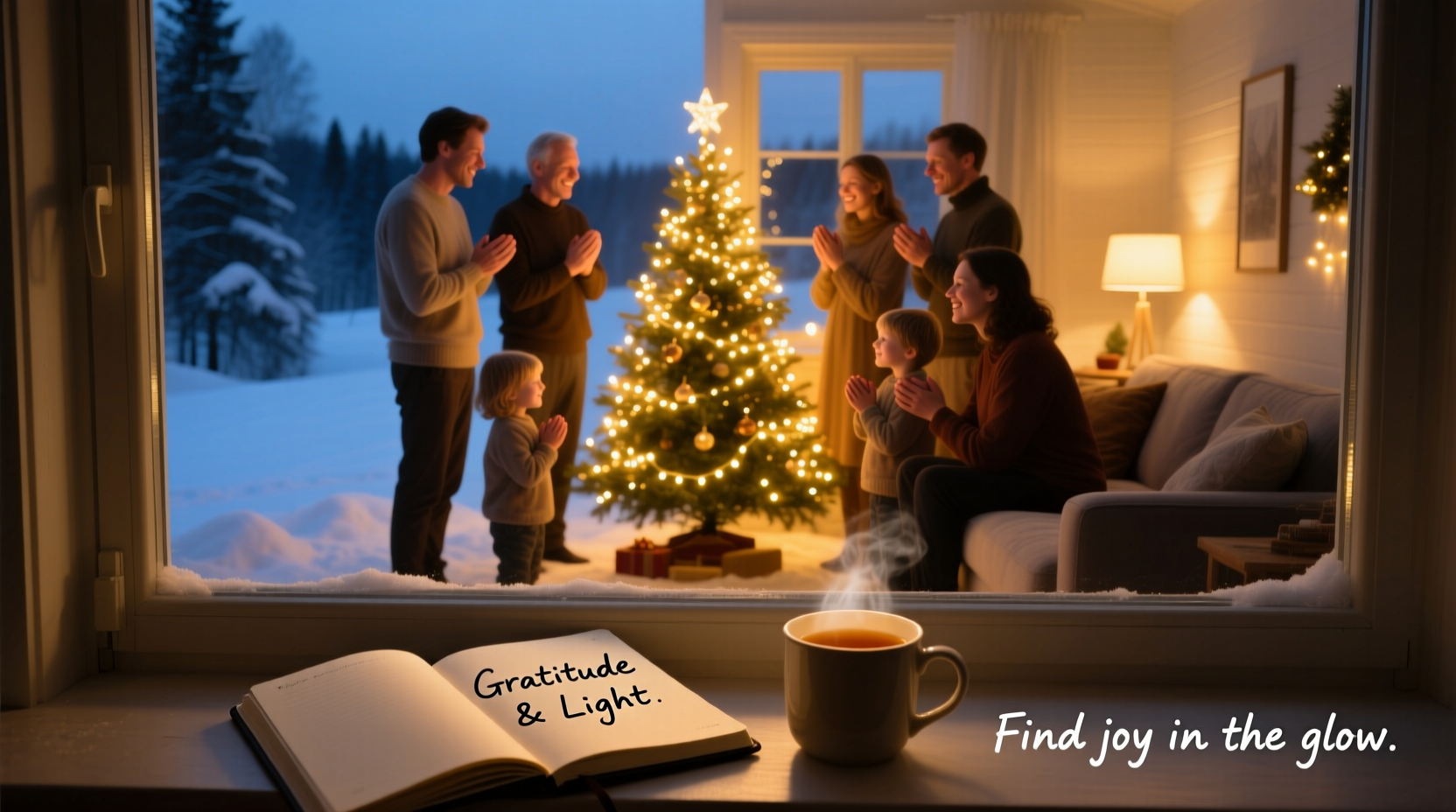
- Set a daily activation schedule: Turn lights on at dusk or during your lowest-energy hours. Pair this with a ritual��like brewing tea or journaling—to reinforce consistency.
- Use timers or smart controls: Automate lighting so it turns on before darkness fully sets in, ensuring regular exposure without relying on willpower.
- Combine with other sensory cues: Add calming scents (e.g., vanilla or cedar) or soft music to deepen the soothing effect of the lit environment.
Emotional and Psychological Benefits Beyond Biology
The impact of Christmas lights extends beyond physiological mechanisms. For many, they evoke powerful memories of childhood, family, and connection. This emotional resonance activates the brain’s reward centers, releasing dopamine—a chemical associated with pleasure and motivation.
In therapeutic settings, such nostalgic triggers are used to combat loneliness and depression. A simple string of lights can become a symbol of hope, continuity, and warmth during emotionally challenging seasons. They serve as visual anchors—reminders that joy persists even in darkness.
This symbolic power is particularly valuable for those experiencing grief, isolation, or seasonal loneliness. One study published in the *Journal of Environmental Psychology* found that participants who described their holiday lighting as “meaningful” reported significantly higher levels of emotional well-being, regardless of religious affiliation.
Mini Case Study: Sarah’s Winter Wellness Shift
Sarah, a 38-year-old graphic designer from Minnesota, struggled each winter with low energy and mild depressive episodes. She avoided going outside after work, skipped social events, and felt disconnected from her usual routines.
After reading about environmental light therapy, she decided to experiment. Instead of waiting until December 1st, she installed warm white LED strings in her bedroom, workspace, and kitchen in mid-November. She programmed them to turn on at 4:30 PM daily and paired the moment with a five-minute mindfulness exercise.
Within two weeks, she noticed a subtle but consistent improvement in her evening mood. “It wasn’t magic,” she said, “but the lights became a signal: ‘It’s okay. You’re safe. It’s still beautiful.’ I started looking forward to coming home.” By January, she had maintained better sleep hygiene and increased social engagement—changes she attributes in part to that small, consistent ritual.
Practical Tips for Maximum Impact
To get the most out of your Christmas lights as a mental wellness tool, follow these best practices:
- Use lights in multiple rooms, not just one central area.
- Opt for dimmable or variable-intensity options to adjust based on time of day.
- Pair lighting with morning or evening routines (e.g., breakfast, meditation).
- Involve family or housemates in decorating—it fosters shared purpose and connection.
- Take short breaks near lit areas during remote workdays to reset focus.
Checklist: Your Christmas Light Wellness Plan
- ☐ Identify 2–3 key indoor spaces with poor natural light
- ☐ Purchase warm-white, non-flashing LED strings (preferably with timer)
- ☐ Install lights in work, rest, and nourishment zones (kitchen, desk, bedroom)
- ☐ Set a daily on-time aligned with sunset or energy dip
- ☐ Pair light activation with a positive habit (tea, stretching, gratitude note)
- ☐ Evaluate mood and energy weekly for four weeks
- ☐ Adjust placement or timing based on what feels most supportive
Do’s and Don’ts: Optimizing Light Use for Mental Health
| Do | Don’t |
|---|---|
| Use warm-toned lights (2700K–3000K) for evening comfort | Use cool-blue or strobe lights in relaxation spaces |
| Place lights where you naturally look—shelves, desks, mirrors | Cluster all lights in one decorative spot away from daily use |
| Turn on lights before full darkness to ease transition | Wait until you’re already feeling low to turn them on |
| Combine with calming activities (reading, breathing, music) | Use flashing lights during wind-down routines |
| Involve others in setup to build shared emotional investment | Treat lighting as purely aesthetic with no personal meaning |
FAQ: Common Questions About Christmas Lights and Mental Wellness
Can Christmas lights really help with seasonal depression?
While they are not a substitute for professional treatment, Christmas lights can support mental wellness by increasing ambient light exposure, reinforcing daily routines, and evoking positive emotions. For mild seasonal blues, they may provide meaningful relief when used consistently and intentionally.
When should I start using my lights for winter wellness?
Begin in late fall—around November—before symptoms typically emerge. This proactive approach helps maintain circadian alignment and builds a comforting routine before the darkest weeks arrive.
Are LED lights safe for prolonged use?
Yes, modern LED Christmas lights are energy-efficient, generate minimal heat, and are safe for extended use. Ensure they are UL-listed and avoid covering them with flammable materials. Using timers further reduces risk and promotes consistency.
Conclusion: Let Light Lead the Way
The dark months don’t have to mean diminished spirit. With thoughtful use of something as simple as Christmas lights, you can cultivate an environment that nurtures your mind, honors your rhythms, and rekindles a sense of warmth. It’s not about extravagance, but intention—about choosing to bring soft, steady light into the spaces where you live, work, and heal.
You don’t need a diagnosis or a grand display to benefit. Start small: one strand in your kitchen, turned on at dusk, paired with a deep breath. Over time, these moments accumulate into resilience. Let your lights be more than decoration. Let them be daily affirmations that even in darkness, you choose to shine.
💬 Have you used lights to support your mood during winter? Share your experience or favorite setup tip in the comments—your insight could inspire someone to find their own spark.