A sluggish shower drain is more than just an inconvenience—it can lead to standing water, unpleasant odors, and even mold growth if left unaddressed. The good news? You don’t need to call a plumber for every minor blockage. Most clogs are caused by a buildup of hair, soap scum, and mineral deposits that can be cleared with simple tools and household ingredients. With the right approach, you can restore full drainage in under an hour and save both time and money.
Understanding the Cause of Slow Drainage
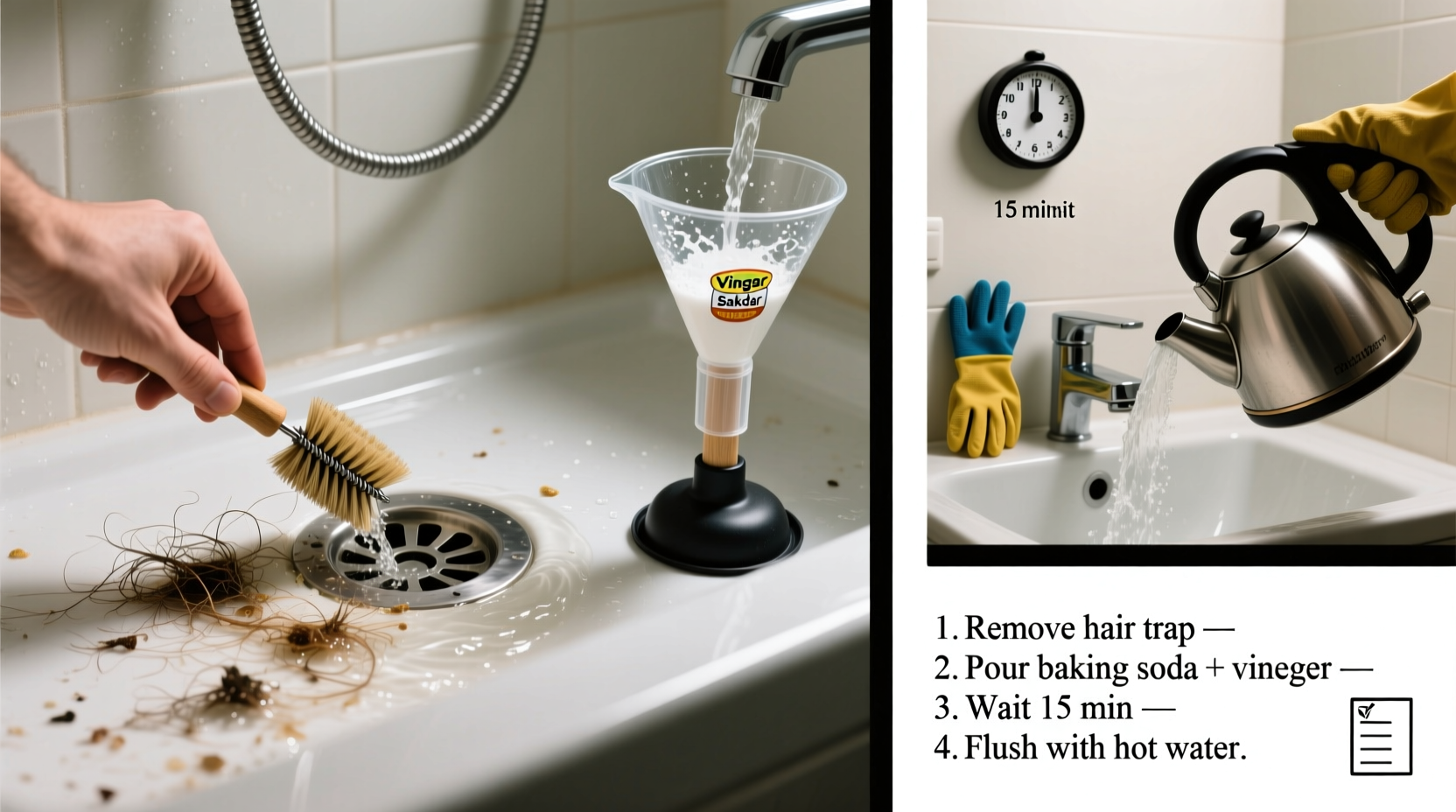
Before attempting any fix, it’s important to understand what’s causing the slowdown. Unlike kitchen sinks that often deal with grease and food waste, shower drains typically clog due to organic materials like hair and body oils mixing with soap residue. Over time, this forms a dense plug that restricts water flow.
The trap—the U-shaped pipe beneath the drain—is usually where the clog forms. This section holds a small amount of water to prevent sewer gases from entering your home, but it also catches debris. In older homes, corroded pipes or mineral buildup in hard water areas can contribute to reduced flow, but these are less common in modern plumbing systems.
“Over 90% of shower clogs are mechanical—caused by physical obstructions like hair and soap—not structural pipe issues.” — James Reed, Master Plumber & Home Maintenance Instructor
Knowing this helps narrow your focus: remove the physical barrier, not overhaul the plumbing. This makes most slow drains a perfect candidate for DIY resolution.
Essential Tools and Supplies You Likely Already Have
You don’t need specialized equipment to tackle a slow drain. Many effective solutions use items already in your home. Here’s what you should gather before starting:
- Rubber gloves (to protect hands from grime)
- Plastic drain snake or zip tool (available at hardware stores for under $10)
- Wire hanger (a makeshift alternative to a drain snake)
- Plunger (preferably a cup-style plunger)
- Baking soda
- White vinegar
- Boiling water
- Screwdriver (if removing a drain cover)
- Bucket and towels (for cleanup)
Step-by-Step Guide to Clearing the Clog
Follow this logical sequence to maximize your chances of success without damaging your pipes.
- Remove visible debris: Take off the drain cover and pull out any hair or soap clumps you can reach by hand. This alone may improve flow significantly.
- Flush with boiling water: Pour a kettle of boiling water down the drain in two to three stages. This softens soap scum and loosens light buildup.
- Use baking soda and vinegar: Pour ½ cup of baking soda followed by 1 cup of white vinegar into the drain. Cover the opening with a wet cloth to contain the fizzing reaction. Let sit for 30 minutes, then flush with hot water.
- Plunge the drain: Ensure there’s enough water to cover the plunger cup. Pump firmly 15–20 times to create pressure that dislodges the clog.
- Snake the drain: Insert a drain snake or straightened wire hanger into the pipe. Rotate and push until you feel resistance, then twist and pull up to extract trapped material.
- Repeat if necessary: If water still drains slowly, repeat steps 3–5. Persistent clogs may require multiple treatments.
This method works best when performed in order. Skipping ahead to snaking without loosening debris first can compact the clog further.
Do’s and Don’ts When Unclogging Your Shower
| Action | Do | Don't |
|---|---|---|
| Cleaning frequency | Perform preventive maintenance monthly | Wait until the drain stops working completely |
| Chemical cleaners | Use enzyme-based cleaners occasionally | Pour caustic drain openers into PVC pipes regularly |
| Snaking technique | Twist gently and pull debris out slowly | Force the snake aggressively and scratch pipe walls |
| Water temperature | Use boiling water on metal pipes | Pour boiling water into PVC or plastic piping (can warp joints) |
| Prevention | Install a mesh strainer to catch hair | Ignore early signs of slow drainage |
When to Try Alternative Methods
If the standard baking soda-vinegar-plunging routine fails, consider these alternatives:
- Wet/dry vacuum method: Set a wet/dry vac to suction mode, seal the nozzle over the drain with a damp cloth, and run for 30 seconds. The powerful suction can pull out stubborn clogs.
- Enzyme drain cleaner: Products containing natural bacteria break down organic matter over several hours. Ideal for maintenance, not emergency clearing.
- Manual pipe inspection: For accessible P-traps under basements or crawl spaces, shut off water, place a bucket underneath, and unscrew the trap to clean it directly.
Note: Enzyme cleaners work gradually and are best used as part of a monthly routine, not for immediate results. They’re also safer for septic systems than chemical alternatives.
Mini Case Study: Resolving a Chronic Clog in a Shared Bathroom
Sarah, a homeowner in Denver, noticed her second-floor shower was draining slower each week. Her teenage daughter used the bathroom daily, and long hair was a known issue. Initially, Sarah tried liquid drain cleaner twice, which worsened the smell but didn’t improve flow.
She decided to try a DIY approach. She removed the drain cover and pulled out a thick wad of hair by hand. Next, she poured boiling water, followed by the baking soda and vinegar treatment. After letting it sit, she plunged vigorously for one minute. Water began to drain noticeably faster.
To prevent recurrence, Sarah bought a stainless steel mesh strainer and committed to a monthly cleaning routine. Six months later, the drain remains clear—without a single service call.
This case illustrates that persistence with non-invasive methods often yields better long-term results than harsh chemicals.
Preventive Checklist for Long-Term Drain Health
Maintaining a free-flowing shower drain requires minimal effort when done consistently. Follow this checklist to avoid future clogs:
- ✅ Remove visible hair from the drain after each use
- ✅ Use a fine-mesh drain cover or strainer
- ✅ Flush the drain weekly with hot water
- ✅ Perform a baking soda and vinegar treatment monthly
- ✅ Avoid pouring oils, lotions, or thick hair products down the drain
- ✅ Schedule a deep clean every 3–4 months
These habits take less than five minutes a week but can extend the time between major cleanings by years.
Frequently Asked Questions
Can I use chemical drain cleaners safely?
Occasional use of chemical cleaners is acceptable, but they should never be a first-line solution. Harsh chemicals like sodium hydroxide can corrode metal pipes and degrade PVC joints over time. They also pose health risks if mixed with other cleaners. For eco-friendly and safer long-term use, stick to natural methods or enzyme-based products.
Why does my shower drain smell bad after clearing the clog?
Odors usually come from bacteria feeding on residual organic matter in the P-trap or overflow pipe. To eliminate the smell, pour ½ cup of baking soda followed by 1 cup of vinegar into both the main drain and the overflow (located under the faceplate near the top of the tub). Let it sit for 30 minutes, then flush with hot water. Regular cleaning prevents odor-causing buildup.
What if none of these methods work?
If water still doesn’t drain after multiple attempts, the clog may be deeper in the line—possibly in the main sewer stack or beyond the trap. At this point, consider renting a motorized drain auger or consulting a plumber. However, true blockages this deep are rare in single-family homes unless there’s tree root intrusion or collapsed piping.
Final Thoughts and Call to Action
Dealing with a slow-draining shower doesn’t have to mean scheduling a costly plumber visit. With basic tools, a little patience, and consistent maintenance, most homeowners can resolve clogs quickly and safely. The key is acting early—before a minor slowdown becomes a full stoppage—and avoiding methods that damage your plumbing in the process.
By understanding the root causes, applying proven techniques, and adopting simple preventive habits, you gain control over one of the most common household nuisances. Not only do you save money, but you also build confidence in handling future maintenance tasks.
💬 Have a tip that worked wonders for your stubborn shower drain? Share your experience in the comments below and help others keep their bathrooms flowing smoothly!