Drooping houseplants can be baffling—especially when you're watering them on schedule. You follow a routine, check the soil, and still, your peace lily sags or your monstera leaves flop like wilted lettuce. The truth is, overwatering, poor drainage, inadequate light, temperature stress, and root health issues are often the real culprits behind limp foliage. Understanding these hidden factors is key to reviving your plants and keeping them upright and thriving.
Watering is just one piece of the puzzle. A plant’s posture reflects its overall well-being, influenced by environment, potting choices, and biological needs. By diagnosing the root cause—literally and figuratively—you can correct the imbalance and restore vigor to your indoor garden.
Why Plants Droop Despite Regular Watering
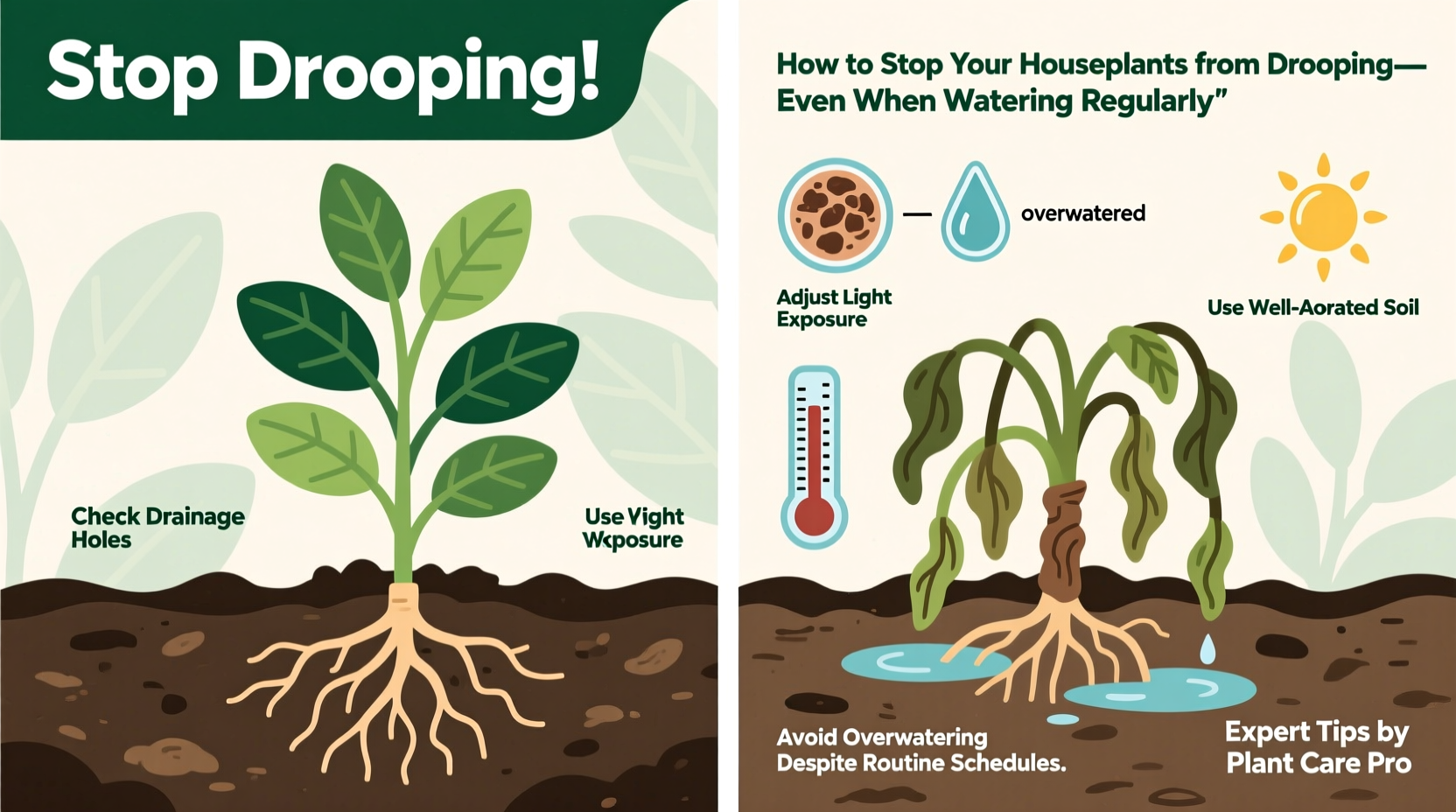
Drooping isn’t always about hydration. While dehydration causes wilting, so does its opposite: too much water. When roots sit in saturated soil, they suffocate. Oxygen can't reach them, leading to root rot. Without healthy roots, the plant can't absorb water efficiently—even if the soil is wet. This creates a cruel paradox: the plant drowns while starving for moisture.
Other common reasons include:
- Poor drainage: Pots without drainage holes trap water, increasing the risk of root rot.
- Inadequate light: Low light slows photosynthesis and weakens cell structure, causing stems and leaves to sag.
- Temperature extremes: Cold drafts or hot air vents shock plant systems, disrupting turgor pressure.
- Overpotting: A pot too large holds excess moisture, delaying drying and encouraging fungal growth.
- Nutrient imbalances: Excess fertilizer burns roots; deficiencies weaken structural integrity.
Recognizing these triggers helps move beyond guesswork to targeted solutions.
Tip: Stick your finger into the soil up to the second knuckle. If it feels damp, wait before watering—your plant may not need more moisture.The Hidden Problem: Root Health and Soil Conditions
The foundation of a healthy plant lies beneath the surface. Roots act as both anchors and lifelines, absorbing water and nutrients while maintaining internal pressure (turgor) that keeps leaves firm. Compromised roots lead directly to drooping, regardless of surface care.
Root rot is the most frequent offender. Caused by fungi like Pythium and Fusarium, it thrives in soggy, compacted soils. Symptoms include dark, mushy roots, foul-smelling soil, yellowing leaves, and persistent drooping. Once established, root rot spreads quickly and can kill a plant within weeks.
To assess root health:
- Gently remove the plant from its pot.
- Inspect the roots: healthy ones are firm and white or tan; rotted ones are brown, black, and slimy.
- Trim damaged roots with sterilized scissors.
- Repot in fresh, well-draining mix after cleaning the container.
Soil composition matters just as much. Dense, garden-style soil compacts easily indoors, restricting airflow. Instead, use a porous mix tailored to your plant type—such as peat-based blends with perlite or orchid bark for aroids.
“Many drooping plants aren’t thirsty—they’re drowning. It’s not about how often you water, but whether the roots can breathe.” — Dr. Lena Reyes, Urban Horticulturist at Green Canopy Research Institute
Light, Temperature, and Environmental Stress
Even with perfect watering, plants will droop if their environment fails to meet basic needs. Light drives photosynthesis, which fuels cell strength and turgor. Too little light leads to etiolation—thin, weak stems stretching toward any available brightness. Leaves lose rigidity and begin to droop.
Conversely, intense direct sunlight can scorch leaves, damaging tissues and reducing water retention. Sudden changes in light exposure—like moving a shade-loving plant near a sunny window—can also trigger stress-induced wilting.
Temperature fluctuations play a subtle but powerful role. Most houseplants thrive between 65°F and 75°F (18°C–24°C). Cold drafts from windows or AC units reduce metabolic activity, impairing water uptake. Hot, dry air from radiators or vents increases transpiration, causing leaves to lose moisture faster than roots can replace it.
Humidity is equally important, especially for tropical species like calatheas and ferns. In dry indoor air, stomata (leaf pores) stay open longer, accelerating water loss. This imbalance results in limp foliage, even with moist soil.
Tip: Group humidity-loving plants together to create a microclimate, or place a tray of water with pebbles beneath the pot (ensure the pot isn’t sitting in water).Step-by-Step Guide to Revive a Drooping Plant
Follow this systematic approach to diagnose and correct drooping in your houseplants:
- Assess the soil moisture. Use your finger or a moisture meter. If wet, skip watering. If dry, proceed cautiously.
- Check for drainage. Ensure the pot has holes. If not, repot immediately into a suitable container.
- Inspect roots. Remove the plant gently and look for rot. Trim affected areas and treat with hydrogen peroxide (1:4 dilution) or cinnamon as a natural fungicide.
- Replace the soil. Use a fast-draining mix appropriate for your plant type (e.g., cactus mix for succulents, airy orchid mix for epiphytes).
- Evaluate light conditions. Move the plant to a location with bright, indirect light unless it’s a low-light specialist. Avoid direct afternoon sun.
- Adjust temperature and airflow. Keep away from vents, radiators, and drafty windows. Maintain consistent warmth.
- Hold off on fertilizing. Stressed plants can’t process nutrients. Wait 4–6 weeks after recovery before feeding.
- Monitor daily for improvement. Recovery may take 7–14 days. New growth is a strong sign of healing.
This method addresses both symptoms and root causes, giving your plant the best chance to rebound.
Do’s and Don’ts: A Quick Reference Table
| Action | Do | Don’t |
|---|---|---|
| Watering frequency | Water only when top 1–2 inches of soil are dry | Stick to a fixed schedule regardless of soil condition |
| Pot selection | Use pots with drainage holes and proper size (root ball + 1–2 inches) | Plant in oversized containers or decorative pots without drainage |
| Soil type | Use well-aerated, porous mixes (e.g., perlite + peat + bark) | Use heavy garden soil or generic potting mix for all plants |
| Fertilizing | Feed during growing season (spring–summer) at half-strength | Apply full-strength fertilizer to stressed or dormant plants |
| Environmental placement | Place in stable environments with indirect light and moderate humidity | Put near heaters, AC units, or drafty entryways |
Real Example: Reviving a Chronically Drooping Pothos
Sarah, an apartment dweller in Chicago, loved her golden pothos but struggled with its constant drooping. She watered every Sunday, yet the leaves sagged by midweek. After reading about root rot, she decided to investigate.
She removed the plant from its ceramic pot—no drainage holes—and found the soil was consistently damp three inches down. The roots were dark and soft in places. Sarah trimmed the decayed sections, washed the remaining roots, and repotted the plant in a plastic nursery pot with holes, using a mix of perlite and indoor potting soil.
She placed it near an east-facing window for morning light and began checking soil moisture before watering. Within ten days, the vines regained firmness. New growth appeared within three weeks. Sarah now checks her plants weekly and rotates them for even light exposure.
Her experience highlights how a simple change in potting and watering habits can transform plant health—even when the problem seemed unsolvable.
Essential Care Checklist for Upright, Healthy Plants
Use this checklist monthly to prevent drooping and maintain vitality:
- ✅ Check soil moisture before each watering
- ✅ Confirm pots have functional drainage holes
- ✅ Inspect leaves and stems for discoloration or pests
- ✅ Rotate plants weekly for even light exposure
- ✅ Clean dust from leaves with a damp cloth
- ✅ Flush soil every 2–3 months to prevent salt buildup
- ✅ Repot every 1–2 years or when roots circle the base
- ✅ Monitor room temperature and humidity levels
- ✅ Use grow lights during winter if natural light is insufficient
- ✅ Label each plant with care notes (light, water, repot date)
Frequently Asked Questions
Why do my plants droop after I water them?
Drooping after watering is a red flag for root rot or poor drainage. When roots are damaged or drowned, they can’t transport water effectively. The plant may appear thirstier after watering because the system is failing. Check for soggy soil, foul odor, or mushy roots.
Can too much light cause drooping?
Yes. Intense direct sunlight, especially through glass, can overheat leaves and increase water loss through transpiration. This leads to temporary wilting. Plants like snake plants or ZZ plants tolerate bright light, but species such as peace lilies or fittonias prefer indirect light and may droop when exposed to harsh sun.
How long does it take for a drooping plant to recover?
Recovery time depends on the severity of stress. Mild cases improve within 3–5 days after correcting watering or light. Severe root damage may take 2–4 weeks to show signs of recovery. Patience is crucial—avoid overcorrecting with extra water or fertilizer.
Conclusion: Healthy Plants Stand Tall
Drooping houseplants are trying to tell you something. They don’t need more water—they need better care. By shifting focus from routine watering to holistic plant health, you empower yourself to solve problems before they escalate. Pay attention to soil, light, roots, and environment. Adjust with intention, not habit.
Your indoor garden reflects your understanding of nature’s balance. With the right knowledge, even a limp, lifeless-looking plant can bounce back stronger than before. Start today: inspect one drooping plant, apply these insights, and witness the transformation.
💬 Have a drooping plant you brought back to life? Share your story in the comments and inspire others to grow with confidence!








