Static cling is a common annoyance that plagues laundry routines—especially during dry winter months. Clothes stick together, cling uncomfortably to the body, or attract lint and pet hair the moment they’re pulled from the dryer. While commercial dryer sheets and anti-static sprays are widely available, many contain synthetic fragrances, chemicals, and plastics that can irritate sensitive skin or harm the environment.
The good news: you don’t need artificial additives to combat static. With simple, natural solutions already in your pantry or cleaning cabinet, you can eliminate static cling effectively and safely. This guide explores proven, eco-friendly methods grounded in science and real-world application, helping you achieve soft, static-free laundry without compromising your health or values.
Understanding Static Cling in Laundry
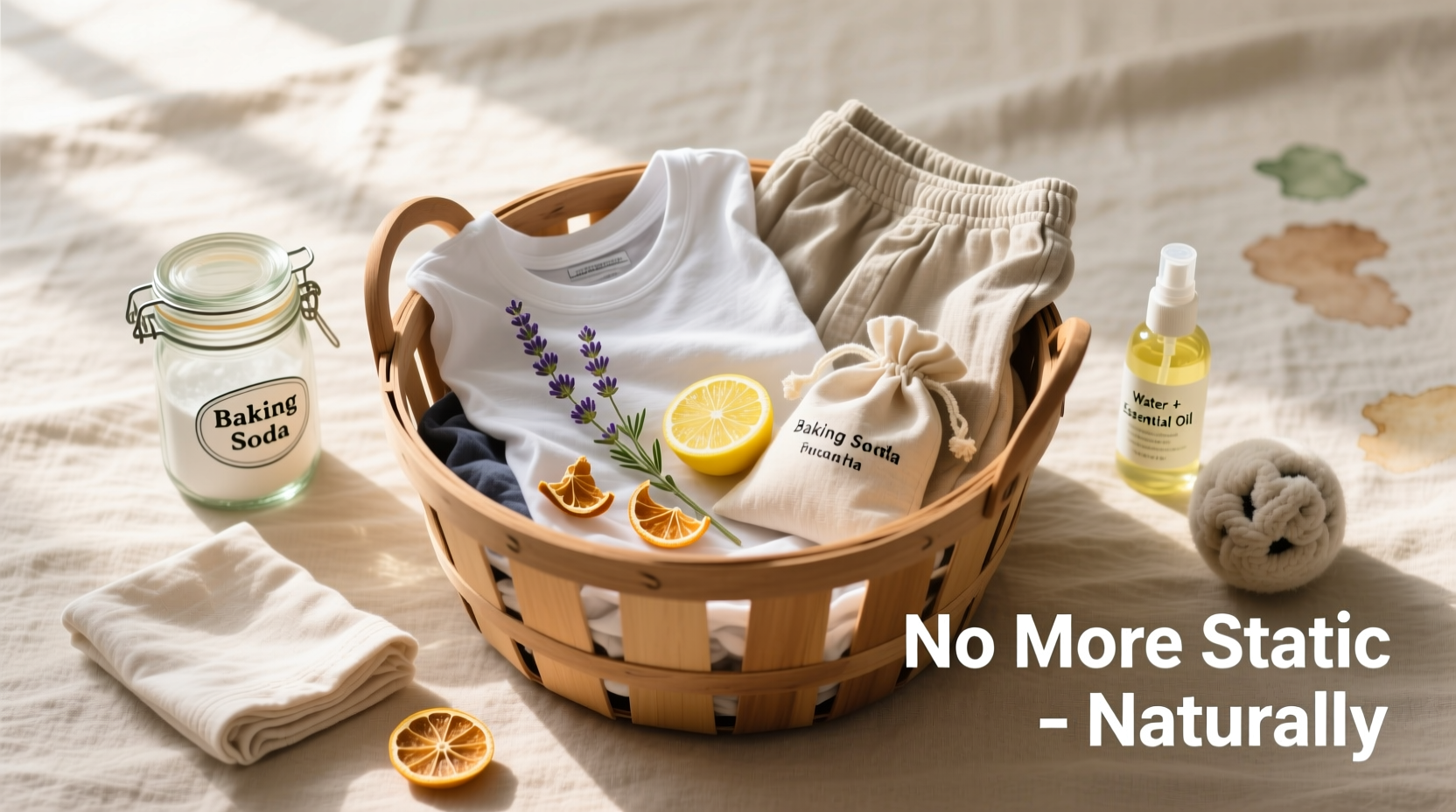
Static electricity occurs when fabrics rub against each other in the dryer, causing electrons to transfer between materials. Synthetic fibers like polyester, nylon, and acrylic are especially prone to building up a charge because they don’t conduct moisture well. Dry air—common in heated indoor spaces during colder months—exacerbates the problem by reducing humidity, which normally helps dissipate electrical charges.
Natural fibers such as cotton, wool, and linen are less likely to generate static, but even they can become charged under very dry conditions. The key to stopping static cling lies in reintroducing moisture, reducing friction, and neutralizing the electrical charge—all achievable through natural means.
“Static buildup is not just uncomfortable—it can also degrade fabric over time due to repeated clinging and pulling.” — Dr. Lena Patel, Textile Scientist at Sustainable Fabric Institute
Effective Natural Methods to Prevent Static Cling
Below are seven natural, cost-effective strategies backed by chemistry and user experience. Most require only household staples and take minimal effort.
1. Use Wool Dryer Balls
Wool dryer balls are one of the most effective natural alternatives to dryer sheets. As they tumble with clothes, they separate garments, improving airflow and reducing drying time. This separation minimizes friction—the primary cause of static buildup. Additionally, wool has natural moisture-wicking properties that help balance humidity inside the dryer drum.
Tip: Add 3–6 wool dryer balls per load. For a light fragrance, apply 2–3 drops of essential oil (like lavender or eucalyptus) to each ball before use.2. Add Vinegar to the Rinse Cycle
White vinegar acts as a natural fabric softener and pH balancer. When added during the rinse cycle, it removes residual detergent and mineral deposits that make fabrics stiff and more prone to static. It also slightly increases conductivity in the fabric, helping to dissipate electric charges.
To use: Pour ½ cup of distilled white vinegar into the fabric softener dispenser or directly into the rinse cycle. No lingering smell remains after drying—vinegar odor dissipates completely.
3. Hang Dry Delicate or Static-Prone Items
Air-drying eliminates the tumbling action that generates static. Line-drying clothes outdoors adds an extra benefit: natural humidity and slight moisture in the air reduce the likelihood of charge accumulation. Even indoor drying on a rack works well for lightweight synthetics or blends.
This method also extends garment life by avoiding heat exposure, which can weaken fibers over time.
4. Dampen a Washcloth with Water or Essential Oils
Tossing a small, damp washcloth into the dryer for the last 10–15 minutes introduces moisture, which neutralizes static. You can enhance this by adding a few drops of essential oil (e.g., tea tree or lemon) to the cloth for a fresh scent and antimicrobial effect.
Be cautious not to use too much water—excess moisture prolongs drying time and may lead to mildew if left in the dryer too long.
5. Use Aluminum Foil Balls
A low-cost alternative to dryer balls, crumpled aluminum foil balls (about the size of a tennis ball) discharge static electricity as they bounce around in the dryer. The metal conducts and disperses the charge, preventing it from building up on clothes.
Create 2–3 balls from sheets of aluminum foil (reuse them for several months). They’re silent, durable, and completely plastic-free.
6. Reduce Over-Drying
Over-drying is a major contributor to static. The longer clothes tumble in hot, dry air, the more moisture evaporates from fibers, increasing their susceptibility to static. Removing clothes while slightly damp—or using a moisture-sensing dryer setting—can dramatically reduce cling.
If line-drying isn’t possible, consider switching to a lower heat setting and removing items promptly when the cycle ends.
7. Mix Natural and Synthetic Fabrics Strategically
Washing and drying natural fibers with synthetics can help balance static. Cotton or wool absorbs moisture and grounds electrical charges, reducing overall static in the load. Try pairing a cotton towel with a load of polyester workout clothes to minimize cling.
Avoid drying large loads of synthetic-only clothing, especially in low-humidity environments.
Step-by-Step Guide to a Static-Free Laundry Routine
Follow this natural laundry sequence to consistently prevent static cling:
- Sort clothes by fabric type. Keep heavy synthetics separate unless mixing with natural fibers to reduce static.
- Use natural detergent free of synthetic softeners and brighteners. Residue from conventional detergents can increase stiffness and static.
- Add ½ cup white vinegar in the rinse cycle to soften fabrics and remove buildup.
- Tumble dry with 3–6 wool dryer balls or 2–3 aluminum foil balls.
- Include a damp washcloth during the last 10 minutes of drying for extra moisture.
- Remove clothes promptly once the cycle ends to avoid over-drying.
- Store garments in a humid room or use a home humidifier during winter to maintain ambient moisture.
“Changing your laundry habits doesn’t mean sacrificing convenience. Small swaps like vinegar and wool balls deliver big results.” — Sarah Lin, Eco-Living Coach and Sustainable Home Advocate
Do’s and Don’ts: Natural Static Control Table
| Do | Don’t |
|---|---|
| Use wool dryer balls to separate clothes and reduce drying time | Use plastic-based dryer sheets containing quaternary ammonium compounds |
| Add white vinegar to the rinse cycle for softening | Overload the dryer—crowding increases friction and static |
| Dry natural and synthetic fabrics together when possible | Over-dry clothes; remove them while slightly damp if needed |
| Incorporate a damp cloth in the final drying phase | Rely solely on high heat for all fabric types |
| Maintain indoor humidity above 40% in winter | Store clean clothes in extremely dry or hot areas |
Real Example: How One Household Eliminated Static Naturally
The Thompson family, living in Colorado’s high-altitude, dry climate, struggled with persistent static cling every winter. Their children’s fleece pajamas would crackle when removed, and skirts clung awkwardly to tights. After researching natural alternatives, they made a few changes:
- Replaced dryer sheets with six handmade wool dryer balls.
- Began adding vinegar to every cold-water rinse cycle.
- Started hanging delicate blouses and synthetic athletic wear indoors.
- Installed a small humidifier in their laundry room.
Within two weeks, static incidents dropped by over 90%. “We didn’t realize how much the dryer sheets were contributing to the problem,” said Maria Thompson. “Now our clothes feel softer, and we’re not breathing in synthetic fragrances.”
Checklist: Your Natural Anti-Static Laundry Plan
Print or save this checklist to ensure consistent results:
- ☐ Switch to wool or aluminum dryer balls
- ☐ Add ½ cup white vinegar to the rinse cycle
- ☐ Avoid over-drying—use moisture sensor or timed cool-down
- ☐ Tumble a damp washcloth in the last 10 minutes of drying
- ☐ Mix natural and synthetic fabrics when drying
- ☐ Air-dry static-prone items like leggings or synthetics
- ☐ Maintain indoor humidity between 40–60%
- ☐ Clean the lint filter before every load for better airflow
Frequently Asked Questions
Can I use baking soda instead of vinegar?
Baking soda is excellent for deodorizing and boosting detergent efficiency, but it doesn’t soften fabrics or reduce static as effectively as vinegar. For best anti-static results, use vinegar in the rinse cycle. You can use both—baking soda in the wash, vinegar in the rinse—but never mix them directly, as they neutralize each other.
Are wool dryer balls safe for all fabrics?
Yes, high-quality 100% wool dryer balls are safe for delicates, silks, and knits. Choose tightly felted balls without loose fibers to prevent snagging. For very fine garments, place items in a mesh laundry bag during drying for added protection.
How long do natural methods take to work?
You’ll notice improvements immediately. Vinegar and dryer balls begin working in the first cycle. However, eliminating built-up detergent residue may take 2–3 washes. For lasting results, consistency matters—stick with natural methods for at least a month to fully reset your fabrics.
Final Thoughts: Embrace Simplicity for Better Laundry
Natural static control isn’t about perfection—it’s about progress. By replacing synthetic products with accessible, non-toxic alternatives, you protect your clothes, your health, and the planet. The methods outlined here are sustainable, affordable, and easy to integrate into any household routine.
Static cling is a symptom of imbalance—too much dryness, too much friction, too many chemicals. Address the root causes, and the solution becomes simple. Start with one change, like adding vinegar or trying wool balls, and build from there. Over time, you’ll find that the quiet hum of a chemical-free dryer is far more satisfying than any artificial softness.
💬 What’s your go-to natural trick for static-free laundry? Share your experience in the comments and inspire others to make the switch!








