Selecting a decorative piece for your home goes beyond aesthetics—it’s about creating harmony, expressing personality, and inviting positive energy. Few ornaments carry as much symbolic weight and visual appeal as the elephant. Revered across cultures for its strength, wisdom, and auspiciousness, an elephant ornament can become more than just decor; it can serve as a meaningful focal point in your living space. But with countless styles, materials, and cultural interpretations available, choosing the right one requires thoughtful consideration. This guide walks you through how to align your selection with your interior design goals and energetic intentions.
Understanding the Symbolism of Elephant Ornaments
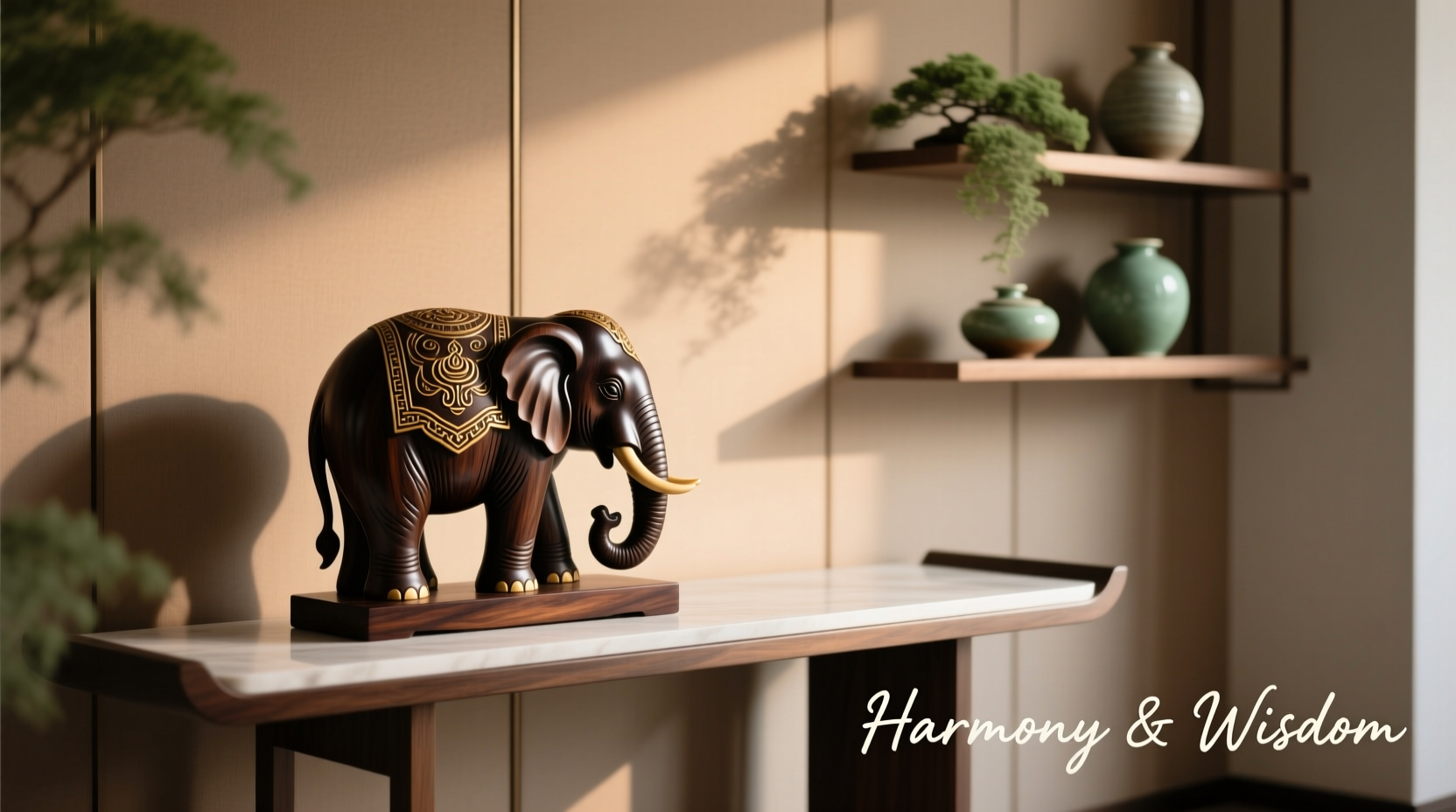
The elephant is more than a majestic animal—it holds deep spiritual and cultural significance in many traditions. In Feng Shui, elephants symbolize protection, strength, and good luck. Their trunks are especially telling: when raised upward, they attract prosperity and joy; when pointed downward, they represent grounding and stability. In Hinduism, Lord Ganesha, the elephant-headed deity, removes obstacles and brings success. Across Africa, elephants embody leadership, loyalty, and familial bonds.
Choosing an elephant ornament isn’t just about matching your sofa color—it’s about aligning with values you want to cultivate at home. A family seeking peace might choose a pair of elephants with trunks down, symbolizing protection. An entrepreneur may opt for a single elephant with a raised trunk near the entrance to invite abundance.
“Elephant imagery in the home acts as a silent guardian—its presence shifts energy before words are spoken.” — Dr. Lena Patel, Cultural Symbolism Researcher
Matching Your Ornament to Interior Design Style
Your elephant ornament should complement—not clash with—your existing décor. The key is balancing symbolism with style. Consider these popular interior themes and ideal elephant ornament pairings:
| Interior Style | Recommended Material | Design Features | Placement Tip |
|---|---|---|---|
| Modern Minimalist | Stainless steel, concrete, or ceramic | Sleek lines, abstract form, monochrome finish | On a console table or bookshelf with negative space |
| Bohemian | Wood, brass, or hand-painted ceramic | Intricate carvings, colorful accents, ethnic motifs | Near plants or textiles in a reading nook |
| Traditional/Eastern | Brass, bronze, or jade | Classical Ganesha pose, lotus base, engraved mantras | Foyer or prayer room with incense nearby |
| Scandinavian | Light wood or matte ceramic | Soft curves, neutral tones, functional sculpture | Living room shelf with natural light |
Material Matters: Durability, Energy, and Aesthetic Impact
The material of your elephant ornament affects not only its look but also its longevity and energetic vibration. Here’s a breakdown of common options:
- Brass: Highly regarded in Vastu and Feng Shui for its ability to conduct positive energy. Polished brass reflects light and adds richness. Requires occasional polishing to prevent tarnishing.
- Wood: Offers warmth and organic texture. Ideal for rustic or earthy interiors. Choose sustainably sourced hardwoods like teak or rosewood for durability.
- Ceramic: Versatile and often handcrafted. Glazed ceramics add color; matte finishes suit minimalist spaces. Handle with care—ceramic is prone to chipping.
- Resin: Affordable and lightweight, often used for detailed figurines. Look for UV-resistant resin if placing near windows.
- Stone or Jade: Believed to carry protective and calming energies. Cold to the touch, best placed where they won’t be knocked over.
Avoid overly synthetic-looking plastics unless intentionally part of a kitschy theme—they tend to disrupt the sense of authenticity and serenity such ornaments aim to create.
Step-by-Step Guide to Choosing and Placing Your Elephant Ornament
Follow this five-step process to ensure your selection enhances both style and energy:
- Define Your Intention: Ask yourself what you want the ornament to represent—prosperity, protection, family unity, or spiritual connection?
- Assess Your Space: Identify high-visibility areas like entryways, living rooms, or study desks. Measure available surface area to avoid overcrowding.
- Select the Trunk Position: Raised trunk for attracting opportunities; downward trunk for stability and safeguarding. Pairs of elephants with trunks facing inward symbolize unity and mutual protection.
- Choose Material and Color Based on Room Energy: Light colors (white, silver) enhance clarity in workspaces; warm metals (gold, copper) boost vitality in living areas.
- Place with Purpose: In Feng Shui, the front door is the “mouth of chi.” Two elephants flanking the entrance welcome positive energy. Avoid pointing trunks directly at seating areas, which may feel intrusive.
“An ornament placed with intention becomes part of your home’s emotional architecture.” — Marcus Tran, Interior Harmony Consultant
Real-Life Example: Transforming a Modern Apartment Entryway
Jamila, a graphic designer in Portland, wanted to make her small apartment feel more welcoming without cluttering the space. Her entry was narrow and overlooked. She selected a pair of medium-sized wooden elephants with upward-curving trunks, finished in a soft walnut stain that matched her shoe cabinet. Positioned symmetrically on either side of a mirror, the elephants created balance and drew attention to the center of the foyer. Guests began commenting on the “calm energy” of the space. Within weeks, Jamila noticed she felt more centered each time she entered her home. The ornaments didn’t just decorate—they transformed the experience of arrival.
Checklist: Before You Buy Your Elephant Ornament
- ✅ Decide on the primary purpose (luck, protection, beauty)
- ✅ Confirm the dimensions fit your intended space
- ✅ Check that the material suits your lifestyle (e.g., pets, kids, dust levels)
- ✅ Verify the trunk direction aligns with your intention
- ✅ Ensure the color complements your wall and furniture tones
- ✅ Research the source—opt for ethically made pieces, especially when buying ivory alternatives or artisan crafts
Frequently Asked Questions
Can I have multiple elephant ornaments in one home?
Yes, but be intentional. Place them in different zones for specific purposes—one near the entrance for prosperity, another in a child’s room for protection. Avoid clustering too many in one spot, which can dilute their impact.
Is it bad luck if the elephant’s trunk is broken?
Symbolically, a damaged trunk may weaken the flow of positive energy. If repairable, fix it promptly. If not, respectfully retire the piece and replace it. There’s no inherent curse—only the loss of symbolic integrity.
Are elephant ornaments appropriate for offices?
Absolutely. A small brass or stone elephant on a desk can promote confidence and remove mental blocks. Position it facing the room to “see” incoming opportunities.
Final Thoughts: Let Meaning Meet Design
The perfect elephant ornament does more than sit on a shelf—it resonates with your environment, supports your aspirations, and quietly elevates the soul of your home. Whether drawn to its cultural roots, its sculptural beauty, or its promise of good fortune, your choice should feel personal and deliberate. By considering symbolism, material, design compatibility, and placement, you turn a simple decoration into a vessel of intention.
💬 Found the right elephant for your space? Share your story or styling tip in the comments—your insight could inspire someone else’s meaningful choice.








