Every holiday season brings the familiar ritual: pulling out boxes of ornaments, lights, and nostalgic decor from storage. But over time, what begins as a joyful tradition can become a logistical nightmare. Attics fill with bins, garages overflow, and closets groan under the weight of decades’ worth of decorations. The problem isn’t just space—it’s decision fatigue. Which tree topper this year? Do we really need three sets of reindeer figurines? How do you keep the magic alive without drowning in clutter?
The solution lies not in discarding everything or giving up on tradition—but in thoughtful rotation. By intentionally curating and cycling your decorations each year, you preserve meaning, reduce physical strain, and maintain a fresh, exciting atmosphere every December. This approach turns decoration management into a sustainable practice rather than an annual burden.
Create a Themed Rotation System
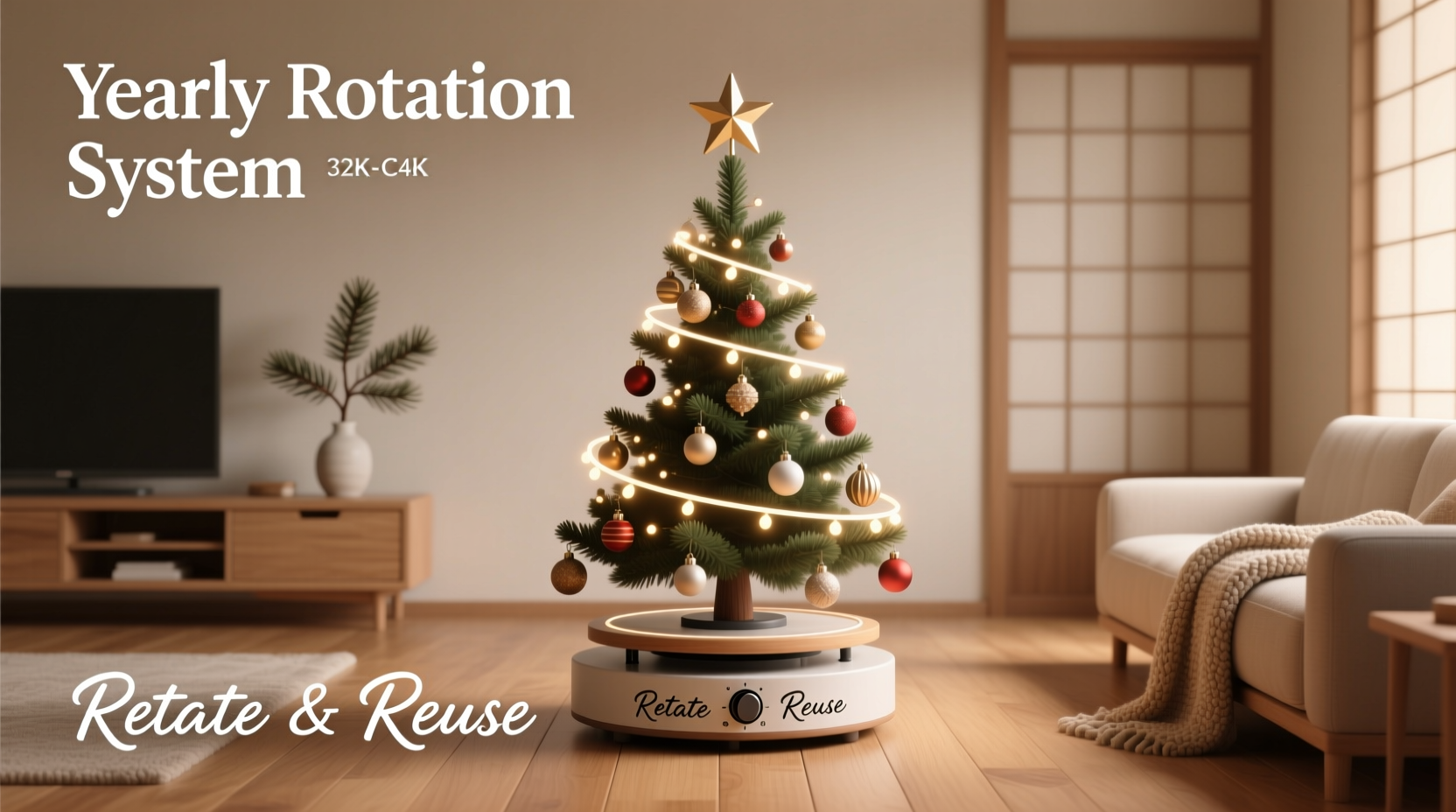
One of the most effective ways to manage a growing collection is to assign themes to years. Instead of displaying everything at once, divide your decorations into categories—such as “vintage,” “family heirlooms,” “nature-inspired,” or “color-based” (e.g., gold & white, red & green, silver & blue). Then rotate these themes annually.
For example:
- Year 1: Rustic farmhouse theme—burlap wreaths, wooden signs, cinnamon stick bundles.
- Year 2: Scandinavian minimalist—white lights, geometric shapes, neutral tones.
- Year 3: Glamorous sparkle—crystal ornaments, mirrored balls, metallic garlands.
This method keeps your décor feeling intentional and new, even when using older pieces. It also encourages creativity—you’re not just decorating; you’re storytelling through design.
Tip: Label storage bins by theme instead of item type. This makes setup faster and reinforces your rotation plan.Implement the Holiday Decor Lifecycle Framework
Think of your decorations like a curated museum exhibit—only a portion is on display at any given time. The rest rests in preservation mode. To make this work, establish a lifecycle for each piece: Display → Evaluate → Store → Rotate.
- Display: Use only the selected theme or category during the season.
- Evaluate: At takedown, inspect each item. Is it damaged? Does it still bring joy? Has it been rotated enough to warrant another appearance?
- Store: Clean and pack carefully. Use acid-free tissue for delicate ornaments and sturdy containers with dividers.
- Rotate: Decide which group will be featured next year. Retire duplicates or underused items responsibly.
This framework prevents emotional hoarding while honoring meaningful pieces. Over time, it builds a leaner, more meaningful collection.
Smart Storage Solutions That Save Space and Sanity
Even with rotation, storage matters. Poor organization leads to broken ornaments, tangled lights, and frustration. Invest in systems that protect your items and make access easy.
Consider the following upgrades:
- Flat storage for wreaths: Use garment bags or specially designed flat bins to prevent crushing.
- Modular stacking bins: Clear, lidded containers allow visibility and efficient stacking. Label both top and side.
- Ornament carriers with compartments: These prevent breakage and eliminate the need for excessive wrapping.
- Under-bed storage: Ideal for smaller, frequently used items like table centerpieces or stockings.
Avoid cardboard boxes long-term—they attract pests and degrade in humidity. Plastic bins with tight seals are better for climate control.
| Storage Method | Best For | Why It Works |
|---|---|---|
| Clear stackable bins | General ornaments, lights, village pieces | Visibility + space efficiency |
| Garment bags with shelves | Wreaths, garlands, fabric items | Prevents flattening and tangling |
| Divided ornament boxes | Fragile glass or handcrafted ornaments | Individual protection |
| Vacuum-seal bags | Stuffed animals, plush Santa figures, tree skirts | Reduces volume by up to 75% |
Real Example: The Johnson Family’s 4-Year Cycle
The Johnsons had accumulated over 15 years of decorations across two households. Their garage held seven overflowing bins, and setting up the tree took two full days. After a particularly stressful holiday, they decided to overhaul their system.
They began by sorting all items into four categories: “Childhood Memories,” “Handmade with Love,” “Festive & Fun,” and “Elegant & Timeless.” Each would get its own year in a rotating cycle.
In Year 1 (Elegant & Timeless), they displayed crystal ornaments, white lights, and a monochrome tree. Guests commented on how sophisticated it looked. Year 2 (Handmade with Love) featured school crafts, knitted stockings, and DIY snowflakes—warm and personal. Years 3 and 4 followed suit, each bringing a distinct mood.
After completing the first full cycle, they reviewed what hadn’t been missed. Three bins of generic baubles and outdated inflatables were donated. Setup time dropped to one day. More importantly, the kids started looking forward to “this year’s style” as part of the tradition.
“Rotation doesn’t diminish tradition—it deepens it. When decorations return after a year away, they feel special again.” — Laura Bennett, Home Organization Consultant
Checklist: Annual Holiday Decor Rotation Plan
Follow this actionable checklist each January (yes, January) to stay ahead:
- ☐ Unpack and inventory all decorations currently in use.
- ☐ Clean ornaments, wipe down figurines, check light strands for damage.
- ☐ Sort items into thematic or stylistic groups.
- ☐ Decide next year’s primary theme based on rotation schedule.
- ☐ Designate one “legacy box” for must-display items (e.g., family photo ornament, baby’s first Christmas).
- ☐ Pack non-rotating items securely with proper padding.
- ☐ Label all bins clearly: theme, contents, and intended display year.
- ☐ Store in designated area—off the floor, climate-controlled if possible.
- ☐ Note ideas for future themes or purchases in a holiday journal.
- ☐ Donate or recycle unwanted items promptly to avoid second thoughts.
When to Keep, When to Let Go
Emotional attachment makes decluttering hard. But not every decoration needs to stay forever. Use a simple evaluation matrix when deciding what to keep:
| Criterion | Keep If… | Let Go If… |
|---|---|---|
| Condition | No cracks, working lights, intact paint | Broken, frayed wires, mold, or irreparable damage |
| Use Frequency | Displayed in at least 2 of the last 5 years | Hasn’t been used in 3+ years despite availability |
| Emotional Value | Tied to a significant memory or person | Kept out of guilt (“Mom gave it to me”) but no real connection |
| Space Efficiency | Fits neatly in storage system | Takes disproportionate space for rare use |
If an item fails two or more “let go” criteria, consider photographing it, sharing the story with family, then donating or recycling. Some charities accept holiday décor for shelters or community events.
Frequently Asked Questions
Can I rotate decorations if I have a large family with strong traditions?
Absolutely. In fact, rotation can enhance multi-generational traditions. Assign one branch of the family a “theme year”—Grandma’s vintage collection one year, the kids’ handmade crafts the next. Everyone feels represented over time, and no single group dominates the aesthetic.
What if I love everything and can’t choose?
Start by limiting your display space. Commit to one tree, one mantel, and one centerpiece. Force prioritization. You’ll find that constraints spark creativity. Also, remind yourself: rotation means nothing is gone forever—just resting.
How long should each rotation cycle be?
A 3–4 year cycle works best for most households. It’s long enough that items feel fresh upon return, short enough that favorites aren’t forgotten. Adjust based on collection size—larger collections may need longer cycles, smaller ones can rotate annually.
Conclusion: Celebrate Smarter, Not Harder
Holiday joy shouldn’t come at the cost of post-Christmas exhaustion or a cluttered home for 11 months of the year. By rotating your Christmas decorations thoughtfully, you create space—for peace, for creativity, and for presence. You trade overwhelm for intentionality. The twinkling lights mean more when they’ve been missed. The handmade ornament carries deeper warmth when it reappears after a year’s absence.
This year, resist the urge to pull out every box. Instead, plan your next theme. Sort with purpose. Store with care. Let go with gratitude. Build a system that serves your family—not one that controls it.
🚀 Ready to simplify your holidays? Start your rotation plan today—unpack one bin, sort by theme, and take the first step toward a clutter-free, joyful Christmas season.








