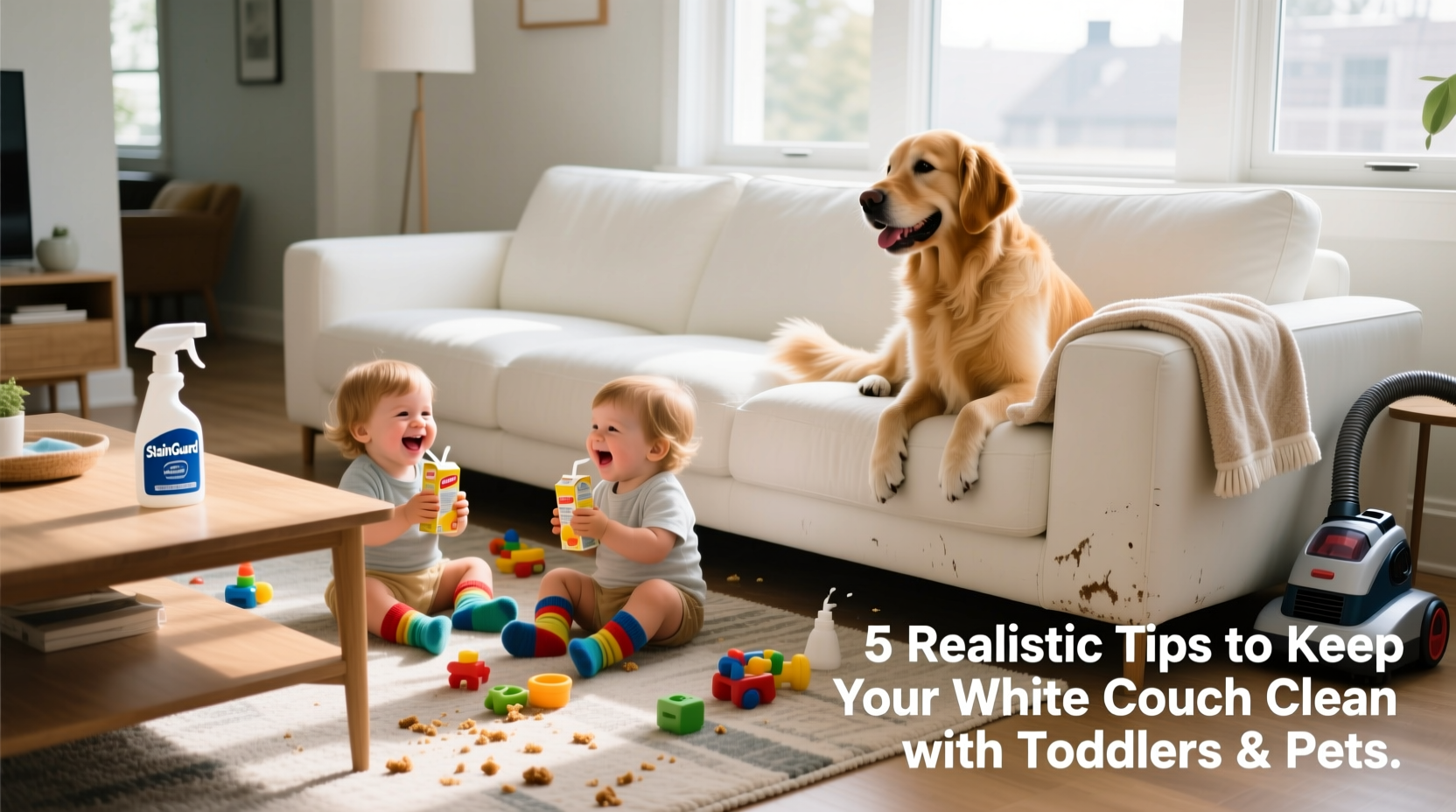
A white couch brings brightness, elegance, and a modern aesthetic to any living space. But when you share your home with toddlers and pets, that pristine fabric can quickly become a magnet for spills, smudges, paw prints, and mystery stains. Many parents and pet owners assume that choosing a white sofa means signing up for constant stress and endless cleaning. The truth is, with the right strategies, materials, and mindset, it’s entirely possible to maintain a clean white couch—even in the messiest of households.
The key isn’t perfection—it’s preparation, consistency, and smart choices. This guide offers realistic, field-tested advice for keeping your white couch looking fresh without sacrificing comfort, functionality, or your sanity.
Choose the Right Fabric from the Start
Not all white couches are created equal. The material makes all the difference when it comes to durability and cleanability. If you're still in the shopping phase—or considering a replacement—prioritize fabrics designed for high-traffic homes.
- Microfiber: Often treated with stain-resistant coatings, microfiber mimics the look of linen but withstands spills and scrubbing far better.
- Solution-dyed acrylic (e.g., Sunbrella): Originally developed for outdoor furniture, this fabric resists fading, moisture, and stains. It's ideal for homes with kids and pets.
- Leather or Faux Leather: Smooth surfaces wipe clean easily. Spills don’t soak in, and muddy paws leave minimal residue. Just avoid unfinished or aniline leathers—they’re too porous.
Do’s and Don’ts When Selecting Couch Fabric
| Do’s | Don’ts |
|---|---|
| Choose tightly woven, textured fabrics to hide minor scuffs | Avoid light velvet or untreated cotton linen—they absorb stains instantly |
| Opt for removable, machine-washable covers | Don’t buy without testing the cleanability—ask for a swatch to spill coffee on |
| Prioritize fabrics with built-in UV protection to prevent yellowing | Ignore care labels—some \"cleanable\" fabrics require professional treatment only |
Set Up Immediate Stain Response Protocols
In homes with toddlers and pets, accidents aren’t a matter of *if*—they’re a matter of *when*. The difference between a temporary blemish and a permanent stain often comes down to response time.
Keep a dedicated cleaning kit near the living area. Include:
- A microfiber cloth (lint-free)
- Bottled water in a spray bottle
- pH-neutral upholstery cleaner (like Bissell Pet Stain Remover or Tide Clean & Go)
- An old towel for blotting
- A soft-bristled brush for textured fabrics
“Speed matters more than strength when treating fresh stains. Blot within 5 minutes, and you’ll remove up to 90% of most spills before they set.” — Dr. Lena Reyes, Textile Care Specialist at HomeWell Institute
Step-by-Step: Responding to Common Spills
- Act fast: As soon as a spill occurs, pause whatever you’re doing and attend to it.
- Blot, don’t rub: Use a clean cloth to gently press down and absorb liquids. Rubbing spreads the spill and pushes it deeper.
- Rinse with water: Lightly mist the area with water and blot again. This dilutes sugars and dyes in drinks or food.
- Apply cleaner: Spray a small amount of approved upholstery cleaner. Follow product instructions for dwell time.
- Final blot: Use a dry towel to press out residual moisture. Allow to air dry—avoid heat sources like hairdryers.
Create Kid- and Pet-Friendly Boundaries
Expecting a toddler or dog to treat a white couch like museum furniture isn’t realistic. Instead of strict bans (which are hard to enforce), create reasonable boundaries that reduce risk while preserving family comfort.
- Designate “no-food zones”: Only allow eating at the dining table. No snacks on the couch.
- Implement a shoe- and paw-cleaning rule: Wipe pet paws after walks. Ask kids to remove shoes before lounging.
- Use washable throws: Drape a dark-colored, machine-friendly blanket over seating areas commonly used by pets or messy eaters.
- Train pets gradually: Use positive reinforcement to teach dogs where they’re allowed to sit. A designated pet bed nearby can redirect behavior.
Mini Case Study: The Miller Family’s White Sofa Survival
The Millers live in a two-bedroom apartment with twin 3-year-olds and a golden retriever named Scout. When they bought their white microfiber sectional, friends warned them it wouldn’t last a month. Two years later, it still looks nearly new.
How? They established three non-negotiable rules: (1) no food or drinks on the couch, (2) Scout must be brushed before coming inside, and (3) weekly 10-minute maintenance sessions where they vacuum crevices and spot-clean any marks. They also use navy blue quilted throws during movie nights. “It’s not about being strict,” says mom Jenna Miller. “It’s about building habits that make cleanup part of the routine, not a crisis.”
Build a Weekly Maintenance Routine
Daily spot-cleaning handles emergencies, but long-term cleanliness depends on consistent upkeep. Think of your couch like a floor—you wouldn’t wait until it’s visibly dirty to sweep it.
Weekly Couch Care Checklist
✅ Weekly Couch Maintenance Checklist:- Vacuum cushions and seams with an upholstery attachment
- Wipe down armrests and backrests with a damp microfiber cloth
- Check for embedded crumbs or pet hair in crevices
- Inspect for early-stage stains (milk rings, crayon marks)
- Rotate seat cushions to ensure even wear
- Refresh fabric with a fabric refresher (like Febreze) if needed
For leather or faux leather, swap the damp cloth for a leather-safe wipe and follow with a conditioner every 4–6 weeks to prevent cracking.
Deep cleaning should happen every 3–6 months, depending on usage. Use a handheld steam cleaner for fabric sofas (test in an inconspicuous area first) or hire a professional service if your model requires it.
Tip: Schedule deep cleans around seasonal changes—spring, summer, fall, winter—as a mental reminder.Manage Expectations and Embrace Imperfection
No amount of vigilance will eliminate every mark. Toddlers grow, pets age, and life happens. A few faint scuffs or slight shading over time don’t mean failure—they mean your couch is being used, loved, and lived on.
Interior designer Marcus Tran, known for his work in family-centered spaces, puts it this way:
“A clean home isn’t one without mess—it’s one where mess is managed gracefully. A white couch in a lively home isn’t fragile; it’s a statement of confidence that beauty and practicality can coexist.” — Marcus Tran, Interior Designer & Author of *Living With Kids*
Instead of aiming for hospital-level sterility, aim for “fresh enough.” If your couch passes the guest test—meaning visitors don’t immediately notice stains or odors—you’re doing great.
Also consider design tricks to minimize perceived flaws:
- Use patterned pillows in darker tones to draw attention away from the base fabric.
- Arrange throws strategically over high-wear areas.
- Ensure good lighting—well-lit rooms make minor flaws less noticeable.
Frequently Asked Questions
Can I really have a white couch with a dog that sheds?
Yes—but choose the right fabric. Opt for textured microfiber or performance-grade fabric in off-white or cream, which hides fur better than bright white. Vacuum the couch 2–3 times per week and use a lint roller before guests arrive.
What if my toddler draws on the couch with markers?
Water-based markers (like Crayola) can often be removed with a mix of dish soap and warm water. For permanent marker, try isopropyl alcohol on a cotton ball—test first in a hidden area. On leather, use a specialized cleaner. Prevention works best: store markers out of reach and provide alternative drawing spaces like easels.
How do I prevent my white couch from turning yellow over time?
Yellowing usually comes from sunlight exposure, body oils, or improper cleaning. Rotate cushions regularly, keep the couch out of direct sun, and avoid ammonia-based cleaners. For fabric couches, occasional gentle steam cleaning helps remove oil buildup. For leather, use conditioners to prevent oxidation.
Conclusion: Make Your White Couch Work for Real Life
Keeping a white couch clean with toddlers and pets isn’t about eliminating mess—it’s about managing it wisely. The right fabric, quick response habits, simple routines, and a dash of realism make all the difference. You don’t have to sacrifice style for practicality or give up your dream living room just because life gets messy.
Start small: pick one tip from this guide—maybe setting up a cleaning caddy or instituting a no-food rule—and build from there. Over time, these actions become second nature. A clean, inviting white couch isn’t a fantasy for childless, pet-free homes. It’s achievable in real homes, with real families, who simply care a little more consistently.
💬 Have a white couch survival story or favorite cleaning hack? Share your experience in the comments—your tip might help another parent or pet owner keep their space fresh and functional!








