Blind tasting nights spark curiosity, deepen appreciation, and turn casual gatherings into memorable experiences—but they carry an unspoken pressure: the fear of appearing disorganized, underinformed, or out of your depth. Guests notice when glasses aren’t rinsed between pours, when flight order lacks logic, or when you fumble through basic descriptors. The truth? Looking prepared has little to do with expertise and everything to do with intentional structure. A well-hosted blind tasting isn’t about knowing every appellation or aging regimen; it’s about creating conditions where observation, discussion, and discovery can thrive—and where you, as the host, remain calm, engaged, and quietly in control.
1. Start with Purpose—Not Just Pours
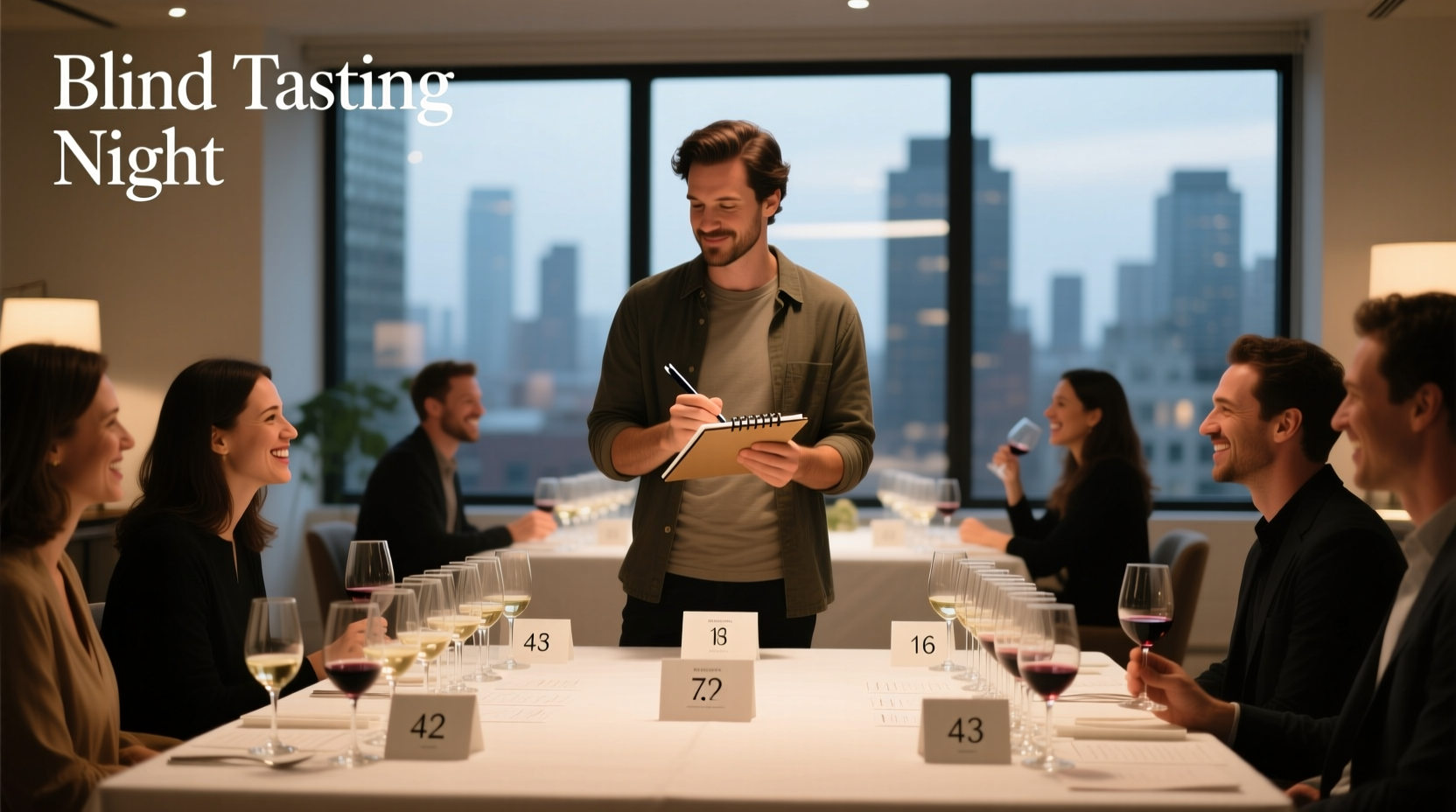
Before selecting bottles or printing scorecards, define *why* you’re hosting this night. Is it to explore regional expression in Pinot Noir? To compare New World vs. Old World Chardonnay styles? To demystify single-origin coffees for friends who think “dark roast” is the only option? Clarity of purpose shapes every subsequent decision—from budget to format to group size. A 12-person wine tasting with six flights demands different logistics than a 6-person spirit session focused on barrel influence. Choose one tight theme: e.g., “California Zinfandels from three distinct AVAs,” “Japanese whiskies aged in mizunara vs. ex-bourbon casks,” or “Ethiopian coffees processed via washed, natural, and honey methods.” Narrow scope prevents overwhelm—for you and your guests.
Tip: Write your theme on a small whiteboard or notecard and place it where guests can see it early. This sets expectations and subtly anchors conversation.2. The 72-Hour Prep Timeline (No Exceptions)
Spontaneity has no place in blind tasting logistics. Precision in timing ensures consistency and reduces stress. Follow this non-negotiable sequence:
- 72 hours before: Finalize your lineup, purchase all items, and confirm glassware/utensils. Label each bottle with a neutral code (e.g., “A,” “B,” “C”) using masking tape and permanent marker—*never* use names, vintages, or origins. Store bottles at appropriate serving temperatures (e.g., whites and rosés chilled, reds slightly below room temp).
- 24 hours before: Prepare tasting sheets (one per guest) with space for appearance, aroma, palate, and guess. Include a simple descriptor glossary (e.g., “‘Petrol’ = kerosene-like note common in aged Riesling”; “‘Green bell pepper’ = pyrazine compound in underripe Cabernet”). Print two copies: one for guests, one for your reference.
- 12 hours before: Set up your station: arrange glasses in flight order (left to right, lightest to boldest), place spit buckets (non-negotiable for more than three pours), fill water pitchers and provide plain crackers or unsalted almonds. Pre-chill glasses if serving chilled beverages.
- 1 hour before: Pour first flight into glasses. Cover each with inverted saucers or small plates to preserve aromas. Keep subsequent flights covered and chilled/warmed as needed.
- 15 minutes before: Brief guests: explain the blind format, emphasize that guesses are optional and inconsequential, and invite open, non-judgmental description (“What does this remind you of?” beats “Is this good?”).
This timeline eliminates decision fatigue during the event. You’re not thinking about temperature—you’re guiding conversation. You’re not scrambling for pens—you’ve already placed them beside scorecards.
3. The Setup That Projects Calm Authority
Your physical setup communicates competence before you utter a word. Avoid cluttered countertops or mismatched stemware. Use identical glasses for each flight—even if serving wine, spirits, and coffee, standardize vessel shape within categories (e.g., ISO wine glasses for all wines, Glencairn glasses for spirits, ceramic cups for coffee). Group items by function: tasting zone (glasses + spit buckets), reference zone (scorecards, pencils, water), and reveal zone (a separate table or tray where labeled bottles sit, covered until the end).
| Element | Do | Avoid |
|---|---|---|
| Glassware | Same size, shape, and cleanliness for each flight; rinse thoroughly with hot water (no soap residue) between pours | Mixing stemmed and stemless, using cloudy or smudged glasses |
| Tasting Order | Lightest → boldest, driest → sweetest, low-ABV → high-ABV, younger → older (for age comparisons) | Serving tannic red before delicate white, or sweet dessert wine before dry sparkling |
| Palate Cleansers | Plain water (room temp), unsalted crackers, green apple slices (neutral acidity) | Bread with salt/butter, citrus wedges, mint gum |
| Reveal Protocol | Uncover bottles one at a time after all guests finish notes; read origin, varietal, vintage, and key context (e.g., “fermented in concrete eggs, unfined/unfiltered”) | Announcing winners, ranking “best,” or dismissing incorrect guesses |
When guests see uniform glasses, labeled flights, and a quiet, intentional flow, they relax into the experience—not your competence.
4. Facilitating Discussion Without Faking Expertise
You don’t need encyclopedic knowledge to guide great conversation. What you *do* need is a toolkit of neutral, open-ended prompts that shift focus from “right answers” to shared perception. Instead of asking, “What grape is this?” try: “Where did your mind go when you smelled this—forest floor? Baking spice? Sun-warmed stone?” Or: “Which of these two feels more ‘structured’ on the palate? What gives you that impression—acidity, tannin, alcohol warmth?”
When guests misidentify something, respond with curiosity, not correction: “Interesting—you got ‘blackberry jam,’ while others noted ‘red currant.’ What part of the flavor profile led you there?” This validates their sensory input and invites deeper analysis. Keep a small notebook to jot down recurring observations (“3 people mentioned ‘wet slate,’” “Everyone agreed on high acidity”). Share those patterns aloud—it builds collective insight and shows you’re listening, not lecturing.
“Blind tasting isn’t about proving what you know. It’s about training what you notice. The most confident hosts are those who treat every guess as data—not a test.” — Dr. Laura Bennett, Sensory Scientist & Director of the UC Davis Coffee Center
5. Real-World Example: Maya’s Midweek Malbec Night
Maya, a graphic designer with no formal wine training, hosted a blind Malbec tasting for six friends. She’d noticed how often “Argentine Malbec” was used as shorthand for “jammy, purple, easy-drinking red”—but she’d recently tried a floral, high-acid Malbec from Cahors, France, and wanted to explore the contrast. She sourced four bottles: Mendoza (2021), Valle de Uco (2022), Cahors (2020), and a Washington State Malbec (2021). All were $18–$28, purchased two weeks prior.
She followed the 72-hour timeline: coded bottles A–D, pre-chilled glasses, printed scorecards with a glossary including “‘Violet’ = aromatic compound common in cool-climate Malbec,” and set up her dining table with four identical glasses, labeled “Flight 1,” and a discreet tray for covered bottles. During the tasting, she asked, “Which feels most ‘juicy’ versus ‘drying’?” and “Where did you sense the most ‘earth’—in the nose or the finish?” When one guest confidently declared, “This has to be French—it’s so lean!” and another guessed “Washington because it’s so bold,” Maya simply said, “Let’s compare notes on acidity and tannin texture before we reveal.” No one felt wrong. Everyone leaned in. After revealing, she shared one fact per bottle: “The Cahors spent 18 months in old oak—no new wood, so no vanilla.” That was enough context. Her guests left talking about texture and terroir—not Maya’s credentials.
6. Essential Hosting Checklist
- ✅ Bottles selected, coded, and stored at correct temperatures
- ✅ Identical, spotless glasses for each flight (minimum 2 per person per flight)
- ✅ Tasting sheets printed (with descriptor glossary) and pencils provided
- ✅ Spit buckets placed within easy reach (label “SPIT ONLY”)
- ✅ Palate cleansers ready: still water, plain crackers, green apple slices
- ✅ Reveal zone set up—bottles covered, labels facing down
- ✅ Brief intro script drafted (3 sentences max: theme, rules, invitation to describe)
- ✅ One “anchor fact” per bottle researched (e.g., “aged in amphorae,” “single-estate, hand-harvested”)
7. FAQ: Anticipating Real Concerns
What if someone insists on knowing the answers immediately?
Politely but firmly hold the reveal until the full flight is complete: “I promise the context will make even more sense once we’ve all tasted everything—plus, it’s fun to compare our notes first!” If pressed, offer one neutral fact (“It’s from the Southern Hemisphere”) but defer full details. Your consistency reinforces the integrity of the experience.
How many pours are too many?
Four to six pours is ideal for focus and sobriety. Beyond six, fatigue dulls perception and increases risk of palate confusion. For spirits or high-ABV beverages, cap at four. Always provide ample water and encourage spitting—even if guests choose to swallow, having the option maintains objectivity.
Can I host a blind tasting with non-alcoholic options?
Absolutely—and it’s highly recommended for inclusivity. Try blind-tasting craft sodas (ginger beer vs. birch beer), cold brews (light vs. dark roast), or artisanal vinegars (sherry vs. apple cider). The same principles apply: control variables, standardize vessels, prioritize descriptive language over identification. One host replaced wine with five premium olive oils—guests described fruitiness, bitterness, and pungency before revealing origins from Tunisia, Spain, Greece, California, and Australia.
Conclusion
Hosting a blind tasting night isn’t about performing expertise—it’s about curating attention. Every covered bottle, every identical glass, every well-placed cracker is a quiet signal that you value presence over pretense. Preparation isn’t about memorizing facts; it’s about removing friction so your guests can fully inhabit their senses. When you follow a clear timeline, design an intentional setup, and facilitate with open curiosity, you don’t just avoid looking unprepared—you create space for genuine connection, surprising discoveries, and the kind of evening people remember not for what was poured, but for how deeply they paid attention.
💬 Ready to host your first (or next) blind tasting? Pick one theme, commit to the 72-hour timeline, and trust that thoughtful structure always outshines superficial polish. Share your tasting theme or biggest takeaway in the comments—we’ll feature the most inventive ideas next month!








