Blind tasting isn’t just for sommeliers or professional distillers—it’s one of the most engaging, revealing, and surprisingly social ways to deepen appreciation for craft spirits. When you remove labels, branding, and preconceptions, what remains is pure sensory experience: aroma, texture, balance, and finish. Hosting such an event with local spirits adds another meaningful layer—supporting regional producers, discovering terroir-driven expressions, and sparking conversations about grain sources, water profiles, aging conditions, and even the stories behind each bottle. This isn’t about declaring a “winner.” It’s about listening—to your palate, your friends’ reactions, and the quiet craftsmanship embedded in every pour.
Why Local Spirits Make the Best Blind Tasting Candidates
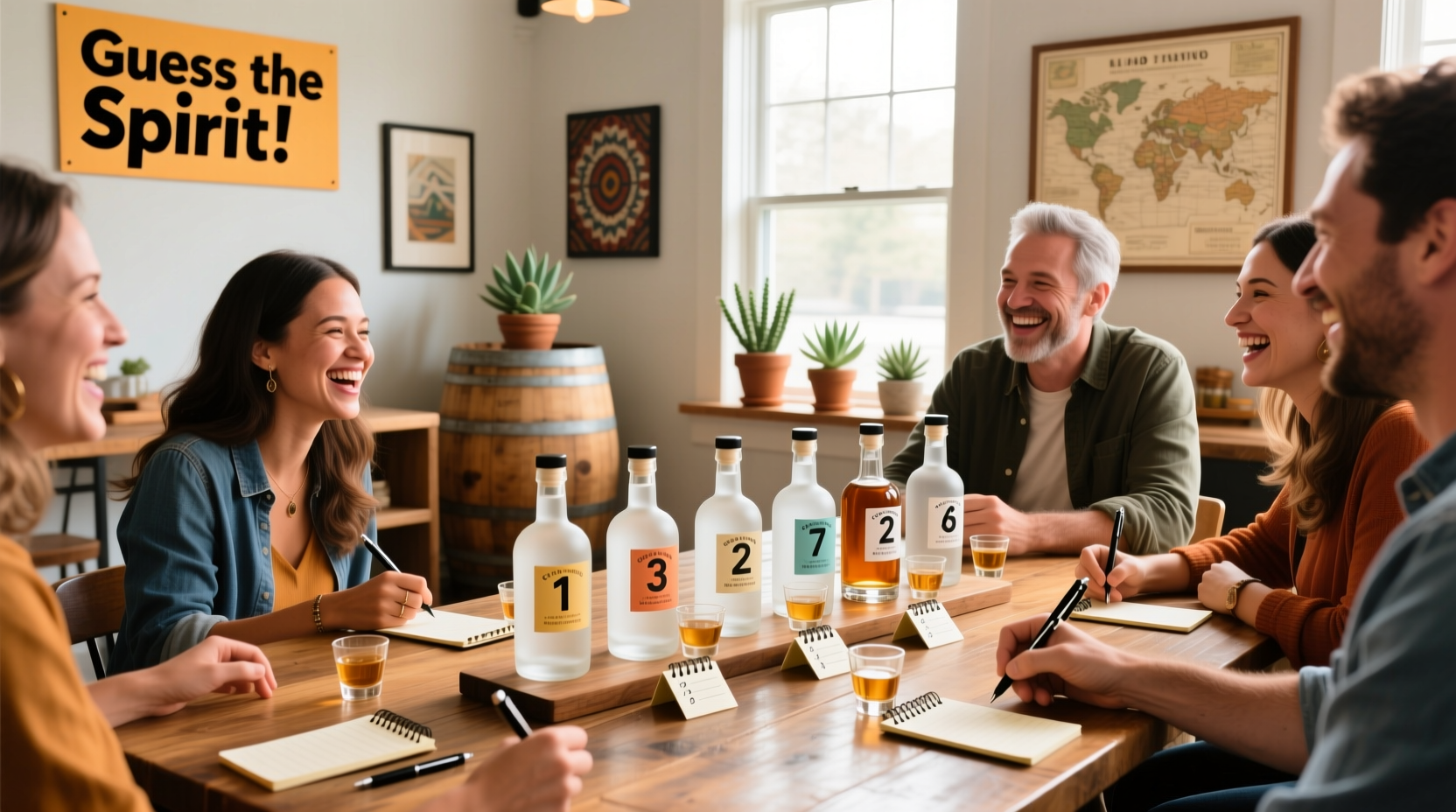
Local spirits offer distinct advantages over national or imported brands when designing a thoughtful blind tasting. First, they’re often less familiar—even among enthusiasts—so expectations are naturally lower and curiosity higher. Second, many craft distilleries operate at small scale, meaning their releases reflect seasonal variations, experimental barrel finishes, or hyperlocal ingredients (e.g., heirloom corn from a 12-mile radius, wild-foraged botanicals, or spring water drawn from a single limestone aquifer). Third, proximity enables transparency: you can visit the distillery, meet the distiller, or even verify production methods firsthand—information that enriches post-tasting discussion without compromising the blind element.
As Sarah Chen, co-founder of the Midwest Craft Distillers Guild, observes:
“Blind tasting local spirits levels the playing field—not just between brands, but between perception and reality. We’ve seen guests consistently misidentify a rye as bourbon, or assume a light, floral gin was imported—only to learn it was distilled three towns over using native juniper and honey locust blossoms. That moment of surprise is where real education begins.” — Sarah Chen, Midwest Craft Distillers Guild
This authenticity transforms your gathering from casual drinking into a grounded, place-based exploration—one that celebrates regional identity while sharpening collective tasting literacy.
Step-by-Step: Planning & Executing Your Blind Tasting Party
Successful blind tastings rely on structure—not rigidity. Follow this timeline to ensure clarity, fairness, and fun:
- 3–4 weeks ahead: Select 4–6 local spirits across 2–3 categories (e.g., two bourbons, one rye, one wheat whiskey, one aged rum, one apple brandy). Prioritize diversity in age (2–5 years), mash bill, and finishing (virgin oak vs. wine cask).
- 2 weeks ahead: Purchase bottles *unopened*. Label each with a neutral code (A–F) using masking tape and permanent marker—no names, logos, or color cues. Store upright in a cool, dark cabinet.
- 1 week ahead: Design simple scorecards (see table below) and confirm guest count. Ask attendees to avoid strong scents (perfume, coffee breath, toothpaste) for 30 minutes before arrival.
- Day of: Chill water, prepare plain crackers or unsalted almonds, set up spittoons (optional but recommended), and arrange glasses in alphabetical order on a neutral surface. Pour 0.5 oz per spirit into identical Glencairn or tulip-shaped glasses—cover each with a small inverted ceramic bowl or folded napkin until tasting begins.
- During the event: Reveal codes only after all notes are written. Facilitate open discussion—but defer identification until the final reveal. Serve food between categories, not during active tasting.
Essential Tools & Setup Checklist
You don’t need lab-grade equipment—but consistency and neutrality matter. Here’s what to gather:
- Identical nosing glasses (Glencairn preferred; avoid stemware with wide bowls)
- Distilled or filtered water (tap chlorine masks subtle esters)
- Plain, unsalted crackers (water crackers or plain rice cakes—no herbs or seeds)
- Spittoons or small ceramic cups labeled “spit” and “swirl only”
- Neutral-coded labels (A–F) applied *before* opening any bottle
- Printed scorecards (one per guest)
- Small notebook or tablet for anonymous note-taking
- Timer (for controlled nosing intervals—90 seconds per spirit)
Tasting Framework: What to Evaluate (and How to Score It)
A structured approach prevents subjective drift. Use this five-category rubric—scored 1–5 per category (5 = exceptional, 1 = flawed)—to anchor impressions:
| Category | What to Assess | Scoring Guidance |
|---|---|---|
| Nose | Initial aromas upon first nosing (no swirling); then depth after gentle swirl | 5 = layered, inviting, no off-notes (e.g., wet cardboard, sulfur, vinegar); 3 = pleasant but simple; 1 = harsh alcohol burn or mustiness |
| Palate | Flavor intensity, texture (oiliness, heat, viscosity), and mid-palate development | 5 = balanced sweetness/heat, full mouthfeel, no disjointed elements; 3 = recognizable but thin or overly hot; 1 = aggressively alcoholic or watery |
| Balance | Harmony between spirit character, oak influence, and any added notes (e.g., fruit, spice, smoke) | 5 = no single element dominates; 3 = one feature overshadows others (e.g., oak dries out finish); 1 = jarringly unbalanced |
| Finish | Length (seconds), evolution (does flavor change?), and cleanliness (no bitterness or astringency) | 5 = lingering, pleasant, evolving (e.g., spice → vanilla → citrus); 3 = medium length, neutral; 1 = abrupt, bitter, or medicinal |
| Overall Impression | Memorability, drinkability, and emotional response (e.g., “makes me want another sip”) | 5 = distinctive, compelling, and cohesive; 3 = competent but forgettable; 1 = actively unpleasant or confusing |
Encourage guests to write brief descriptors—not just scores. Phrases like “baked pear and clove,” “charred oak with green apple skin,” or “leather and burnt sugar” build shared vocabulary faster than numbers alone.
Real-World Example: The Cedar Hollow Tasting Circle
In late October 2023, six friends in Asheville, NC hosted a blind tasting featuring spirits from three nearby distilleries: Chemist Distillery (rye aged in French oak), Troy & Sons (apple brandy finished in ex-sherry casks), and Old Mill Distillery (wheated bourbon matured in second-fill barrels). They followed the step-by-step plan above—but added one twist: each guest brought one non-alcoholic local product (e.g., honey from a nearby apiary, roasted chestnuts from a family orchard) to pair with a spirit of their choice.
The result? A revelation. Two guests confidently declared Spirit B was “definitely a young bourbon”—only to learn it was Chemist’s 3-year rye, its soft spice and caramel notes mistaken for wheated bourbon’s gentler profile. More impactfully, when paired with raw sourwood honey, Troy & Sons’ sherry-finished apple brandy transformed: the honey muted tannins and amplified dried fig notes, turning skepticism into consensus favorite. Post-reveal, they emailed the distillers their notes—and received personalized replies, including an invitation to a barrel selection event. What began as a game became a sustained connection to their region’s craft ecosystem.
Do’s and Don’ts of Blind Spirit Tasting
Even experienced hosts stumble on nuance. These distinctions separate enjoyable gatherings from genuinely insightful ones:
| Do | Don’t |
|---|---|
| Limit sessions to 4–6 spirits max—palate fatigue sets in after 7 | Include spirits with vastly different ABVs (e.g., 40% gin + 65% cask-strength whiskey) in the same flight |
| Offer water sips *between* spirits—not during nosing or sipping | Allow guests to rinse glasses with water between pours (residual water dilutes and alters aroma) |
| Use room-temperature water for rinsing glasses *before* the event | Let guests handle uncorked bottles—finger warmth changes volatile compounds |
| Reveal distillery names *after* group discussion—not before | Let one person dominate the conversation; assign a rotating “note-taker” to summarize each round |
| Provide context *after* tasting: mash bill, age, barrel type, proof | Share distillery names or price points before tasting—they prime bias |
FAQ: Practical Questions Answered
How do I find local spirits if I don’t know distilleries near me?
Start with state craft distillers’ association websites (e.g., California Artisan Distillers Guild, Texas Distillers Association)—they list members by county and often include tasting room hours. Google Maps search terms like “distillery near me” + “tasting room” yield verified locations. Visit local independent liquor stores and ask staff: “Which locally distilled spirits sell well *and* have interesting stories?” Their frontline insight is often more current than online databases.
Can I include flavored or infused spirits in a blind tasting?
Yes—but isolate them in their own flight. Flavored spirits (e.g., lavender gin, chili-infused tequila) engage different neural pathways than base spirits and can overwhelm neutral palates. If included, limit to one per category and note the infusion method (maceration vs. distillation) post-reveal to discuss technique impact.
What if someone has a low tolerance or doesn’t drink alcohol?
Offer a parallel “non-alcoholic distillate flight”: house-made shrubs (vinegar-based fruit infusions), cold-brewed herbal tinctures (rosemary-mint, ginger-citrus), or distilled botanical waters (cucumber-lavender, fennel-anise). Use the same tasting framework—nose, palate, balance, finish—and encourage comparative notes. Inclusion isn’t accommodation; it’s expanding the sensory conversation.
Conclusion: Taste Deeper, Connect Closer
A blind taste test party with local spirits is more than entertainment—it’s an act of attention. You’re asking your friends to slow down, to notice how humidity in a rickhouse shapes vanilla notes, how local limestone filters water that softens rye’s bite, or how a distiller’s decision to bottle at cask strength reveals texture otherwise lost. There’s humility in being wrong about a spirit’s origin, joy in recognizing a shared memory triggered by a scent (smoked applewood, fresh-cut hay, rain on hot pavement), and quiet pride in supporting makers who invest in soil, seed, and community.
You don’t need rare bottles or expert training to begin. Start with three bourbons from distilleries within 50 miles. Pour them blind. Listen closely. Write honestly. Then—after the reveal—call the distiller. Ask how long that barrel sat in the top floor of the warehouse. Ask what grain variety grew in that field last fall. Let curiosity lead you deeper into the place you call home.
💬 Your turn. Host your first local blind tasting this month—and share your most surprising discovery in the comments. Which spirit defied expectations? Which distillery earned a repeat visit? Let’s map the taste of place—together.