Grease stains on matte painted walls are a common household issue, especially in kitchens and near doorways where hands frequently touch the surface. Unlike glossy finishes that resist grime, matte paint is porous and delicate, making stain removal tricky. The biggest challenge? Avoiding shiny spots after cleaning—those frustrating patches where the finish has been compromised, leaving an uneven, reflective surface. The good news is that with the right tools, techniques, and a bit of patience, you can eliminate grease without damaging the wall’s appearance.
This guide walks through safe, effective methods backed by interior painting professionals and home maintenance experts. Whether it’s splattered cooking oil, fingerprints, or crayon mixed with grease, you’ll learn how to restore your matte walls to their original condition—without altering the finish.
Why Matte Paint Is Sensitive to Cleaning
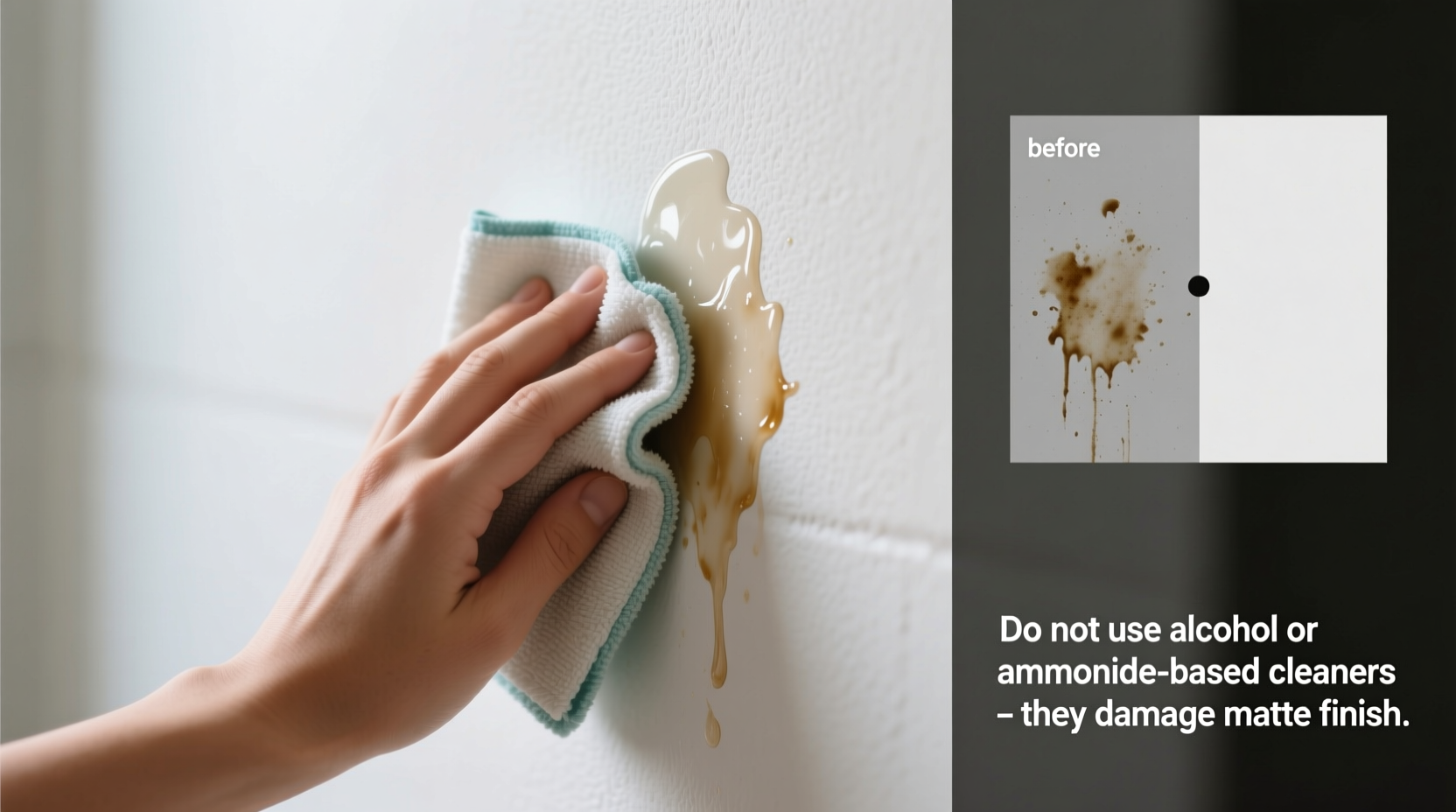
Matte (or flat) paint is prized for its velvety, non-reflective finish that hides imperfections well. However, this same quality makes it more absorbent and less durable than satin or semi-gloss paints. Because matte finishes lack a protective sheen, they’re vulnerable to abrasion and moisture damage during cleaning.
When grease penetrates the surface, it bonds with the paint’s pigments and binders. Harsh scrubbing or strong solvents can strip away the top layer, exposing the underlying primer or sheetrock. This results in a shiny spot—not because the area is oily, but because the matte texture has been physically removed.
“Many homeowners make the mistake of treating matte walls like tile or cabinets. But paint is a film, not a hard surface. Aggressive cleaning breaks down that film.” — Daniel Ruiz, Master Painter & Restoration SpecialistTip: Always test any cleaning solution on a small, inconspicuous area first—like behind a door or near the baseboard—to ensure it doesn’t alter the finish.
Step-by-Step Guide to Removing Grease Safely
Cleaning grease from matte walls requires a gentle, methodical approach. Follow these steps to avoid damage and preserve the uniform appearance of your paint.
- Assess the Stain: Determine whether the grease is fresh or old. Fresh stains are easier to remove. Older, set-in grease may require multiple treatments.
- Gather Supplies: You’ll need soft microfiber cloths, mild dish soap, warm water, baking soda, white vinegar, a sponge (non-abrasive), and optionally, a magic eraser (used with caution).
- Dust the Area: Use a dry microfiber cloth to remove surface dust. Dust particles can turn into mud when wet, spreading the stain further.
- Mix a Gentle Cleaning Solution: Combine a few drops of dish soap with warm water. Avoid detergents with degreasers or bleach, which can strip paint.
- Blot, Don’t Scrub: Dip a corner of the cloth into the solution, wring it until nearly dry, and gently blot the stain. Apply light pressure in circular motions. Never rub aggressively.
- Rinse Lightly: Dampen a clean cloth with plain water and lightly go over the area to remove soap residue. Excess moisture can cause bubbling or peeling.
- Dry Immediately: Use a dry microfiber towel to pat the area completely dry. Letting water sit increases the risk of paint damage.
- Reassess and Repeat if Needed: If the stain remains, try a paste of baking soda and water. Apply sparingly, let sit for 2–3 minutes, then wipe gently.
When to Use Baking Soda Paste
Baking soda acts as a mild abrasive without scratching. It lifts grease chemically rather than mechanically. Mix two parts baking soda with one part water to form a thick paste. Apply with a soft cloth using minimal pressure. This method works best for stubborn stains but should never be used daily—it’s still mildly abrasive.
Avoid Magic Erasers Unless Necessary
Melamine foam (magic erasers) can lift stains effectively, but they work by micro-sanding the surface. On matte walls, this often removes the finish, leaving a shiny patch. If you must use one, dampen it slightly, use the lightest possible touch, and only on isolated spots. Always follow up with a test patch.
Tip: For high-touch areas like hallways or children’s rooms, consider switching to eggshell or satin paint on your next repaint—it offers better durability while still looking soft.Do’s and Don’ts: A Quick Reference Table
| Do’s | Don’ts |
|---|---|
| Use a microfiber cloth with minimal moisture | Soak the wall with water or cleaner |
| Test solutions on a hidden area first | Use bleach, ammonia, or all-purpose cleaners |
| Blot stains gently in circular motions | Scrub back and forth aggressively |
| Use baking soda paste for tough grease | Apply vinegar full-strength (can etch paint) |
| Dry the area immediately after cleaning | Leave soapy residue on the wall |
Real Example: Kitchen Wall Rescue
Sarah, a homeowner in Portland, noticed dark smudges forming around the edges of her kitchen backsplash—grease buildup from years of sautéing without a range hood. The walls were painted with a premium matte finish, and previous attempts with Windex had already created two shiny patches near the stove.
She followed a cautious approach: First, she vacuumed the area with a brush attachment to remove loose particles. Then, she mixed a solution of one drop of Dawn dish soap in a cup of warm water. Using a folded microfiber cloth, she blotted each stained section for 15 seconds at a time, rinsing and rewringing the cloth between passes. After three rounds, most of the grease lifted. For remaining marks, she applied a pea-sized amount of baking soda paste, left it for 90 seconds, then wiped gently with a damp cloth.
The result? Clean walls with no new shine. Sarah now uses a monthly maintenance routine: a quick dusting followed by a barely-damp microfiber wipe-down of high-risk zones.
Alternative Methods and Their Risks
While many DIY solutions circulate online, not all are safe for matte paint. Here’s an evaluation of common alternatives:
- Vinegar-Water Mix (1:1): Mildly acidic and cuts grease well, but prolonged exposure can degrade binders in latex paint. Use only diluted and rinse thoroughly.
- Isopropyl Alcohol (70%): Effective on oily residues but evaporates quickly and can discolor some paints. Not recommended unless spot-tested and used sparingly.
- Commercial Degreasers: Typically too harsh for walls. Products like Simple Green or Krud Kutter may remove grease but often leave a sheen or require rinsing that risks water damage.
- Citrus-Based Cleaners: Natural and pleasant-smelling, but citrus oils can act as solvents over time. Best avoided on large areas.
The safest path is always the mildest option that works. Start with soapy water, progress to baking soda, and avoid anything labeled “industrial” or “heavy-duty” unless dealing with extreme contamination (e.g., post-renovation tar splatter).
Preventing Future Grease Buildup
Once your walls are clean, protect them from repeat offenses. Prevention reduces the need for aggressive cleaning and extends the life of your paint job.
“Most wall stains aren’t accidents—they’re patterns. Identify the source, and you’ll solve the problem at its root.” — Lena Patel, Interior Maintenance Consultant
Strategic Prevention Tips
- Install a Range Hood: Even a basic model captures airborne grease before it settles on walls.
- Use Peel-and-Stick Backsplash Panels: These cover high-risk zones and are easily replaced or cleaned.
- Apply Painter’s Tape During Cooking Projects: For deep-frying or pan-searing, temporarily shield adjacent walls.
- Wipe Walls Monthly: A quick pass with a dry microfiber cloth prevents buildup.
- Educate Household Members: Teach kids and guests to wash hands before touching walls and to use designated switch plates instead of sliding palms along surfaces.
FAQ: Common Questions About Grease Removal
Can I repaint just the stained area to fix shiny spots?
Touch-ups on matte walls are notoriously difficult due to sheen mismatches and color variance. Paint ages and fades, so even matching the exact shade may not blend seamlessly. Instead, clean carefully to prevent damage. If a shiny spot exists, consider repainting the entire wall or using a decorative element (art, shelf, or molding) to distract the eye.
Will steam cleaning remove grease without damaging matte paint?
No. Steam cleaners deliver high heat and moisture, both of which can blister or bubble matte paint. The force of the steam may also loosen the paint film. This method is best reserved for tile, grout, or heavily sealed surfaces—not drywall.
How do I know if the grease has damaged the paint?
If the stain persists after proper cleaning and the area feels rough or chalky, the paint may be compromised. In such cases, spot-priming with a stain-blocking primer (like BIN Shellac-Based) followed by a touch of matching matte paint might be necessary—but only after the wall is fully dry and clean.
Final Checklist for Safe Grease Removal
- Inspect the stain and surrounding area
- Gather supplies: microfiber cloths, dish soap, baking soda, water, soft sponge
- Dust the wall surface thoroughly
- Test cleaning solution on a hidden spot
- Apply soapy water with a barely-damp cloth, blotting gently
- Rinse with a water-dampened cloth and dry immediately
- For stubborn stains, apply baking soda paste briefly and wipe gently
- Never use abrasive tools or harsh chemicals
- Monitor the area for changes in sheen or texture
- Implement preventive measures to reduce future buildup
Conclusion: Preserve Your Walls with Smart Care
Removing grease from matte painted walls doesn’t require magic—just mindfulness. The key is respecting the delicate nature of the finish while using simple, controlled methods. By avoiding aggressive tools and prioritizing gentle, consistent care, you can maintain clean, uniform walls that look intentional and well-kept.
Start today: inspect your kitchen or hallway walls, gather a microfiber cloth and some dish soap, and treat any greasy marks with the precision they deserve. Your walls will thank you with years of quiet elegance—and zero unwanted shine.
💬 Have a grease stain success story or a trick that worked for you? Share your experience in the comments and help others keep their matte walls looking flawless!








