Anime figures are more than collectibles—they're art. Whether you've spent years curating a collection or recently started investing in high-end statues, preserving their condition is essential. One of the most persistent threats? Dust. Over time, even fine particles can dull paint finishes, obscure intricate details, and create an unappealing haze on glossy surfaces. The solution isn’t hiding your figures away—it’s displaying them smartly. With the right cabinets, placement, and maintenance routine, you can showcase your collection proudly while keeping dust at bay.
Why Dust Is a Serious Threat to Anime Figures
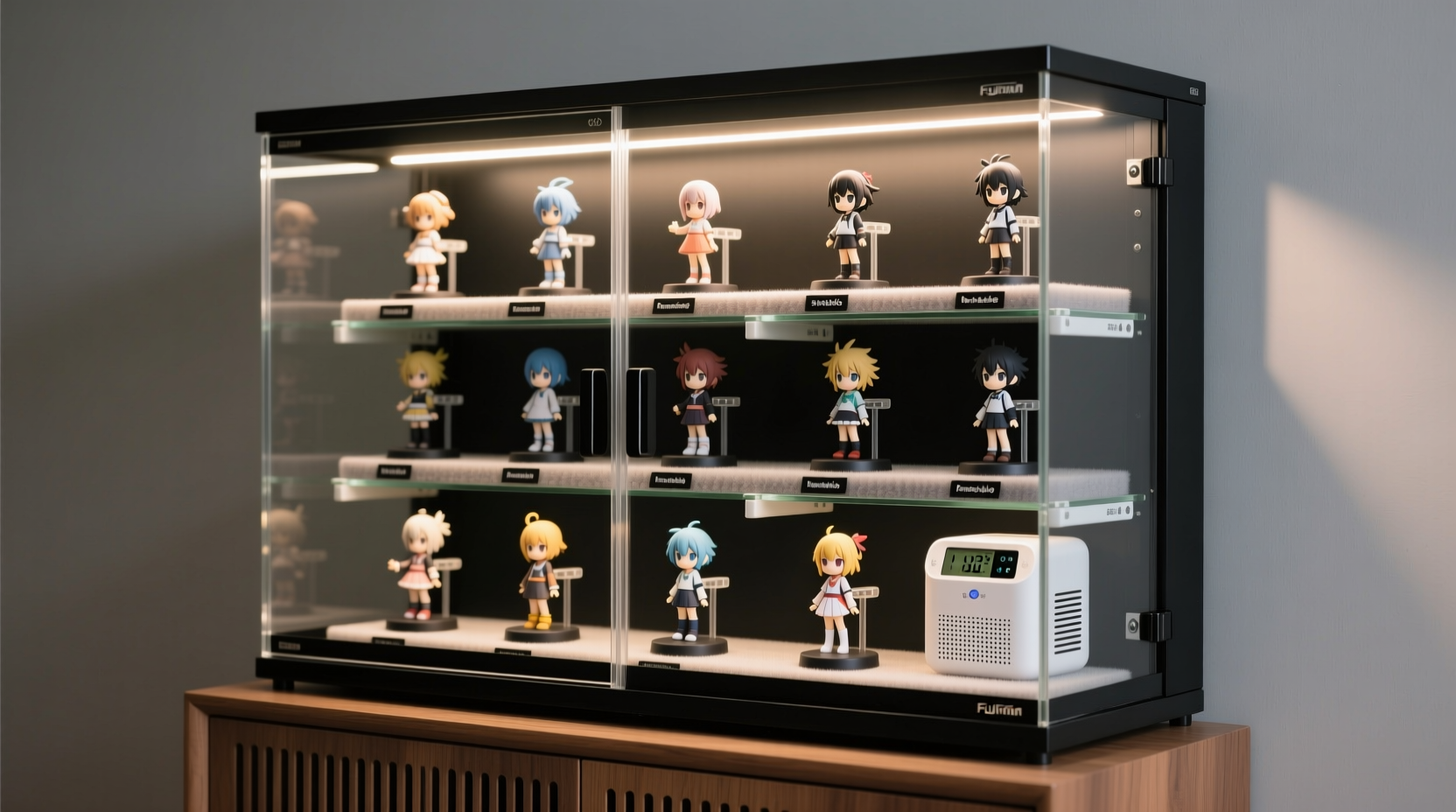
Dust might seem harmless, but its impact on collectible figures accumulates quickly. It's composed of skin cells, fabric fibers, pollen, and microscopic debris that settle on every surface. On anime figures, especially those with detailed sculpts and delicate paintwork, dust:
- Obscures fine facial features and costume textures
- Attracts moisture, increasing the risk of mold or mildew in humid environments
- Can scratch surfaces when improperly cleaned (e.g., wiping with dry cloths)
- Reduces visual appeal and perceived value over time
Unlike general household clutter, anime figures often occupy prominent spaces—shelves, desks, entertainment centers—making them prime targets for airborne particles. Open displays may look dramatic, but they demand constant upkeep. A strategic approach using enclosed storage solutions offers both visibility and protection.
Tip: Even in closed cabinets, dust settles slowly over months. Use anti-static cloths during cleaning to reduce future accumulation.Best Cabinet Options for Dust-Free Figure Display
The ideal display cabinet balances aesthetics, accessibility, and protection. Not all cabinets are created equal—some prioritize security, others visibility. For anime collectors, the goal is to find a middle ground where figures remain visible yet shielded from environmental hazards.
1. Glass Display Cabinets with Tight Seals
Tempered glass cabinets offer excellent visibility and moderate dust resistance. Look for models with magnetic or compression seals around doors. These minimize airflow and prevent dust infiltration. Full-glass sides enhance the “floating” effect, making figures appear as if they’re suspended in space.
Top picks include:
- Kallax with Glass Doors (IKEA): Affordable and modular; pair with custom-cut acrylic sheets for added sealing.
- Vitrocraft Collector Cases: Precision-engineered with UV-protected glass and tight door closures.
- Rennsteig Glass Cabinets: German-made, heavy-duty, with silicone gaskets for near-airtight performance.
2. Acrylic Display Cases (Individual or Modular)
Acrylic cases are lightweight, shatter-resistant, and ideal for protecting individual premium figures (e.g., Nendoroids, Meikos, or scale figures). They come in dome, cube, or open-top designs. While not fully sealed, many feature snap-on lids that significantly reduce dust exposure.
Advantages:
- Low cost per unit
- Easy to stack or arrange creatively
- Can be customized with LED lighting inside
Limitation: Lower-grade acrylic can develop static, attracting dust. Choose anti-static coated versions when possible.
3. Climate-Controlled Display Units
For serious collectors in humid or polluted environments, climate-controlled cabinets go beyond dust protection. These units integrate desiccants, HEPA filters, or active air-purifying systems to maintain clean internal conditions.
Features to look for:
- Internal humidity sensors (ideal range: 40–50%)
- Replaceable carbon filters
- UV-filtered glass to prevent color fading
- Locking mechanisms for high-value pieces
Brands like Glasslock Pro and DisplayDeva offer museum-grade enclosures suitable for limited-edition figures worth hundreds or thousands of dollars.
4. Wall-Mounted Shadow Boxes with Glass Fronts
Perfect for smaller collections or thematic groupings, shadow boxes provide depth and drama. When fitted with flush-sealing glass fronts, they act as mini-environments. Mount them away from vents or windows to reduce particle circulation.
“Dust doesn’t just land—it circulates. The fewer air currents disturbing your display, the better.” — Lena Torres, Museum Curator & Collectible Preservation Specialist
Choosing the Right Cabinet: Key Features Compared
| Feature | Glass Cabinet | Acrylic Case | Climate-Controlled Unit | Shadow Box |
|---|---|---|---|---|
| Dust Protection | High (with seal) | Moderate | Very High | Moderate to High |
| Visibility | Excellent | Good | Excellent | Good (angled viewing) |
| Cost | $–$$ | $ | $$$–$$$$ | $–$$ |
| Maintenance Needs | Quarterly wipe-down | Monthly interior cleaning | Filter changes every 6 months | Biannual dusting |
| Best For | Full collections | Single premium figures | Investment-grade items | Themed dioramas |
Step-by-Step Guide to Setting Up a Dust-Smart Display
Protecting your figures isn’t just about buying the right cabinet—it’s about how you install and maintain it. Follow this sequence for optimal results:
- Assess Your Space: Identify areas with minimal foot traffic, no direct sunlight, and distance from HVAC vents. Bedrooms and home offices are typically better than living rooms.
- Measure Your Collection: Note the tallest and widest figures. Add 20% extra space for growth and spacing between pieces.
- Select Cabinet Type: Based on budget and protection needs, choose from the options above. Prioritize sealed enclosures if you live in a dusty urban area or have pets.
- Install Proper Lighting: Use low-heat LED strips inside the cabinet. Avoid halogen bulbs, which generate warmth and attract dust through convection currents.
- Pre-Treat the Interior: Wipe down shelves with anti-static microfiber cloths before placing figures. Consider adding silica gel packs in corners to absorb moisture.
- Arrange Figures Strategically: Place heavier or larger pieces on lower shelves. Leave breathing room between figures to simplify future cleaning.
- Seal Gaps: If using modular shelving (like Kallax), apply adhesive rubber stripping along door edges to improve dust resistance.
- Schedule Maintenance: Mark your calendar for bi-monthly inspections and cleaning.
Avoiding Common Display Mistakes
Even well-intentioned setups can backfire. Here are frequent errors collectors make—and how to avoid them:
- Placing cabinets near windows: Sunlight fades colors and heats the interior, accelerating material degradation.
- Using compressed air dusters: These blast dust into crevices and can damage fragile parts like hair strands or weapon accessories.
- Overcrowding: Packed shelves make cleaning difficult and increase the chance of accidental knocks.
- Ignoring humidity: In tropical climates, moisture buildup inside cabinets leads to fogging and potential mold.
- Skipping gloves during handling: Skin oils transfer onto figures, creating sticky spots that attract more dust.
“Every time I handle a figure, I wear cotton gloves. It takes two seconds, but it prevents long-term grime buildup on lacquered surfaces.” — Hiro Tanaka, Professional Figure Restorer
Real Example: How Sarah Protected Her $5,000+ Collection
Sarah, a collector from Singapore, amassed over 70 figures in five years—including rare S.H. Figuarts and Kotobukiya statues. Living in a high-humidity, high-dust environment, she initially used open floating shelves. Within a year, her figures developed a hazy film, and cleaning became a weekly chore.
She restructured her display using three Vitrocraft glass cabinets with magnetic seals, installed in a spare bedroom away from kitchen airflow. She added LED backlighting and placed silica gel packs on each shelf. She also began wearing gloves during rotations and cleaning only with electrostatic brushes.
Result: Over 18 months, dust accumulation dropped by over 90%. Cleaning now takes 20 minutes every two months. More importantly, her figures retain their showroom shine, and she feels confident rotating pieces without fear of damage.
Essential Maintenance Checklist
To keep your display pristine, follow this checklist every 6–8 weeks:
- ✅ Wipe cabinet exterior with damp microfiber cloth
- ✅ Clean glass/acrylic surfaces with ammonia-free cleaner
- ✅ Inspect figures for dust buildup in crevices (hair, joints, base)
- ✅ Use a soft makeup brush or electrostatic duster for gentle removal
- ✅ Replace or recharge dehumidifier packs if used
- ✅ Check door seals for wear or warping
- ✅ Rotate figures carefully (if desired) using gloves
Frequently Asked Questions
Can I use a regular bookshelf with glass doors?
Yes, but ensure the doors close tightly. Many standard bookshelves have gaps that allow dust to enter. Retrofitting with adhesive felt or rubber stripping can improve the seal.
How do I clean dust inside an acrylic case?
Disassemble the case if possible. Wipe interior surfaces with a cloth slightly dampened with water and a drop of dish soap. Rinse and dry thoroughly before reassembling. Never use alcohol-based cleaners on acrylic.
Are UV-protective coatings necessary?
If your cabinet is near a window or under strong artificial light, yes. UV rays degrade plastic and fade paint over time. UV-filtered glass or acrylic adds a critical layer of defense, especially for white or translucent parts prone to yellowing.
Final Thoughts: Preserve What You Love
Your anime figures represent passion, patience, and personal expression. Protecting them from dust isn’t about perfectionism—it’s about respect. The right cabinet does more than block particles; it creates a sanctuary where artistry can be appreciated without compromise.
Whether you choose affordable modular units or invest in climate-controlled enclosures, the key is consistency. Combine smart storage with gentle maintenance, and your collection will stay vibrant for years. Don’t wait until a once-pristine statue looks dull. Act now—your future self will thank you when every detail still gleams as intended.
💬 Have a display setup you're proud of? Share your cabinet choice and cleaning routine in the comments—your experience could help another collector preserve their favorite figures.








