
The scent of pine, the soft glow of lights, the joy of gathering under a decorated tree—Christmas traditions are deeply cherished. But behind the festive cheer lies an environmental cost: millions of cut trees end up in landfills each year, contributing to methane emissions and resource waste. Fortunately, a growing movement is redefining holiday decor through sustainable alternatives. Renting a live tree or using a potted evergreen offers a greener way to celebrate without sacrificing beauty or tradition. These methods reduce waste, support reforestation, and align with eco-conscious values.
Sustainable Christmas trees aren’t just about reducing harm—they’re about creating positive impact. Whether you live in a city apartment or a suburban home with a backyard, there are viable, accessible ways to enjoy a living tree that thrives beyond the holiday season. This guide explores practical steps, benefits, and real-world applications for choosing rented or living trees, helping you make informed decisions that honor both tradition and the planet.
Why Sustainable Trees Matter
Cut Christmas trees are often seen as biodegradable and therefore “green,” but their lifecycle tells a more complex story. While farmed trees absorb carbon during growth, many are transported long distances, wrapped in plastic netting, and ultimately dumped in landfills where they decompose anaerobically, releasing methane—a greenhouse gas 25 times more potent than CO₂. Additionally, artificial trees made from PVC and metal have a high carbon footprint and typically last only 6–9 years, undermining their long-term sustainability.
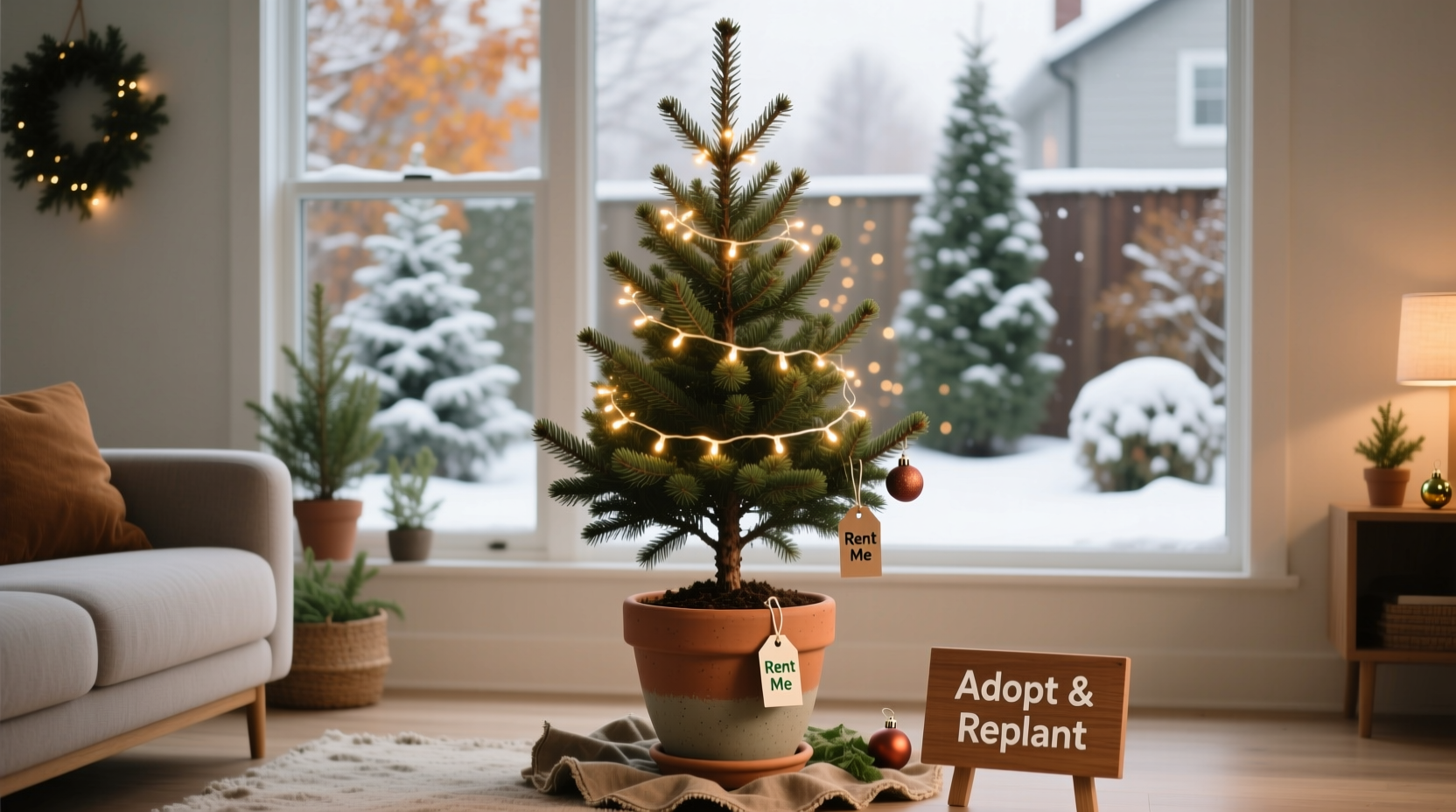
In contrast, living and rented trees offer circular solutions. A rented tree is delivered before the holidays, enjoyed in the home, then collected and replanted or returned to a nursery. Potted trees can be used year after year, eventually planted outdoors if conditions allow. These models promote reuse, reduce demand for single-use resources, and support local ecosystems.
“Choosing a living tree isn’t just a seasonal decision—it’s a commitment to regenerative practices. Each tree that’s replanted continues to sequester carbon and support biodiversity.” — Dr. Lena Torres, Urban Forestry Researcher, University of British Columbia
Types of Sustainable Christmas Trees
Not all sustainable trees function the same way. Understanding the differences helps you choose the best option based on your space, climate, and lifestyle.
Rented Living Trees
Many urban and suburban areas now offer tree rental services. Companies deliver potted evergreens—often firs or spruces—to your home in November or December. After the holidays, they return to collect the tree, which is either replanted in forests or nurseries for future use. Some programs even send updates showing where your tree was planted.
Tip: Book your rental early—popular services fill up by October due to limited availability.Potted Trees for Personal Use
If you prefer ownership, purchasing a potted tree allows you to bring it indoors annually. These trees grow over time and can eventually be planted in your yard or donated to a community green space. Suitable species include Norway spruce, Serbian spruce, and dwarf Alberta fir, depending on your hardiness zone.
Living Centerpieces (Mini Trees)
For smaller spaces or renters, miniature evergreens in decorative pots serve as charming centerpieces. These can stay indoors year-round with proper care or be rotated seasonally. They’re ideal for apartments and add greenery without requiring storage or outdoor planting.
Step-by-Step Guide to Using a Living or Rented Tree
Bringing a living tree into your home requires thoughtful planning to ensure its survival. Follow this timeline to give your tree the best chance of thriving post-holiday.
- October – Research and Reserve: Identify local tree rental services or nurseries selling potted evergreens. Check customer reviews and replanting policies.
- Early December – Prepare Your Home: Choose a cool room away from radiators, fireplaces, and direct sunlight. Ideal indoor temperatures for evergreens are between 55°F and 65°F (13°C–18°C).
- December 10–15 – Delivery or Purchase: Bring the tree inside no earlier than two weeks before Christmas. The shorter the indoor stay, the better for the tree’s health.
- Daily Care: Water the tree every 1–2 days, ensuring the soil stays moist but not soggy. Avoid chemical fertilizers during this period.
- Post-Holiday Transition: If renting, schedule pickup promptly after January 5. For personal trees, move them to an unheated garage or porch for 7–10 days to acclimate before planting outdoors.
- Planting (Late Winter): Wait until late winter or early spring to plant, when the ground is workable and frost risk has passed. Dig a hole twice as wide as the root ball and water regularly in the first growing season.
“Acclimatization is critical. Going from warm indoors to freezing outdoors shocks the tree. Gradual transition prevents needle drop and root stress.” — Aris Chen, Arborist and Sustainable Landscaping Consultant
Do’s and Don’ts: Caring for a Living Tree
Maintaining a living tree during the holidays differs significantly from caring for a cut one. Use this table to avoid common mistakes.
| Do | Don’t |
|---|---|
| Keep the tree in a cool, bright room | Place near heat sources like radiators or fireplaces |
| Water when the top inch of soil feels dry | Let the soil dry out completely or become waterlogged |
| Limit indoor time to 10–14 days | Keep the tree indoors for more than three weeks |
| Use LED lights (they emit less heat) | Hang heavy ornaments that could damage branches |
| Acclimate gradually before planting | Plant directly into frozen ground |
Real Example: A Family’s Shift to a Rented Tree
The Reynolds family in Portland, Oregon, switched to a rented tree in 2021 after learning about local waste statistics. With two young children, they wanted to maintain tradition while teaching sustainability. They chose a 7-foot noble fir through a regional program called EverGreen Holidays. The tree arrived in a sturdy pot with a moisture meter and care guide. They decorated it with handmade ornaments and kept it in their sunroom for 12 days.
After New Year’s, the company picked it up and sent a photo weeks later showing the tree replanted in a reforestation project near Mount Hood. Inspired, the Reynolds now involve their kids in selecting a “tree home” each year and track replanting locations on a map. “It’s become part of our story,” says Sarah Reynolds. “The kids ask, ‘Is our tree still growing?’ It makes the holiday feel bigger than us.”
Checklist: Preparing for a Sustainable Tree Season
- ✅ Research local tree rental services or nurseries offering potted evergreens
- ✅ Confirm delivery and pickup dates (or planting timeline for owned trees)
- ✅ Choose a cool, well-lit spot in your home away from heat sources
- ✅ Prepare a saucer or tray to protect floors from moisture
- ✅ Stock up on organic mulch and compost for eventual planting
- ✅ Plan a post-holiday acclimation zone (e.g., unheated garage)
- ✅ Gather lightweight, eco-friendly decorations (wood, fabric, paper)
- ✅ Schedule outdoor planting for late winter or early spring
FAQ
Can I keep a potted Christmas tree alive year after year?
Yes, but it requires consistent care. Keep it in a sunny outdoor location during non-holiday months, water regularly, and repot every 2–3 years as it grows. Indoors, limit exposure to heated environments and maintain humidity.
What happens if my rented tree doesn’t survive after replanting?
Reputable companies factor in natural mortality rates and often plant multiple trees per rental to offset losses. Some offer carbon-offset partnerships or donate to conservation groups to ensure ecological balance.
Are living trees more expensive than cut ones?
Initially, yes. Rental fees range from $75 to $150 depending on size and region. However, spreading the cost over several years (for owned trees) or considering environmental benefits makes them cost-effective in the long run.
Conclusion: A Tradition That Grows With You
A sustainable Christmas tree isn’t a compromise—it’s an evolution of tradition. Whether through renting or nurturing a potted evergreen, you gain a living symbol of renewal, responsibility, and connection to nature. These trees don’t end in a landfill; they go on to clean the air, stabilize soil, and inspire future generations. As awareness grows, so do the options—cities expand rental programs, nurseries develop hardier cultivars, and communities embrace green celebrations.
💬 Ready to make your holidays more sustainable? Research a local tree rental service today or visit a nursery to pick out a potted evergreen. Share your journey online to inspire others—because the most beautiful ornaments on any tree are the choices we make to protect our planet.