
A bedroom should be more than just a place to sleep—it should be a sanctuary. Yet many people overlook the emotional and psychological impact of their sleeping environment, assuming that transforming it into a peaceful retreat requires costly decor, smart lighting, or luxury furniture. The truth is, serenity doesn’t have to come with a price tag. With thoughtful adjustments, mindful habits, and a bit of creativity, you can cultivate a deeply calming bedroom atmosphere using only what you already have. This guide walks you through practical, no-cost strategies to turn your bedroom into a haven of tranquility.
Redefine Your Space with Intentional Decluttering
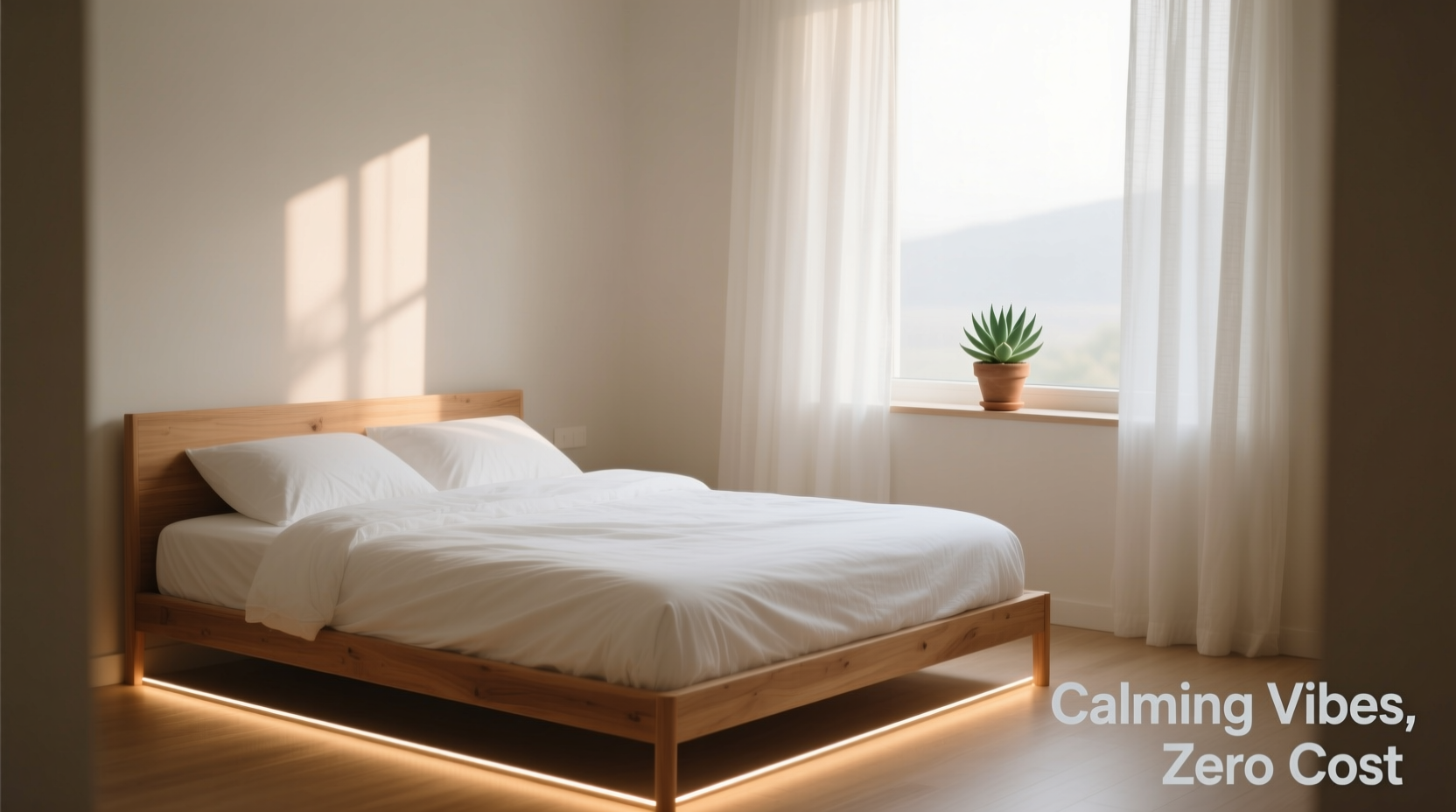
Clutter isn’t just physical—it’s mental. A room filled with scattered clothes, unused electronics, and miscellaneous items sends subconscious signals of chaos and disarray. Removing unnecessary objects is one of the most powerful ways to instantly calm a space. Start by identifying zones of clutter: nightstands, dressers, under the bed, and closet floors. Go through each area systematically, asking yourself whether each item serves a purpose or brings comfort.
Be ruthless but realistic. If something hasn’t been used in the past month—or if it causes stress when you see it—remove it. Donate, recycle, or relocate items to other parts of the house. The goal isn’t minimalism for its own sake, but clarity. An open surface, a neatly made bed, and clear floor space signal safety and order to your brain.
Tip: Spend 10 minutes each evening resetting your bedroom. Fold clothes, put books away, and clear surfaces. This small ritual reinforces control and prepares your mind for rest.The Psychological Impact of Order
Studies in environmental psychology consistently show that organized spaces reduce cortisol levels—the hormone associated with stress. A 2019 study published in the Journal of Environmental Psychology found that individuals in tidy rooms reported higher focus and lower anxiety than those in cluttered environments. You don’t need new storage bins or baskets; simply use existing drawers, boxes, or even repurpose shoeboxes to contain small items like cords, jewelry, or stationery.
Optimize Natural Light and Darkness Cycles
Light profoundly influences mood, circadian rhythm, and overall sense of well-being. While expensive blackout curtains or smart bulbs are often recommended, you can harness natural light effectively without spending anything. During the day, pull back all window coverings—even if they’re outdated or plain—to allow sunlight to flood the room. Morning light helps regulate melatonin production, improving sleep quality at night.
In the evening, gradually dim the artificial lighting. Instead of relying on harsh overhead lights, use whatever low-wattage lamps you already own. Position them at lower levels—on the floor or side tables—to create soft pools of light. Turn off screens at least an hour before bed, and if you read at night, use a single lamp rather than illuminating the entire room.
| Time of Day | Light Strategy | Benefits |
|---|---|---|
| Morning | Open curtains fully; let sunlight in | Regulates circadian rhythm, boosts alertness |
| Afternoon | Partially close blinds to soften glare | Reduces visual stress, maintains calm |
| Night | Use only one low-light source; avoid overheads | Promotes melatonin release, eases transition to sleep |
“Your body responds to light as a cue for safety and timing. Even small adjustments in brightness and color temperature can shift your nervous system from alert to relaxed.” — Dr. Lena Torres, Sleep Neurologist
Engage the Senses with What You Already Own
A calming bedroom engages multiple senses—not just sight. You don’t need essential oils, diffusers, or scented candles to create a soothing sensory experience. Begin with scent: if you have herbs like lavender, rosemary, or mint, place a small bundle on your nightstand. Even dried citrus peels or a bowl of coffee beans can provide subtle, grounding aromas. Alternatively, open a window briefly to let in fresh air—nature’s best air freshener.
Touch plays a crucial role too. Run your hands over your sheets. Are they rough? Consider flipping your blanket inside out if the lining feels softer. If you have multiple pillowcases, choose the smoothest one for bedtime. Texture influences tactile comfort, which directly affects relaxation.
Sound is another accessible lever. Silence can feel heavy, but so can noise. Use silence intentionally. Sit quietly in your room for five minutes and listen. Identify jarring sounds—traffic, appliances, distant voices. Then, mitigate them using what’s available: hang thick clothing or blankets over thin doors or windows to dampen sound. Or, play white noise using a free app or website on your phone—just remember to keep the volume low and place it across the room to avoid screen exposure.
Tip: Place a rolled towel at the base of your door to block both light and noise—a simple trick used in meditation centers worldwide.Create a Mindful Bedtime Ritual (No Products Needed)
Your behavior within the space shapes the vibe as much as the physical layout. Establishing a consistent, screen-free wind-down routine conditions your brain to associate the bedroom with peace. Begin by defining a start time—ideally 30 to 60 minutes before sleep—and follow the same sequence every night.
- Disconnect: Turn off Wi-Fi or enable airplane mode on devices.
- Reflect: Journal three things you appreciated that day, or write down any lingering thoughts to “empty” your mind.
- Breathe: Sit on the edge of your bed and take 10 slow breaths, inhaling for four counts, holding for four, exhaling for six.
- Gratitude Pause: Silently name one thing you’re grateful for about your body, your home, or your day.
- Settle In: Lie down, scan your body from toes to head, and consciously relax each part.
This sequence takes less than 15 minutes and costs nothing. Over time, these actions become cues that tell your nervous system: it’s safe to rest.
Real Example: Maria’s Transformation
Maria, a teacher from Portland, struggled with insomnia for years. She couldn’t afford a new mattress or blackout curtains, so she started small. Every night, she cleared her nightstand, lit no lights except a dim flashlight under her book while reading, and practiced deep breathing. Within two weeks, she noticed she fell asleep faster. By week four, she was waking up less often. “I realized my room wasn’t the problem,” she said. “It was the chaos I brought into it. Now, my bedroom feels like a pause button.”
Reconfigure Furniture for Flow and Focus
Feng shui principles emphasize energy flow, or “chi,” and while interpretations vary, the core idea is simple: furniture placement affects how you feel. You don’t need to buy anything—just rearrange what’s already there. Start by evaluating your bed’s position. Is it directly in line with the door? This can create a subconscious sense of vulnerability. If possible, shift the bed so you can see the door from your pillow without being directly in its path.
Next, consider pathways. Can you walk around the room without squeezing past furniture? Clear a wide arc from the entrance to the bed. Remove rugs or obstacles that trip you in the dark. If your dresser blocks natural light, move it slightly to the side. Even a few inches can make a difference in perceived openness.
Finally, designate zones. Use imagination, not materials. Mentally assign areas: one corner for reading, another for folding clothes, the bed strictly for sleep and intimacy. This psychological zoning reduces cognitive load—you know what belongs where, and your mind stops scanning for disorder.
“Space reflects state of mind. When you align your environment with intention, you create invisible support for calm.” — Tariq Malik, Interior Mindfulness Consultant
Checklist: Your No-Cost Calming Bedroom Plan
Use this actionable checklist to implement changes tonight:
- ✅ Remove all non-essential items from nightstands and surfaces
- ✅ Make your bed every morning—even if just smoothed out
- ✅ Open curtains during daylight hours; close them gradually at dusk
- ✅ Use only low, warm-toned lighting after 7 PM
- ✅ Relocate electronics away from the bed (or at least face them down)
- ✅ Practice a 5-minute breathing or gratitude exercise before sleep
- ✅ Reassess furniture layout for better flow and visibility
- ✅ Introduce a natural scent using household items (herbs, fruit peels, etc.)
- ✅ Commit to a nightly reset: 10 minutes to tidy and prepare the space
- ✅ Avoid working, eating, or watching videos in bed
Frequently Asked Questions
Can I create a calming vibe in a shared bedroom?
Absolutely. Focus on your side of the bed and personal zones. Use a small fabric divider if needed, or agree on mutual rules—like no phones after 9 PM or shared tidying times. Calm is contagious; your consistency may inspire your partner to follow suit.
What if my bedroom gets noisy at night?
Try layering sound barriers: close the door, hang a coat over it, place books along the base to seal gaps. Use white noise from a free app played softly. Earplugs made from cotton balls (if safe and comfortable) can also help. The key is reducing abrupt sound changes, not eliminating all noise.
How long does it take to notice a difference?
Many people report improved sleep quality within three to five days of implementing even two or three of these strategies. The brain adapts quickly to environmental cues. Consistency matters more than perfection.
Conclusion: Peace Begins Where You Are
A calming bedroom isn’t defined by décor, budget, or square footage. It’s shaped by attention, routine, and presence. You already have everything you need: space, time, and awareness. By decluttering with purpose, honoring natural rhythms, engaging your senses wisely, and moving through your room with intention, you transform the ordinary into sanctuary. This isn’t about achieving perfection—it’s about creating a daily invitation to rest, reflect, and renew.
💬 Ready to begin tonight? Choose one tip from this article and apply it now. Share your experience in the comments—your simple change might inspire someone else to find peace in their own space.








