White doves have graced weddings for centuries—not as mere ornaments, but as living emblems of peace, fidelity, and new beginnings. Yet today’s couples face a complex landscape: ethically sourced live birds, lifelike artificial alternatives, biodegradable paper releases, and even drone-based “dove” effects. Choosing the right option isn’t just about aesthetics—it’s about alignment with your values, legal compliance, guest safety, and emotional resonance. Missteps can lead to unintended distress (for animals or guests), regulatory fines, or symbolic dissonance on your most meaningful day. This guide cuts through marketing hype and sentimentality to deliver actionable, grounded advice—based on industry standards, animal welfare protocols, and real-world vendor experiences.
1. Understand the Four Main Types—and Why They’re Not Interchangeable
“Dove decorations” is a broad term covering fundamentally different categories—each with distinct implications for ethics, logistics, cost, and meaning. Confusing them leads to poor decisions and last-minute crises.
- Live Release Doves: Domesticated homing pigeons (Columba livia domestica) bred for gentle temperament and strong homing instinct. Often mislabeled “doves,” they are not wild mourning doves or ring-necked doves—and must never be confused with protected native species.
- Artificial Doves: Sculptural pieces made from silk, resin, porcelain, wood, or hand-folded origami paper. Range from tabletop centerpieces to suspended installations. No ethical concerns—but vary widely in craftsmanship and longevity.
- Eco-Release Alternatives: Biodegradable paper or seed paper dove cutouts, often released en masse or planted post-ceremony. Designed to honor the ritual without animal involvement.
- Digital or Kinetic Representations: Projection-mapped dove animations, kinetic wire sculptures, or synchronized drone formations. Gaining traction for large venues or eco-conscious couples seeking innovation over tradition.
The choice hinges less on preference than on context: venue restrictions, guest demographics (e.g., children or allergy-prone attendees), climate, timeline, and core values. A rooftop ceremony in downtown Chicago may rule out live releases due to building codes and air traffic—while a rural vineyard offers space and flexibility but requires rigorous vetting of avian handlers.
Tip: Never assume “white dove release” means live birds. Always confirm species, origin, and handling method in writing before signing any contract.2. If Choosing Live Doves: Prioritize Welfare, Legitimacy, and Expertise
Live dove releases carry the highest stakes—and the greatest potential for harm if handled incorrectly. Reputable providers follow strict protocols aligned with the American Federation of Aviculture (AFA) and the U.S. Department of Agriculture’s Animal Welfare Act guidelines. Here’s what to verify—before you book.
| Requirement | What to Ask/Verify | Red Flag |
|---|---|---|
| Avian Certification | Request proof of USDA Class B dealer license (required for commercial transport and release of birds). Confirm birds are vaccinated for paramyxovirus and tested annually for avian influenza. | Vendor refuses to share license number or cites “state exemption.” |
| Homing Range & Training | Ask for documented flight history: birds should be trained to return from ≥30 miles away. Request GPS-tracked release data from prior events. | Claims “all birds return 100% of the time” or uses untrained juvenile birds. |
| Transport & Handling | Confirm climate-controlled transport, shaded release crates, and on-site hydration. Birds must rest ≥2 hours pre-release in quiet, low-stress conditions. | Birds arrive in plastic bins, exposed to sun/wind, or handled by untrained staff. |
| Post-Release Accountability | Provider must track return rates across seasons and publish annual welfare reports. Refusal to disclose return data is unacceptable. | “We don’t track returns—we trust nature.” |
According to Dr. Lena Torres, avian veterinarian and advisor to the National Avian Welfare Coalition:
“Ethical dove release isn’t about spectacle—it’s about stewardship. A responsible provider treats each bird as an individual with known health history, training record, and lifetime care plan. If they won’t show you veterinary logs or flight logs, walk away.”
3. Artificial Doves: Quality, Material Integrity, and Symbolic Authenticity
When live releases aren’t viable—or when couples prefer tactile, lasting keepsakes—artificial doves offer versatility. But quality varies drastically. Mass-produced polyester “doves” degrade quickly, yellow in sunlight, and lack symbolic weight. Handcrafted alternatives, however, become heirlooms.
Key material considerations:
- Silk & Rayon: Luxurious drape and natural sheen—but sensitive to humidity and UV exposure. Ideal for indoor ceremonies or short-term displays. Requires acid-free storage boxes post-event.
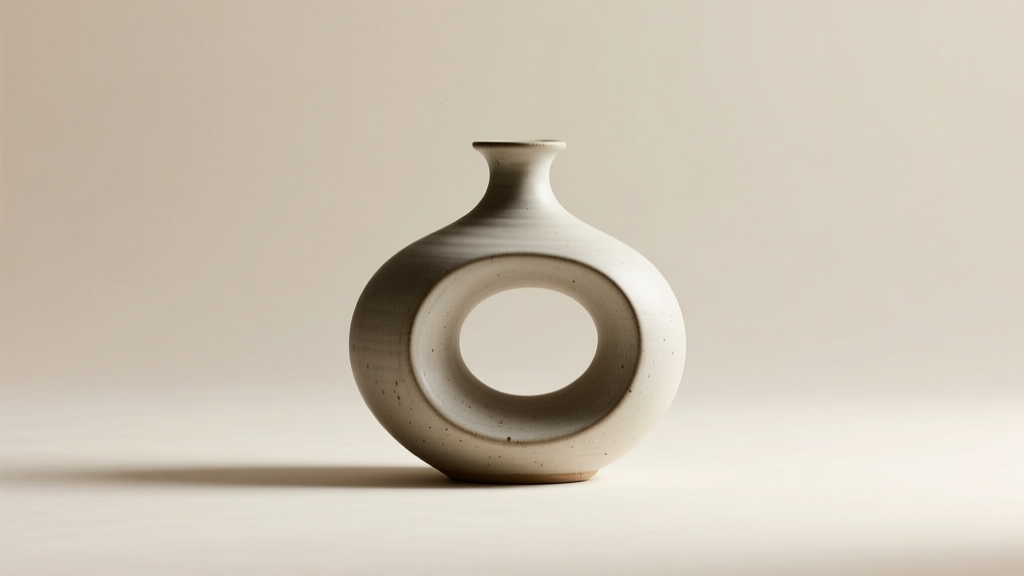
- Resin & Ceramic: Highly durable and weather-resistant. Look for kiln-fired ceramic (not plaster) and UV-stabilized resin to prevent cracking or fading. Weight matters: heavier pieces anchor centerpieces; lightweight versions suit hanging installations.
- Wood & Bamboo: Warm, organic texture. Ensure FSC-certified sourcing and non-toxic finishes (avoid formaldehyde-laden lacquers). Ideal for rustic or eco-weddings.
- Origami & Seed Paper: Most meaningful for eco-focused couples. Use 100% recycled cotton paper with non-invasive wildflower seeds (e.g., black-eyed Susan, cosmos). Avoid glossy coatings—they inhibit germination.
A real example illustrates the difference: When Maya and James planned their coastal Maine wedding, they chose hand-thrown ceramic doves from a local potter. Each was glazed with cobalt oxide (food-safe, non-toxic) and inscribed with the couple’s initials and date. Post-ceremony, guests took one home as a favor—and the couple kept the pair that perched atop their cake stand. Five years later, those doves sit on their mantel, unchanged. Contrast this with a budget online order of hollow plastic doves that warped in the seaside breeze and were discarded within weeks.
4. The Ethical Timeline: What to Do—and When—to Make Confident Choices
Selecting dove decorations isn’t a single decision—it’s a phased process requiring strategic timing. Rushing compromises safety, legality, and meaning. Follow this realistic 6-month timeline:
- Month 6–5: Define non-negotiables. List values (e.g., “no live animals,” “must be reusable,” “must support local artisans”). Research venue policies—many prohibit live releases outright due to liability or wildlife ordinances.
- Month 4: Vet 3–5 providers. For live doves: request licenses, veterinary records, and client references (call at least two). For artisans: ask for studio visits or video walkthroughs of their workspace and finishing process.
- Month 3: Finalize contracts with clear clauses: cancellation terms, weather contingencies (e.g., rain = refund or reschedule), and damage/loss coverage. For live birds: require written guarantee of minimum 92% return rate.
- Month 2: Confirm logistics: delivery windows, setup crew requirements, power needs (for kinetic pieces), and disposal plans (e.g., composting seed paper or returning ceramic pieces to artisan for refurbishment).
- Week of Wedding: Conduct final walkthrough. Verify crate shading, hydration access, and release site clearance (minimum 50 ft from buildings, wires, or trees). For artificial pieces: inspect for shipping damage and test mounting hardware.
5. Common Pitfalls—and How to Avoid Them
Even well-intentioned couples fall into recurring traps. These mistakes undermine both practical execution and symbolic intention.
Tip: Never use wild-caught birds—even if offered “at no extra cost.” It’s illegal under the Migratory Bird Treaty Act and ecologically damaging.- Mistaking symbolism for substance: Assuming “white” automatically signifies purity ignores cultural nuance. In some East Asian traditions, white signifies mourning. Discuss meaning with elders or cultural consultants—especially in interfaith or multicultural weddings.
- Overlooking micro-logistics: A 2023 survey of 127 wedding planners found that 68% reported at least one incident where dove release timing clashed with photography schedules—causing missed shots or rushed ceremonies. Build buffer time: schedule releases 15 minutes after vows conclude, not immediately after.
- Ignoring seasonal biology: Live doves should never be released below 40°F or above 85°F. High winds (>15 mph) or heavy rain disrupt navigation. Always have a Plan B—and pay for it upfront.
- Underestimating scale: One dove per guest sounds poetic—but 150 paper doves create logistical chaos during release. Opt for group releases (e.g., 5–10 doves carried by attendants) or staggered timing.
FAQ
Can I release doves myself—or do I need a licensed handler?
Legally, yes—you may handle and release your own birds—if you hold a valid USDA Class B license, maintain proper veterinary records, and comply with local ordinances. Practically, no. Licensing requires facility inspections, annual exams, and aviary maintenance expertise. Unlicensed releases risk $10,000+ federal fines and endanger birds. Hire only licensed, insured professionals.
Are “peace doves” and “wedding doves” different species?
No. There is no biological species called “peace dove” or “wedding dove.” All commercially used “white doves” are domesticated rock pigeons (Columba livia domestica)—bred for size, color, and temperament. Wild mourning doves (Zenaida macroura) are protected and unsuitable for release.
How do I explain my choice to family who expect live releases?
Lead with shared values: “We love the symbolism of doves—and chose [resin sculptures / seed-paper releases] because they reflect our commitment to kindness, sustainability, and responsibility. Just like planting a tree for our marriage, these doves grow with us.” Offer tactile alternatives: let guests fold origami doves during cocktail hour or sign a dove-shaped guestbook.
Conclusion
Your wedding decor choices are more than aesthetic—they’re declarations of who you are and what you protect. A dove, whether feathered or folded, carries centuries of layered meaning: covenant, courage, continuity. Choosing wisely honors that weight. It means verifying licenses instead of trusting brochures, prioritizing return rates over photo ops, and selecting materials that age with grace—not gimmicks that fade by next season. This isn’t about perfection. It’s about intentionality: aligning every detail with your ethics, your environment, and your enduring vision for marriage. Start today—not with a purchase, but with a question: “What does ‘peace’ look like in action, on our wedding day?” Then build your answer, thoughtfully, step by step.
💬 Have you navigated dove decoration choices for your wedding? Share your experience—what worked, what surprised you, and what you’d tell your past self—in the comments below. Your insight helps others choose with clarity and care.