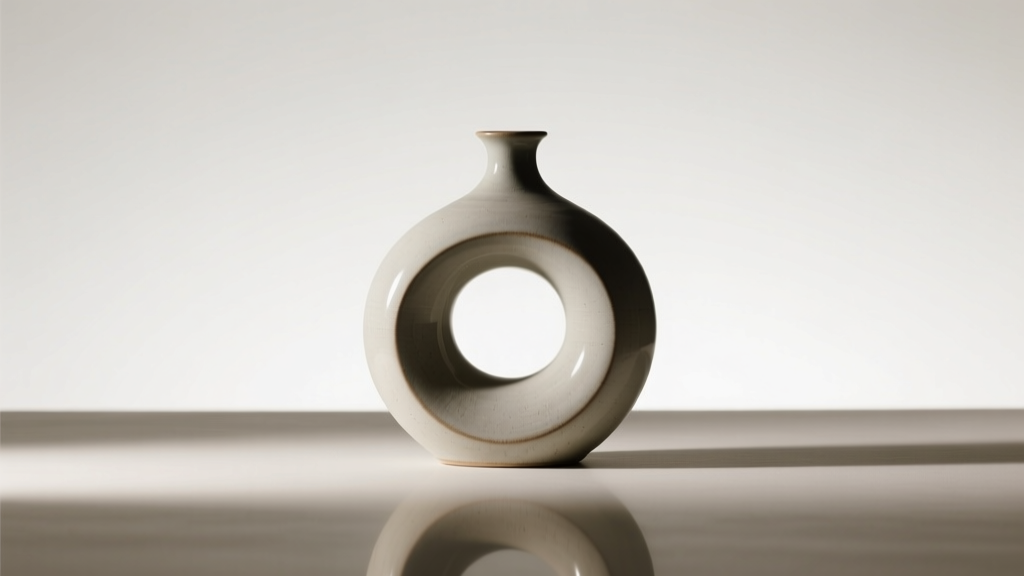
Valentine’s Day isn’t just about gifts—it’s about atmosphere. A thoughtfully arranged display transforms a corner of your home, storefront, or event space into an intentional expression of affection: roses in elegant vases, heart-shaped lanterns glowing softly, handwritten love notes nestled beside candles, or delicate garlands cascading from a central focal point. At the heart of that arrangement is often an unsung hero: the decoration stand. Yet most shoppers overlook it until the last minute—then settle for flimsy wire racks, unstable wooden blocks, or mismatched furniture repurposed on the fly. The result? Toppled arrangements, awkward proportions, or visual clutter that undermines the romance you worked so hard to create.
A well-chosen stand does far more than hold things up. It anchors the composition, guides the eye, supports weight without strain, harmonizes with your aesthetic, and withstands hours—or days—of use without sagging, wobbling, or fading. Whether you’re styling a boutique window for retail appeal, setting up a proposal backdrop in your living room, or curating a photo-worthy table for a couples’ dinner, the stand sets the tone before a single rose is placed. This guide cuts through marketing hype and seasonal impulse buys. It draws on interior styling principles, structural engineering basics, and real-world feedback from event planners, florists, and home stylists who’ve tested dozens of stands across price points and purposes.
1. Assess Your Display Context First—Not the Stand
Choosing a stand begins not with dimensions or finishes—but with intention. Ask yourself three foundational questions *before* browsing products:
- Where will it live? Is it indoors (on carpet, hardwood, or tile) or outdoors (on a patio, balcony, or grass)? Indoor stands rarely need weather resistance—but outdoor setups demand rust-proof metals, UV-stabilized plastics, or sealed hardwoods.
- What will it hold—and for how long? A lightweight paper heart mobile needs minimal support; a 12-inch ceramic vase filled with 30 red roses and water weighs over 8 pounds—and that weight shifts as water evaporates or stems absorb moisture. If your display stays up for 48+ hours, factor in dynamic load, not just static weight.
- Who is the audience? A stand visible in social media photos demands clean lines and neutral tones. One used only by guests at a seated dinner should prioritize stability over aesthetics—no one notices a matte-black iron base until it tips over mid-toast.
Interior stylist Maya Tran, who has styled over 200 romantic events since 2018, puts it plainly: “I’ve seen clients spend $200 on premium blooms but $12 on a stand that bowed under pressure. The stand isn’t background—it’s the foundation of trust. If it fails, everything else feels provisional.”
2. Match Size & Proportion to Your Arrangement—Not Just the Room
Stand height, width, and footprint must serve your arrangement—not fill empty space. A common error is selecting a tall stand to “make a statement,” only to discover it overwhelms delicate florals or forces guests to crane their necks during conversation.
Use this simple proportion rule: The stand’s height should be ⅓ to ½ the total height of your finished display. For example:
- A 24-inch floral arch requires a stand 8–12 inches tall.
- A tabletop arrangement with a 10-inch vase works best on a 3–5 inch riser.
- A freestanding heart-shaped mirror (36 inches tall) pairs cleanly with a 12–18 inch pedestal—never a 6-inch block, which visually “sinks” the piece.
Width matters just as much. A narrow stand under a wide arrangement creates instability. As a baseline, the stand’s base should extend at least 2 inches beyond the widest point of your heaviest item on all sides. So if your centerpiece is 14 inches wide, choose a stand with a minimum 18-inch footprint—or pair a narrower stand with weighted bases (like sand-filled hollows or removable metal discs).
3. Prioritize Structural Integrity Over Surface Appeal
Glossy finishes and ornate details catch the eye—but they don’t prevent collapse. Evaluate construction using these four non-negotiable criteria:
- Material Density: Solid wood > engineered wood > MDF > particleboard. For metal, look for 12-gauge or thicker steel (not “lightweight aluminum” unless weight is under 3 lbs). Hollow tubes with thin walls buckle under sustained pressure.
- Joint Engineering: Screws + dowels or mortise-and-tenon joints outperform glue-only or press-fit assemblies. Tap the stand lightly—if it resonates like a drum, avoid it.
- Weight Distribution Design: Look for stands with tapered legs, widened feet, or integrated counterweights. A center column that widens toward the base adds significant stability.
- Load Testing Data: Reputable manufacturers list maximum static load (e.g., “Holds up to 25 lbs”). Ignore vague terms like “sturdy” or “heavy-duty.” If no number is provided, assume it’s untested.
| Material Type | Best For | Max Safe Load (Typical) | Key Limitation |
|---|---|---|---|
| Solid Rubberwood | Indoor tabletop displays, photo backdrops | 18–22 lbs | Not weatherproof; can warp in high humidity |
| Powder-Coated Steel (12-gauge) | Floor-standing arrangements, retail windows, outdoor patios | 35–50 lbs | Can feel industrial; requires anchoring on smooth surfaces |
| Bamboo (Laminated, 1.5\" thick) | Eco-conscious homes, boho or rustic themes | 12–15 lbs | Lower density than hardwood; avoid heavy glass vessels |
| Acrylic (10mm cast) | Modern minimalist settings, light-weight décor (paper, fabric, LED lights) | 5–8 lbs | Scratches easily; shatters under impact |
4. Style Integration: When Form Truly Follows Function
A stand shouldn’t compete with your décor—it should complete it. That means matching not just color, but texture, era, and visual weight. A distressed oak stand grounds vintage lace and dried lavender; a brushed brass tripod elevates crystal votives and velvet ribbons; a matte black steel cube supports contemporary typography art and monochrome blooms.
Here’s what most retailers won’t tell you: finish consistency matters more than exact color match. A warm walnut stand pairs beautifully with honey-toned ceramics—even if the wood isn’t identical—because both share undertones and grain rhythm. Conversely, a cool-gray painted MDF stand clashes with warm terracotta pots, even if the gray “matches” the pot’s lid, because the materials speak different visual languages.
“The most elegant stands disappear—not because they’re invisible, but because they belong. They don’t shout ‘look at me.’ They say, ‘this is where love lives.’” — Javier Mendez, Set Designer for Hallmark’s Valentine’s Campaigns (2019–2024)
Consider these real-world pairings:
- Rustic Romance: Reclaimed pine stand with visible knots + burlap-wrapped mason jars + eucalyptus garlands
- Modern Glamour: Polished nickel tripod + smoked glass cloche + single orchid stem
- Whimsical Play: Powder-coated pastel pink arch stand + paper heart mobile + fairy lights
- Minimalist Intimacy: Unfinished concrete block (12\"x12\"x6\") + white ceramic bud vase + single ranunculus
5. Real-World Setup: A Step-by-Step Stability Protocol
Even the best stand fails without proper setup. Follow this field-tested sequence—used by professional florists and wedding stylists—to ensure safety and visual cohesion:
- Clear & Level: Remove rugs, cords, or debris. Use a bubble level on the floor or surface. Adjust stand feet (if threaded) or place thin cork shims under low corners.
- Weigh & Balance: Place heaviest items first—vases, lanterns, framed objects—centered over the stand’s structural core (not its visual center). Avoid cantilevering weight beyond the base edge.
- Secure Connections: If attaching items (e.g., garlands to a frame), use museum putty or removable adhesive dots—not tape or hot glue. They hold firmly but release cleanly.
- Test Dynamic Load: Gently press down on the top edge of your arrangement for 5 seconds. Watch for leg flex, base lift, or audible creaks. If any occur, redistribute weight or add counterbalance (e.g., a small decorative stone inside the stand’s hollow base).
- Final Visual Check: Step back 6 feet. Does the stand recede naturally? Does your eye travel from floor to arrangement without snagging on wobbly lines or mismatched textures? If not, adjust height or swap finish.
Mini Case Study: The Balcony Proposal That Almost Didn’t Happen
When Alex planned his proposal on his 12th-floor apartment balcony, he ordered a sleek, arched acrylic stand online—drawn to its “floating” effect in product photos. He placed it on the tiled surface, anchored two pillar candles and a framed photo on top, and rehearsed his speech. An hour before his partner arrived, a gust of wind hit the balcony. The stand tilted—candles slid sideways, the frame clattered onto the tiles, and wax splattered the photo.
He switched to a 14-inch powder-coated steel tripod stand (same height, heavier base) he’d kept in storage. He added rubber non-slip pads to each foot, centered the frame, and placed the candles in weighted brass holders *on the ground* beside the stand—using the stand solely to elevate the photo. The proposal succeeded. More importantly, the revised setup held steady through wind, conversation, and spontaneous dancing. His takeaway? “The stand’s job isn’t to hold everything—it’s to hold what *must* be elevated, safely and silently.”
FAQ
Can I use a cake stand as a Valentine’s decoration stand?
Only for very light, dry items—like folded love letters, small wrapped boxes, or silk flowers. Most cake stands are designed for short-term, food-safe use—not sustained weight or off-center loads. Their thin metal rings and narrow feet lack the torsional strength needed for taller arrangements. Reserve them for tabletop accents under 3 lbs.
Do I need anti-tip hardware for freestanding stands?
Yes—if the stand is over 30 inches tall *and* used in a space with children, pets, or foot traffic. A simple L-bracket anchored to wall studs adds critical stability without compromising aesthetics. Many high-end stands include pre-drilled holes for this purpose.
Is a rotating stand worth it for Valentine’s displays?
Rarely. Rotation mechanisms add cost, complexity, and failure points—without meaningful benefit for static romantic displays. Save rotating bases for product photography or retail demo units. For Valentine’s, fixed orientation allows precise lighting, framing, and emotional focus.
Conclusion
Your Valentine’s display is more than decoration—it’s a physical manifestation of care, attention, and intention. Every element, from the paper stock of your love note to the curve of a ceramic vase, communicates something. The stand is the quiet conductor of that communication: it determines balance, scale, durability, and harmony. Choosing wisely doesn’t require luxury budgets—just clarity about your context, respect for structural reality, and the discipline to test before you commit.
Start today. Measure your key items. Sketch your layout. Compare load ratings—not just finishes. And remember: the most memorable moments aren’t built on spectacle, but on thoughtful foundations. Your love deserves that kind of quiet strength.
💬 Share your stand success story or stability hack! Did a particular material or height solve a tricky display challenge? Comment below—we’ll feature top insights in next month’s seasonal styling roundup.








