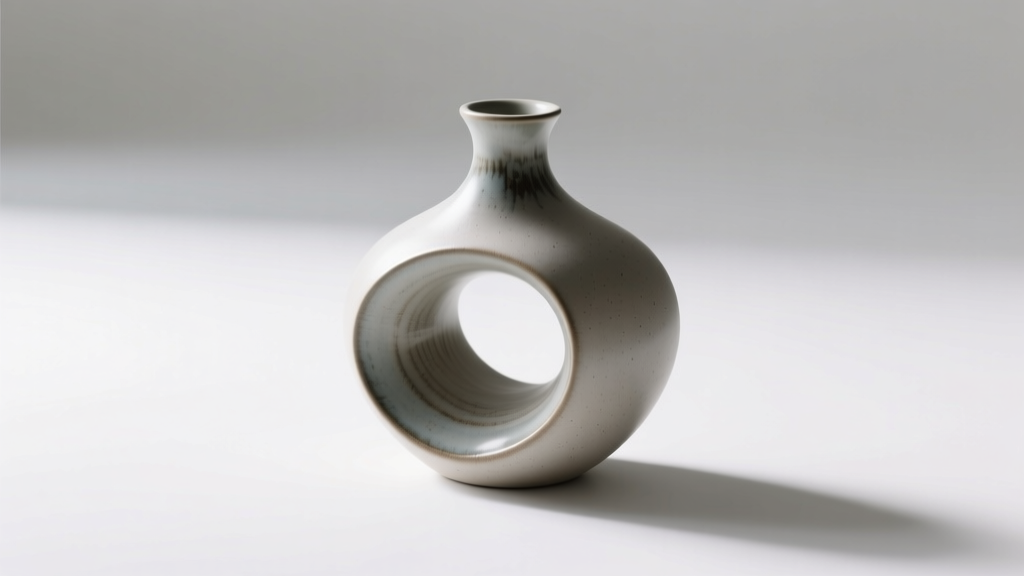
Succulents thrive on simplicity: bright light, infrequent watering, and—critically—well-draining soil in appropriately sized containers. Yet many gardeners overlook one essential truth when selecting cartoon animal pots: charm shouldn’t compromise horticultural function. These whimsical vessels—shaped like smiling foxes, wide-eyed owls, or curled-up hedgehogs—have surged in popularity across Instagram feeds and urban balconies. But not all are built to nurture life. A poorly designed “cute” pot can suffocate roots, invite rot, or topple under its own weight. Choosing wisely means balancing aesthetics with agronomy, craftsmanship with longevity, and personality with purpose. This guide cuts through the novelty noise to help you select cartoon animal pots that truly serve your succulents—not just your shelfie.
Why Drainage Isn’t Optional—It’s Non-Negotiable
Succulents evolved in arid, rocky soils where water vanished within minutes. Their shallow, fibrous root systems lack tolerance for prolonged moisture. Without proper drainage, even a single overwatering can trigger root decay—often silently, until yellowing leaves and mushy stems reveal irreversible damage. Yet many cartoon animal pots sold online omit drainage holes entirely—or feature only a decorative “faux hole” stamped into glazed ceramic. Worse, some rely on a single small opening tucked beneath a sculpted belly or tail, rendering it functionally useless if the pot sits flush on a saucer or windowsill.
True drainage requires three elements: at least one unobstructed hole (minimum ¼ inch in diameter), a gap between the pot base and surface (to allow gravity-assisted flow), and a path for water to exit without pooling in recessed features. Animal-shaped pots often complicate this with concave undersides, integrated feet that seal against surfaces, or hollow bases filled with glaze residue.
Tip: Before purchasing, check product photos for close-ups of the bottom—and read reviews mentioning “no drainage” or “water pools underneath.” If uncertain, drill a hole yourself using a diamond-tipped ceramic bit and gentle pressure (wear safety goggles and work slowly to avoid cracking).Material Matters: Beyond the Smile
The material defines durability, thermal response, porosity, and weight—all critical for succulent health. Here’s how common options perform in real-world use:
| Material | Pros | Cons | Best For |
|---|---|---|---|
| Unglazed Terracotta | Naturally porous; wicks excess moisture; breathable; affordable | Heavy; fragile; fades outdoors; absorbs minerals from water | Indoor growers prioritizing root health over portability |
| Glazed Ceramic | Vibrant colors; smooth finish; retains shape well; easy to clean | Non-porous (traps moisture unless drilled); heavy; prone to cracking in freeze-thaw cycles | Stable indoor displays; collectors valuing design consistency |
| Fiberglass-Reinforced Resin | Lightweight; weather-resistant; durable; detailed sculpting | Non-porous (requires drilling); may degrade under intense UV exposure over years | Balconies, patios, or homes with limited floor strength |
| Recycled Polypropylene | Lightweight; impact-resistant; affordable; eco-conscious | Limited heat tolerance; may warp near radiators or south-facing windows; less refined detail | Classrooms, children’s spaces, or high-traffic areas |
Crucially, avoid pots made from low-fire clay or plaster-based composites—they absorb water like sponges, swell when wet, and crumble after just a few seasons. Always verify firing temperature: stoneware (fired above 2,200°F) withstands daily watering far better than earthenware.
Size, Scale, and Root Realities
Cartoon animal pots often prioritize visual appeal over proportional logic. A “cute” 3-inch-tall bunny might have a 1.5-inch-deep cavity—far too shallow for even a mature echeveria. Succulents need depth for anchorage and lateral spread. As a rule, pot depth should equal or exceed the plant’s current root ball height, and width should allow ½–1 inch of space around the outermost leaves. Too narrow? Roots coil and become pot-bound. Too wide? Soil stays damp for days, inviting fungal growth.
Also consider scale relative to placement. A 6-inch-tall raccoon pot looks charming on a bookshelf but overwhelms a 4-inch string of pearls. Conversely, a 2-inch cactus in a 7-inch owl pot drowns in soil volume. Match pot volume to plant mass—not just height.
“Succulents don’t grow *in* pots—they grow *through* them. The container is part of the root environment, not just packaging. If the shape constrains airflow or invites water retention in crevices, you’re gardening against biology.” — Dr. Lena Torres, Horticulturist & Author of Xerophytic Design
A Practical Selection Checklist
Before adding any cartoon animal pot to your cart—or carrying it home from a boutique—run through this field-tested checklist:
- ✅ Drainage verified: At least one unobstructed hole ≥¼ inch, located centrally or slightly off-center (not hidden beneath sculpted features)
- ✅ Base clearance confirmed: Pot lifts cleanly off a flat surface—no suction seal from smooth glaze or flat-bottom design
- ✅ Depth-to-width ratio checked: Depth ≥ ⅔ of the widest point (e.g., a 4-inch-wide fox pot should be ≥2.5 inches deep)
- ✅ Weight assessed: Light enough to lift comfortably when fully watered (a 4-inch terracotta fox weighs ~1.2 lbs dry; add ~0.4 lbs water)
- ✅ Surface integrity inspected: No hairline cracks, uneven glaze pooling in joints, or sharp protrusions that could damage tender leaves
- ✅ Soil compatibility confirmed: Material doesn’t leach alkalinity (e.g., untreated concrete) or acidity (e.g., zinc-coated metal accents)
Real-World Example: The Case of Maya’s “Smiling Sloth” Collection
Maya, a graphic designer in Portland, bought six hand-painted sloth-shaped pots online—each featuring a cheerful grin and curled tail. She loved their soft green glaze and placed them on her sun-drenched kitchen ledge. Within four weeks, three succulents (two sedums and a graptopetalum) turned translucent and collapsed. Upon inspection, she discovered the pots had no drainage holes—only decorative indentations painted to resemble pores. Worse, the sloths’ curved bellies created sealed cavities where water collected after each misting. She repotted all plants into standard terra-cotta with drilled holes, then used a Dremel tool to add functional drainage to two sloths (avoiding the glaze seams). She kept the remaining four as decorative cache pots—placing plastic nursery pots inside, with drainage saucers beneath. Her takeaway? “Cuteness is currency—but only if the pot lets my plants breathe. Now I buy based on function first, then find the animal shape that fits.”
Step-by-Step: Preparing a New Cartoon Animal Pot for Planting
Even a well-designed pot needs preparation before welcoming roots. Follow this sequence:
- Inspect and clean: Wash interior and exterior with warm water and mild dish soap. Rinse thoroughly. For unglazed terracotta, soak overnight to saturate pores and prevent initial soil dehydration.
- Verify drainage: Place pot upright on a paper towel. Pour ¼ cup water into the center. Observe: water should seep through within 30 seconds. If it pools, drill or enlarge the hole.
- Add base layer: Place a ½-inch layer of coarse pumice or lava rock at the bottom—not gravel (which impedes drainage via perched water table effect).
- Fill with appropriate mix: Use a gritty succulent blend (e.g., 2 parts potting soil, 2 parts perlite, 1 part coarse sand). Avoid standard potting mixes—they retain too much moisture.
- Plant with precision: Gently loosen roots, position plant so crown sits ¼ inch below rim, and firm soil lightly. Do not water for 5–7 days to let cut roots callus.
- Label and log: Note pot type, plant species, and planting date. Track first watering date and observe leaf turgor for 10 days.
FAQ
Can I use cartoon animal pots outdoors year-round?
Only if the material is frost-resistant and fully drained. Unglazed terracotta and low-fire ceramics absorb water and crack when frozen. Glazed stoneware or resin pots fare better—but always elevate them on pot feet or bricks to ensure airflow and prevent water trapping underneath. In USDA zones 9–11, most cartoon pots work outdoors with vigilance; in colder zones, bring them indoors before first frost.
Do cartoon animal pots require special fertilizing?
No—but their often-narrow openings make top-dressing tricky. Use liquid fertilizer diluted to half-strength, applied during regular watering. Avoid granular or slow-release spikes, which concentrate salts in tiny root zones and risk burn. Feed only during active growth (spring/summer), never in dormancy.
How do I clean mineral deposits without damaging the paint or glaze?
For white crust (calcium/magnesium buildup), mix 1 part white vinegar with 3 parts water. Dip a soft toothbrush, gently scrub affected areas, then rinse thoroughly. Never soak glazed pots in vinegar—acid can dull finishes over time. For painted resin pots, use only pH-neutral cleaners; avoid abrasives entirely.
Conclusion
Choosing the best succulent cartoon animal pot isn’t about finding the cutest face—it’s about honoring the quiet intelligence of the plants themselves. It’s recognizing that a fox-shaped pot earns its place not through whimsy alone, but by offering breathability, balance, and room for roots to explore. It’s understanding that longevity comes not from glossy finishes, but from thoughtful firing, honest drainage, and respectful proportions. Every time you select a pot that meets these standards, you affirm a deeper relationship with your plants—one rooted in observation, care, and quiet reciprocity. So next time you browse that charming Etsy shop or pause at a garden center display, ask not “Does it smile?” but “Does it serve?” Then choose with both heart and horticulture in mind.
💬 Your turn: Share which cartoon animal pot surprised you with its performance—or warn others about one that didn’t deliver. Drop your experience in the comments—we’ll all grow wiser, one well-drained succulent at a time.








