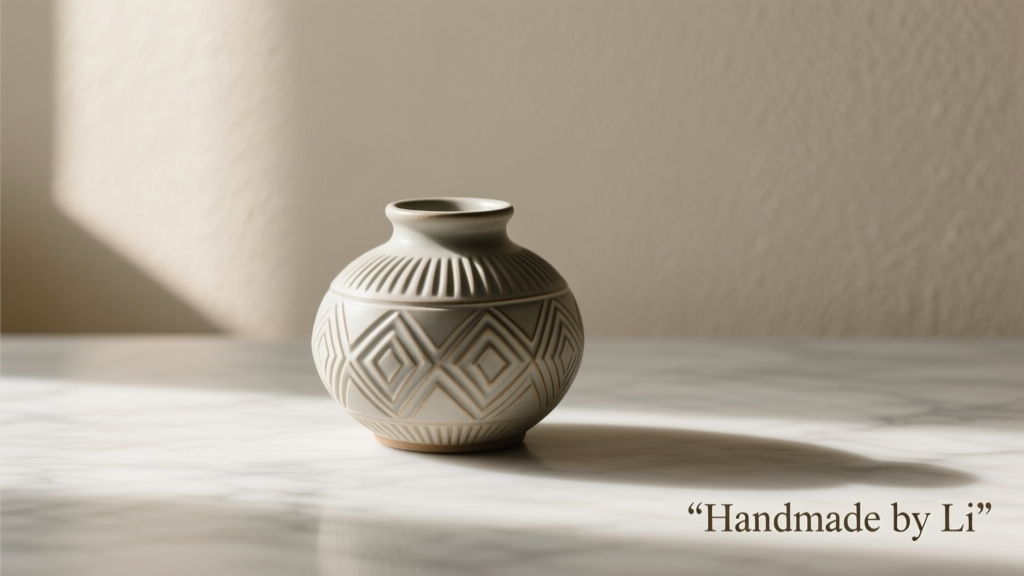
Forest decor—more than a passing trend—is a deliberate return to biophilic design principles that support mental clarity, emotional grounding, and spatial harmony. It goes beyond hanging a faux fern or stacking birch logs in a corner. Done well, it fosters quiet reverence for nature’s textures, rhythms, and quiet complexity. Done poorly, it risks visual clutter, stylistic dissonance, or even unintentional environmental harm. The best forest decor feels intentional, layered, and deeply personal—not like a catalog shoot, but like a room that has quietly absorbed the hush of a pine grove or the dappled light of an oak canopy.
Understand What “Forest Decor” Really Means (Beyond Aesthetics)
Forest decor is not synonymous with “woodsy,” “cabin-core,” or “Scandinavian rustic.” It’s a design language rooted in three interlocking dimensions: material authenticity, ecological resonance, and sensory intentionality. Material authenticity means honoring natural grain, irregularity, and organic aging—think unsealed walnut with visible knots, not laminated particleboard printed with bark texture. Ecological resonance refers to how the piece connects you to real ecosystems: a wall-mounted slice of reclaimed black walnut tells a story of local forestry stewardship; a hand-thrown ceramic vase glazed with foraged iron-rich clay evokes soil and seasonality. Sensory intentionality involves how the object engages more than sight—its weight, temperature, scent, and tactile variation all contribute to its forest character.
This distinction matters because mistaking surface motifs for substance leads to decorative fatigue. A plastic “moss wall” may mimic color but lacks the subtle humidity modulation, microbial presence, and slow visual evolution of living moss—a key reason why many designers now favor preserved *real* moss over synthetic alternatives when indoor air quality and longevity are priorities.
Tip: Before purchasing any forest-themed item, ask: “Does this object deepen my connection to nature—or simply decorate around it?” If the answer leans toward the latter, pause and reconsider.Match Decor to Your Space’s Function & Human Rhythm
A forest-inspired bedroom demands different considerations than a home office or entryway. In rest spaces, prioritize softness, warmth, and low visual stimulation: undyed linen throws in sage or charcoal, hand-carved cedar nightstands with rounded edges, and matte-glazed stoneware lamps that diffuse light gently. In work zones, introduce grounded energy through weight and structure—solid ash desktops, cork-padded pinboards, or a single, substantial river stone paperweight. Entryways benefit from durable, textural elements that welcome without overwhelming: a reclaimed teak bench with visible grain, a woven jute rug dyed with walnut husks, or a wall-mounted antler rack repurposed as coat hooks (ethically sourced, naturally shed).
The human rhythm of a space also dictates scale and placement. In a compact studio apartment, a single, large-format botanical print of native ferns on archival paper—framed in unfinished ash—can anchor the room more effectively than multiple small trinkets. In contrast, a high-ceilinged living room invites vertical layering: a floor-to-ceiling bookshelf wrapped in living wall panels at the base, topped with a curated shelf of field guides, geodes, and hand-thrown mugs—all arranged to echo the stratification of a forest floor, understory, and canopy.
Material Integrity: Prioritize Sourcing, Not Just Surface
Authentic forest decor begins long before it reaches your home—with how materials are harvested, processed, and finished. Reclaimed wood carries history and reduces demand for virgin timber, but not all reclaimed sources are equal. Barn wood from deconstructed 19th-century dairy barns often contains stable, slow-grown heartwood ideal for shelving; pallet wood, while accessible, frequently bears chemical residues from international shipping and inconsistent structural integrity.
Finishes matter just as much. Oil-based finishes like tung or walnut oil penetrate wood fibers, enhancing grain while remaining non-toxic and breathable—ideal for pieces that will be touched daily. Polyurethane or lacquer seals surfaces but creates a plastic-like barrier that inhibits natural expansion and can yellow over time, undermining the organic ethos.
| Material | Ecologically Sound Choice | Common Pitfall | Why It Matters |
|---|---|---|---|
| Wood | FSC-certified or locally salvaged hardwood (e.g., black cherry, maple) | Tropical hardwoods with unclear provenance (e.g., rosewood, teak) | Prevents deforestation of biodiverse rainforests and supports regional forestry economies. |
| Moss & Lichen | Preserved, sustainably wild-harvested or cultivated in controlled greenhouses | Synthetic “moss walls” made from petroleum-based foam | Real preserved moss regulates humidity, absorbs VOCs, and ages gracefully; synthetics off-gas and degrade visually within 1–2 years. |
| Textiles | Organic linen, hemp, or Tencel™ dyed with plant-based pigments (e.g., indigo, madder root) | Polyester “linen-look” fabrics with toxic dye fixatives | Natural fibers breathe, soften with use, and biodegrade; synthetics contribute to microplastic pollution and feel perceptibly less alive. |
A Real Example: Transforming a Clinical Home Office
When architect Lena R. redesigned her downtown Toronto home office—previously dominated by white laminate desks and fluorescent lighting—she began not with decor, but with diagnostic observation. For one week, she tracked how light moved across the space, where she paused to think, and where her gaze lingered during deep work. She noticed her eyes repeatedly drifted toward the single window framing a mature sugar maple. That became her north star.
She replaced the desk with a live-edge black walnut slab mounted on steel legs (the wood sourced from a storm-felled tree in nearby Rouge National Urban Park). She added a floor cushion stuffed with buckwheat hulls and covered in undyed organic wool, placed directly beneath the window to create a “grounding zone” for reading. On the adjacent wall, she installed a shallow, backlit shadow box containing three natural elements: a section of birch bark collected after a spring molt, a cluster of dried fiddlehead ferns pressed between glass, and a smooth, water-worn basalt stone found on Lake Ontario’s shore. No two items shared the same origin, yet their shared tonal palette (cool greys, warm creams, muted greens) and emphasis on process—molting, unfurling, erosion—created cohesion without uniformity.
The result wasn’t “forest-themed.” It was a space calibrated to Lena’s cognitive rhythms—visually restful yet materially rich, quiet but never sterile. Her productivity increased, yes—but more notably, her sense of calm during high-stakes client calls deepened measurably.
Step-by-Step: Building a Cohesive Forest Palette (Without Overcrowding)
- Anchor with One Structural Element: Choose a single large-scale piece that defines the room’s material soul—a dining table, bookshelf, or headboard. Prioritize solid, natural material with visible grain or texture.
- Select Two Complementary Textures: Pair something rough (e.g., raw-hewn cedar planter) with something refined but organic (e.g., hand-thrown stoneware vase). Avoid matching textures—they flatten depth.
- Introduce Living or Preserved Botanicals: One living plant (e.g., a slow-growing snake plant) or a preserved arrangement (e.g., reindeer moss + dried pampas grass in a ceramic vessel). Never more than one per functional zone.
- Add Tactile Layering: Introduce fabric that invites touch—unbleached cotton, nubby wool, or handwoven seagrass. Drape it intentionally: a folded throw over a chair arm, not a pile on the sofa.
- Edit Ruthlessly: Every 30 days, remove one item. Ask: Does it serve function, evoke feeling, or honor material integrity? If not, rotate it to storage or donate it.
“Forest decor succeeds not when it replicates nature, but when it honors nature’s intelligence—its economy of form, its tolerance for imperfection, its insistence on slow growth. The most powerful forest rooms are those that feel like they’ve been lived in, not styled.” — Dr. Aris Thorne, Environmental Psychologist and Biophilic Design Researcher, University of British Columbia
FAQ: Practical Questions Answered
Can I use forest decor in a modern or minimalist space?
Absolutely—if approached with restraint and material precision. Choose monochromatic palettes (charcoal, oat, slate), emphasize negative space, and select pieces with strong architectural lines: a slender ash floor lamp, a geometric concrete planter with a single trailing pothos, or a framed botanical lithograph with ample white margin. The forest element becomes punctuation, not wallpaper.
Is preserved moss safe for homes with pets or children?
Yes—when professionally preserved using non-toxic, glycerin-based methods (not formaldehyde). Reputable suppliers provide safety certifications. Avoid DIY preservation attempts, which often involve hazardous solvents. Also ensure mounting hardware is secure and out of reach for curious hands or paws.
How do I prevent forest decor from looking dated in 2–3 years?
Focus on timeless materials, not trends. Birch bark wallpaper may feel fresh today but reads “early 2010s” tomorrow; a solid maple side table with hand-rubbed oil finish remains relevant for decades. Build your foundation with heirloom-grade wood, stone, and ceramics—and rotate seasonal accents (dried grasses, foraged branches, handmade pottery) to keep energy current without compromising core integrity.
Conclusion: Cultivate, Don’t Consume
Choosing the best forest decor isn’t about acquiring objects—it’s about cultivating a relationship with the natural world through the things you invite into your daily life. It asks you to consider where something grew, how it was shaped, who made it, and how it will age alongside you. When you select a bowl carved from a fallen maple branch, you’re not just choosing a container—you’re honoring decay, resilience, and renewal. When you drape a throw woven from flax grown on regenerative farmland, you’re supporting soil health and carbon sequestration. These choices accumulate, quietly reshaping not only your space but your awareness.
Start small: replace one mass-produced accent with a single, thoughtfully sourced piece. Sit with it for a week. Notice its weight, its scent, how light catches its surface at different times of day. Let that attention become your compass. Because the deepest forest decor isn’t hung on walls or stacked on shelves—it grows inside you, one intentional choice at a time.
💬 Your forest story matters. Share one meaningful piece of forest decor in your home—and what it taught you about patience, place, or presence—in the comments below. Let’s grow this conversation, root by root.








