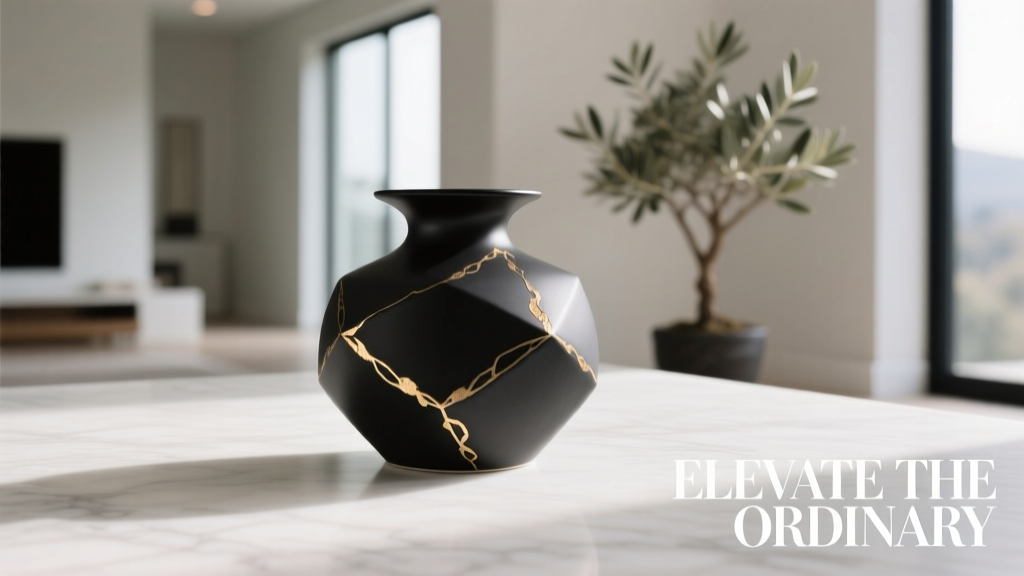
Selecting decor for a flower shop is rarely just about aesthetics. It’s a strategic decision that shapes first impressions, influences customer dwell time, affects staff efficiency, and communicates your brand’s values—from sustainability to luxury. Unlike generic retail spaces, flower shops operate at the intersection of horticulture, craftsmanship, and hospitality. The right decor doesn’t merely “look nice”; it regulates temperature and humidity near delicate blooms, streamlines floral prep workflows, guides foot traffic past seasonal displays, and quietly reassures customers that freshness, care, and expertise are embedded in every detail. Poorly chosen elements—overly ornate shelving that blocks airflow, non-porous countertops that trap moisture and encourage bacterial growth, or lighting that distorts petal color—can undermine even the most exceptional product. This guide walks through the functional, aesthetic, and operational considerations that separate thoughtful flower shop decor from decorative afterthoughts.
1. Prioritize Functionality Before Form
Floral design is a tactile, time-sensitive craft. Decor must support—not hinder—the daily rhythm of receiving, hydrating, conditioning, designing, and delivering. Begin with workflow mapping: trace the path from delivery door to cooler, from prep table to checkout, and from storage to display. Every surface, fixture, and layout choice should reduce friction in that sequence.
For example, stainless steel or sealed concrete countertops resist water absorption and allow rapid sanitation between arrangements. Open shelving with adjustable brackets accommodates varying bucket heights and enables air circulation around stems—critical for extending vase life. Flooring must be slip-resistant (especially near sinks and cooler doors) and easy to clean; epoxy or textured vinyl outperforms tile grout, which traps organic debris and fosters mold.
Tip: Before installing any wall-mounted shelf or pegboard, test its load capacity with filled 5-gallon buckets. Real-world floral prep involves heavy, water-laden containers—not lightweight décor objects.Lighting deserves special attention. Cool-white LEDs (4000K–5000K) provide accurate color rendering for evaluating bloom freshness and tone harmony, while avoiding the heat output of halogen or incandescent bulbs that accelerate petal dehydration. Task lighting over prep stations should be glare-free and shadow-minimizing—essential when trimming delicate stems or wiring tiny blossoms.
2. Align Decor With Your Brand Identity—Authentically
Your decor tells a story before a single word is spoken. A minimalist white-and-wood studio signals modern elegance and botanical precision. A reclaimed-brick wall with vintage apothecary jars whispers heritage, craftsmanship, and earth-conscious values. But authenticity matters more than trend adherence. If your brand emphasizes hyper-local sourcing, decor should reflect regional materials—think Oregon cedar slats, Tennessee limestone accents, or hand-thrown pottery from nearby studios—not imported marble or mass-produced “farmhouse” signs.
Color psychology plays a subtle but powerful role. Soft sage greens and warm taupes evoke calm and natural harmony—ideal for wedding florists or wellness-focused boutiques. Crisp navy and brass suggest refined professionalism, well-suited for corporate gifting or high-end event work. Avoid overwhelming saturation: too much bold color competes with flowers themselves, diluting their visual impact.
“Customers don’t remember your wallpaper—they remember how your space made them feel while choosing flowers for their mother’s funeral or their partner’s anniversary. That feeling starts with intention behind every material, texture, and finish.” — Lena Torres, Retail Experience Designer & Former Floral Studio Owner
3. Optimize for Flower Longevity and Staff Well-being
The best flower shop decor actively extends the life of inventory—and protects those who handle it. Temperature and humidity control aren’t just HVAC concerns; they’re embedded in decor choices. Insulated cooler doors with clear, low-E glass minimize condensation while allowing visual inventory checks. Wall-mounted misting nozzles (hidden behind perforated metal panels) maintain ambient humidity without wetting display surfaces. Even countertop edge profiles matter: rounded, seamless edges prevent accidental stem crushing during rushed assembly.
Staff ergonomics are equally critical. Prep tables at 36–38 inches accommodate most adults comfortably, reducing back strain during repetitive cutting. Adjustable-height workstations let designers alternate between standing and seated tasks. Storage solutions should place frequently used tools (wire cutters, floral tape, kenzans) within arm’s reach—not behind closed cabinets. And ventilation isn’t optional: exhaust fans integrated into ceiling decor (e.g., discreetly recessed units behind acoustic baffles) remove airborne pollen and ethylene gas—both of which accelerate bloom senescence.
4. Smart Decor Checklist: What to Evaluate Before You Buy
Use this actionable checklist to vet every decor element—not as decoration, but as infrastructure:
- Airflow Compatibility: Does it allow unobstructed air movement around coolers, buckets, and dry storage?
- Cleanability Score: Can it be sanitized in under 90 seconds with food-safe disinfectant? (Test with a damp cloth + vinegar solution.)
- Weight Distribution: Is mounting hardware rated for dynamic loads (e.g., buckets swaying during restocking)?
- Material Integrity: Does it resist warping, rusting, or staining when exposed to constant water, sap, and floral preservatives?
- Brand Alignment Check: Would a new customer instantly understand your core promise (e.g., “locally grown,” “zero-waste,” “luxury gifting”) just by observing your space?
5. Comparative Guide: Decor Materials for Key Areas
Different zones demand different performance criteria. This table compares common materials across four critical applications:
| Application | Recommended Material | Why It Works | Risk of Poor Choice |
|---|---|---|---|
| Prep Countertops | Sealed quartz composite (non-porous, NSF-certified) | Resists etching from citric acid (in floral preservatives), withstands repeated bleach wipes, no seam lines for bacteria to hide | Wood or butcher block: absorbs water, swells, cracks, harbors microbes |
| Display Shelving | Powder-coated steel with open lattice backing | Supports weight of full buckets, allows cross-ventilation, non-corrosive finish resists water exposure | MDF or particleboard: swells and delaminates within months of mist exposure |
| Flooring | Textured commercial vinyl (≥2mm wear layer, R12 slip rating) | Seamless installation prevents moisture ingress, cushioned for long-standing shifts, compatible with wheeled carts | Ceramic tile: grout lines stain irreversibly; smooth surface becomes hazardous when wet |
| Wall Accents | Natural fiber wall panels (hemp, jute, or cork) | Sound-absorbing, biodegradable, breathable—won’t trap humidity behind walls near coolers | Vinyl wallpaper or laminate: creates vapor barrier, encourages interstitial condensation and mold |
6. Real-World Example: How “Petrichor Blooms” Transformed Their Space
Located in Portland, Oregon, Petrichor Blooms operated from a charming but aging 1920s storefront. Their original decor—antique lace curtains, distressed wood shelves, and vintage porcelain sinks—created warmth but undermined operations. Buckets dripped onto unsealed floorboards, causing rot near the cooler. Staff complained of wrist fatigue from hunching over a 30-inch prep table. Most critically, customers hesitated to approach the counter because the lace obscured visibility of fresh stock.
Over three months, owner Maya Chen redesigned with functionality as the north star. She replaced lace with custom-milled Douglas fir slats spaced 1.5 inches apart—allowing light and air to pass while adding texture. Installed an NSF-certified stainless-steel prep table at 37 inches with integrated sink and foot pedal faucet. Swapped floorboards for textured vinyl with a subtle moss-green fleck pattern matching local forest floors. Added recessed LED strips under shelves to highlight blooms without heating them.
The results were measurable: post-redesign, average arrangement time dropped 18%, cooler-related bloom loss decreased by 32%, and customer dwell time increased from 4.2 to 7.6 minutes—directly correlating with a 24% rise in add-on sales (vases, greeting cards, subscription sign-ups). “We didn’t lose our soul—we gave it structure,” Chen says. “Now the space works *with* us, not against us.”
7. Step-by-Step: Evaluating Your Current Decor in Under 90 Minutes
You don’t need a full renovation to improve. Follow this focused audit:
- Map the Flow (10 min): Walk your space with a stopwatch. Time each leg: delivery → cooler → prep → display → checkout → exit. Note bottlenecks (e.g., “three people can’t pass at the sink”).
- Touch Test (15 min): Run hands over all surfaces where flowers contact decor—countertops, shelves, buckets, coolers. Identify rough edges, seams, or textures that could damage stems or petals.
- Sanitation Scan (20 min): Attempt to clean one prep station, one shelf section, and one floor zone using your standard protocol. Time each. Note where grime hides (grout, crevices, undersides).
- Light & Air Audit (25 min): On a cloudy day, photograph key areas with phone camera (no flash). Review images: Are petal colors true? Is there shadow pooling on work surfaces? Use a hygrometer to log humidity near coolers vs. checkout—ideally within 5% variance.
- Brand Clarity Check (20 min): Ask three trusted customers (not friends) to describe your shop’s personality in three words—after walking in, before speaking to staff. Compare responses to your stated brand pillars.
8. FAQ: Common Decor Dilemmas—Answered
Should I use live plants as part of my shop decor?
Yes—if carefully selected and maintained. Low-light, low-pollen varieties like ZZ plants, snake plants, or Boston ferns add living texture without competing with cut flowers or triggering allergies. Avoid flowering indoor plants (e.g., orchids, peace lilies) near display areas—they release ethylene and attract pests. Always quarantine new plants for 14 days before installing.
Is reclaimed wood safe for floral prep areas?
Only if fully sealed with a food-grade, non-yellowing epoxy resin applied in three coats and sanded to a glass-smooth finish. Unsealed reclaimed wood harbors bacteria, absorbs sap, and sheds splinters into delicate arrangements. When in doubt, choose new hardwoods like maple or walnut—denser, more predictable, and easier to certify for food-contact safety.
How often should I update non-functional decor (art, signage, textiles)?
Every 12–18 months—but only if it serves a purpose. Rotate seasonal art that highlights local growers or native flora. Swap fabric chair covers seasonally to reinforce themes (e.g., linen in summer, wool-blend in winter). Never change decor solely for novelty; each update should deepen brand storytelling or improve usability. Track customer comments pre/post-update—if no meaningful shift in sentiment or behavior occurs, pause the cycle.
Conclusion
Choosing flower shop decor isn’t about chasing trends or filling empty corners. It’s about building an environment where flowers thrive, designers work with ease, and customers feel intuitively welcomed—where every material, light source, and spatial decision reinforces your commitment to quality, care, and authenticity. The most compelling shops don’t shout their values; they embody them in the coolness of a stainless-steel surface, the quiet efficiency of a well-placed shelf, the gentle accuracy of light that reveals true petal depth. Start small: run the 90-minute audit. Replace one high-friction element this month—a warped shelf, a slippery floor mat, a dim prep light. Measure the difference in time saved, waste reduced, or joy expressed by a customer holding a perfectly conditioned bouquet. Then build outward, deliberately. Your space is your silent partner in every arrangement you create. Make sure it’s working as hard—and as thoughtfully—as you do.
💬 Your turn: Which decor decision made the biggest difference in your shop’s flow or feel? Share your insight, challenge, or breakthrough in the comments—your experience could help another florist choose with confidence.