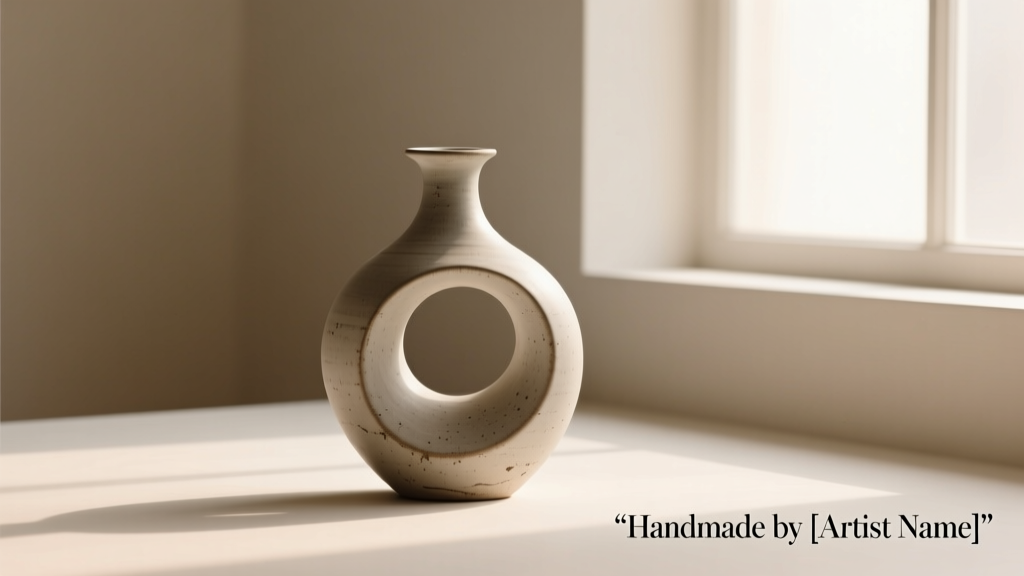
Beautiful plants deserve beautiful support—not just for aesthetics, but for health, longevity, and daily joy. “Pretty” in plant care isn’t about superficial charm; it’s the thoughtful harmony of form and function: a ceramic pot that breathes *and* glows on your windowsill, soil that nourishes while holding its shape, or pruning shears that feel like an extension of your hand. Yet most shoppers face a paradox: endless Instagram-worthy options paired with minimal clarity on what actually works. This guide cuts through the noise—not with trends, but with horticultural logic, material science, and years of observed plant behavior. Whether you’re nurturing a single monstera or building a sunroom jungle, every supply choice impacts root health, water retention, light absorption, and even your own motivation to care. Let’s choose wisely.
1. Pots & Planters: Beyond Aesthetics to Root Intelligence
A pot is not merely a container—it’s the first line of defense for root systems. Drainage, thermal mass, porosity, and weight all influence moisture stability, oxygen exchange, and temperature fluctuation. Glazed ceramics look elegant, but their non-porous surface traps water longer than terracotta—a critical difference for fussy succulents versus thirsty ferns. Unglazed terracotta excels at wicking excess moisture, yet dries out rapidly in dry climates or under strong grow lights. Concrete planters offer modern appeal and excellent thermal inertia (buffering root-zone temperature swings), but many mass-market versions lack proper drainage channels or contain alkaline leachates harmful to acid-loving plants like blueberries or camellias.
Material choice also affects longevity. Plastic nursery pots are lightweight and affordable, but UV exposure degrades them within 1–2 seasons. Polypropylene blends with UV stabilizers last significantly longer—and some now come in matte, stone-textured finishes that mimic high-end ceramics without the fragility or cost. For indoor use, always verify that decorative outer pots include removable inner liners with drainage holes. Standing water in sealed containers invites root rot far faster than any aesthetic compromise.
Tip: Tap the side of a ceramic or concrete planter before buying—if it rings clearly, it’s likely well-fired and durable. A dull thud suggests air pockets or incomplete curing, increasing risk of cracking during freeze-thaw cycles.2. Soil & Growing Media: The Unseen Foundation of Beauty
“Potting mix” is not dirt—and confusing the two is the most common cause of early plant failure. Garden soil compacts in containers, suffocating roots and impeding drainage. True potting mixes are engineered blends: peat moss or coconut coir for water retention, perlite or pumice for aeration, and compost or worm castings for slow-release nutrition. But “pretty” soil matters too: fine black compost looks sleek in shallow succulent bowls; chunky orchid bark with cinnamon-colored fir bark adds textural contrast to epiphyte displays; and pale, airy coco coir-based mixes highlight delicate variegation in pothos or calathea leaves.
Beware of greenwashed labels. “Organic” doesn’t guarantee suitability—some organic mixes contain excessive manure that burns tender roots. “Moisture control” blends often rely on synthetic polymers that swell when wet, then collapse over time, creating hydrophobic, compacted layers. Instead, match media to plant physiology: cacti and succulents thrive in gritty, fast-draining mixes (70% inorganic grit, 30% organic); tropicals prefer fluffy, moisture-retentive blends (50% coir, 25% perlite, 25% compost); and orchids demand airy, open structures where roots access both moisture and air simultaneously.
| Plant Type | Ideal Mix Ratio (by volume) | Visual & Textural Cues | Red Flags |
|---|---|---|---|
| Succulents & Cacti | 60% pumice + 20% coarse sand + 20% coir | Light tan, granular, crumbles easily | Dark brown, clumpy, holds water like mud |
| Tropical Foliage (e.g., ZZ, Philodendron) | 40% coir + 30% perlite + 20% compost + 10% orchid bark | Soft black-brown, springy, retains shape when squeezed | Shiny, slimy surface or visible mold filaments |
| Orchids (Phalaenopsis) | 50% medium-grade fir bark + 30% sphagnum moss + 20% charcoal | Chunky, aromatic, light beige to rust | Fine dust, sour odor, or damp clumps after 48 hours |
3. Tools & Accessories: Ergonomics Meets Elegance
Tools shape habit as much as health. A heavy, poorly balanced trowel discourages regular repotting. Dull, corroded pruners invite disease transmission and crush stems instead of making clean cuts. Yet beauty needn’t be sacrificed for utility. Stainless steel tools resist rust and develop a soft, satin patina over time. Wooden handles—especially sustainably harvested walnut or bamboo—offer warmth, grip, and visual cohesion with natural decor. Look for forged, not stamped, steel blades: they hold sharper edges longer and withstand repeated sterilization in 70% isopropyl alcohol.
Watering cans reveal character quickly. A narrow gooseneck spout gives precision for small pots and seedlings; a wide spout suits large floor planters. Copper or brass finishes add quiet luxury—but ensure interior linings are food-grade stainless or enameled to prevent metal leaching into water. For self-watering systems, avoid plastic reservoirs with opaque walls: algae blooms thrive in warm, dark, stagnant water. Opt instead for translucent BPA-free polypropylene with UV inhibitors and a clear water-level window.
“Plants respond to consistency—not perfection. A beautiful, intuitive toolset makes consistency effortless. If watering feels like a chore, you’ll do it less. If pruning feels precise and satisfying, you’ll do it right.” — Dr. Lena Torres, Urban Horticulturist & Tool Design Consultant, Brooklyn Botanic Garden
4. Lighting & Environmental Supports: Where Form Meets Photosynthesis
Grow lights have evolved from industrial fixtures to sculptural design objects—yet performance remains non-negotiable. Full-spectrum LEDs now deliver targeted photosynthetically active radiation (PAR) while emitting minimal heat. Key metrics matter more than wattage: aim for at least 200 µmol/m²/s PAR at 12 inches for leafy greens and flowering plants; 100–150 µmol/m²/s suffices for low-light tolerant species like snake plants. Look for fixtures with adjustable color temperature (3000K–6500K) and dimming controls—warmer tones (3000K–4000K) encourage flowering; cooler tones (5000K–6500K) promote compact, lush foliage.
Mounting hardware must match intent. Clamp-mounted arms suit bookshelves and desks; ceiling-suspended kits work for hanging planters or tall specimens. Avoid magnetic mounts unless explicitly rated for sustained vertical load—they weaken with heat and vibration. For aesthetic integration, choose matte black, brushed nickel, or matte white housings that recede visually while delivering light exactly where needed. Pair with smart timers or app-controlled plugs to automate dawn/dusk cycles—mimicking nature reduces stress for both plants and caretakers.
5. The Real-World Test: A Mini Case Study
Maria, a graphic designer in Portland, transformed her north-facing apartment balcony into a thriving edible garden—despite limited light and strict HOA rules prohibiting freestanding structures. Her success hinged on intentional supply choices: she selected shallow, frost-resistant concrete planters (18” wide × 8” deep) in a soft charcoal finish—subtle enough to comply with aesthetic guidelines, yet thermally stable for cool-season crops. She filled them with a custom mix: 45% local compost (rich in mycorrhizal fungi), 30% pumice (for drainage in frequent rain), 15% coir (to retain moisture between showers), and 10% kelp meal (for trace minerals). For lighting, she installed two low-profile, full-spectrum LED bars mounted directly to the balcony railing—angled downward to illuminate kale, chard, and dwarf tomatoes without casting glare into neighboring units. Within 10 weeks, her harvests doubled—and her neighbors began asking where she sourced her “quietly stunning” setup.
6. Step-by-Step: Building Your Supply Kit in Order of Priority
- Assess your environment: Measure light intensity (use a free phone app like “Lux Light Meter”), note average humidity (hygrometer), and track seasonal temperature swings—not just current conditions.
- Select containers first: Match size, material, and drainage to your largest intended plant. Never buy pots without verifying hole placement and diameter (minimum ¼” for small pots; ½”+ for large).
- Choose soil second: Buy pre-mixed media only if labeled for your specific plant type—or invest in bulk components (coir, perlite, compost) to blend custom batches.
- Purchase tools third: Start with one high-quality pair of bypass pruners, a narrow trowel, and a copper watering can. Add specialized items (grafting knives, pH meters) only after mastering fundamentals.
- Add lighting last: Install only after observing natural light patterns for 7–10 days. Prioritize targeted, adjustable fixtures over broad ambient panels.
7. FAQ
Are expensive “designer” pots worth it?
Yes—if they solve a functional problem you’ve observed. Hand-thrown stoneware with thick walls buffers temperature extremes for sensitive citrus or figs. Reinforced fiberglass planters withstand rooftop wind and freeze-thaw cycles better than thin ceramics. But avoid premium pricing based solely on brand or influencer endorsement. Examine construction: uniform wall thickness, consistent glaze coverage, and reinforced drainage holes signal durability—not just design.
Can I reuse old potting soil?
With caution—and only for non-edible, non-disease-prone plants. Sterilize by baking moist soil at 180°F for 30 minutes to kill pests and pathogens. Then refresh with 30% new compost and 20% fresh perlite to restore structure and nutrients. Never reuse soil from plants that showed signs of root rot, wilt, or fungal spots.
Do self-watering pots eliminate the need to monitor moisture?
No—they shift the monitoring point. You still need to check reservoir levels weekly and flush the soil monthly to prevent salt buildup. More critically, self-watering systems work best for consistent drinkers (peace lilies, ferns) and poorly for plants requiring dry-down periods (succulents, orchids). Always pair them with a moisture meter probe—not finger tests—to verify root-zone saturation.
Conclusion
Choosing pretty plant supplies isn’t about chasing trends—it’s about cultivating intention. Every glazed pot, every bag of coir, every pair of pruners reflects a decision about how deeply you wish to engage with the living world around you. When aesthetics align with biology—when a vessel supports respiration as gracefully as it catches the light, when soil feeds roots while framing foliage, when tools extend your care rather than interrupt it—you don’t just grow plants. You grow confidence, patience, and quiet daily rituals that anchor you in a distracted world. Start small: replace one tired plastic pot this week. Blend one batch of custom soil. Clean and sharpen your pruners. These acts aren’t maintenance—they’re conversation. And the plants, as always, will answer back—in fuller leaves, stronger stems, and steady, resilient growth.
💬 Your turn: Share one supply swap that transformed your plant care—was it a pot that solved drainage? A soil blend that revived struggling cuttings? Tell us in the comments. Real experience helps us all grow wiser, together.