For athletes, fitness enthusiasts, or anyone with an active lifestyle, finding the right pair of earbuds isn’t just about sound quality—it’s about staying comfortable through long runs, intense workouts, and even full workdays on the move. Poorly designed earbuds can slip out, cause ear fatigue, or create pressure points that make listening unbearable after a few hours. The solution lies in ergonomics: choosing earbuds engineered to fit naturally, stay secure, and support extended use without discomfort.
Ergonomic sports earbuds balance fit, weight distribution, material softness, and stability under motion. They’re built not just to survive sweat and movement but to disappear into your routine—so you focus on your pace, reps, or playlist, not on adjusting your audio gear. Here’s how to select the best pair for all-day comfort and reliable performance.
Understand What Makes Earbuds Ergonomic
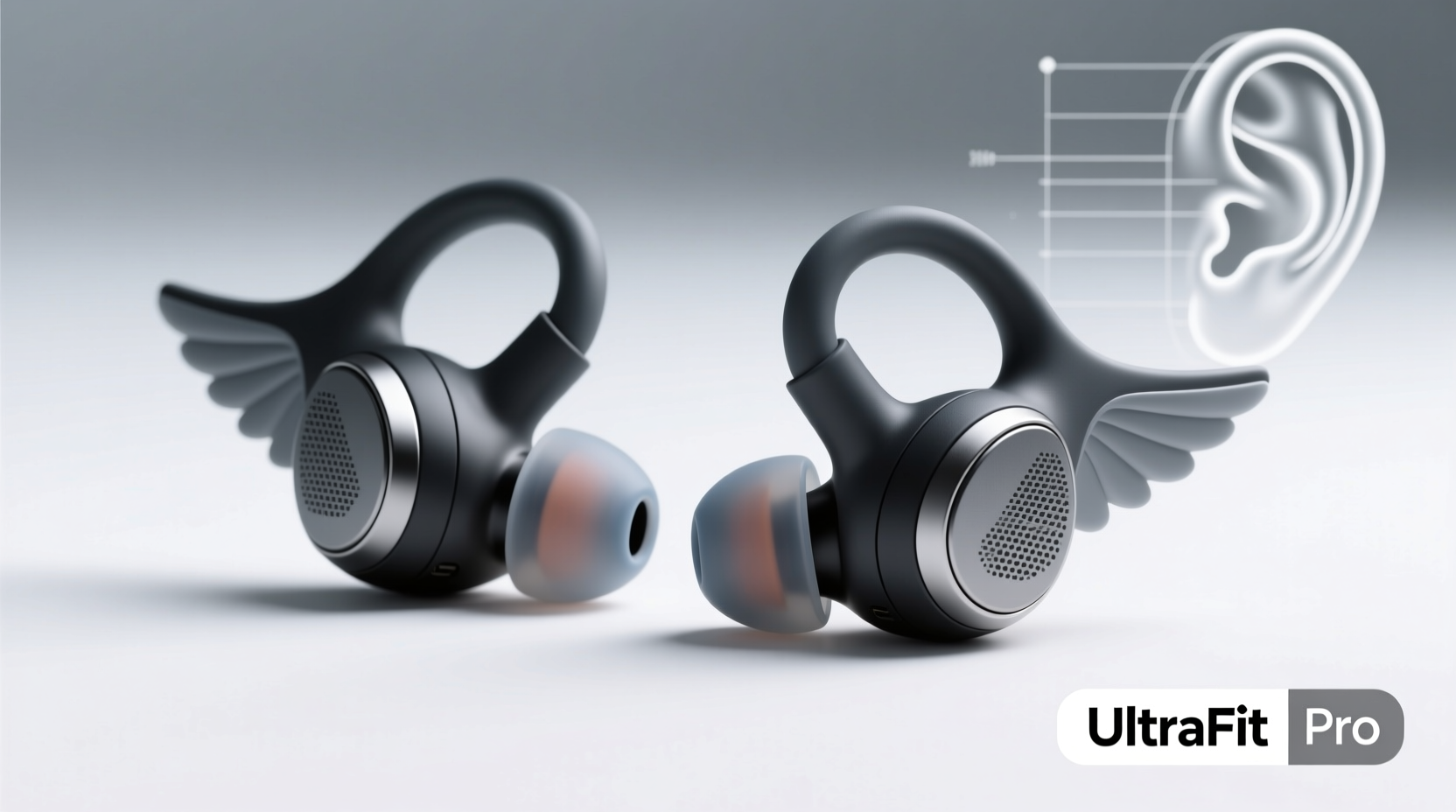
Ergonomics in earbuds refers to design elements that align with the natural shape and function of the human ear. Unlike standard earbuds, which often prioritize aesthetics or bass response, ergonomic models emphasize anatomical compatibility. This includes angled nozzles, flexible wingtips, memory foam eartips, and lightweight construction.
The goal is to reduce pressure on the tragus, concha, and ear canal while maintaining a secure seal for sound isolation and noise cancellation. A well-designed ergonomic earbud should feel like an extension of your ear—not something lodged inside it.
“True comfort in earbuds comes from mimicking the ear’s contours, not forcing a universal fit.” — Dr. Lena Torres, Auditory Biomechanics Researcher, Stanford UniversityTip: Look for earbuds with a 15–30 degree nozzle angle—it matches the natural tilt of the ear canal for reduced strain.
Key Features to Prioritize
When shopping for ergonomic sports earbuds, don’t just rely on brand reputation or marketing claims. Focus on measurable features that directly impact comfort and performance.
- Secure Fit System: Ear hooks, stabilizing fins, or wingtips help anchor the earbuds during high-motion activities. Choose designs that distribute pressure evenly rather than concentrating it at one point.
- Multiple Eartip Sizes and Materials: Silicone, memory foam, and hybrid tips offer different levels of cushioning and grip. Memory foam molds to your ear canal over time, enhancing both comfort and passive noise isolation.
- Low Weight (Under 6g per bud): Lighter earbuds reduce ear fatigue during prolonged use. Every gram matters when worn for hours.
- Sweat and Water Resistance (IPX4 or higher): Essential for sports use. IPX5 or IPX7 ratings offer better protection against heavy perspiration or rain.
- Touch Controls vs Physical Buttons: While touch controls look sleek, physical buttons are more reliable during sweaty workouts and prevent accidental pauses.
Compare Top Design Types
| Design Type | Pros | Cons | Best For |
|---|---|---|---|
| In-Ear with Fins | Excellent stability; good noise isolation | May press on outer ear if fin is too rigid | Running, HIIT, gym training |
| Ear Hook (Over-Ear) | Maximum security; distributes weight | Bulkier; less discreet | Cycling, hiking, long-distance running |
| Canal-Fit (Nozzle Only) | Minimalist; lightweight | Poor retention during vigorous movement | Light walking, office use, yoga |
| Neckband with Earbuds | Never lose a bud; easy access | Neckband can bounce; less modern | Commuting, mixed activity days |
Step-by-Step Guide to Finding Your Perfect Fit
Finding truly comfortable earbuds requires testing and adjustment. Follow this process to identify what works for your ears and activity level.
- Assess Your Ear Shape: Not all ears are the same. Some have deeper conchas, others narrow canals. Use a mirror or ask someone to help observe how earbuds sit in your ears.
- Try Multiple Tip Options: Most premium brands include 3–5 pairs of tips. Start with medium, then test smaller and larger sizes. A proper seal means music sounds full and ambient noise is reduced.
- Simulate Movement: Jump, shake your head, or mimic running motions to check stability. If they shift or fall out easily, consider switching to a model with fins or hooks.
- Wear Them for an Hour: Comfort isn’t immediate. Wear them during light activity to assess pressure points or warmth buildup.
- Check Battery Life vs Usage: If you're using them all day, aim for at least 8 hours of battery life or a compact charging case for top-ups.
Real Example: From Discomfort to All-Day Confidence
Mark, a software developer and weekend trail runner, used off-the-shelf earbuds for his daily commute and runs. After 45 minutes, he’d feel a dull ache behind his left ear. During longer runs, the buds would slip out mid-stride. He switched to a pair of ergonomic earbuds with adjustable ear fins and memory foam tips. After trying three tip sizes, he found a snug, pressure-free fit. Now, he wears them for 10-hour workdays and 2-hour trail sessions without discomfort. “They finally stopped fighting my anatomy,” he said. “I forget I’m wearing them.”
Essential Checklist Before You Buy
Before finalizing your purchase, verify these key points:
- ✅ Includes multiple eartip and fin sizes
- ✅ Minimum IPX4 water resistance
- ✅ Weight under 6 grams per earbud
- ✅ Secure fit during simulated movement
- ✅ At least 6 hours of battery life
- ✅ Physical buttons preferred for sports use
- ✅ Warranty or trial period offered
Frequently Asked Questions
Can ergonomic earbuds help with ear pain during long use?
Yes. Ergonomic designs reduce localized pressure by distributing weight and conforming to ear anatomy. Memory foam tips and contoured housings minimize contact stress, which is often the cause of soreness after extended wear.
Are wireless earbuds safe for all-day use?
Wireless earbuds emit low-level RF radiation, but current research shows no evidence of harm at typical exposure levels. To be cautious, take breaks every few hours, keep volume moderate, and avoid sleeping in them unless designed for overnight wear.
Why do some earbuds stay in better than others?
It comes down to fit geometry and grip. Earbuds that match the 3D structure of your outer ear—especially those with customizable wings or hooks—stay in place because they engage multiple contact points, not just the ear canal.
Final Thoughts: Comfort Is Non-Negotiable
High-performance audio shouldn’t come at the cost of physical comfort. Whether you're logging miles, lifting weights, or navigating a busy workday, your earbuds should support your lifestyle—not hinder it. By prioritizing ergonomic design, fit customization, and durable materials, you can find a pair that delivers crisp sound, unwavering stability, and true all-day wearability.
Don’t settle for earbuds that hurt after an hour or slip out during your stride. Invest time in testing options, understanding your ear anatomy, and choosing features that align with your daily demands. The right pair won’t just enhance your workout—they’ll become a seamless part of your routine.
🚀 Ready to upgrade your audio experience? Revisit your current earbuds using the checklist above—or share your favorite ergonomic model in the comments to help others find their perfect fit.








