Selecting a pencil case might seem like a minor detail in school preparation, but it plays a surprisingly significant role in daily organization and long-term efficiency. A poorly made case can split at the seams, lose its zipper, or fail to protect essential tools—leading to lost pens, broken erasers, and constant replacement costs. On the other hand, a well-chosen, durable pencil case supports routine, reduces clutter, and withstands the wear of backpacks, desks, and rushed transitions between classes. The key is balancing resilience with usability and personal style. With the right approach, students and parents can invest in a pencil case that lasts an entire academic year—or longer—without sacrificing convenience or aesthetics.
Understand Material Quality: What Makes a Pencil Case Last
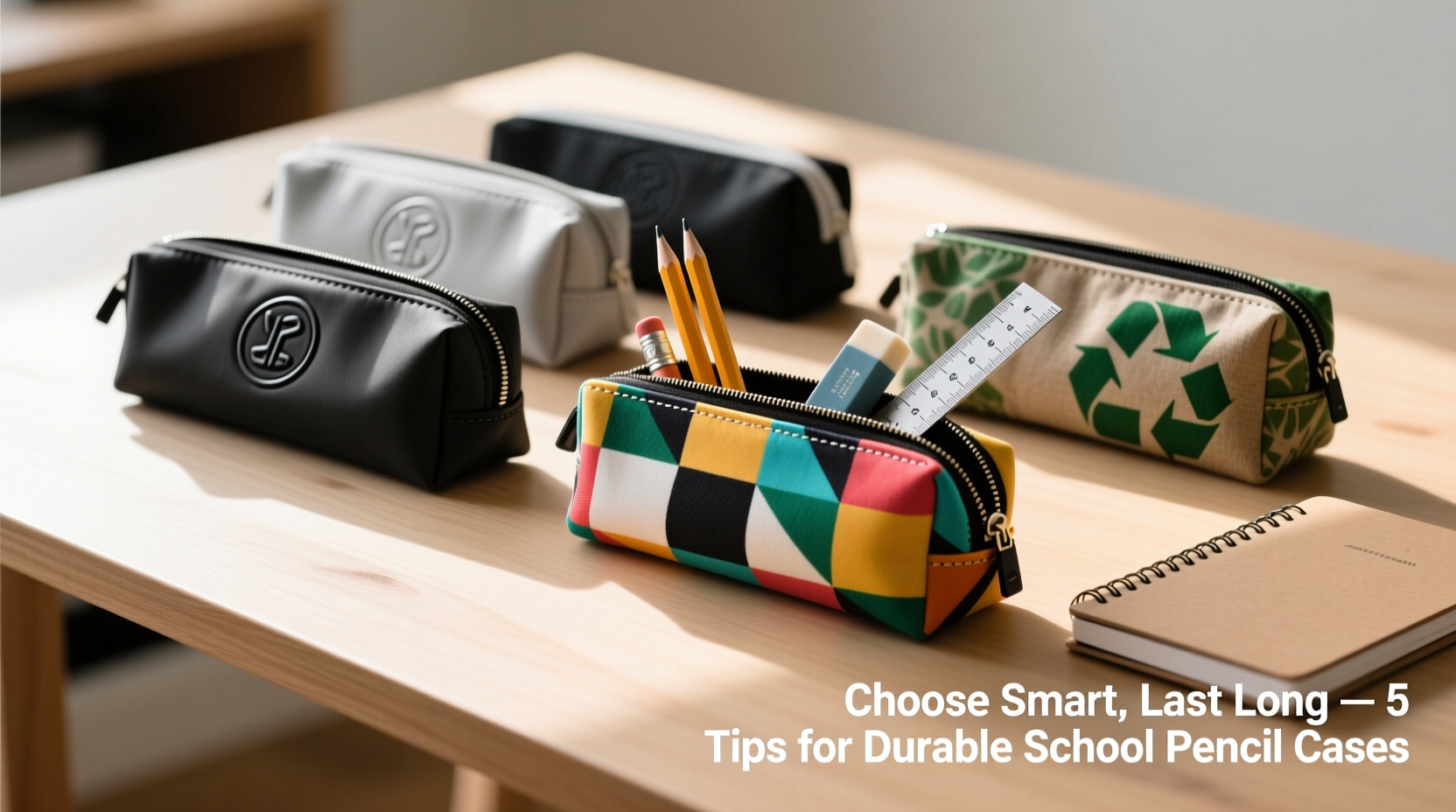
The foundation of durability lies in material selection. Not all fabrics or synthetics are created equal, especially when subjected to daily friction, moisture, and pressure. Here’s a breakdown of common materials and their real-world performance:
| Material | Durability | Water Resistance | Care Level |
|---|---|---|---|
| Fabric (Cotton/Polyester Blend) | Moderate | Low | Easy – machine washable |
| Nylon or Ballistic Nylon | High | High | Wipe clean; spot wash |
| Leather or Faux Leather | Very High | High (especially genuine leather) | Requires conditioning |
| PVC or Vinyl | Moderate to Low | Very High | Wipe clean; prone to cracking over time |
Nylon and ballistic nylon are top performers due to their resistance to abrasion and lightweight strength. They’re commonly used in military-grade gear for good reason—they handle impact and friction exceptionally well. Genuine leather develops a patina over time and ages gracefully, though it requires occasional conditioning. Faux leather offers a cruelty-free alternative but may stiffen or peel after prolonged use. Avoid thin polyester or vinyl cases marketed as “trendy”—they often tear at stress points like zippers within months.
Tip: Run your fingers along seams and corners before purchasing. Reinforced stitching and double-layered fabric signal better construction.Design Features That Prevent Premature Wear
A sleek look isn’t enough. Functional design determines how long a pencil case survives the school year. Key structural elements include:
- Double-zipper pulls: Allow access from both ends, reducing strain on a single pull tab and minimizing accidental openings.
- Reinforced corners: Often overlooked, but corners take the brunt of drops and impacts. Look for padded or riveted edges.
- Interior lining: A smooth, wipeable liner protects contents and prevents ink stains from seeping into outer fabric.
- Multiple compartments: Help organize supplies and reduce internal movement that causes scratches and breakage.
- Flat base or structured shape: Keeps the case upright when open, making it easier to find items without dumping everything out.
Zippers themselves matter. YKK zippers, commonly found on premium outdoor and tactical gear, are renowned for their reliability. If the zipper feels stiff or catches easily during a test pull, it’s likely to fail under regular use. Opt for cases with metal zippers over plastic ones—they resist breaking and misalignment better.
Real Example: The Case of the Overstuffed Zipper
Jamal, a high school sophomore, bought a slim, transparent vinyl pencil case because it fit perfectly in his binder. Within six weeks, the zipper snapped. Upon inspection, he realized he’d been cramming highlighters, rulers, and glue sticks into a space designed for just pencils and pens. The excessive pressure warped the zipper track. When he switched to a roomier nylon case with dual compartments and a YKK zipper, it lasted two full years—even surviving a fall down a staircase.
“Durability isn’t just about materials—it’s about matching capacity to usage. A case overstuffed by 50% will fail twice as fast.” — Dana Reyes, Product Design Consultant for Educational Accessories
Choosing Style Without Sacrificing Strength
Students want personality in their school gear, and there’s no need to sacrifice style for longevity. The best options merge visual appeal with robust engineering. Consider these strategies:
- Timeless patterns over fleeting trends: While cartoon characters or viral memes may be appealing now, they often date quickly. Opt for geometric prints, classic colors, or minimalist designs that remain relevant.
- Customizable surfaces: Some brands offer interchangeable patches or writable panels, allowing personalization that evolves with the user.
- Color psychology: Darker shades like navy, charcoal, or forest green hide scuffs and stains better than white or pastels, maintaining a cleaner appearance over time.
Brands like Muji, Stalogy, and Tengu focus on “quiet luxury” in stationery—clean lines, neutral palettes, and high-function materials. Their pencil cases often become heirloom pieces passed down through siblings.
Step-by-Step Guide to Selecting the Right Pencil Case
- Assess your supply load: Lay out all writing tools you use regularly. Measure them collectively to estimate needed volume.
- Choose material based on environment: If you walk to school in rainy climates, prioritize water-resistant nylon or leather. For dry indoor use, cotton blends may suffice.
- Test the closure mechanism: Open and close the zipper or snap 5–10 times. It should glide smoothly without catching.
- Check interior layout: Ensure there’s a dedicated slot for longer items (rulers, scissors) and smaller pockets for erasers or mechanical pencil leads.
- Evaluate portability: Will it fit in your backpack’s front pocket? Does it have a carabiner loop or wrist strap for easy carrying?
- Read reviews with photos: Look for user-submitted images showing wear after 3+ months of use.
Essential Care Tips to Extend Lifespan
Even the sturdiest pencil case needs maintenance. Simple habits can double its usable life:
- Empty and wipe the interior monthly with a damp cloth to remove graphite dust and adhesive residue.
- Store in a dry place—avoid leaving it at the bottom of a humid locker or near gym clothes.
- Don’t overpack. Leave 20–30% free space to prevent seam stress.
- For leather cases, apply a conditioner every 4–6 months to prevent drying and cracking.
Do’s and Don’ts Summary
| Do | Don’t |
|---|---|
| Use a microfiber cloth to clean surfaces | Machine-wash non-fabric cases |
| Rotate pencil cases seasonally to reduce wear | Store sharp objects loose (they puncture linings) |
| Carry only essentials daily | Use solvents or bleach-based cleaners |
FAQ
How long should a good pencil case last?
A well-made pencil case used under normal school conditions should last at least 18–24 months. High-end models with proper care can exceed 3–4 years, especially if rotated or reserved for special use.
Are metal pencil cases a good idea?
Metal cases are extremely durable and crush-resistant, but they’re heavier and noisier. They can also dent or scratch desks. Best suited for art students carrying delicate tools, but less ideal for younger children due to weight and potential sharp edges.
Can I repair a broken zipper on a pencil case?
Yes, in many cases. Small zipper pulls can be replaced with hardware from craft stores. Full zipper replacements are possible but require sewing skill. Prevention—gentle use and avoiding overfilling—is more effective than repair.
Final Checklist Before Buying
- ✅ Strong, tight stitching (no loose threads)
- Inspect seams under magnification if possible.
- ✅ Smooth, reliable zipper or secure snap closure
- Test multiple times before purchase.
- ✅ Adequate size for current and future needs
- Allow room for growth in supplies.
- ✅ Easy-to-clean interior
- Look for polyester or laminated lining.
- ✅ Positive long-term user reviews
- Focus on feedback mentioning durability after 6+ months.
Conclusion
Choosing a durable pencil case isn’t about picking the toughest-looking option—it’s about intelligent selection grounded in daily needs, material science, and thoughtful design. A great case combines resilience with usability, style with substance, and lasts long enough to become a trusted companion through semesters of learning. By focusing on reinforced materials, smart features, and consistent care, students can avoid the cycle of frequent replacements and enjoy a streamlined, organized experience. The next time you shop for school supplies, treat the pencil case not as an afterthought, but as a critical tool in academic success.
💬 Found a pencil case that survived four years of middle school? Share your story in the comments—your insights could help others make smarter choices.








