Selecting the right handbag goes beyond aesthetics or brand appeal—it’s about functionality, adaptability, and timeless design. A truly versatile bag should transition seamlessly from day to night, work to weekend, and season to season without clashing with your wardrobe. With so many options available, making the right choice can feel overwhelming. Yet, by focusing on specific, measurable features, you can find a bag that not only complements every outfit but becomes a reliable staple in your daily life.
1. Prioritize Neutral Color Palettes
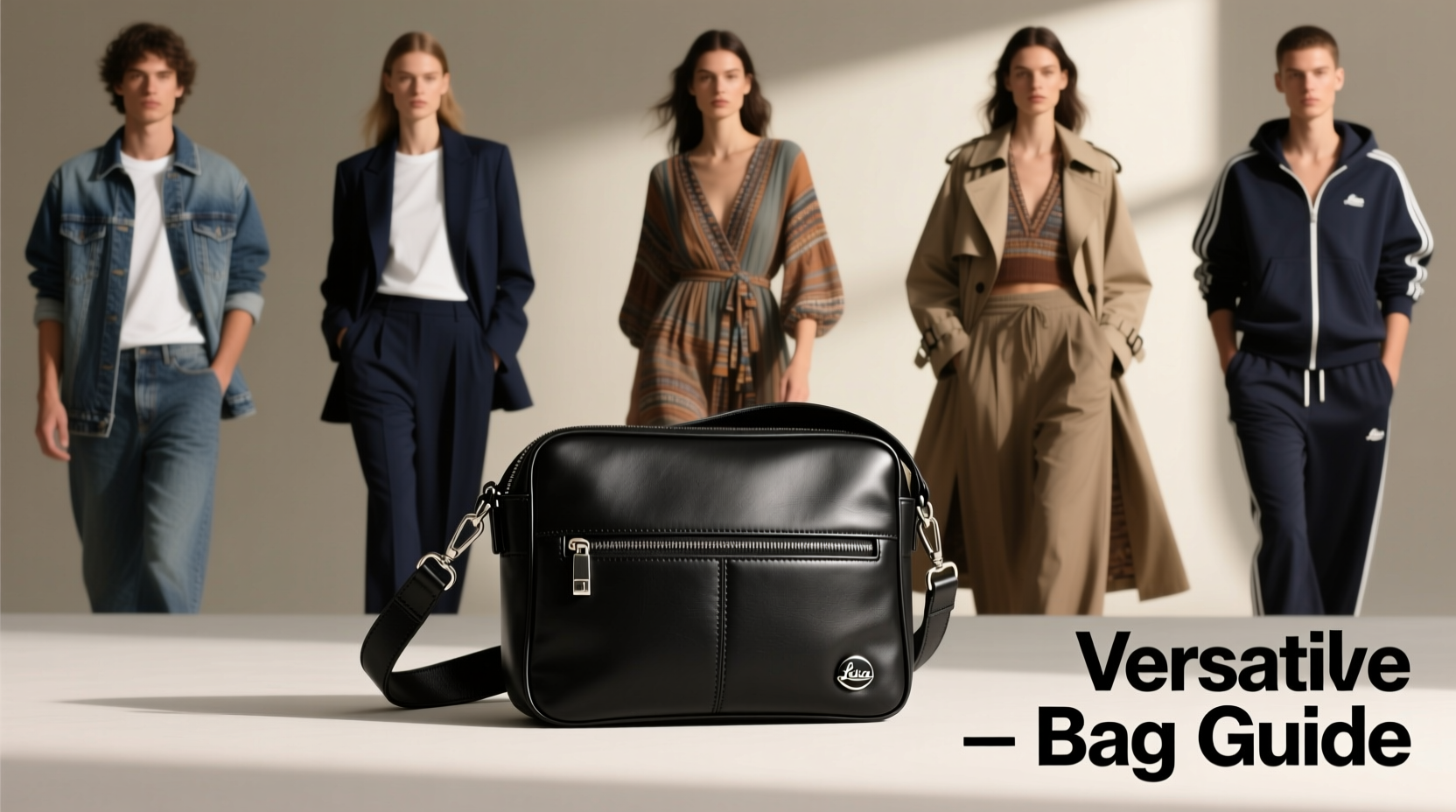
Color is the most immediate factor influencing a bag’s versatility. While bold hues and seasonal shades have their place, they often limit pairing options. Neutral tones—such as black, beige, taupe, navy, gray, and chocolate brown—are proven to harmonize with a broad spectrum of clothing colors and patterns.
A classic black tote pairs effortlessly with a crisp white shirt and jeans, a tailored suit, or an evening dress. Similarly, a camel shoulder bag enhances both autumn knits and spring pastels. These shades don’t dominate an outfit; instead, they anchor it.
Tip: If you want a pop of personality, choose a neutral bag with subtle hardware (like gold or silver zippers) rather than a bright color.When shopping, hold the bag next to different colored garments in natural light. Does it blend well with darks, lights, and prints? If yes, it passes the neutrality test.
2. Choose Proportions That Suit Your Lifestyle
The size and shape of a bag determine its practicality and visual balance with your body and attire. An oversized duffel may overwhelm a petite frame, while a tiny clutch won’t suffice for daily essentials.
Consider your typical day: Do you carry a laptop, wallet, makeup, water bottle, and keys? Or do you prefer minimalism? Match the bag’s capacity to your routine.
| Budget Range | Recommended Style | Ideal For |
|---|---|---|
| Under $100 | Structured crossbody or satchel | Students, casual outings |
| $100–$300 | Medium tote or hobo bag | Work commutes, weekend errands |
| $300+ | Luxury leather tote or convertible backpack | Professional settings, travel |
A medium-sized tote (around 12–14 inches wide) typically offers the best balance between utility and elegance. It fits essentials without appearing bulky and maintains a polished silhouette when worn with structured clothing.
3. Focus on High-Quality, Timeless Materials
The material of a bag affects durability, texture, and how well it ages. While trendy fabrics like sequins or patent vinyl have seasonal charm, they rarely offer long-term versatility.
Genuine leather remains the top choice for adaptable bags. Full-grain leather develops a rich patina over time, improving in appearance with age. It resists scratches better than lower-grade leathers and maintains structure. Saffiano, pebbled, and smooth calfskin finishes are particularly resilient and easy to wipe clean.
“Investing in a well-constructed leather bag pays off in five years of daily use. It’s not an expense—it’s a long-term style decision.” — Marcus Lin, Accessories Designer at Atelier Noir
Fabric blends like nylon or canvas can also be practical, especially for casual or travel use, provided they’re paired with durable stitching and quality hardware. Avoid flimsy zippers or thin straps that strain under weight.
4. Evaluate Functional Design Elements
A versatile bag must perform as well as it looks. Thoughtful design details enhance usability across multiple scenarios. Look for these key features:
- Multipurpose straps: Adjustable or detachable straps allow you to wear the bag as a crossbody, shoulder, or top-handle style.
- Secure closures: Magnetic snaps, zippers, or flap tops keep contents safe without sacrificing ease of access.
- Interior organization: Compartments for phone, wallet, and keys reduce clutter and save time.
- Lightweight construction: Even if roomy, the bag shouldn’t weigh you down when empty.
A bag that converts from work-ready to dinner-appropriate with a simple strap adjustment is inherently more flexible. For example, a structured satchel with a removable long strap works in the office with a blazer and transforms into a chic evening piece when carried by the top handle.
Mini Case Study: Emma’s Work-to-Weekend Bag
Emma, a marketing consultant based in Portland, needed one bag for her hybrid schedule. She chose a medium-sized taupe satchel made from textured vegan leather. It featured a zip-top closure, padded laptop sleeve, and dual straps—short handles for meetings, a longer strap for biking to cafes.
She wears it with tailored trousers and a silk blouse during the week, then swaps to jeans and a sweater on weekends. The neutral color matches her navy coat, olive jacket, and even patterned dresses. After six months of daily use, the bag shows no signs of wear and has become her go-to for travel too.
Her experience proves that thoughtful design beats sheer quantity. One well-chosen bag replaced three she previously rotated.
5. Build a Checklist Before You Buy
Before making a purchase, run through this checklist to ensure maximum versatility:
- ✅ Is the color neutral and compatible with at least 80% of my current wardrobe?
- ✅ Can it comfortably fit my daily essentials (phone, wallet, keys, sunglasses, etc.)?
- ✅ Does it have secure closures and interior pockets for organization?
- ✅ Are the straps adjustable or removable for multiple carrying styles?
- ✅ Is the material durable and appropriate for year-round use?
- ✅ Does it maintain its shape when empty?
- ✅ Can I imagine wearing it in three different settings (e.g., work, lunch, evening out)?
If you answer “yes” to all seven, you’ve likely found a genuinely versatile option. Resist impulse buys based solely on trendiness or price discounts unless they meet these functional criteria.
FAQ
Can a brightly colored bag be versatile?
Only if it matches a dominant color in your wardrobe. For instance, a burgundy bag works well if you frequently wear reds, browns, or creams. But true versatility favors neutrals. Save bold colors for accent pieces you rotate seasonally.
How many bags do I really need?
Most people only need three: one versatile everyday bag (tote or satchel), one small evening clutch, and one casual weekend bag (backpack or crossbody). The first should do 70% of the work. Over-collecting leads to underuse.
Is a designer bag worth it for versatility?
Not automatically. Some luxury bags prioritize branding over function. However, many high-end brands excel in craftsmanship, materials, and timeless silhouettes. Research before investing—look for models known for longevity, like the Longchamp Le Pliage, Cuyana Structured Classic Tote, or Coach Tabby.
Final Thoughts: Make One Bag Work Harder
In a world of fast fashion and endless choices, the most stylish move is restraint. Choosing a single, thoughtfully selected bag that aligns with your lifestyle, color palette, and daily needs reduces decision fatigue and elevates your overall look. Versatility isn’t about blending in—it’s about creating cohesion.
When your bag complements every outfit without demanding attention, it becomes an invisible asset. It’s there when you need it, never clashes, and quietly supports your confidence. That’s the mark of a truly intelligent accessory.
💬 Found your perfect versatile bag? Share your go-to style and how it simplifies your routine—we’d love to hear what works for you!








