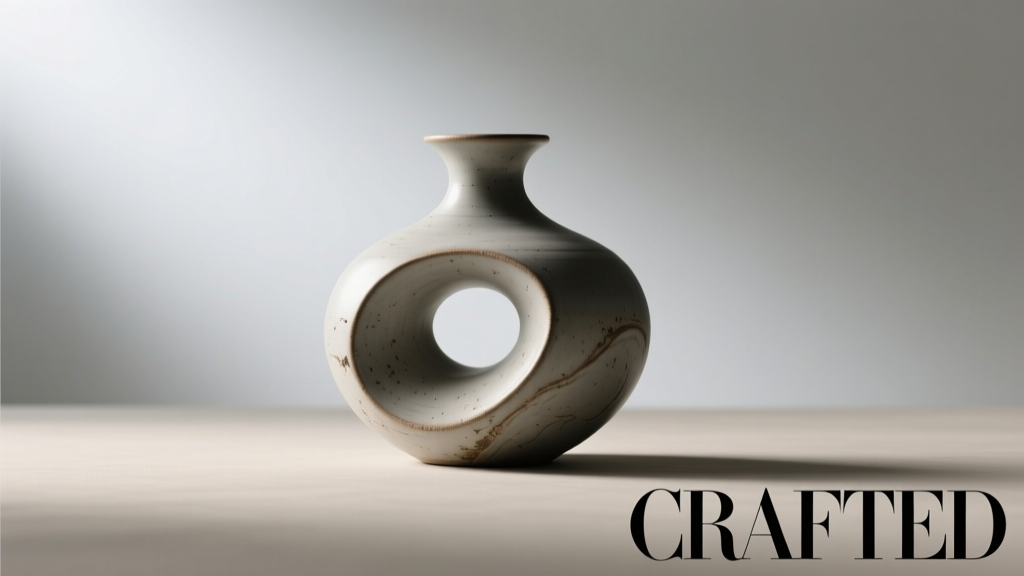
Types of House Utensils
House utensils play a vital role in both the functionality and aesthetic appeal of modern kitchens. From cooking and serving to storage and decoration, the materials used in these everyday tools significantly impact their performance, durability, and environmental footprint. Choosing the right type of utensil depends on your lifestyle, cooking habits, and design preferences. Below is a comprehensive overview of the most common types of house utensils, highlighting their benefits, limitations, and ideal uses.
Ceramic House Utensils
Ceramic utensils are crafted from high-fired clay and finished with a smooth, often glossy glaze, making them a popular choice for both functional and decorative use. Common items include plates, bowls, mugs, serving dishes, and even cookware like casserole dishes. Their elegant appearance, available in endless colors and artistic designs, makes them perfect for enhancing table settings and kitchen decor.
Advantages
- Excellent heat retention for serving warm dishes
- Non-reactive surface – safe for acidic foods like tomatoes and citrus
- Versatile for storage, cooking, and serving
- Aesthetic appeal with customizable designs and finishes
- Dishwasher and microwave safe (when properly glazed)
Limitations
- Brittle and prone to chipping or cracking if dropped
- Not suitable for high-heat stovetop cooking
- Heavier than other materials, which may affect usability
- Glaze can wear over time with frequent use
Best for: Dining sets, decorative serving pieces, oven-to-table cookware, households valuing aesthetics
Stainless Steel House Utensils
Renowned for their strength and modern appearance, stainless steel utensils are a staple in both home and professional kitchens. This alloy of iron, chromium, and nickel resists rust, corrosion, and staining, making it ideal for pots, pans, cutlery, mixing bowls, and storage containers. Its sleek, reflective finish complements contemporary kitchen designs and requires minimal maintenance.
Advantages
- Highly durable and resistant to dents, scratches, and corrosion
- Non-reactive – safe for all types of food, including acidic ingredients
- Hygienic and easy to clean; often dishwasher safe
- Long lifespan with proper care
- Suitable for high-heat cooking and induction stoves
Limitations
- Poor heat conductivity unless layered with aluminum or copper
- Can develop water spots or fingerprints without polishing
- Metallic taste may transfer if low-quality steel is used
- Can be noisy during use (e.g., clinking utensils)
Best for: Busy kitchens, cooking under high heat, professional-grade use, modern minimalist homes
Wooden House Utensils
Wooden utensils bring a natural warmth and timeless charm to the kitchen. Made from sustainably sourced hardwoods like bamboo, maple, or walnut, they are commonly used as spoons, spatulas, cutting boards, ladles, and serving trays. Their organic texture and grain patterns add visual interest and a handcrafted feel, making them ideal for rustic, farmhouse, or eco-conscious interiors.
Advantages
- Gentle on non-stick and delicate cookware surfaces
- Naturally antibacterial when properly maintained
- Biologically degradable and environmentally sustainable
- Comfortable grip and lightweight handling
- Adds a warm, organic aesthetic to kitchen decor
Limitations
- Requires regular oiling to prevent drying and cracking
- Not dishwasher safe – must be hand-washed and dried thoroughly
- Can absorb odors and stains from strong foods (e.g., garlic, turmeric)
- Vulnerable to warping or splitting if exposed to excess moisture
Best for: Eco-friendly households, non-stick cookware users, rustic or natural-themed kitchens, artisanal presentation
| Type | Durability | Heat Resistance | Environmental Impact | Best Application |
|---|---|---|---|---|
| Ceramic | Medium | High (oven-safe) | Low to Moderate | Serving, baking, decorative use |
| Stainless Steel | Excellent | Very High | Moderate (recyclable but energy-intensive) | Cooking, storage, high-use kitchens |
| Wooden | Good (with maintenance) | Low (not for direct heat) | Very Low (biodegradable, renewable) | Utensils, cutting boards, serving trays |
Expert Tip: To extend the life of wooden utensils, condition them monthly with food-grade mineral oil. Avoid soaking them in water and always dry them upright to prevent warping.
Design of House Utensils: Functionality, Comfort, and Innovation in Modern Kitchens
The design of house utensils has evolved significantly to meet the demands of modern lifestyles, where efficiency, comfort, and aesthetics play a crucial role in daily cooking routines. Today’s kitchen tools are not only functional but are also thoughtfully engineered to enhance user experience, optimize space, and complement contemporary home interiors. Three key design philosophies—minimalistic, ergonomic, and multifunctional—have emerged as dominant trends shaping the future of kitchenware. Understanding these approaches helps consumers make informed choices that align with their cooking habits, physical needs, and spatial constraints.
Core Design Principles in Modern House Utensils
Minimalistic Design
Minimalistic design is celebrated for its clean lines, functional simplicity, and uncluttered appearance, making it a staple in modern and urban households. This design philosophy emphasizes the elimination of decorative excess, focusing instead on the essential purpose of each utensil. By using simple geometric forms and neutral color palettes—such as matte black, brushed steel, white, or soft gray—minimalistic utensils blend seamlessly into streamlined kitchen environments.
Functionality is prioritized over ornamentation: handles are smooth and unadorned, shapes are intuitive, and every component serves a clear purpose. Materials like high-grade stainless steel, tempered glass, and food-safe silicone are commonly used for their durability, ease of cleaning, and timeless appeal. Beyond practicality, minimalistic utensils contribute to a sense of order and calm in the kitchen, reducing visual clutter and promoting mindfulness in meal preparation. They are ideal for those who value a clean, organized space and prefer quality over quantity in their kitchen tools.
Ergonomic Design
Ergonomic design places human comfort and safety at the forefront of utensil development. It involves crafting tools that align with the natural movements of the body, reducing strain on hands, wrists, and arms during prolonged use. This is especially important in kitchens where cooking involves repetitive motions such as stirring, chopping, or flipping.
Ergonomic utensils often feature contoured, non-slip handles made from soft-touch materials like thermoplastic rubber or silicone, which provide a secure grip and reduce hand fatigue. The weight distribution is carefully balanced to prevent wrist strain, and many tools are designed with angled heads or rotating joints to improve access and control. For example, an ergonomic spatula may have a gently curved handle that positions the wrist in a neutral posture, minimizing the risk of repetitive stress injuries.
This design approach is particularly beneficial for older adults, individuals with arthritis or limited dexterity, and professional cooks who spend extended periods in the kitchen. By enhancing usability and comfort, ergonomic utensils make cooking more accessible and enjoyable for a wider range of users, promoting long-term kitchen engagement and independence.
Multifunctional Design
In response to increasingly compact living spaces and the desire for a simplified lifestyle, multifunctional design has gained widespread popularity. These innovative utensils are engineered to perform multiple tasks, eliminating the need for numerous single-purpose tools and helping to declutter kitchen drawers and countertops.
Examples include a ladle with built-in measuring markings, a vegetable peeler that doubles as a julienne slicer, or a spatula with a locking mechanism that transforms it into a serving spoon. Some advanced tools even integrate smart features—like temperature-sensitive silicone that changes color when food reaches a safe cooking temperature.
Multifunctional utensils are especially valuable in small apartments, RVs, dorm rooms, or minimalist kitchens where storage is limited. They not only save space but also reduce the time and effort involved in selecting, using, and cleaning multiple tools. Despite their versatility, many multifunctional designs maintain a sleek aesthetic, ensuring they don’t compromise on style. This trend reflects a broader shift toward intentional living, where every item in the home serves a meaningful, efficient purpose.
Material & Sustainability Considerations
Beyond form and function, the choice of materials in house utensil design has become a critical factor, especially with growing consumer awareness about sustainability and health. High-quality materials such as BPA-free plastics, sustainably sourced wood (like bamboo), recycled stainless steel, and platinum-cured silicone are now standard in premium kitchenware.
Bamboo utensils, for instance, offer a renewable, biodegradable alternative to plastic, while maintaining strength and heat resistance. Stainless steel remains a favorite for its longevity, non-reactivity, and recyclability. Meanwhile, silicone has gained favor for its flexibility, non-stick properties, and ability to withstand extreme temperatures without degrading.
Manufacturers are also focusing on reducing environmental impact through eco-conscious production methods, minimal packaging, and designing for longevity to combat the throwaway culture. As a result, modern utensils are not only more user-friendly but also more responsible, aligning with the values of environmentally conscious consumers.
| Design Principle | Key Benefits | Best Suited For |
|---|---|---|
| Minimalistic Design | Clutter-free appearance, easy maintenance, timeless aesthetics | Modern kitchens, small spaces, minimalist lifestyles |
| Ergonomic Design | Reduced hand fatigue, improved grip, enhanced safety | Seniors, individuals with disabilities, frequent cooks |
| Multifunctional Design | Space-saving, cost-effective, reduced clutter | Small kitchens, urban dwellers, minimalist households |
| Sustainable Materials | Eco-friendly, non-toxic, durable | Environmentally conscious consumers, health-focused users |
Choosing the Right Utensils for Your Needs
Important: While aesthetics and innovation are appealing, never compromise on safety and functionality. Always ensure that utensils are heat-resistant, dishwasher-safe (if needed), and compatible with your cookware (e.g., non-scratch materials for non-stick pans). Regular cleaning and proper storage will extend the life of your utensils and maintain hygiene in the kitchen.
Scenarios of House Utensils: Functions, Materials, and Best Practices
Household utensils play a vital role in every stage of food handling—from preparation to cooking, serving, and dining. Choosing the right tools for each scenario enhances efficiency, safety, and the overall culinary experience. Below is a detailed breakdown of how different types of utensils are used in everyday home and commercial kitchens, along with material insights and practical recommendations.
Cooking Utensils
Cooking is where functionality meets heat resistance. The right utensils ensure ingredients are mixed, stirred, flipped, and monitored safely without damaging cookware or compromising food quality.
- Stirring & Mixing: Long-handled cooking spoons (wooden, silicone, or stainless steel) are ideal for soups, stews, and sauces, offering reach and control.
- Flipping & Turning: Spatulas—especially heat-resistant silicone or metal-edged turners—are essential for pancakes, burgers, and casseroles in ovens or on stovetops.
- Heat Resistance: Silicone utensils can withstand temperatures up to 600°F, while stainless steel handles high heat and is non-reactive with acidic foods.
- Non-Scratch Options: Nylon or silicone-coated tools protect non-stick pans from damage during use.
Pro Tip: Avoid using sharp metal utensils on non-stick surfaces to prevent coating degradation.
Serving Utensils
Serving is about presentation, hygiene, and portion control. Well-designed serving tools help maintain food safety while enhancing the visual appeal of meals during family dinners or large gatherings.
- Ladles & Serving Spoons: Ideal for soups, gravies, and rice dishes—often featuring ergonomic handles for ease of use.
- Tongs: Perfect for salads, pasta, meats, and grilled vegetables; spring-loaded models offer better grip and precision.
- Platters & Trays: Serving trays (wooden, ceramic, or stainless steel) organize multiple dishes and elevate presentation at buffets or dinner parties.
- Durability: Serving utensils are typically thicker and more robust than cooking tools to handle heavier foods without bending.
Best Practice: Use dedicated serving utensils for each dish to prevent cross-contamination, especially with allergens.
Dining Utensils
Dining utensils are central to the eating experience, influencing comfort, etiquette, and aesthetics. Their design and material impact both functionality and table setting elegance.
- Forks: Designed for spearing and cutting softer foods; salad, dinner, and dessert forks vary in size and tine count.
- Knives: Used for cutting meats and tougher foods; stainless steel blades offer durability and stain resistance.
- Spoons: From teaspoons to soup spoons, these vary in depth and shape depending on the food type.
- Material Choices: Stainless steel is most common due to its corrosion resistance, ease of cleaning, and polished finish. Silver-plated or eco-friendly bamboo options are also popular for special occasions or sustainable living.
Design Insight: Weight, balance, and handle contour affect comfort during prolonged meals—important in both home and restaurant settings.
Food Preparation Utensils
Preparation is the foundation of efficient cooking. The right prep tools save time, reduce waste, and improve kitchen safety by enabling precise cuts and handling.
- Knives: Chef’s knives, paring knives, and serrated blades serve different cutting purposes—sharpness and balance are key.
- Peelers & Graters: Essential for removing skins or shredding cheese, vegetables, and citrus zest; ergonomic handles reduce hand fatigue.
- Measuring Tools: Cups, spoons, and digital scales ensure recipe accuracy and consistency.
- Specialty Tools: Mandolines, zesters, and colanders enhance versatility in meal prep.
Safety Note: Always use cutting boards and keep knives sharp—dull blades are more likely to slip and cause injury.
Expert Recommendation: Invest in a well-rounded kitchen toolkit that covers all four scenarios—preparation, cooking, serving, and dining. A complete set not only streamlines workflow but also promotes hygiene and consistency. For households, prioritize durable, easy-to-clean materials like stainless steel and food-grade silicone. In commercial kitchens, look for NSF-certified utensils that meet health and safety standards.
| Scenario | Key Utensils | Recommended Materials | Primary Benefits |
|---|---|---|---|
| Cooking | Spatulas, spoons, whisks, scrapers | Silicone, stainless steel, wood | Heat resistance, non-scratch, durability |
| Serving | Ladles, tongs, serving spoons, platters | Stainless steel, ceramic, bamboo | Portion control, presentation, strength |
| Dining | Forks, knives, spoons, chopsticks | Stainless steel, silver, eco-bamboo | Ergonomics, aesthetics, longevity |
| Food Preparation | Knives, peelers, graters, cutting boards | High-carbon steel, plastic, wood | Precision, efficiency, hygiene |
Additional Considerations for Optimal Utensil Use
- Hygiene & Maintenance: Regular cleaning and proper storage prevent bacterial growth and extend utensil life. Wooden tools should be hand-washed and occasionally oiled.
- Eco-Friendly Options: Bamboo, recycled metal, and biodegradable materials reduce environmental impact without sacrificing performance.
- Kitchen Organization: Use utensil holders, drawer dividers, or magnetic strips to keep tools accessible and protected.
- Multifunctionality: Some modern tools combine features—e.g., a spatula with a built-in bottle opener or a spoon with measurement markings—increasing convenience.
- Cultural Variations: Dining utensils vary globally—chopsticks in Asia, hands in some Middle Eastern and African cultures—so consider diverse needs in multicultural households or restaurants.
Specification & Maintenance of House Utensils
Household utensils are essential tools in every kitchen, playing a vital role in food preparation, cooking, and serving. Choosing the right utensils and maintaining them properly ensures not only efficiency and durability but also promotes hygiene and safety in the home. This comprehensive guide explores key specifications to consider when selecting utensils and provides best practices for their long-term care and maintenance.
Important Note: Poorly maintained or low-quality utensils can contribute to cross-contamination, bacterial growth, and even foodborne illness. Always prioritize safety, cleanliness, and material integrity when selecting and caring for kitchen tools.
Key Specifications When Choosing House Utensils
Selecting the right utensils involves evaluating several critical factors that influence performance, safety, and longevity. Below are the most important specifications to consider:
- Material Composition: The material determines the utensil’s strength, heat resistance, and compatibility with different cookware.
- Stainless Steel: Durable, non-reactive, and resistant to rust and corrosion—ideal for mixing bowls, spoons, and serving tools.
- Silicone: Heat-resistant (up to 450°F/230°C), flexible, and safe for non-stick cookware; commonly used in spatulas and baking tools.
- Wood: Gentle on surfaces, naturally antibacterial, but requires careful drying to prevent cracking; excellent for spoons and cutting boards.
- Plastic/Nylon: Lightweight and affordable, but may degrade under high heat or stain over time; avoid with non-stick pans to prevent scratching.
- Size and Functionality: Utensil size should match its intended use.
- Larger utensils (e.g., serving spoons, ladles) are designed for portioning and transferring food.
- Smaller tools (e.g., measuring spoons, small whisks) offer precision for mixing and seasoning.
- Ergonomic handles improve grip and reduce hand fatigue during extended use.
- Heat Resistance: Cooking utensils must withstand high temperatures without warping, melting, or leaching chemicals.
- Silicone and stainless steel typically handle heat up to 450°F (230°C).
- Avoid plastic utensils in ovens, grills, or near open flames unless explicitly labeled as heat-safe.
- Aesthetic and Design: While functionality is paramount, appearance also matters in creating a cohesive kitchen environment.
- Color-coordinated utensils can enhance visual appeal and help differentiate tools for raw vs. cooked foods.
- Modern designs often integrate comfort, balance, and style without compromising utility.
Expert Tip: When purchasing utensils, look for BPA-free, FDA-approved materials and check manufacturer guidelines for heat limits and dishwasher safety to ensure long-term reliability and health safety.
Essential Maintenance Practices for Longevity and Hygiene
Proper maintenance extends the life of your utensils and ensures a safe, sanitary kitchen environment. Follow these best practices based on material type:
- Regular Cleaning
- Wash utensils promptly after use to prevent food residue buildup.
- Most stainless steel, silicone, and nylon utensils are dishwasher-safe—place them in the top rack to avoid warping.
- Wooden utensils should be hand-washed with mild soap and warm water, then dried immediately to prevent moisture absorption and cracking.
- Inspection for Wear and Damage
- Regularly check for signs of deterioration such as cracks, peeling, warping, or deep staining.
- Discard any utensil with surface damage, as these can harbor bacteria and compromise food safety.
- Replace plastic utensils that have become brittle or discolored, especially if used in high-heat environments.
- Safe Storage
- Store utensils in a dry, well-ventilated area to prevent mold and mildew, especially for wooden items.
- Use utensil holders, drawers with dividers, or hanging racks to avoid contact with dirty surfaces.
- Keep metal utensils away from prolonged sunlight or humid environments to prevent tarnishing or condensation buildup.
- Special Care by Material
- Wood: Occasionally treat with food-grade mineral oil to restore moisture and prevent splitting.
- Silicone: Remove stubborn stains with a baking soda paste or diluted vinegar soak.
- Stainless Steel: Polish with a microfiber cloth to maintain shine; avoid abrasive cleaners that can cause scratching.
| Utensil Type | Recommended Material | Cleaning Method | Lifespan (With Proper Care) | Replacement Signs |
|---|---|---|---|---|
| Spats & Turners | Silicone, Stainless Steel | Dishwasher-safe or hand wash | 3–5 years | Warping, edge fraying, handle looseness |
| Mixing Spoons | Wood, Stainless Steel | Hand wash (wood), dishwasher (steel) | 5+ years (wood), 7+ years (steel) | Cracks, deep stains, splintering |
| Measuring Spoons | Stainless Steel, Plastic | Dishwasher-safe | 4–6 years | Wear on measurement markings, brittleness |
| Ladles & Serving Tools | Stainless Steel, Silicone | Dishwasher-safe | 5–8 years | Handle detachment, corrosion, staining |
| Whisks | Stainless Steel | Dishwasher-safe | 7+ years | Bent wires, loose handle, rust |
Hygiene Tip: To prevent cross-contamination, consider using color-coded utensils for different food types (e.g., red for raw meat, green for vegetables). This practice is especially valuable in households with young children or immunocompromised individuals.
Final Recommendations
- Invest in high-quality utensils from reputable brands to ensure safety, durability, and performance.
- Establish a monthly inspection routine to assess the condition of all kitchen tools.
- Follow manufacturer care instructions for specialized utensils (e.g., non-stick coated, composite materials).
- Replace damaged or outdated utensils promptly to maintain kitchen hygiene and efficiency.
- Educate all household members on proper utensil use and cleaning protocols.
By carefully selecting utensils based on material, size, and function—and maintaining them with consistent cleaning and inspection—you can ensure a safer, more efficient, and longer-lasting kitchen toolkit. Proper care not only protects your investment but also supports healthier meal preparation for you and your family.
Frequently Asked Questions About Household Utensils
Q1: What Are the Most Common Household Utensils?Household utensils are essential tools used in food preparation, cooking, serving, and dining. The most commonly used items include:
- Dinnerware: Plates, bowls, and dishes for serving meals.
- Cutlery: Forks, knives, and spoons used for eating and food handling.
- Cooking Tools: Wooden spoons, spatulas, ladles, whisks, and tongs for stirring, flipping, and transferring food.
- Serving Utensils: Serving spoons, slotted spoons, and trays for presenting food at the table.
- Measuring Tools: Measuring cups and spoons for precise ingredient portions in baking and cooking.
- Drinkware: Mugs, glasses, and tumblers for beverages.
- Storage Items: Canisters, jars, and containers for keeping dry goods or leftovers.
It's important to note that many utensils serve dual purposes. For example, a measuring cup can double as a small mixing or serving bowl, and a ladle is useful both for cooking and serving soups or stews. Selecting versatile utensils can help maximize kitchen efficiency and reduce clutter.
Q2: What Materials Are Household Utensils Made From?Household utensils are crafted from a wide variety of materials, each chosen for its durability, functionality, and safety in specific kitchen tasks. Common materials include:
- Stainless Steel: Widely used for pots, pans, and cutlery due to its resistance to rust, corrosion, and high heat. It’s also non-reactive, making it safe for cooking acidic foods.
- Aluminum: Lightweight and an excellent conductor of heat, often used in cookware. However, it may react with acidic ingredients unless anodized or coated.
- Silicone: Flexible, heat-resistant, and non-stick, making it ideal for spatulas, baking mats, and pot holders. It’s also safe for use with non-stick cookware.
- Wood: Used for spoons, cutting boards, and bowls. It’s gentle on cookware surfaces and naturally antimicrobial, though it requires hand washing and occasional oiling.
- Plastic: Common in storage containers and some utensils. While lightweight and affordable, lower-quality plastics may warp or leach chemicals when exposed to heat.
- Glass: Ideal for drinkware and food storage because it’s non-porous, doesn’t absorb odors, and is microwave-safe.
- Bamboo: An eco-friendly alternative to plastic and wood, often used for cutlery and chopping boards due to its sustainability and durability.
- Silver and Silver-Plated Metals: Traditionally used in fine dining cutlery for their elegant appearance and tarnish resistance.
The choice of material often depends on the intended use, maintenance requirements, and environmental considerations.
Q3: Which Materials Are Best for Household Utensils?While many materials are suitable, some stand out for their safety, durability, and ease of maintenance. Here’s a breakdown of the most ideal options:
| Material | Best For | Key Advantages | Considerations |
|---|---|---|---|
| Stainless Steel | Cutlery, pots, pans, mixing bowls | Durable, rust-resistant, hygienic, dishwasher-safe | Can be heavy; may show water spots |
| Glass | Drinkware, food storage, baking dishes | Non-porous, odor-free, microwave and oven-safe | Fragile; can break if dropped or exposed to sudden temperature changes |
| Silicone | Spatulas, baking mats, lids | Heat-resistant, flexible, non-scratch, eco-friendly options available | Lower-quality versions may retain odors |
| Bamboo | Cutlery, cutting boards, trays | Renewable, biodegradable, lightweight, antimicrobial | Not dishwasher-safe; requires hand washing and oiling |
| Cast Iron | Skillets, Dutch ovens | Excellent heat retention, long-lasting, naturally non-stick when seasoned | Heavy; requires special care to prevent rust |
For optimal performance and sustainability, many modern kitchens combine materials—using stainless steel for durability, silicone for flexibility, and bamboo for eco-conscious choices.
Q4: How Should Household Utensils Be Maintained?Proper maintenance extends the lifespan of utensils and ensures hygiene and safety in the kitchen. Follow these best practices:
- Immediate Cleaning: Wash utensils after each use to prevent food buildup and bacterial growth. Most metal, silicone, and glass items are dishwasher-safe, but always check manufacturer guidelines.
- Hand Washing for Sensitive Items: Wooden spoons, cutting boards, and cast iron cookware should never go in the dishwasher. Clean them by hand with mild soap and dry immediately to prevent warping or cracking.
- Regular Inspections: Check for signs of wear such as chipped edges, deep scratches, or rust. Replace damaged knives, spatulas, or containers to avoid contamination or injury.
- Proper Storage: Store utensils in a cool, dry place away from direct sunlight and moisture. Use drawer dividers, utensil holders, or hanging racks to prevent damage and maintain organization.
- Seasoning and Oiling: Maintain wooden and cast iron items by periodically applying food-safe mineral oil or seasoning with oil to preserve their integrity.
- Avoid Harsh Cleaners: Steel wool and abrasive cleaners can damage non-stick coatings and polished surfaces. Use soft sponges instead.
Consistent care not only keeps utensils functional but also supports a clean and efficient cooking environment.
Q5: What Safety Precautions Should Be Taken with Kitchen Utensils?To ensure safety and prevent contamination, follow these essential precautions:
- Prevent Cross-Contamination: Use separate utensils for raw meat, poultry, and seafood versus cooked or ready-to-eat foods. Color-coded cutting boards and tools can help distinguish uses.
- Avoid Mixing Metal Utensils with Non-Stick Cookware: Metal spoons or spatulas can scratch non-stick surfaces, reducing their effectiveness and potentially releasing harmful particles. Opt for silicone, wood, or nylon tools instead.
- Handle Glassware with Care: Glass containers and dishes are prone to shattering if dropped or exposed to rapid temperature changes (e.g., moving from freezer to oven). Always use oven-safe glass and avoid thermal shock.
- Check for Damage: Discard utensils with sharp edges, deep cracks, or loose handles to prevent cuts or accidents during use.
- Choose Heat-Resistant Materials: When cooking at high temperatures, ensure that utensils (especially spatulas and ladles) are rated for heat resistance to avoid melting or warping.
- Store Safely: Keep sharp knives in a block or sheath, and store heavy items on lower shelves to prevent tipping or falling.
- Consider Material Longevity: Invest in high-quality, durable materials to reduce the need for frequent replacements and minimize environmental impact.
By following these guidelines, you can maintain a safe, organized, and efficient kitchen while maximizing the lifespan of your household utensils.









