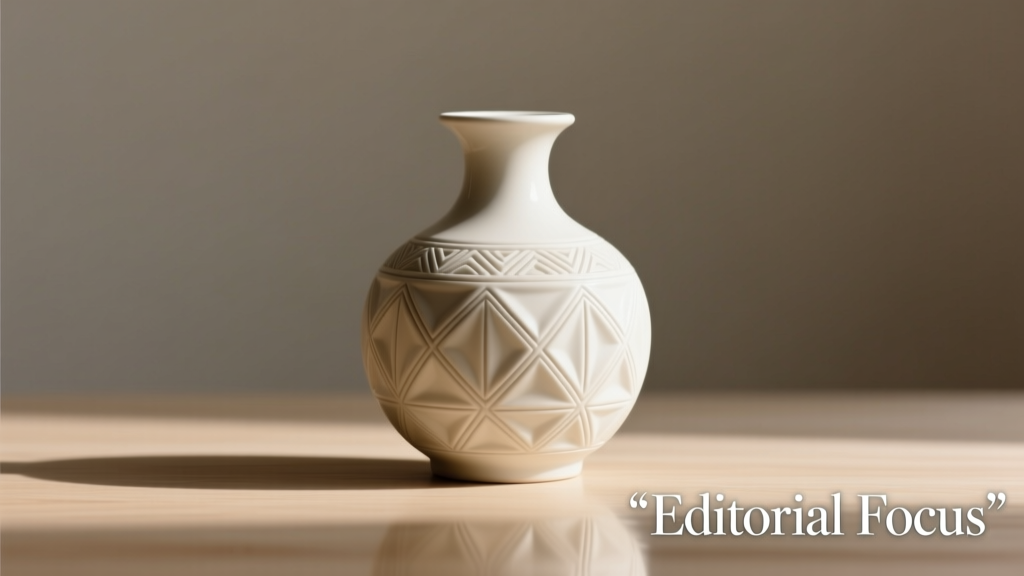
Types of Home Decoration Exquisite Embroidery
Exquisite home embroidery is more than just a craft—it's a timeless way to infuse personality, elegance, and warmth into your living spaces. Whether you're enhancing walls, furniture, or dining areas, embroidery offers a unique blend of artistry and functionality. With a variety of styles and applications available, understanding the different types helps you choose the perfect piece to match your décor theme and lifestyle.
Wall Art Embroidery
Wall art embroidery transforms fabric into a statement piece, ideal for adding texture and visual interest to blank walls. These pieces often combine delicate stitching with creative framing to elevate the overall ambiance of a room.
Ceramic Framed Embroidery
A traditional technique where intricate needlework is displayed within ceramic or porcelain frames, creating a refined contrast between the soft fabric and hard, glossy frame.
Advantages
- Premium, antique-inspired aesthetic
- Excellent durability of the frame
- Protects embroidery from dust and damage
- Complements vintage and classic interiors
Limitations
- Heavier and more fragile than other frames
- Limited modern design availability
- Higher cost due to craftsmanship
Best for: Formal living rooms, entryways, and heritage-style homes
Embroidered Hoops
Simple yet stylish, these feature embroidered fabric stretched in wooden or plastic hoops, often used as minimalist wall décor.
Advantages
- Easy to create and customize
- Lightweight and easy to hang
- Perfect for small spaces or gallery walls
- Great for modern, boho, or nursery décor
Limitations
- May sag over time if not properly tensioned
- Less protective than enclosed frames
- Limited to smaller designs
Best for: Bedrooms, kids' rooms, kitchens, and contemporary spaces
Pillows and Cushion Covers
Embroidered cushions bring both comfort and artistry to seating areas. From sofas to beds, they serve as functional décor that enhances color schemes and adds tactile richness.
All-Embroidered Cushions
These cushions feature embroidery that covers the entire surface, showcasing detailed patterns such as florals, geometric motifs, or cultural designs.
Advantages
- High visual impact and elegance
- Turns a simple pillow into a centerpiece
- Available in diverse cultural styles (e.g., Indian, Persian, Scandinavian)
- Durable with proper care
Limitations
- More expensive due to labor-intensive work
- May require dry cleaning or hand washing
- Can be too bold for minimalist interiors
Best for: Living rooms, reading nooks, and statement seating areas
Piping Trim Embroidery
Features central embroidery surrounded by a decorative piping edge, offering a polished and tailored look.
Advantages
- Clean, structured appearance
- Enhances durability with reinforced edges
- Blends well with both modern and traditional furniture
- Easier to match with existing décor
Limitations
- Less intricate than full-coverage embroidery
- Piping may wear or fray over time
- Limited design space for large motifs
Best for: Dining chairs, formal seating, and coordinated interior sets
Table Linen Embroidery
Elevate your dining experience with embroidered table linens that combine practicality with sophistication. These pieces protect surfaces while serving as a canvas for artistic expression.
Embroidered Table Runners
Long, narrow cloths adorned with embroidery, placed down the center of dining tables to enhance elegance and protect surfaces.
Advantages
- Adds instant refinement to any table setting
- Protects tables from scratches and spills
- Available in seasonal and thematic designs
- Easy to switch out for different occasions
Limitations
- May shift during meals if not secured
- Requires careful washing to preserve embroidery
- Limited coverage compared to full tablecloths
Best for: Dinner parties, holiday gatherings, and formal dining
Monogrammed Napkins
Personalized napkins featuring embroidered initials, names, or family crests, adding a bespoke touch to the dining table.
Advantages
- Highly personalized and sentimental
- Excellent for gifts or heirloom pieces
- Available in various thread colors and fonts
- Reinforces a cohesive table setting
Limitations
- Initial cost is higher for custom work
- May not suit casual dining environments
- Requires careful laundering to prevent thread damage
Best for: Special occasions, weddings, and luxury dining experiences
Framed Embroidery Art
Framed embroidery goes beyond function, serving as gallery-worthy art. These pieces are often curated for focal walls and can reflect personal taste, cultural heritage, or artistic trends.
Bohemian Framed Embroidery
Characterized by eclectic frames made with beads, shells, fabric wraps, or ethnic woodwork, enhancing the free-spirited nature of the embroidery.
Advantages
- Unique, one-of-a-kind appearance
- Perfect for boho, eclectic, or global-inspired décor
- Encourages creativity and personal expression
- Often handmade with sustainable materials
Limitations
- May not suit minimalist or modern interiors
- Frames can be fragile or bulky
- Harder to source in mainstream stores
Best for: Bohemian living rooms, creative studios, and artistic spaces
Antique Gold Frame Embroidery
Luxurious embroidery displayed in ornate gold or gilded frames, ideal for highlighting intricate, fine-thread work.
Advantages
- Exudes opulence and sophistication
- Enhances the value and visibility of detailed work
- Complements classical, Victorian, or Hollywood Regency styles
- Timeless appeal that ages gracefully
Limitations
- Can appear overly formal in casual homes
- Heavy and may require secure mounting
- Higher price point due to frame and craftsmanship
Best for: Formal dining rooms, foyers, and luxury interiors
| Type | Style Suitability | Durability | Customization | Ideal Room |
|---|---|---|---|---|
| Ceramic Framed Embroidery | Vintage, Classic | High (frame) | Low to Medium | Entryway, Living Room |
| Embroidered Hoops | Modern, Boho, Nursery | Medium | High | Bedroom, Kitchen |
| All-Embroidered Cushions | Eclectic, Luxe, Cultural | High (with care) | Medium | Living Room, Sitting Area |
| Piping Trim Cushions | Traditional, Transitional | Medium-High | Medium | Dining Room, Study |
| Table Runners | Formal, Seasonal | Medium | Medium | Dining Room, Event Spaces |
| Monogrammed Napkins | Luxury, Personalized | Medium | Very High | Dining Room, Wedding Events |
| Bohemian Frames | Boho, Artistic | Medium | High | Studio, Bedroom |
| Antique Gold Frames | Classic, Opulent | High | Low | Foyer, Formal Rooms |
Expert Tip: To preserve the beauty of embroidered décor, avoid direct sunlight exposure to prevent thread fading. For cleaning, always follow care labels—hand washing or professional cleaning is recommended for delicate pieces.
Exquisite Embroidery Designs for Home Decoration
Handmade embroidered décor has long been cherished for its craftsmanship, elegance, and ability to add a personal touch to interior spaces. Beyond the technique—such as cutwork, shadow work, or satin stitch—the true charm of home embroidery lies in its design. The right embroidery pattern can transform ordinary textiles into artistic statements, enhancing the aesthetic of cushions, wall hangings, table linens, and more. Understanding the variety and application of these designs helps homeowners and designers make informed choices that align with their décor style and ambiance goals.
Floral Patterns: Timeless Elegance in Every Stitch
Floral embroidery patterns are the cornerstone of decorative stitching, celebrated for their versatility and enduring appeal. Whether it’s a single blooming rose, a cascading wisteria, or a bold tropical hibiscus, floral motifs bring a sense of nature, freshness, and warmth into the home. These designs are especially effective in creating soft, inviting atmospheres ideal for bedrooms, living rooms, and dining areas.
Available in delicate pastels or vibrant hues, floral embroidery can be intricately layered for a luxurious look or kept minimal for a subtle accent. When applied to throw pillows, bedspreads, or framed wall art, they add texture and dimension, making them perfect for both traditional and cottage-style interiors. The organic flow of petals and vines also complements curved furniture and soft furnishings, enhancing the femininity and grace of a space.
Geometric Designs: Modern Precision and Minimalist Charm
For contemporary and minimalist interiors, geometric embroidery designs offer a sleek, structured alternative to floral themes. Utilizing clean lines, symmetry, and repeating patterns, these designs feature shapes such as triangles, hexagons, squares, and rhomboids, often arranged in tessellated or abstract formations.
Geometric embroidery is ideal for modern homes that emphasize order, balance, and architectural elements. It works exceptionally well on cushion covers, table runners, and decorative panels, where its bold forms can serve as focal points without overwhelming the space. Monochromatic or two-tone color schemes enhance the modern aesthetic, while metallic threads can add a touch of sophistication. This style is particularly popular in Scandinavian, industrial, and mid-century modern décors.
Animal Motifs: Expressive and Cultural Embellishments
Animal motifs in embroidery provide a unique opportunity to infuse personality, symbolism, and cultural heritage into home décor. From majestic elephants symbolizing wisdom and strength to graceful deer representing peace and intuition, these designs often carry deeper meanings that resonate with homeowners.
Smaller creatures like birds, butterflies, and foxes add whimsy and charm, making them ideal for children’s rooms, studies, or conservatories. Larger, more detailed animal portraits can be framed as art pieces, especially in libraries or reading nooks. Techniques such as crewelwork or silk shading are often used to capture fine details in fur, feathers, and movement, elevating the piece to a true work of art. These motifs are especially popular in bohemian, rustic, and globally inspired interiors.
Seasonal Designs: Celebrating the Rhythm of the Year
Seasonal embroidery designs allow homeowners to refresh their décor in harmony with the changing year, adding festive spirit and timely charm. These temporary yet impactful pieces help mark holidays and natural transitions throughout the seasons.
Summer-themed embroidery often features sailboats, seagulls, suns, and tropical flora, rendered in light fabrics like linen or cotton with bright, airy colors. Winter designs, by contrast, showcase snowflakes, reindeer, evergreen trees, and cozy scenes of snow-covered cottages, typically in richer fabrics with deeper tones and metallic accents. Spring brings floral rebirth and pastel palettes, while autumn is celebrated with leaves, pumpkins, and harvest motifs. Seasonal embroidered items—such as holiday pillow covers, napkins, or door hangings—are both decorative and nostalgic, fostering a sense of celebration and continuity.
Abstract Art: Bold, Creative, and Unconventional
For the artistically inclined, abstract embroidery breaks traditional boundaries, transforming thread and fabric into expressive, almost surreal compositions. These designs embrace spontaneity, featuring irregular shapes, dynamic lines, color gradients, and experimental textures like French knots, trapunto, or free-motion stitching.
Abstract embroidered art is perfect for modern, eclectic, or gallery-style homes where individuality and creativity are celebrated. It often serves as a centerpiece—such as a large wall hanging in a living room or entryway—drawing attention and sparking conversation. The use of mixed media, such as combining embroidery with paint or fabric collage, further enhances its artistic value. Unlike representational designs, abstract embroidery invites personal interpretation, making it a deeply personal addition to any space.
| Design Type | Best For | Recommended Applications |
|---|---|---|
| Floral Patterns | Traditional, cottage, romantic interiors | Cushions, bedspreads, curtains, framed wall art |
| Geometric Designs | Modern, minimalist, Scandinavian styles | Table runners, pillow covers, room dividers |
| Animal Motifs | Bohemian, rustic, nature-inspired spaces | Framed art, children's rooms, study decor |
| Seasonal Themes | Holiday décor, transitional styling | Napkins, door hangings, seasonal cushions |
| Abstract Art | Artistic, contemporary, eclectic homes | Statement wall hangings, gallery displays |
Tip: When selecting embroidery designs for home décor, consider the room’s function, color scheme, and existing style. Always use high-quality threads and fabrics to ensure durability and visual richness. Proper framing or backing can protect delicate stitches and enhance presentation, especially for display pieces.
Scenarios of Home Decoration with Exquisite Embroidery
Exquisite embroidery is more than just a decorative craft—it's a timeless art form that elevates interior spaces with elegance, texture, and personality. When thoughtfully integrated into home decor, embroidered elements transform ordinary rooms into curated environments that reflect taste, culture, and comfort. From soft furnishings to wall art, embroidery adds depth, warmth, and a handmade charm that mass-produced decor often lacks.
Living Rooms
Bright, intricately embroidered cushions, wall hangings, and even hand-embroidered area rugs can become focal points in the living room. These pieces not only enhance visual appeal but also contribute to a cozy, inviting atmosphere—perfect for relaxation or entertaining guests.
- Throw pillows with floral, geometric, or cultural motifs add color and tactile interest to sofas and armchairs
- Framed embroidered artworks serve as unique conversation starters above mantels or consoles
- Custom-designed embroidered runners or tapestries can drape elegantly over furniture or act as wall features
Design tip: Pair neutral-toned upholstery with vibrant embroidered accents to create balance and visual hierarchy
Bedrooms
In bedrooms, exquisite embroidery introduces a sense of luxury and intimacy. From intricately stitched bed linens to decorative pillows and window treatments, embroidery enhances the serenity and sophistication of the sleeping space.
- Monogrammed duvet covers or pillowcases offer a personalized touch and elevate everyday luxury
- Embroidered sheer curtains diffuse light beautifully while adding softness and elegance
- Headboards with embroidered fabric panels or embroidered wall panels behind the bed create a dramatic, boutique-hotel aesthetic
Luxury upgrade: Consider silk-thread embroidery for a subtle sheen and refined texture in master suites
Dining Areas
Embroidered table linens such as napkins, table runners, and placemats instantly refine the dining experience. These details convey attention to detail and set the tone for elegant meals, whether it's a daily family dinner or a special celebration.
- Formal dinners benefit from heirloom-quality embroidered linens with lace or metallic thread accents
- Casual dining spaces can feature embroidered motifs inspired by nature, cuisine, or seasonal themes
- Matching sets with coordinated stitching patterns unify the table setting and reflect thoughtful curation
Pro tip: Use machine-washable embroidery on cotton or linen blends for practicality without sacrificing beauty
Home Offices
Even functional spaces like home offices can be enhanced with embroidered decor. Thoughtfully placed embroidered elements can reduce visual sterility, promote calm, and inspire creativity.
- Wall art featuring embroidered quotes, botanical illustrations, or abstract designs adds warmth and character
- Cushions with animal motifs, mandalas, or traditional patterns can create a soothing ambiance for focused work
- Small embroidered rugs or desk mats introduce texture and comfort underfoot or within reach
Wellness angle: Nature-inspired embroidery (birds, trees, water) can support biophilic design principles and improve mental focus
Seasonal Decorations
Embroidered seasonal decor allows homeowners to refresh their interiors in harmony with the time of year. These pieces are both festive and enduring, offering a sustainable alternative to disposable holiday decorations.
- Fall and winter: Richly colored embroidered cushions, tree skirts, or curtain valances with leaf, snowflake, or holiday motifs create a warm, festive atmosphere
- Spring and summer: Light, airy embroidery in pastels or whites featuring florals, butterflies, or nautical themes brings freshness indoors
- Reusable embroidered banners or garlands can replace paper decorations for eco-friendly celebrations
Sustainable choice: Handmade embroidered decor lasts for years, reducing the need for annual replacements
Customized Gifts
Beyond personal use, embroidered home decor makes deeply meaningful and personalized gifts. Each piece carries emotional value, especially when customized with names, dates, or symbolic designs.
- Framed embroidered artwork with family names, wedding dates, or inspirational quotes becomes cherished wall decor
- Personalized cushion covers or bed throws are ideal for housewarmings, weddings, or anniversaries
- Custom embroidered tea towels or aprons combine practicality with sentimental charm for kitchen gifts
Gift idea: Commission a piece that reflects the recipient’s heritage, hobbies, or favorite colors for a truly unique present
Interior Designer Insight: To avoid overwhelming a space, use embroidery as an accent rather than a dominant theme. Choose one or two key pieces per room—such as a statement cushion or a central wall hanging—and let them shine against simpler backgrounds. High-quality stitching, balanced color palettes, and cohesive design motifs ensure that embroidered decor feels intentional and luxurious, not cluttered.
| Room/Use Case | Recommended Embroidery Style | Suggested Materials | Design Tips |
|---|---|---|---|
| Living Room | Floral, geometric, cultural patterns | Cotton, linen, velvet | Use bold colors for contrast; mix textures with knits and weaves |
| Bedroom | Monogrammed, botanical, romantic motifs | Silk, satin, fine cotton | Coordinate with bedding; opt for soft lighting to highlight details |
| Dining Area | Formal script, nature themes, seasonal | Linen, damask, blend fabrics | Match embroidery to tableware; keep edges clean and structured |
| Home Office | Inspirational quotes, animals, abstract | Canvas, cotton, wool blends | Choose calming colors; position at eye level for maximum impact |
| Seasonal & Gifts | Themed designs (holiday, birthday, etc.) | Durable cotton, felt, silk blends | Add personalization; store carefully between uses |
Additional Considerations for Embroidered Home Decor
- Durability: Machine embroidery with reinforced stitching ensures longevity, especially for high-use items like cushions and linens
- Care Instructions: Recommend gentle washing and air drying to preserve delicate threads and prevent shrinkage
- Cultural Significance: Incorporate traditional embroidery techniques (e.g., Hungarian Kalocsa, Indian Chikankari, Mexican Tenango) to celebrate heritage and craftsmanship
- Lighting: Use accent lighting to highlight embroidered textures and shadows, enhancing their three-dimensional effect
- Eco-Friendliness: Support sustainable decor by choosing embroidery made from organic fibers and natural dyes
Specification & Maintenance of Home Decoration Exquisite Embroidery
Exquisite embroidery adds elegance, texture, and timeless charm to any interior space. Whether displayed as wall art, used on cushions, or incorporated into table linens, embroidered décor pieces elevate the aesthetic of your home with their intricate craftsmanship and luxurious appeal. However, preserving their beauty requires proper understanding of materials and diligent care. This comprehensive guide covers the specifications, maintenance techniques, and environmental considerations for various types of embroidered home décor to ensure longevity and lasting visual impact.
Important Note: Always check manufacturer labels or care instructions before cleaning or handling embroidered items. Improper care can lead to irreversible damage such as color fading, thread fraying, or fabric shrinkage.
Wall Art Embroidery
- Materials Used: Wall art embroidery typically features high-quality cotton, silk, or linen fabrics embellished with silk, cotton, or metallic threads. Decorative elements like beads, sequins, or appliqués are often added for visual interest. These pieces are commonly mounted in wooden, metal, or ceramic frames, or displayed in embroidery hoops made from sustainably sourced wood or synthetic materials.
- Maintenance Tips:
- Dust the surface gently every 2–4 weeks using a soft, dry microfiber cloth or a feather duster to prevent buildup that can dull the fabric’s luster.
- Avoid using water or cleaning sprays directly on the embroidery, as moisture can cause staining, warping, or mold growth.
- Hang away from direct sunlight, radiators, air conditioning vents, or humid areas like kitchens and bathrooms to prevent color fading, fabric weakening, and humidity damage.
- Rotate framed pieces periodically if exposed to indirect light to ensure even aging and prevent one-sided discoloration.
Pillows and Cushion Covers
- Materials: Commonly crafted from natural fibers like cotton, linen, or silk, or blends with polyester for durability. Embroidery is often applied as all-over patterns, central motifs, or decorative piping. Backings may include zipper closures or envelope flaps made from complementary fabrics.
- Maintenance:
- Washable Covers: Remove from pillow inserts and wash in cold water on a gentle cycle using a mild, pH-neutral detergent. Turn inside out to protect embroidery. Air dry flat to prevent shrinkage and avoid wringing.
- Non-Washable Covers: Use a handheld upholstery brush or soft vacuum attachment to remove surface dust. For spot cleaning, dab stains gently with a cloth dampened with distilled water and mild soap—never rub. Allow to air dry completely away from heat.
- Store with acid-free tissue paper to prevent creasing and yellowing during off-seasons.
Table Linen (Cloths, Runners, Napkins)
- Materials: Typically made from premium cotton, damask linen, or silk, often featuring delicate border embroidery, monograms, or floral motifs. These fabrics are chosen for both durability and elegance, making them ideal for formal dining settings.
- Maintenance:
- Pre-treat stains promptly with a gentle stain remover suitable for delicate fabrics.
- Wash in cold water using a short, hand-wash or delicate machine cycle with a mild detergent free of bleach, enzymes, or optical brighteners.
- Never use chlorine bleach, as it weakens fibers and causes discoloration—opt for oxygen-based alternatives only if absolutely necessary.
- Iron on the reverse side using a low to medium heat setting. Use a pressing cloth over embroidered areas to protect raised threads from flattening.
- Fold neatly with acid-free paper between layers to prevent permanent creases and store in a breathable cotton bag.
| Type of Embroidered Item | Recommended Cleaning Method | Avoid | Storage Tips |
|---|---|---|---|
| Wall Art & Framed Pieces | Dry dusting with microfiber cloth | Water, steam, chemical cleaners | Hang in low-light, climate-controlled areas |
| Cushion & Pillow Covers | Hand wash (cold) or spot clean | Bleach, machine drying, high heat | Store flat or rolled with tissue paper |
| Table Linens | Delicate wash, reverse-side ironing | Chlorine bleach, wringing, tumble drying | Fold with acid-free paper; avoid plastic |
| All Embroidered Fabrics | Regular inspection for pests or mold | High humidity, direct sunlight, compressed storage | Use breathable containers; include silica gel packs |
Specialized Care Considerations
- Framed Embroidery: To preserve framed pieces, ensure they are sealed behind UV-protective glass or acrylic to block harmful rays. Clean the glass with a non-ammonia cleaner and lint-free cloth, avoiding contact with the fabric. Periodically inspect the backing board for signs of pests or moisture infiltration.
- Humidity Control: Maintain indoor humidity between 40% and 50%. Excess moisture promotes mold and mildew, while overly dry air can make natural fibers brittle. Use a hygrometer to monitor levels and a dehumidifier or humidifier as needed.
- Mold Prevention: In humid climates, store embroidered items with silica gel packets or activated charcoal in ventilated cabinets. If mold appears, consult a textile conservator—do not attempt DIY removal, as brushing or washing can spread spores and damage fibers.
Expert Tip: For heirloom or antique embroidered pieces, consider professional conservation every 5–10 years. Experts can assess structural integrity, clean safely, and recommend preservation framing to protect your investment for generations.
Additional Maintenance Recommendations
- Inspect embroidered items quarterly for loose threads, fading, or pest activity (e.g., silverfish or moths).
- Rotate usage of decorative pillows and table linens to distribute wear evenly.
- Use fabric protectors designed for delicate textiles to repel spills and dust—test on an inconspicuous area first.
- Keep embroidery away from pets and children who might pull on loose threads.
- Photograph valuable pieces before storage to document condition for insurance or appraisal purposes.
With thoughtful care and proper environmental control, your exquisite embroidered home décor can remain a stunning focal point for years to come. By understanding the materials and following these detailed maintenance practices, you preserve not only the appearance but also the craftsmanship and sentimental value of each piece. When in doubt, err on the side of caution and consult a textile care specialist to ensure your cherished items are treated with the respect they deserve.
Frequently Asked Questions About Embroidered Home Decor
Q1: Can all types of embroidery work be done on household items?Yes, a wide variety of embroidery techniques can be beautifully applied to household items, transforming everyday decor into personalized works of art. From hand-stitched heirlooms to machine-embroidered accents, options include:
- Cross-stitch and crewelwork: Ideal for wall hangings, pillow covers, and decorative panels with intricate patterns and rich textures.
- Machine embroidery: Offers precision and consistency, perfect for monogrammed linens, table runners, and cushion fronts with custom fonts or logos.
- Appliqué embroidery: Adds dimension and color contrast, commonly used in quilts, bedspreads, and children's room decor.
- Goldwork and metallic thread: Adds luxury and elegance, often seen in formal drapery trims or festive holiday decorations.
The choice of embroidery style depends on the desired aesthetic—whether rustic, modern, traditional, or whimsical—as well as the fabric type and usage of the item. With proper technique and material pairing, nearly any home decor piece can be enhanced with embroidery.
Q2: How often should embroidered home decor items be cleaned?To preserve both the appearance and longevity of embroidered textiles, regular but careful cleaning is essential. General guidelines include:
- Routine maintenance: Light dusting or vacuuming with a soft brush attachment every 3 months helps prevent buildup of dirt and allergens.
- Frequently used items: Cushion covers, napkins, and tablecloths should be spot-cleaned as needed and laundered every 4–6 weeks, depending on use.
- Delicate or decorative pieces: Wall art, framed embroidery, or seasonal displays may only require full cleaning once or twice a year, unless visibly soiled.
- Cleaning method: Always check care labels. Hand washing in cold water with mild detergent is safest for most embroidered fabrics. Avoid harsh scrubbing to prevent thread damage.
Air drying away from direct sunlight helps prevent fading and shrinkage. For valuable or antique embroidered pieces, professional cleaning is recommended to maintain structural integrity and color vibrancy.
Q3: Are seasonal embroidery designs worth it?Absolutely. Seasonal embroidery designs offer a flexible and cost-effective way to refresh your home’s ambiance throughout the year. Benefits include:
- Thematic versatility: Spring florals, summer nautical themes, autumn harvest motifs, and winter holiday patterns allow you to align your decor with the time of year.
- Emotional impact: Festive stitching enhances mood and creates a welcoming atmosphere during holidays and special occasions.
- Easy rotation: By storing off-season items properly (in breathable cotton bags with moth repellents), you can reuse them year after year.
- Budget-friendly: Instead of overhauling entire rooms, adding a few embroidered throw pillows, tree ornaments, or kitchen towels can make a big visual impact at low cost.
Many crafters also enjoy creating their own seasonal pieces as DIY projects, making them meaningful and unique additions to the home.
Q4: How does one protect embroidered wall art from direct sunlight?UV exposure is one of the biggest threats to embroidered textiles, causing colors to fade and fibers to weaken over time. Effective protection strategies include:
- Strategic placement: Hang embroidered wall art in areas with indirect or low natural light, such as interior hallways or north-facing walls.
- UV-protective framing: Use frames with UV-filtering glass or acrylic glazing, which block up to 99% of harmful ultraviolet rays.
- Rotating displays: Change out embroidered pieces seasonally to limit prolonged exposure and preserve their condition.
- Window treatments: Install blinds, curtains, or UV-blocking window film to reduce sunlight intensity in bright rooms.
Additionally, avoid placing embroidered art near heat sources like radiators or fireplaces, which can dry out fibers and accelerate deterioration. Proper framing with acid-free matting also prevents yellowing and moisture damage.
Q5: What materials are used for embroidered home decor items?A range of high-quality fabrics and threads are selected based on durability, texture, and embroidery compatibility. Common materials include:
| Material | Common Uses | Benefits |
|---|---|---|
| Cotton | Table linens, cushion covers, quilts | Breathable, easy to stitch, absorbs dye well for vibrant colors |
| Linen | Wall art, napkins, kitchen towels | Natural texture, durable, ages beautifully with a vintage look |
| Silk | Framed art, luxury pillows, drapery accents | Lustrous finish, excellent for fine detail work, elegant drape |
| Polyester & Blends | Machine-washable items, outdoor cushions | Resistant to shrinking and fading, low maintenance |
| Rayon & Metallic Threads | Decorative stitching, holiday items | Add shine and visual interest, ideal for special accents |
The choice of backing, stabilizers, and embroidery thread (such as cotton floss, polyester, or silk) also plays a crucial role in the final look and durability. High thread count fabrics provide a smoother surface for detailed designs, while natural fibers often offer better breathability and environmental sustainability.









